





 Portuguese
  English
  Spanish
  5 min of reading
  0 comments



Alaska, Known for Its Frozen Landscapes and Vast Wild Areas, Holds a Piece of Russian History That Has Survived for Over 150 Years. This Heritage Is Present in the Streets, in the Architecture, in the Religious Traditions, and Even in the Names of the Cities, Revealing a Past That Still Thrives in the Present.
In Alaska, U.S. President Donald Trump and Russian President Vladimir Putin are meeting this Friday (15) for what is considered a historic meeting.
This will be the first face-to-face meeting between the two leaders since Trump returned to the White House.
The meeting is taking place in Anchorage, in southern Alaska, at 4:30 PM Brasília time. Only Trump, Putin, and their interpreters will be present for the direct conversation.
-
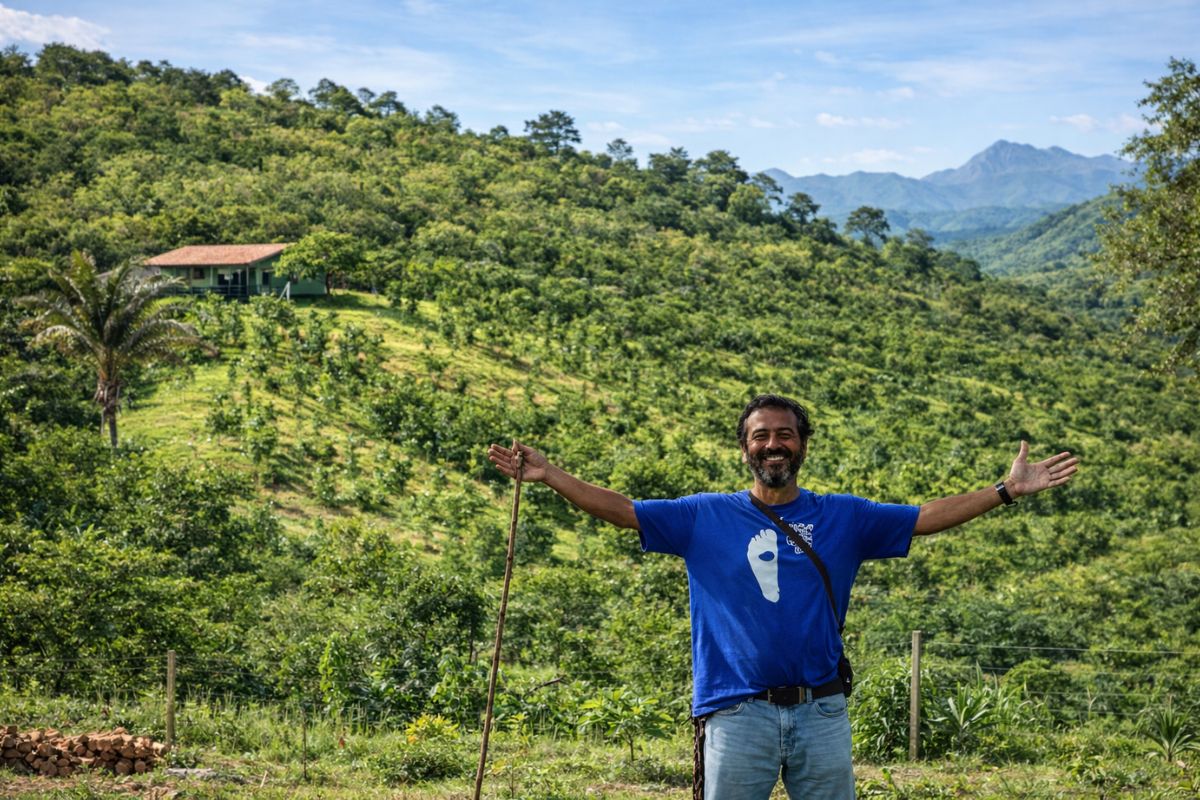
A Globo actor lives on a farm the size of 300 football fields in Teresópolis, where he produces cheese, honey, and organic chocolate, and has already planted 20,000 native trees.
-
This simple tool eliminates the need for a plumb line with each row, speeds up brick laying by up to 40%, and any laborer can align the wall by themselves, but almost no one in Brazil uses it on construction sites.

-
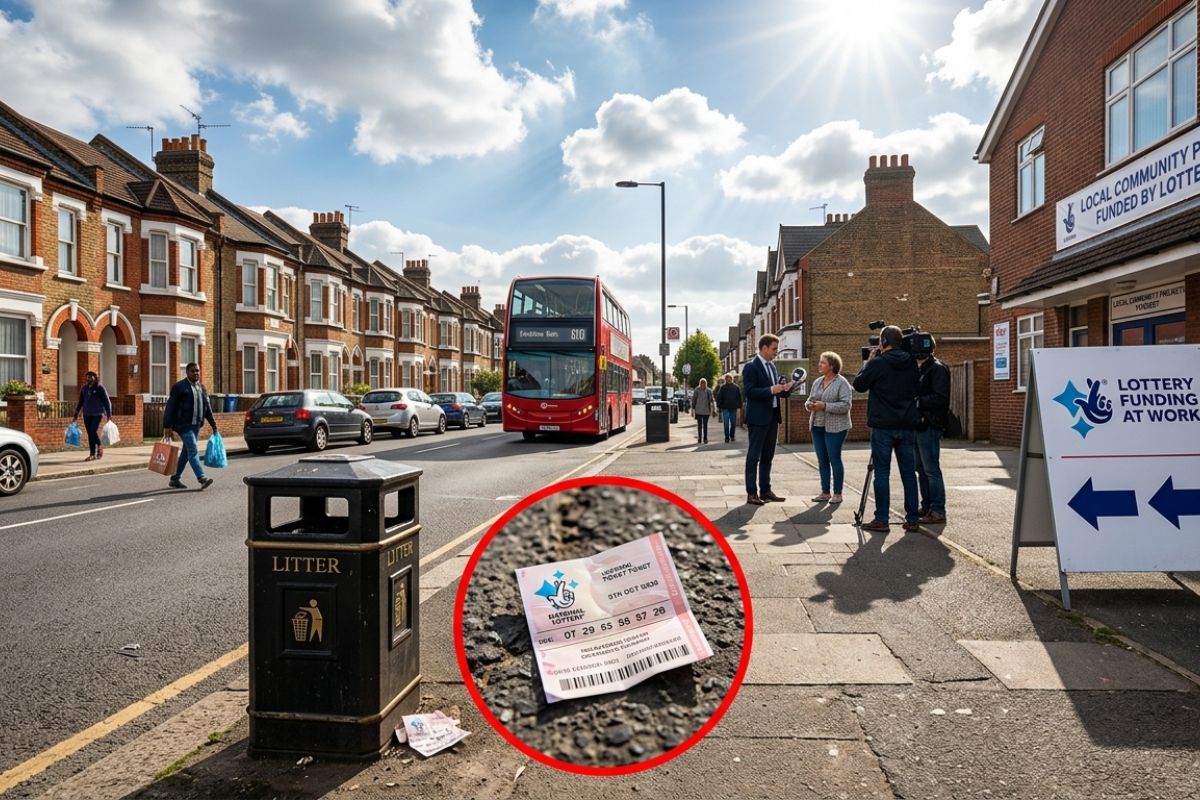
Won R$ 72 million in the British lottery, but lost it all for not claiming: October ticket in Bexley was forgotten, the 180-day deadline passed, and the fortune will fund local community projects in London.
-
Mixing vinegar with detergent in a blender has become the most talked-about cleaning trick on the internet because it solves a problem that everyone has in the kitchen in seconds and uses only two ingredients that you already have at home.


Meanwhile, the Russian and American delegations will participate in a working lunch.
After the discussions, a joint press conference is scheduled for 8:30 PM.
The choice of Alaska as the setting for this high-level dialogue sparks interest, not only due to its geopolitical symbolism but also because of the historical past that connects the U.S. state to Russia.
Alaska and Its Russian Roots
Alaska, with its frozen landscapes and unique biodiversity, bears deep marks from the period when it was under Russian rule.
The colonization left influences on culture, architecture, religion, and even the names of localities.
The Russian presence began centuries before the sale of the territory to the United States in 1867. Although control officially ended that year, the vestiges of the former colony remain alive in the daily lives of various communities.
The Russian Expansion to the Pacific
The Russian expansion to the east began in the 16th century and advanced through vast areas of Siberia. In 1639, explorers reached the Pacific Ocean.
This trajectory culminated in the 18th century with organized expeditions to map the coast of Alaska.
Navigator Vitus Bering led the 1741 expedition that landed in the region, marking the first European contact with the territory.
Shortly thereafter, hunters and traders known as promyshlenniki established outposts to exploit the valuable sea otter fur trade.
The Creation of the Russian-American Company
In 1799, Tsar Paul I founded the Russian-American Company (RAC), granting it a monopoly on the fur trade and administrative authority in Alaska.
The RAC, under the leadership of Aleksandr Baranov, founded the city of Novo-Arkhangelsk, now Sitka, which became the capital of Russian America.
The company not only controlled commercial activities but also implemented colonial policies, maintained relations with Indigenous peoples, and developed infrastructure.
This organization was essential in consolidating the Russian presence in the region.
Relations with Native Peoples
The Russian arrival directly affected communities such as the Aleuts, Alutiiq, and Tlingit. Interactions varied between trade partnerships and armed confrontations.
A notable episode was the Battle of Sitka in 1804, when the Tlingit resisted occupation.
In addition to conflicts, there was strong cultural and religious exchange. Missionaries from the Russian Orthodox Church converted thousands of Indigenous people, integrating Orthodox elements into local traditions.
Sale of Alaska
In the 19th century, the economic viability of the colony was questioned. The distance from Russia, high maintenance costs, and competition with other powers, especially the British, led Tsar Alexander II to negotiate the sale.
In 1867, the United States acquired Alaska for $7.2 million.
The agreement became known as “Seward’s Folly,” in reference to American Secretary of State William H. Seward, who conducted the negotiations.
Architectural Heritage
Russian architecture is one of the most visible legacies. In Sitka, St. Michael’s Cathedral, built in 1848, was the spiritual center of the Orthodox Church in North America. After a fire in 1966, the reconstruction preserved the original style.
Another example is the Church of the Ascension of Our Lord in Unalaska. Founded in 1826, it was led by Father Ioann Veniaminov, later canonized as Saint Innocent of Alaska. The current church was built between 1894 and 1896, repurposing wood from earlier structures. In 1970, it received the designation of National Historic Landmark.
Religion and Culture
The Russian Orthodox Church arrived in Alaska in 1794 and has since played an important role in cultural life. In many communities, churches serve as religious and social centers.
The “Slaaviq,” a Christmas tradition, exemplifies cultural fusion: groups visit homes singing hymns that mix Indigenous and Russian influences. Festivals such as Christmas and Easter maintain rituals that combine symbols from both cultures.
Names and Language
The toponymy of Alaska reveals its Russian heritage. Cities like Sitka and Kodiak preserve names originating from the colonial period. In Ninilchik, a rare Russian dialect called niniltchik survives, considered a linguistic relic.
This language is studied by linguists as a living example of the interaction between colonizers and Native peoples.
Cuisine and Crafts
The local cuisine also reflects Russian influences. Dishes like borscht, rich vegetable soups, and smoked fish remain present. Black bread, introduced during the colonial period, is still prepared in some communities.
Crafts, especially religious icons and everyday utensils, blend Russian and Indigenous techniques, creating pieces of historical and cultural value.
Social Function of Churches
During colonization, Orthodox churches served as schools and social support points. Their architecture, with onion-shaped domes and ornate crosses, became a lasting symbol of the Russian period.
In Kodiak, St. Herman’s Monastery is a pilgrimage site and preserves the memory of one of the first Orthodox missionaries in Alaska.
Preservation of Memory
Sitka National Historical Park preserves remnants of an old Russian fort. Museums such as the Alaska State Museum in Juneau and the Sheldon Jackson Museum in Sitka display documents, maps, and utensils that tell the story of the Russian presence.
Researchers document dialects such as that of Ninilchik, while archaeological sites reveal details of colonial infrastructure.
The Russian influence included the introduction of missionary schools, which taught Indigenous people to read and write in Russian. This education was considered advanced for the time and left lasting marks on local culture.
The Sale Seen Today
At the time, many in the United States criticized the purchase. However, the discovery of gold and oil transformed Alaska into a strategic and economically valuable asset. Today, historians view the negotiation as a success for the U.S.
Festivals and Tourism
Events like Russian Alaska Day celebrate the cultural heritage. Cities like Sitka promote guided tours, exhibitions, and artistic performances to keep this part of history alive.
Tourism is a key piece in preserving this memory, attracting visitors interested in the cultural connections between Russia and Alaska.
Alaska is a mosaic of cultural influences. The Russian presence, even though it ended more than 150 years ago, left deep marks that persist in language, religion, cuisine, and place names.
This heritage demonstrates how the meeting of different worlds can generate a unique identity, preserved by generations.






-

Uma pessoa reagiu a isso.