





 Portuguese
  English
  Spanish
  3 min of reading
  6 comments


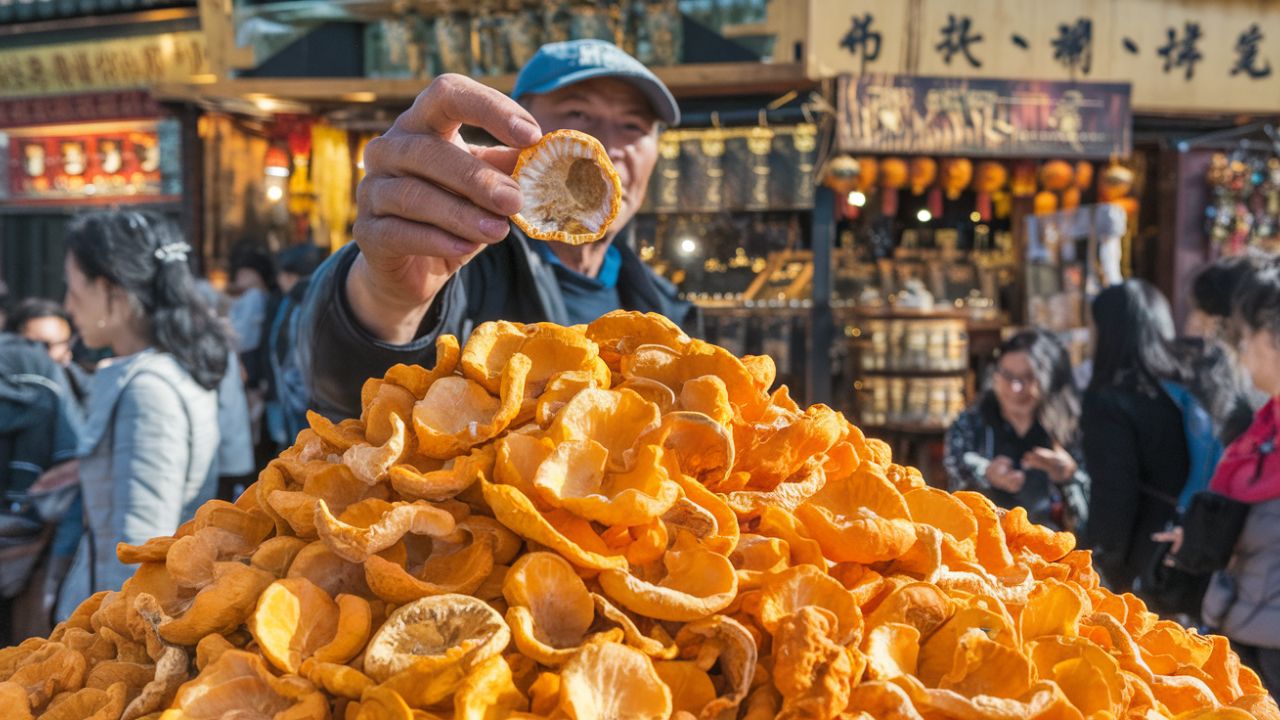


When Wealth Is Mentioned In China, Gold, Rare Earths, And Other Valuable Natural Resources Come To Mind. But What Few Know Is That The Country Has Found A True “Gold” In Something Unlikely: Aged Orange Peels, Known As Chenpi. This Millenarian Tradition, Originating From Xinhui, Has Turned Into A Billion-Dollar Industry, Impacting The Local Economy In A Surprising Way.
The District Of Xinhui, In The City Of Jiangmen, Guangdong Province In China, Has Become The Epicenter Of The Production Of This Peculiar Product. Today, Orange Peels Can Be Sold For Astronomical Prices, Reaching US$ 9,650 For Just 500 Grams. The Industry Generated Approximately US$ 3.2 Billion In 2023, Representing A Quarter Of Jiangmen’s GDP And Creating Thousands Of Jobs. What Was Once A Simple Waste Is Now One Of The Most Coveted Elements In Traditional Chinese Medicine And Luxury Cuisine.
The Secret Of Success In China
Chenpi Is Not Just A Passing Trend. Its Origin Dates Back To The Song Dynasty (1127-1279), When Its Medicinal Properties Began To Be Documented. Rich In Antioxidants And Flavonoids, This Ingredient Strengthens The Spleen, Improves Digestion, And Benefits The Respiratory System. Moreover, Studies Indicate It May Help Stabilize Blood Pressure And Contribute To Obesity Prevention.
The Difference Of Chenpi Produced In Xinhui, China, Lies In The Natural Conditions Of The Region. The Confluence Of The Xijiang And Tanjiang Rivers Creates A Unique Soil, Enriching The Peels With Nutrients Not Found In Other Locations. To Ensure Its Quality, The Peels Must Undergo A Strict Sun-Drying Process For At Least Three Years, Being Carefully Stored Over Time.
-
Brazilian city bets on the business environment to generate jobs and attract investments in the energy sector — secretary reveals strategy at Macaé Energy 2026.

-
50 viaducts, 4 tunnels, 28 bridges, and 40 kilometers of bike paths: BR-262 in Espírito Santo will receive 8.6 billion reais for the largest engineering project in the state’s history, inspired by the Immigrant Highway in São Paulo.

-
Brazil produces too much clean energy and doesn’t know what to do with it: over 20% of solar and wind capacity was wasted in 2025 while investors flee and 509 renewable generation projects were abandoned in the last year.

-
Piauí will produce a new fuel that replaces diesel without needing to change anything in the truck’s engine and reduces pollutant gas emissions by half: truck drivers from all over the Northeast are already celebrating the news that will arrive later this decade.


The Luxury Market And The Appreciation Of Chenpi
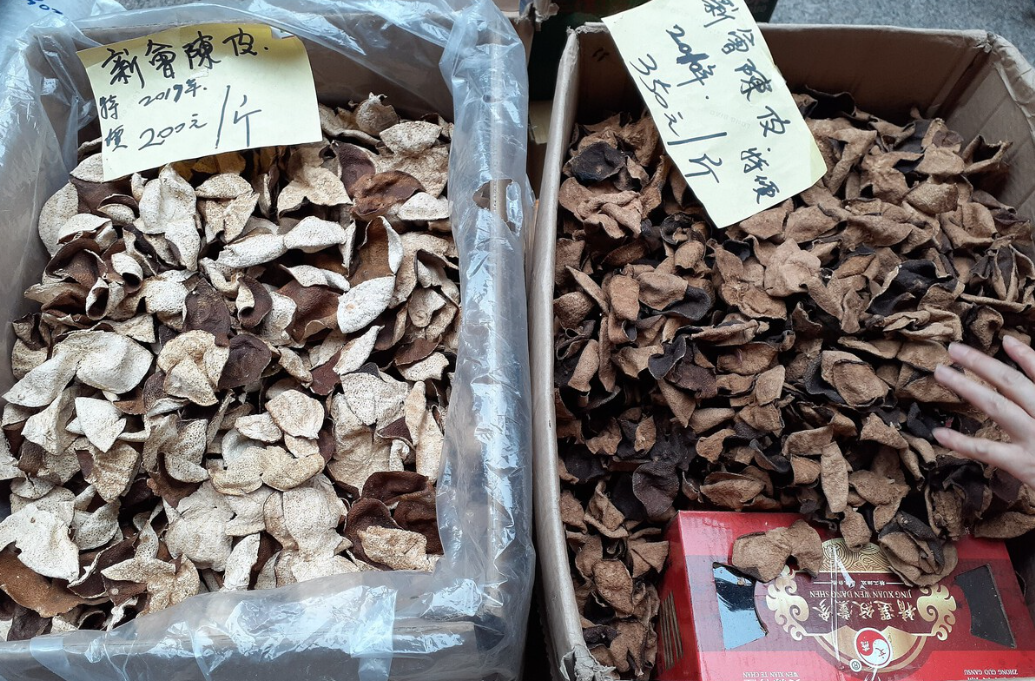
The Appreciation Of Chenpi Is Not Limited To Traditional Chinese Medicine. The Ingredient Has Become A Luxury Item In Haute Cuisine, Used By Renowned Chefs To Create Exclusive Dishes. Chef Li Chi Wai, From The Restaurant The Legacy House In Hong Kong, China, Is One Of The Major Enthusiasts Of Chenpi And Has Introduced Sophisticated Menus Based On This Ingredient.
Among The Most Exquisite Delicacies Are Fish Swim Bladder Soup With Head And Lamb Bones, Prepared With Chenpi Aged For Over 50 Years, And Stewed Grouper Fillet With Six-Year-Old Peel, Which Acquires A Sweet Flavor Due To Post-Winter Harvest. According To The Chefs, The Maturation Of Chenpi Provides A Gastronomic Experience Similar To The Appreciation Of Terroir In The Wine Industry.
The Economic Impact And Industry Growth
The Growth Of The Chenpi Industry In Xinhui Is Impressive. In 2023, The Marketing Of Orange Peels Generated About 23 Billion Yuan (US$ 3.2 Billion), Representing A Quarter Of Jiangmen’s GDP. The Sector Not Only Boosted The Local Economy But Also Created Thousands Of Jobs And Business Opportunities For Entrepreneurs.
One Of The Main Figures Behind This Rise Was Zhou Zhiwei, A Businessman Who Left Hong Kong In The 1990s To Invest In The Production Of Chenpi In His Hometown. Today, He Holds A Prominent Position In The Xinhui Chenpi Industrial Association And Moves Over 163 Tons Of This Ingredient Annually, Consolidating Xinhui As The World’s Largest Producer.









O Governo Brasileiro vai importar cocô humano chinês desidratado,é uma tradição milenar chinesa para alimentar porcos e no Brasil quem sabe alimentar jumentos.
É um ciúme do **** da China. Vamos aprender com esse povo de tradições milenares, e que nos tempos modernos dá exemplo de como se constroi uma nação rica e próspera.
Esse ouro e essas terras raras, são do Brasil, que o desgraçado do Lula vendeu pra China a troco de ****.