





 Portuguese
  English
  Spanish
  3 min of reading
  2 comments


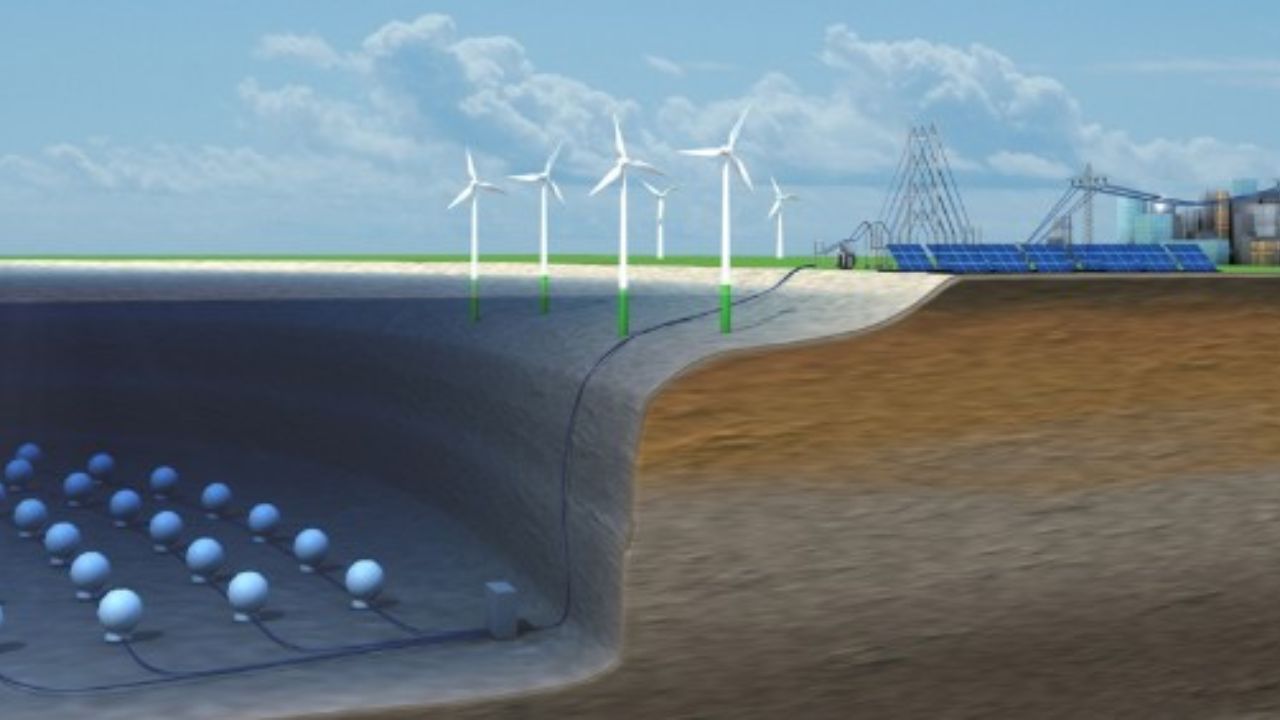

StEnSea Project Uses Ingenious Technology to Store Electricity from Sources like Solar and Wind, Tackling the Challenge of Intermittency and Driving the Future of Renewable Energy.
Germany is exploring an innovative frontier in renewable energy storage. Gigantic concrete spheres are being installed on the seabed. The aim is noble: to create an efficient system to store the excess electricity generated by clean sources, such as solar and wind, ensuring a more stable and reliable supply.
The Challenge of Storing Clean Energy and the German Solution
The transition to sources of renewable energy is crucial. However, the intermittency of these sources poses a significant challenge. The sun does not shine at night, and the wind does not always blow with the necessary intensity. To overcome this limitation, German scientists from the Fraunhofer Institute for Wind Energy and Energy System Technology (IWES) developed the StEnSea project (Stored Energy in the Sea). The initiative aims to effectively store large amounts of energy.
How Do the Giant Submerged Concrete Spheres Work?
The StEnSea system operates ingeniously, adapting the principle of pumped-storage hydroelectricity. The hollow concrete spheres, approximately 30 meters in diameter, are submerged at great depths in the sea. When there is excess renewable energy on the grid, this electricity is used to pump water out of the spheres.
-
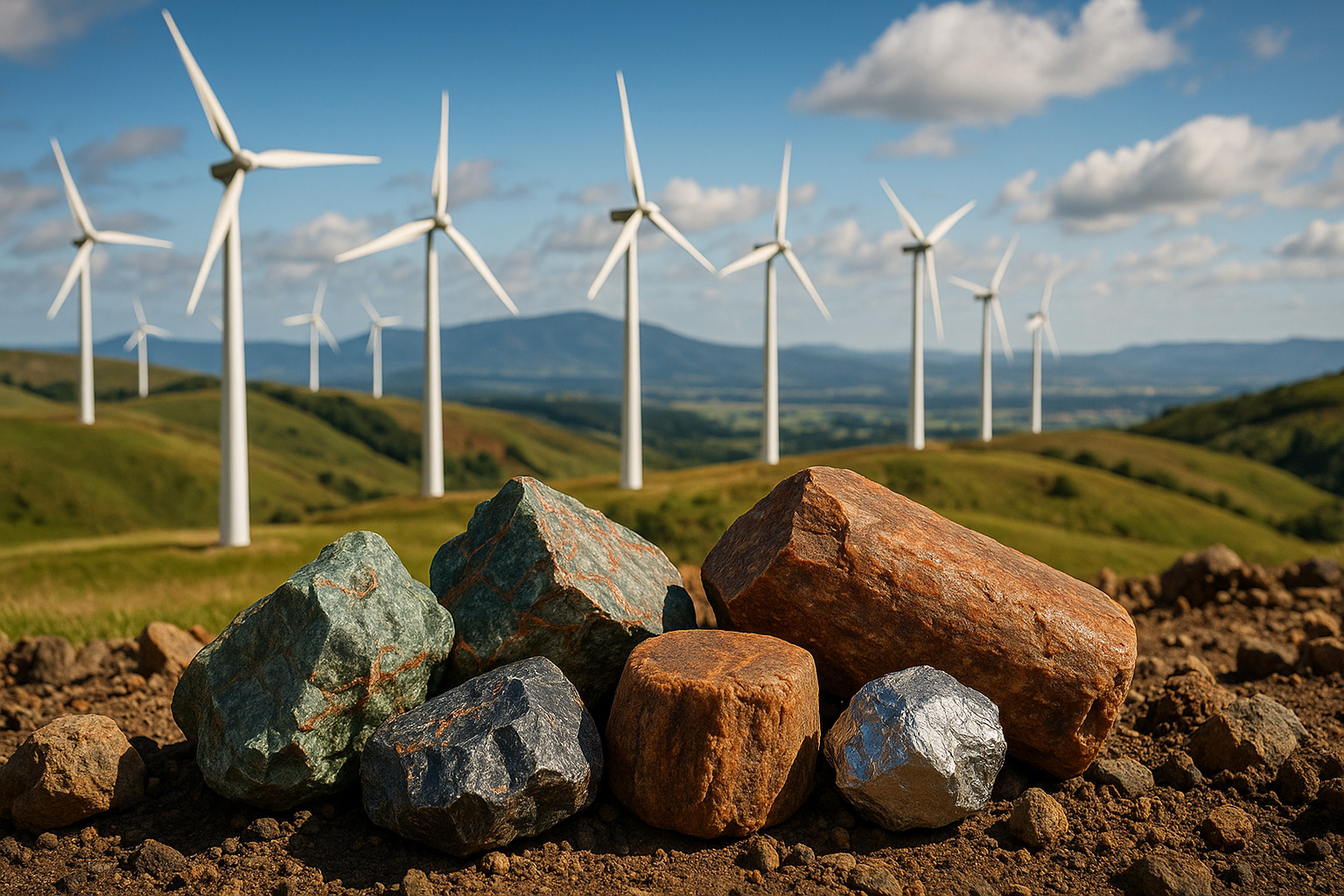
The Brazilian state accelerates industrial competitiveness with a focus on the extraction of strategic minerals to boost the energy transition in Goiás.
-
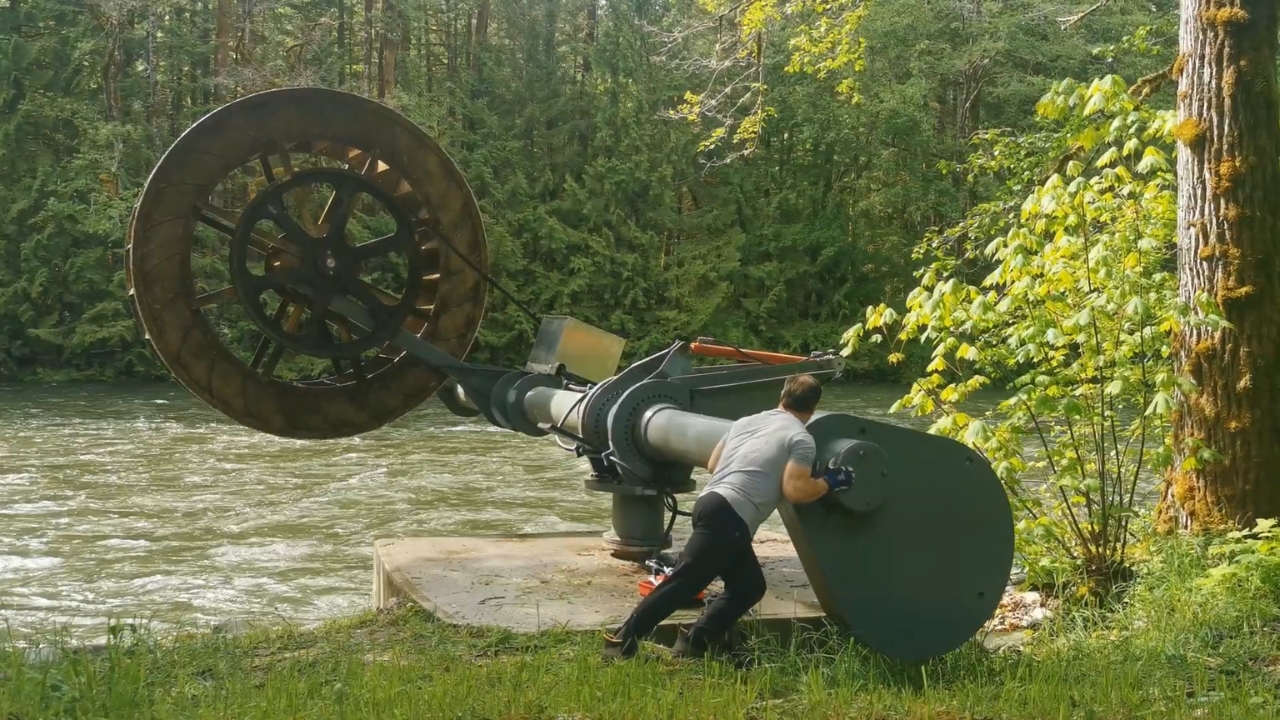
A Canadian retiree creates a hydroelectric system on a real river, generating energy continuously throughout the day and demonstrating how the power of water can supply a house with stability even in a simple structure.
-
Petrobras reaffirms its commitment to the market and ensures that it will carry out the energy transition safely to maintain national sovereignty.

-
Researchers discover a possible hydrogen deposit of up to 46 million tons beneath an ancient coal basin, and the volume could exceed half of the entire global production.


When the demand for energy increases or the output from renewable sources decreases, the water is released back into the spheres. As it flows, the water passes through an integrated turbine, generating electricity that is then sent to the grid. This process allows energy to be stored and made available as needed.
Potential and Advantages of the Innovative Storage System
Each of these giant spheres has the capacity to store up to 20 MWh (megawatt-hours) of energy. This represents a considerable amount, capable of powering a significant number of households. According to information from the Terra portal, the system’s efficiency increases with the depth of installation. Depths starting from 700 meters are considered ideal for optimizing the technology’s performance. The scalability of the project is another advantage, allowing for the installation of multiple modules according to storage needs.
Testing and the Future of Renewable Energy Stored at Sea
A prototype of the StEnSea system has been successfully tested at Lake Constance in Germany. The results demonstrated the technical and operational viability of the concept. These tests were crucial in validating the technology’s potential as a practical solution for large-scale renewable energy storage.
By investing in solutions like the submerged concrete spheres, Germany reinforces its commitment to innovation and sustainability. This project represents an important step towards enabling a future where renewable energy can be harnessed continuously and reliably, overcoming the challenges of its intermittent nature.








Eu sugeriria o contrário. Bombear a água para um local mais alto em um reservatório, e depois gerar energia com a água descendo nas turbinas.
Isso inunda grandes terrenos, requer muito espaço, arrasam com a flora e a fauna entre outros tantos problemas, inclusive monetários.