





 Portuguese
  English
  Spanish
  5 min of reading
  1 comment


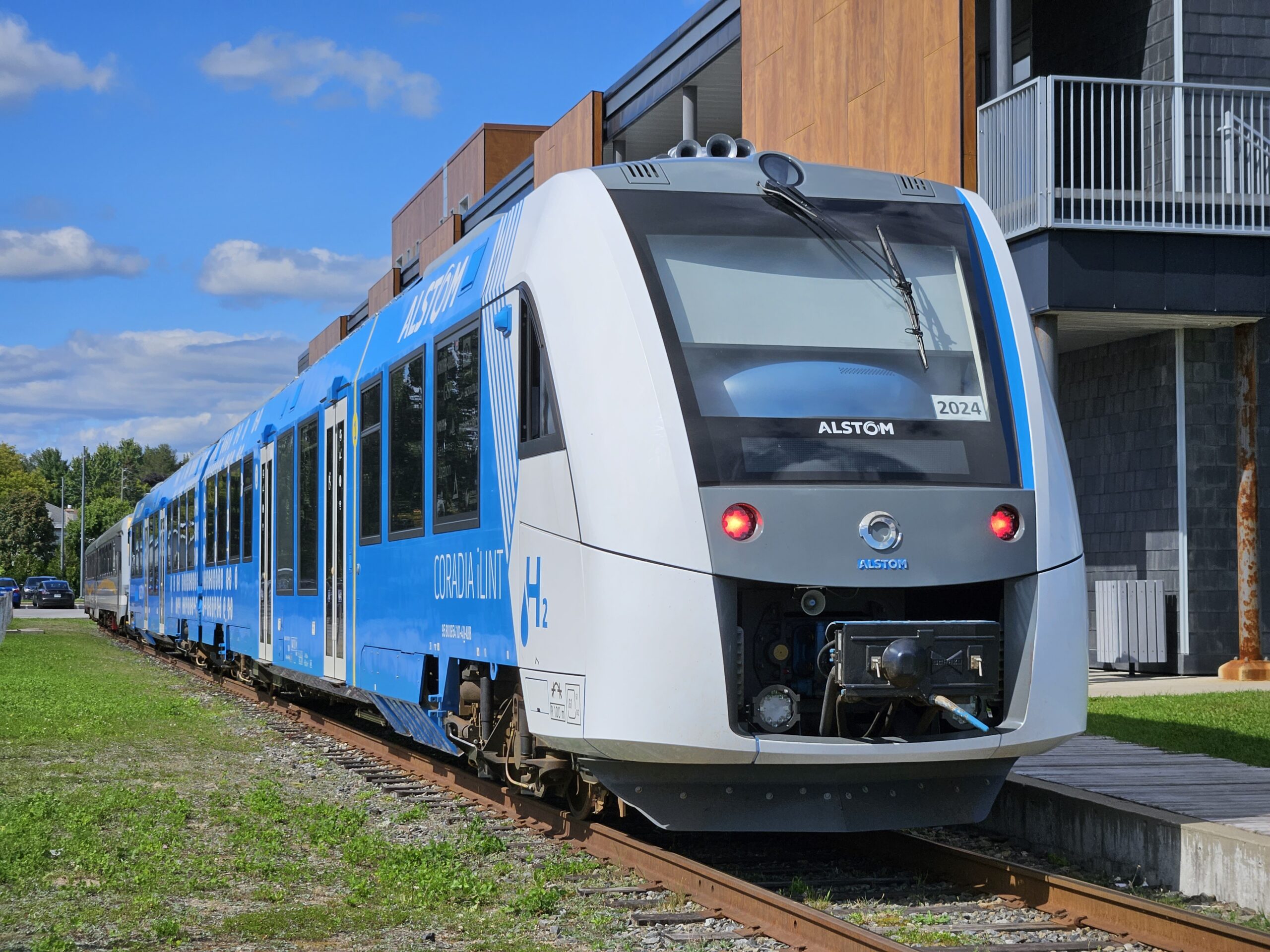

Germany Tests Hydrogen-Powered Train With Range of 1,100 km and Speed of 140 km/h. Innovation May Signal the End of Diesel in European Rail Transport.
Germany is about to forever change the way trains move. Amid growing pressure to decarbonize transport and eliminate the use of fossil fuels, the European country has begun testing a new hydrogen train with a range of 1,100 km, capable of reaching speeds of up to 140 km/h. More than just a technological innovation, it represents a milestone in global rail innovation—and an indication that the end of diesel in rail transport may be closer than previously thought.
The project is being led by German railway companies in partnership with giants in the sustainable mobility sector, supported by environmental public policies and government subsidies. The vehicle was developed to operate with hydrogen fuel cells, meaning its only byproduct during operation is water vapor.
What Is the Hydrogen Train Being Tested in Germany?
The model being tested in Germany is the Coradia iLint, developed by the French company Alstom, in cooperation with German railway operators and under the regulation of the Federal Railway Transport Agency. The train is the world’s first to enter regular operation with hydrogen fuel cell technology.
-
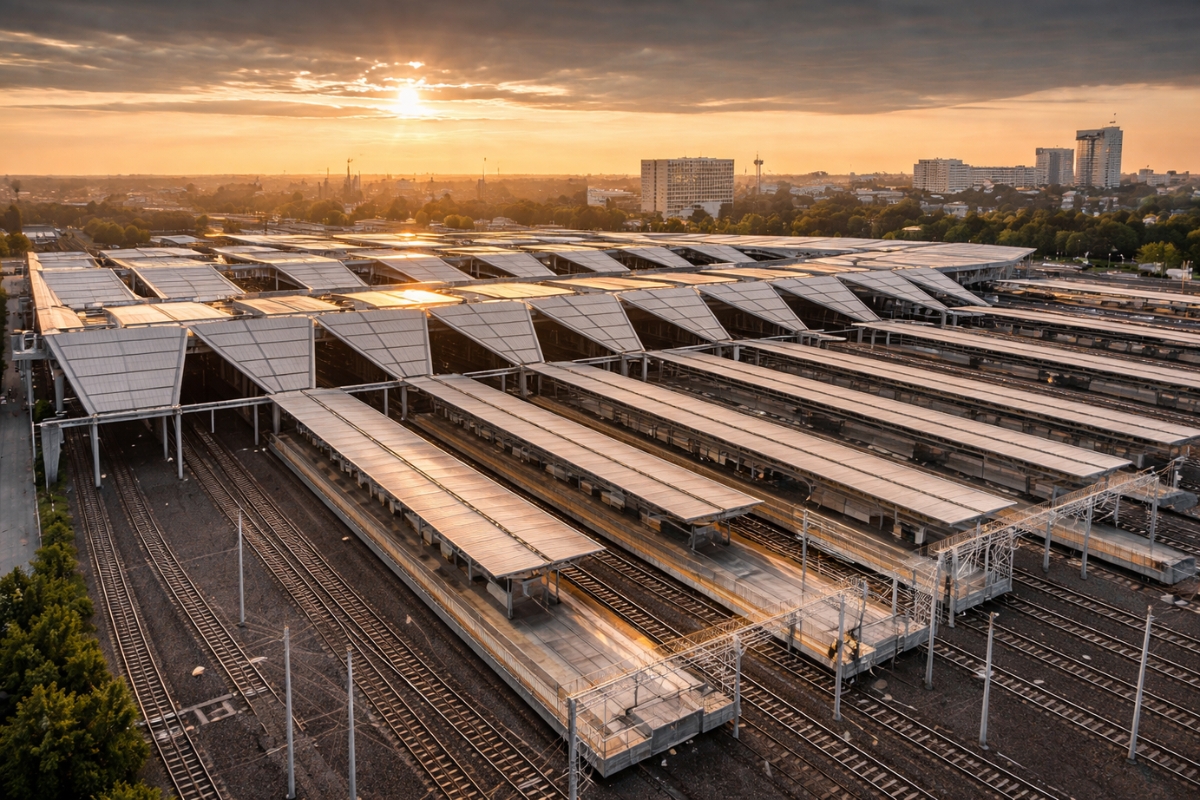
In A European City, The Country’s Largest Railway Junction Was Modernized Without Closing Its Doors, Kept Trains Running During Years Of Construction, Now Serves Up To 60,000 Passengers Per Day, And Installed Solar Panels That Generate About 30% Of Its Energy
-
Famous Brazilian Railway May Become a Parking Lot

-
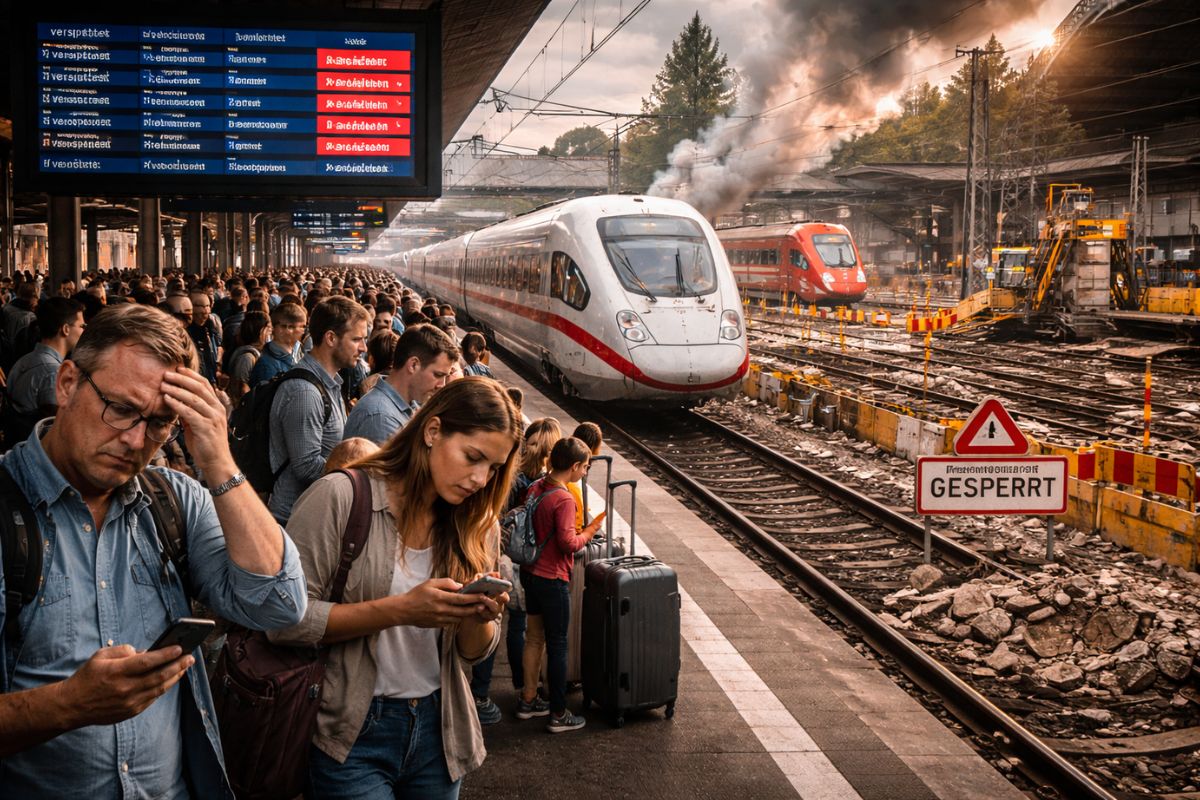
The Country of “Punctual As a Train” Admits It Has Lost Control: High-Speed Trains Delay, Stop, Disappear from the Map and Turn 6-Hour Trips into 10, While Deutsche Bahn Promises Restructuring in 2026 But Faces 19th Century Infrastructure, Staff Shortages and Sections Closed for Months
-
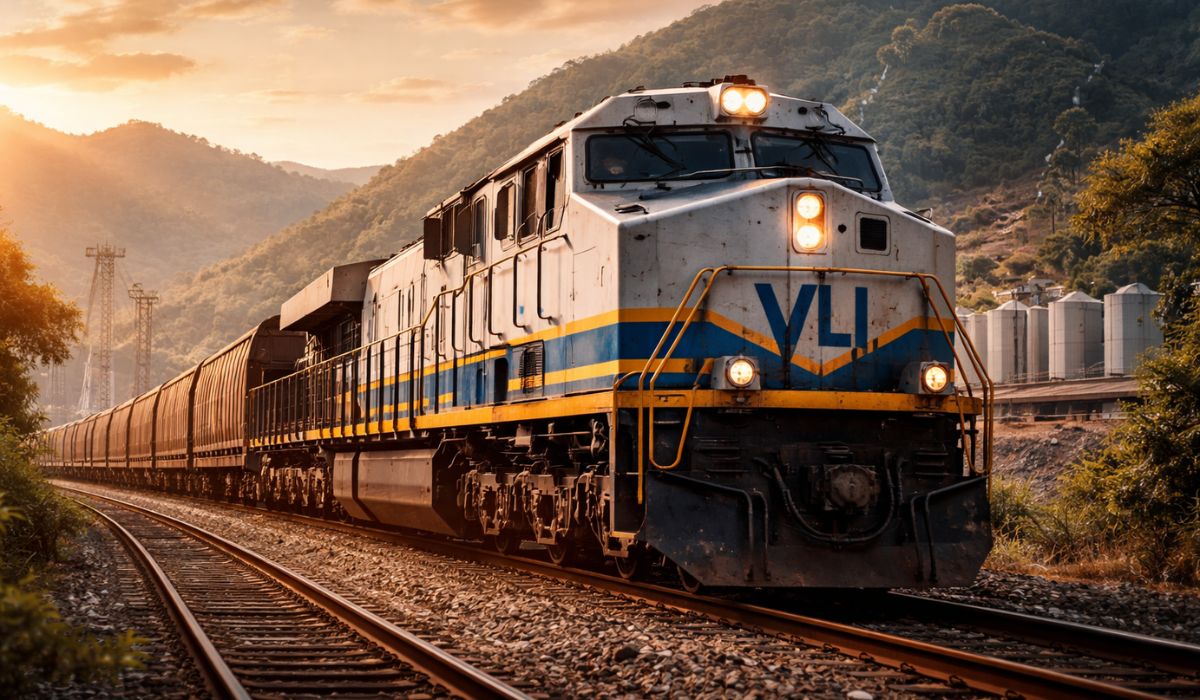
With an Investment of R$ 700 Million in One of the Country’s Main Rail Networks, VLI Reinforces Infrastructure, Receives 8 New Locomotives, and Expands the Corridor Connecting 7 States, Boosting Jobs and the Transportation of Grains, Ore, and Oil Products to the Port of Santos

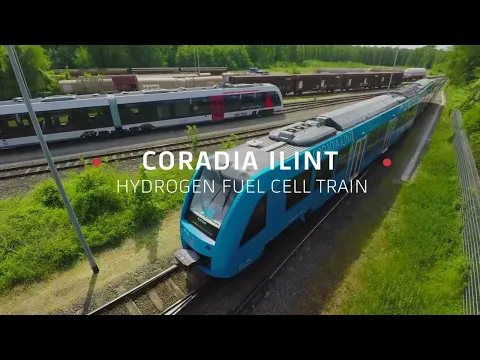

This fuel cell converts hydrogen stored on board into electricity, powering electric motors and emitting only vapor and condensed water. It is a clean, quiet, and highly efficient alternative compared to traditional diesel trains that still dominate non-electrified lines across Europe.
Range of 1,100 km and Speed of 140 km/h: Performance That Impresses
The Coradia iLint was designed to offer long autonomy without refueling, making it ideal for regional routes where electrification of tracks would be expensive or unfeasible. According to Euronews Green, the model in testing achieves an impressive range of up to 1,100 kilometers, allowing it to operate throughout the day without the need for recharging.
Additionally, the train is capable of reaching speeds of up to 140 km/h, comparable to conventional diesel trains. This eliminates the performance disadvantage and reinforces the viability of hydrogen as a real solution in rail transport.
The End of Diesel in Rail Transport: An Irreversible Trend?
Currently, more than 40% of railway lines in Europe still use diesel trains, especially in rural areas and mountainous regions where electrification is economically unfeasible. However, with advancements in hydrogen technology, Europe sees a clear opportunity to reduce carbon emissions, improve air quality, and meet its climate goals.
Germany, one of the leaders in environmental policy on the continent, has taken the lead in introducing the first commercial hydrogen-powered trains, with operational lines in the state of Lower Saxony since 2022. The new generation being tested aims to expand use to other regions, including Baden-Württemberg and Hessen, according to Deutsche Welle (DW).
How Does Hydrogen Fuel Cell Technology Work?
The propulsion of the hydrogen train is based on a fuel cell system, where hydrogen stored in pressurized tanks reacts with oxygen from the air to generate electricity. This electricity powers the train’s motors and auxiliary systems.
Key Technical Advantages:
- Zero CO₂ emissions;
- Low operational noise;
- Lower infrastructure cost (compared to electrification of tracks);
- Fast refueling (about 15 minutes);
- Direct replacement of existing diesel trains.
The only emission from the train during operation is water vapor, completely eliminating the atmospheric pollutants associated with diesel combustion.
Infrastructure and Logistics: How to Refuel Hydrogen Trains?
The deployment of hydrogen-powered trains requires a network of specific refueling stations, usually installed near railway depots. Alstom and its German partners have built one of the largest hydrogen refueling stations in the world in Bremervörde, capable of servicing multiple trains simultaneously.
This infrastructure is being expanded to other strategic points, with public investments and participation from companies like Linde (specialized in industrial gases). Germany sees rail transport as one of the pillars to foster the hydrogen economy in the country.
Hydrogen Economy in Germany: Transport as a Growth Driver
The use of hydrogen in rail transport is part of a larger strategy by the German government to become a global leader in clean technologies and sustainable energy. According to DW, the country plans to invest over € 9 billion in green hydrogen by the end of the decade.
The rail sector plays a fundamental role in this plan, as it represents one of the few segments where the replacement of diesel with hydrogen is technically feasible with immediate impact. Furthermore, transport by trains accounts for a significant share of greenhouse gas emissions in Europe.
The replacement of diesel trains with hydrogen-powered trains could drastically reduce emissions in the sector. A conventional diesel train can emit up to 2,400 tons of CO₂ per year, according to the European Environment Agency.
With hydrogen trains, this emission drops to zero, provided that hydrogen is produced from renewable sources—the so-called green hydrogen, obtained through electrolysis of water using solar or wind energy.
Current Challenges and Limitations of the Technology
Despite promising advances, hydrogen trains still face some operational and logistical challenges, such as:
- High cost of producing green hydrogen;
- Need for extensive refueling infrastructure;
- Lower energy efficiency compared to conventional electric trains;
- Low availability of hydrogen in some regions.
For these reasons, experts such as the technical consultants from Railway Technology highlight that the technology will be complementary to electrification, rather than a universal substitute.
Future Perspectives: Hydrogen as a Global Solution?
The adoption of hydrogen trains is not exclusive to Germany. Countries such as France, Italy, the United Kingdom, Japan, and the United States are also in advanced phases of testing and implementation. Alstom has already signed contracts to export the Coradia iLint to Austria, the Netherlands, and Canada.
According to Euronews Green, Germany’s success could accelerate the global acceptance of the technology and reduce unit costs as production scales up.
Is the Hydrogen-Powered Train the Future of Rail Transport?
With an impressive range of 1,100 km, competitive speed, and zero emissions, the new hydrogen train tested in Germany represents a technological and environmental leap. The proposal is not only to replace diesel but also to redefine the role of rail transport in the global energy transition.
By combining rail innovation, environmental sustainability, and operational viability, Germany shows that hydrogen has real potential to shape the future of mobility—not only on tracks but across all transport modes seeking clean and efficient solutions.









I do trust all the ideas youve presented in your post They are really convincing and will definitely work Nonetheless the posts are too short for newbies May just you please lengthen them a bit from next time Thank you for the post