





 Portuguese
  English
  Spanish
  3 min of reading


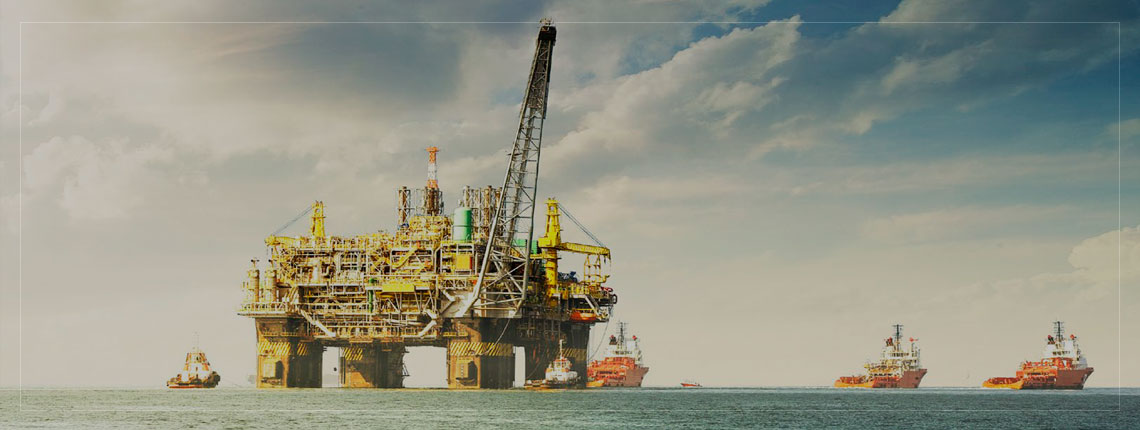
During Meeting, Alerj Announced It Will Seek Closer Relationship With Petrobras and IBP This Semester to Ensure Attraction of Investments in the Oil and Gas Sector
On the last Wednesday (07/07), during a meeting of the fluminense Parliament, it was announced that Alerj (Legislative Assembly of the State of Rio de Janeiro) will seek a closer relationship with the Brazilian Institute of Oil and Gas (IBP) and Petrobras this semester to ensure the attraction of investments in the oil and gas sector for the state of Rio de Janeiro. See also: ANP Reports That The Oil and Gas Sector Should Receive Investments of R$ 6.4 Billion by The End of This Year
- Multinational General Motors Suspends Production at SP Factory and 250 Metalworkers Have Contracts Suspended
- Nestlé, The Largest Food and Beverage Company in The World, Calls for Candidates With and Without Experience for Positions in RJ, MG, SP and Other Brazilian Regions
- Ethanol Plant in Campos dos Goytacazes, Rio de Janeiro, Is Authorized to Resume Operations
- Aerospace Engineering Portal Is Offering 6 Free Online Courses This Day 08
- Pre-Salt: According to MME, The Sépia and Atapu Blocks in The Santos Basin Could Attract Investments of R$ 204 Billion
Alerj Seeks New Investments for The Oil and Gas Sector in Rio de Janeiro
Deputy André Ceciliano stated that Alerj needs to make all efforts to be closer to IBP and Petrobras. According to him, the moment is to sit at the table and seek investments for the state of Rio de Janeiro and take advantage, for instance, of the potential of the Metropolitan East and Baixada Fluminense in utilizing oil and natural gas in industrialization.
André also emphasized that a company has already requested authorization to create a processing unit along the Metropolitan Arc, and it is important to enable this industry in Rio de Janeiro so that gas does not leave the state’s hands without taking advantage of the resources.
-
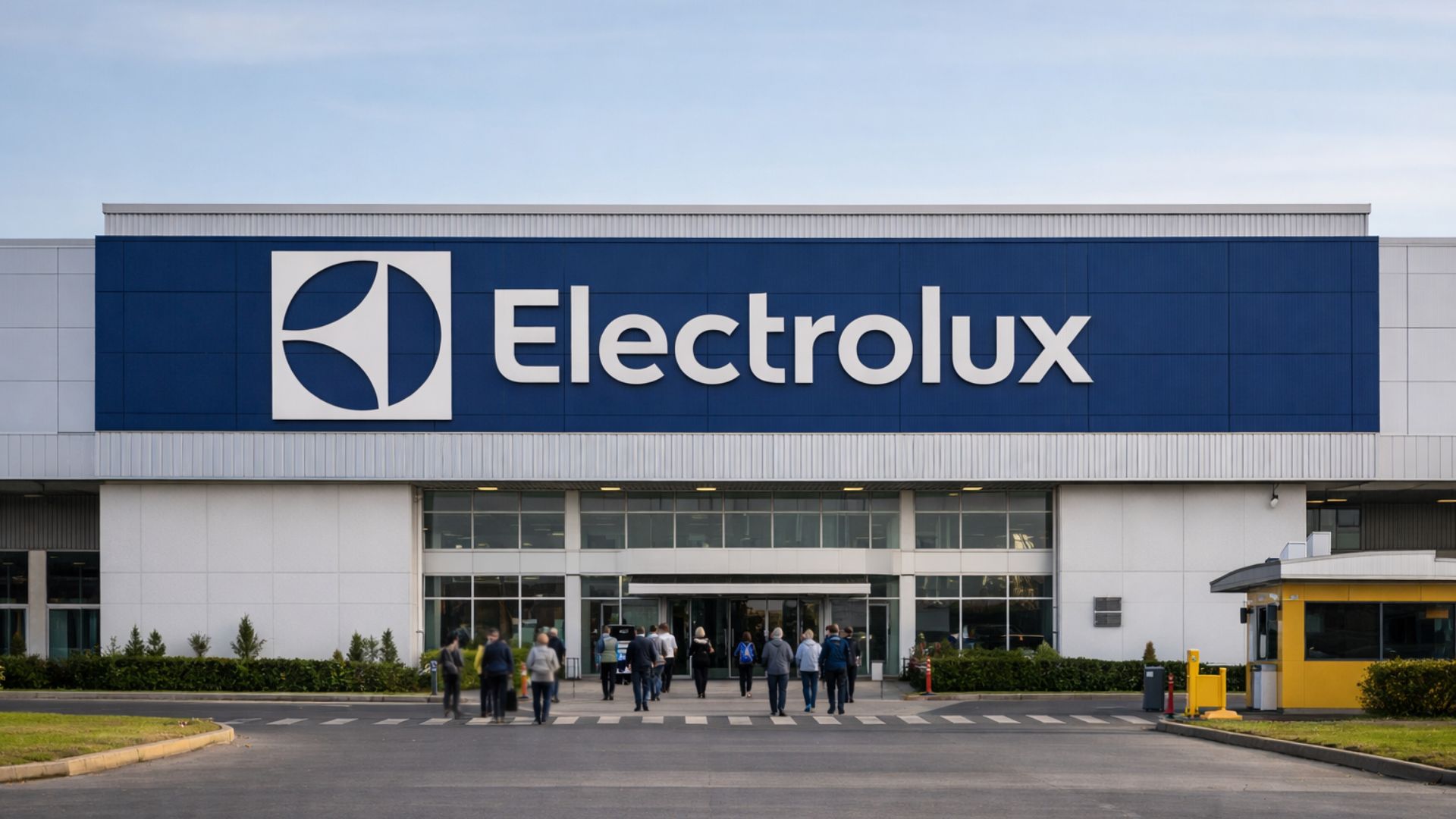
Electrolux surprises, closes colossal factory and lays off 400 people in a mass dismissal that will have a direct effect later this year, following a cost review, with an impact of R$ 272.5 million and R$ 109 million in cash in Chile.
-
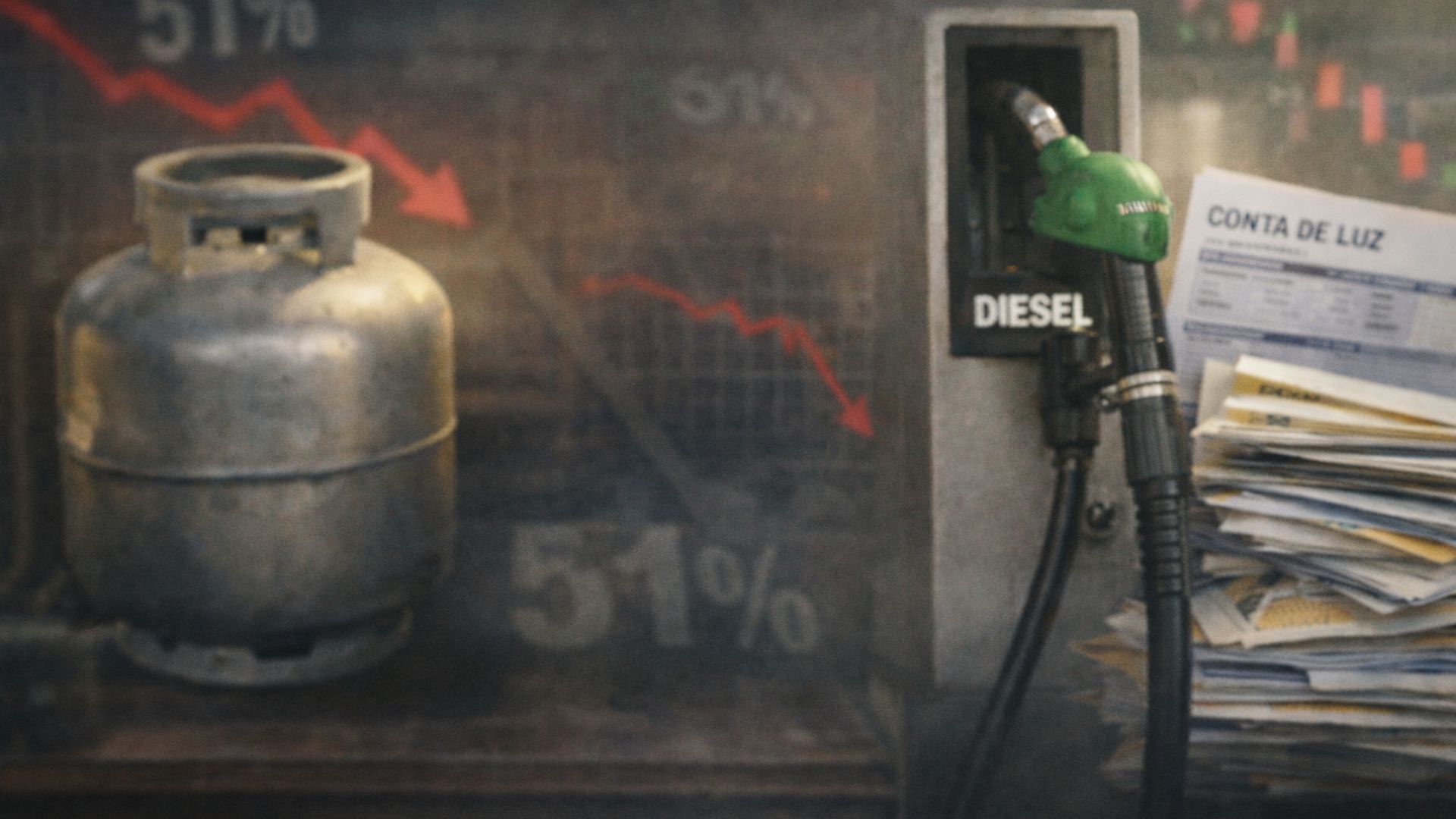
The Lula government is pursuing re-election and is therefore preparing a package with discounts of up to 80% on debts, subsidies for diesel, gas for 15 million, and energy, after reaching 51% disapproval six months before the election.
-
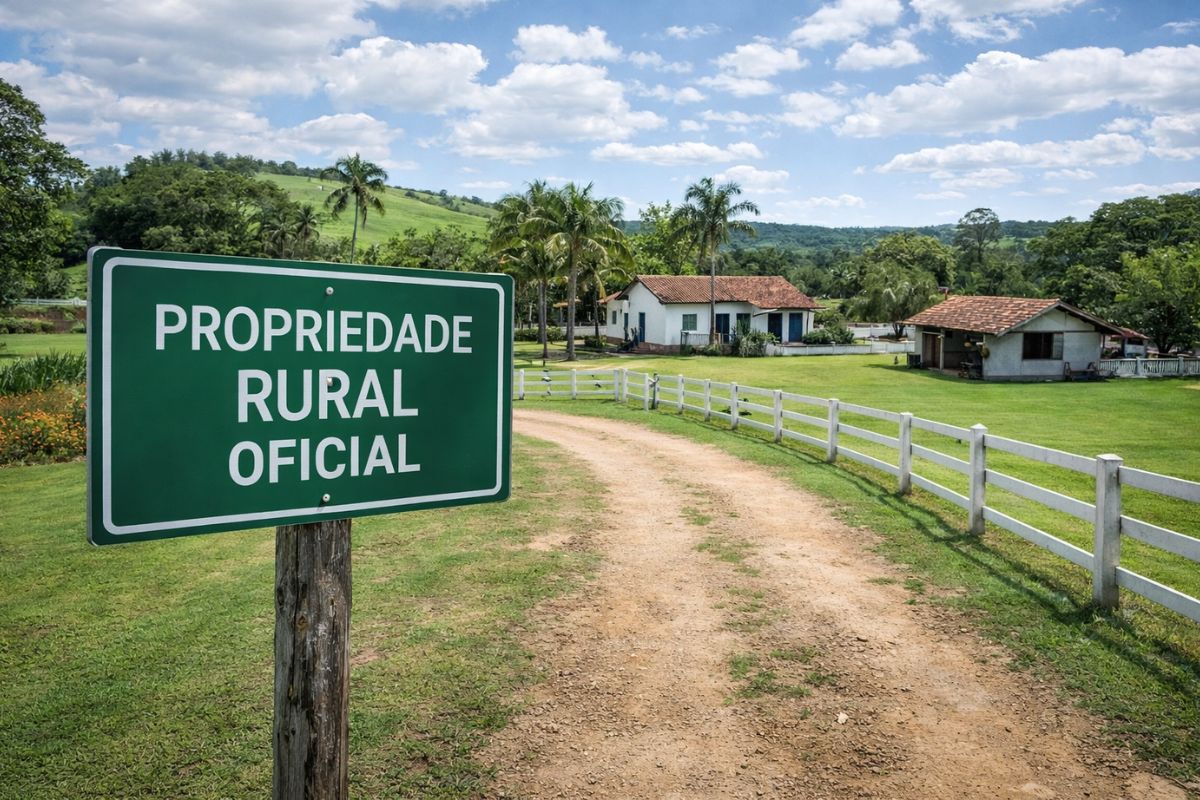
The chamber approves a project that transforms plots of up to 2,000 square meters into official rural properties, allowing thousands of small producers who were invisible to the government to now access credit, tax exemptions, and technical assistance.
-
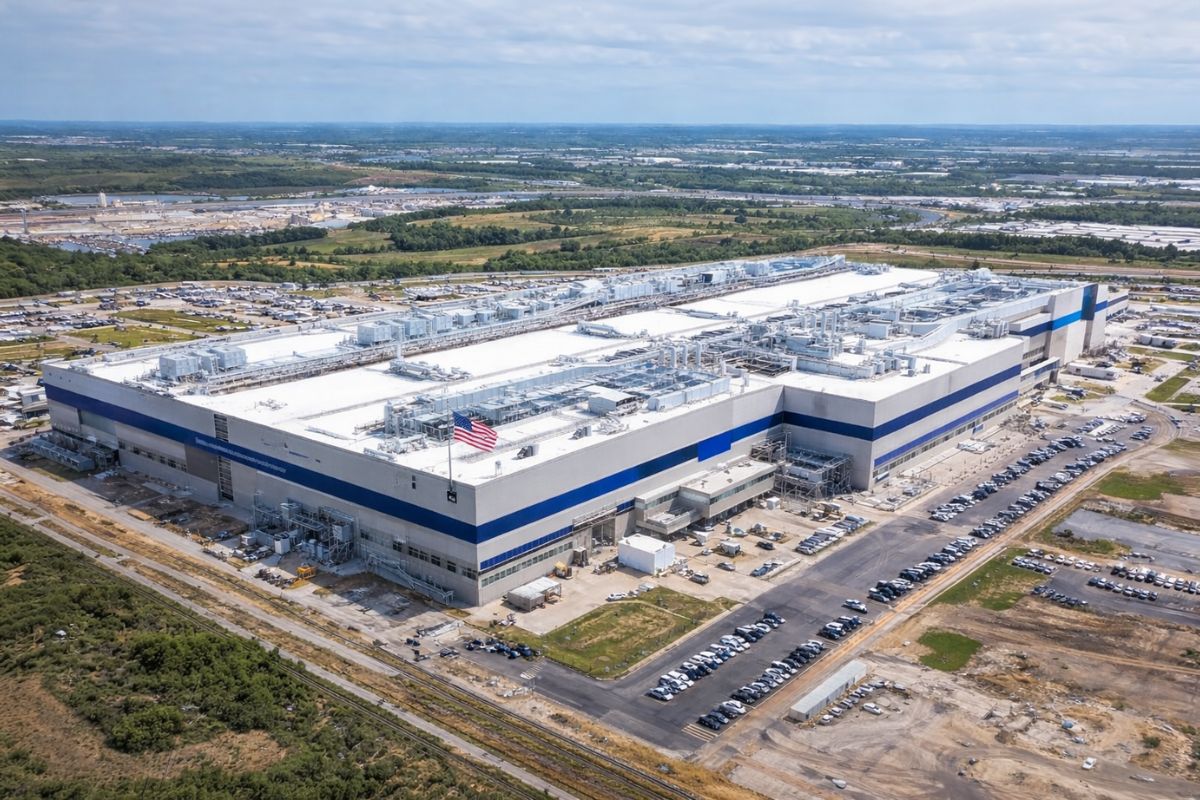
Factory 52, in the USA, cost over $5 billion, covers 270,000 square meters, and manufactures cutting-edge chips: it was named Project of the Year by the world’s largest engineering magazine, marking the global race for semiconductors.
During Alerj’s meeting, it was also emphasized that the state of Rio de Janeiro accounts for 80% of the oil extracted in the country, but only 20% of the suppliers in this production chain are located in the state. More than 50% of the natural gas produced in Rio is reinjected into the system, thus not entitled to royalties and special participation from these operations.
Growth Forecast for The Coming Years
Although the world is seeking to transition to a clean matrix, oil, gas, and coal still account for 84% of primary energy used. Currently, the state of Rio de Janeiro produces 3.8 million barrels of oil per day and is expected to produce 4.5 million by 2030. This growth is expected to generate pressure for port facilities. A member of Alerj’s Fiscal Advisory, engineer Magda Chambriard estimates that 25 platforms and 80 support boats will be needed to support this increase.
“When we talk about oil in Brazil, we see that 80% is produced in the state of Rio and 94% by Petrobras. This duo must work together as inseparably as Cosme and Damião for the next decades. Therefore, we need a structured project for the oil sector in Rio, with a clear management model. Only then will Rio be able to truly be called the Brazilian capital of oil,” emphasized the member of Alerj’s Fiscal Advisory, engineer Magda Chambriard.
See Also: Sinaval Proposes That Local Content Goes From 25% to At Least 40% During Alerj Hearing
During a public hearing of the Naval Industry Commission of the Legislative Assembly of Rio (Alerj), Sinaval (National Union of the Naval Construction Industry) presented suggestions so that the Brazilian shipbuilding sector can grow again. The union proposed the following parameters: developing a state policy for the sector; resuming local content with an index higher than 25% – with an intermediary proposal of at least 40%; as well as better interest rates and terms.
The chairwoman of the Commission, Deputy Célia Jordão (Patriota), emphasized during Alerj’s hearing that most of Petrobras’s shipbuilding works have been directed to Korean and Chinese shipyards, and only a very small portion of the construction remains in Brazil, resulting in a large number of unemployed people.








Seja o primeiro a reagir!