





 Portuguese
  English
  Spanish
  3 min of reading
  0 comments


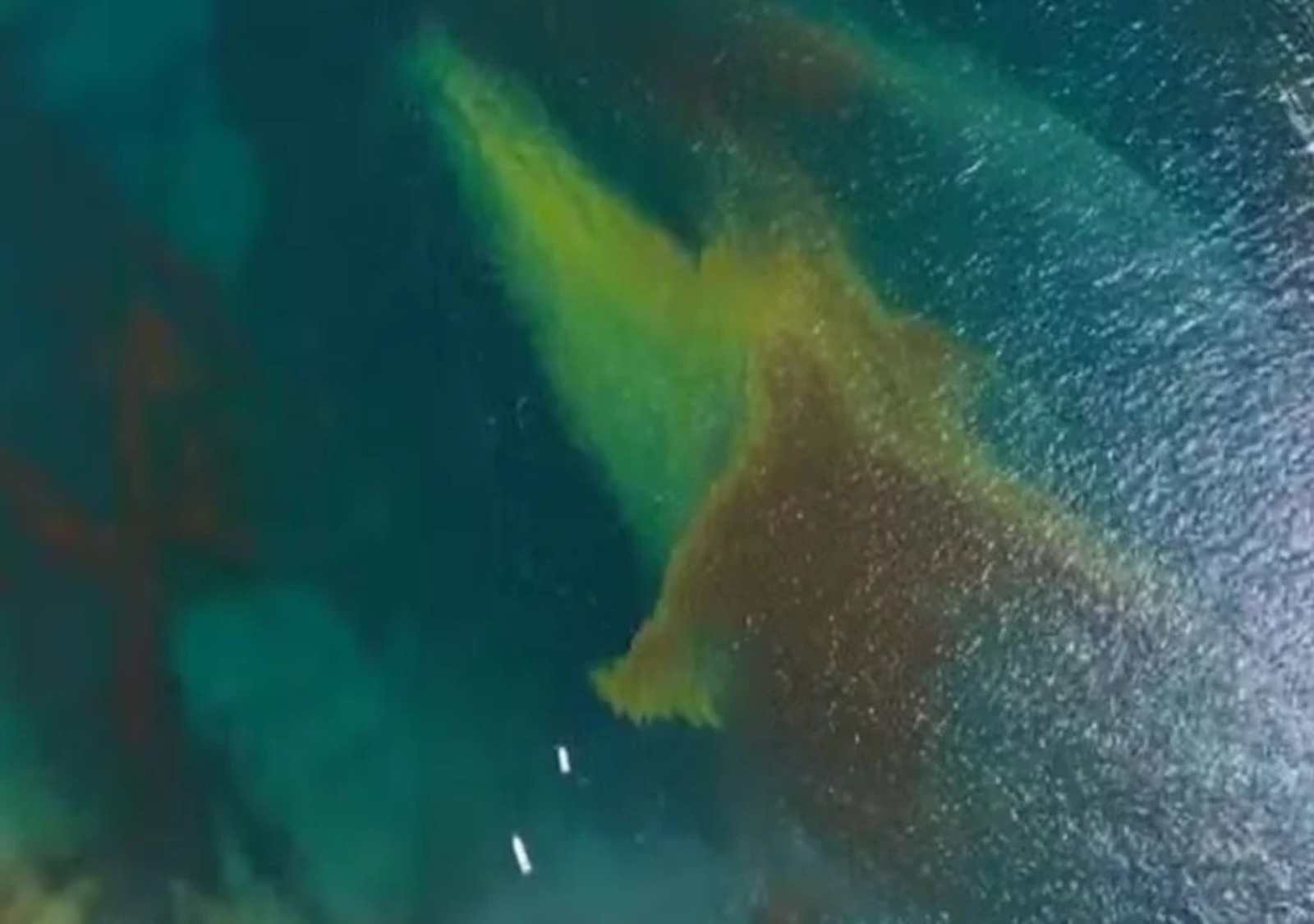
Red stain in the sea of Ilhabela hits Curral and Veloso beaches, mobilizes Cetesb and elevates environmental and sanitary alert
A red tide has advanced this week over the tourist beaches of Ilhabela, on the North Coast of São Paulo, approaching the sand at Curral and Veloso and raising the alert of residents and environmental authorities due to ecological and public health risks.
Stain in the sea sparks alert
The appearance of the extensive red band in the sea of Ilhabela mobilized technical monitoring after the intense coloration was observed at various points near the sandy shore.
The phenomenon drew attention due to its visual density and its advance over tourist areas in the southern region.
-
Is a smart plug worth it in a regular home? What does it offer: turns on and off via smartphone, creates routines by schedule, prevents forgotten devices, sometimes monitors consumption, and improves habits without renovation or miracles.

-
Airbus and Mercedes take the G-Class to the skies: the ACH145 helicopter priced at R$ 78 million debuts in São Paulo, unit goes to Brazilian, AMG cabin, 5-blade rotor, and a 2-year wait.
-
New material could change everything: it is the thickness of an atom, 200 times stronger than steel, and 100,000 times thinner than a human hair.

-
A new study published in Nature reveals that the SLIT3 protein can increase calorie burning by activating brown fat in the body, functioning as a kind of “biological switch.”


The main line of investigation points to red tide, associated with the uncontrolled proliferation of microalgae.
Teams from the Environmental Company of the State of São Paulo collected samples in the São Sebastião Channel to confirm which microorganism is involved in the recorded episode.
What may explain the phenomenon
Scientifically classified as Harmful Algal Bloom, red tide occurs when environmental conditions favor the explosive growth of phytoplankton.
Despite the name, the water does not always turn red and can take on brown or yellowish tones, depending on the pigmentation.
Among the factors pointed out for this process are changes in water temperature and excess nutrients.
These nutrients may originate from sewage or fertilizers, creating a favorable scenario for the population increase of microorganisms in the marine ecosystem of the region.
Environmental and food risks
The concentration of these algae, especially the dinoflagellate Gonyaulax catenella, reduces the availability of oxygen in the water.
This effect can lead to the death of fish and other animals, as well as affect the ecological balance in coastal areas impacted by the red tide.
Some species also release natural toxins capable of contaminating shellfish and crustaceans consumed by the local population.
Therefore, health authorities advise against the consumption of filter-feeding seafood, such as mussels and oysters, harvested from areas under the influence of the bloom.
Guidelines and continuous monitoring due to the red stain
For bathers and residents, the immediate recommendation is to avoid contact with the water in the affected areas.
Exposure can cause respiratory and eye irritations, as well as coughing, sneezing, and discomfort in the mucous membranes, especially in people with asthma or higher sensitivity.
Cetesb reported in an official statement that it continues to monitor the movement of the stain to update guidelines according to the laboratory results of the collected samples.
Until the confirmation of the dissipation of the algae, health and environmental surveillance remains intensified throughout the southern region of Ilhabela.
With information from Tempo.com.






Seja o primeiro a reagir!