





 English
  Francês
  Alemão
  Italiano
  Japonês
  Norueguês
  Portuguese
  Spanish
  7 min of reading
  0 comments


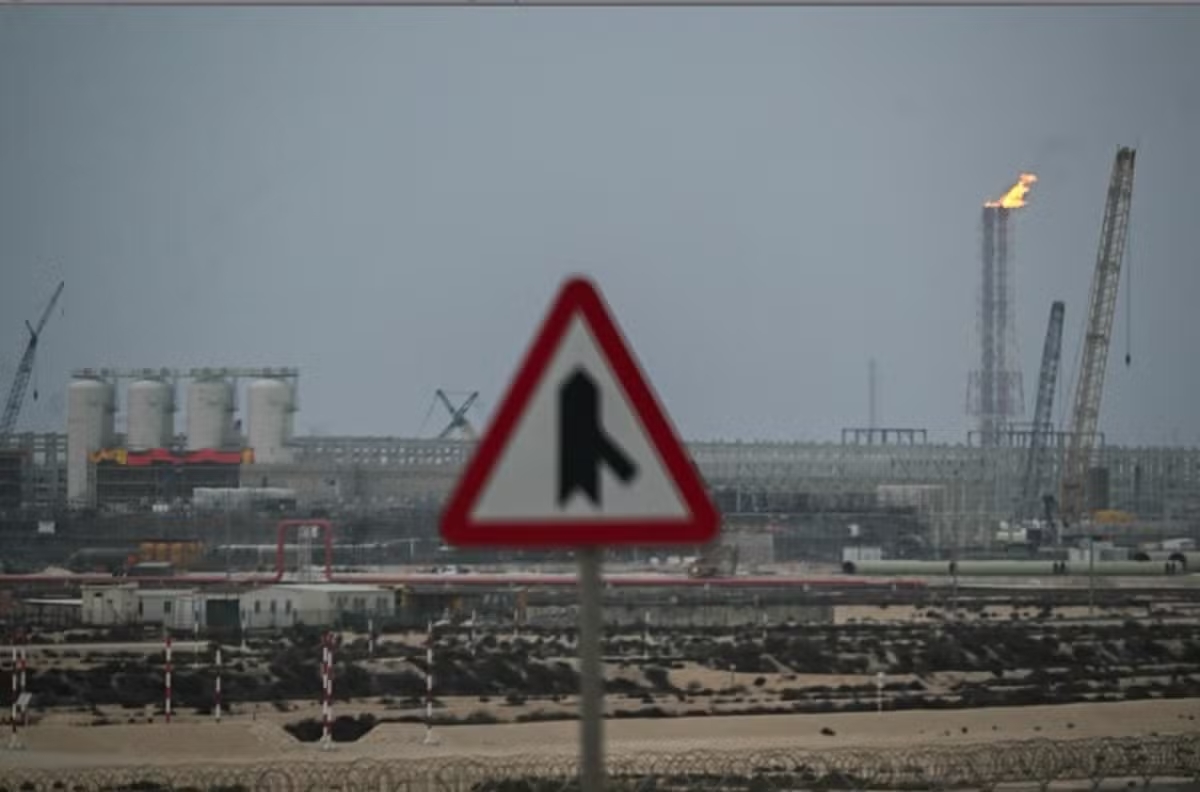
The advance of a high-category cyclone forced the immediate suspension of activities at important plants in Australia, disrupting the extraction and processing of liquefied natural gas (LNG) in one of the most strategic producing regions on the planet.
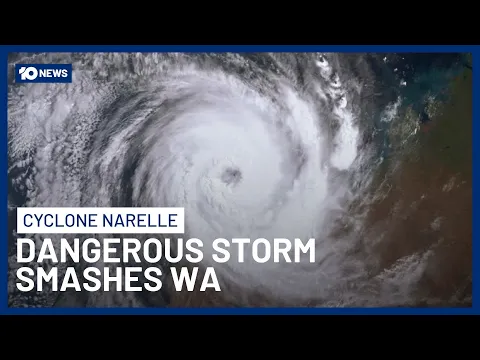
A severe tropical cyclone hit the northwest coast of Australia this Friday (27), causing a total interruption of operations at several plants in Australia responsible for exporting liquefied natural gas (LNG).
Local authorities issued evacuation alerts for offshore platform workers and land-based industrial complexes due to winds exceeding 200 km/h. The paralysis directly affects the energy flow to the Asian and European markets, generating an immediate reaction in international fuel prices.
The operating companies decided on the preventive closure of production valves and the demobilization of non-essential personnel to ensure the safety of teams and the integrity of equipment.
-
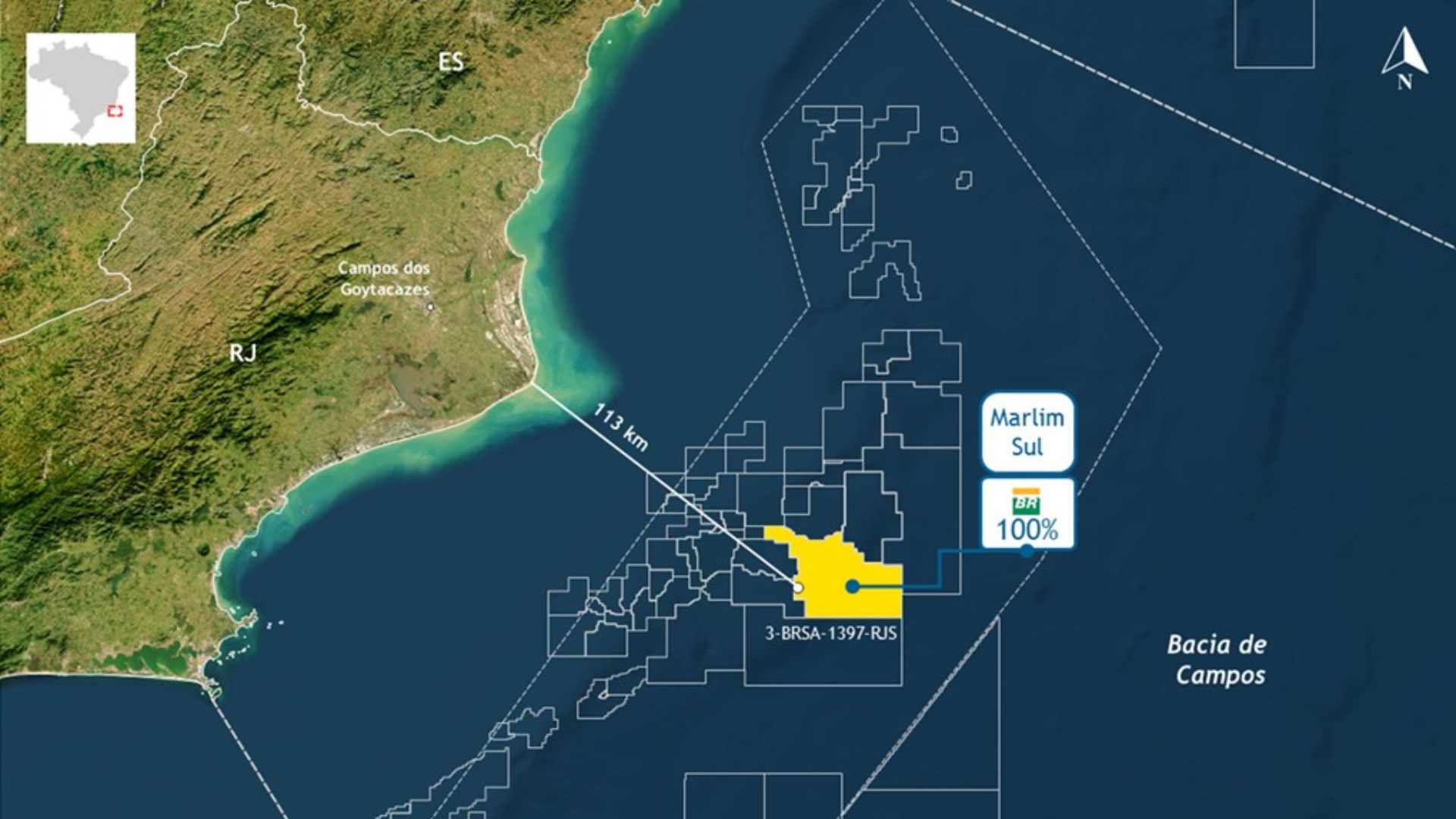
Petrobras finds high-quality oil in the pre-salt at 113 km from RJ and reignites expectations about strategic reserves in the Campos Basin.

-
Ocyan opens registrations for startups focused on innovation in the oil and gas sector and will select projects for Innovation Day with the support of Nexio.

-
Petrobras announces new oil discovery in the pre-salt of the Campos Basin and reinforces Brazil’s prominence with high-quality reserves that can increase production and energy revenues.
-
Alert in the fuel market: Analysts and a former director of ANP warn that oil prices may worsen in the coming months due to global instability.

Geologists and meteorologists are monitoring the trajectory of the phenomenon, which threatens to cause severe flooding and structural damage at LNG ship loading terminals. This extreme weather event reinforces the vulnerability of global energy infrastructure in the face of increasingly frequent and intense natural disasters in the Pacific region.
The immediate impact of the interruption at plants in Australia on the LNG market
The shutdown of plants in Australia creates a cascading effect in the energy market, as the country holds the title of one of the world’s largest exporters of LNG. When processing units stop, global supply suffers a sudden reduction, forcing buyer countries to seek opportunity loads in other regions, such as the United States and Qatar.
This movement raises price volatility in trading hubs, impacting energy bills for industries and households around the world. Oil and gas sector analysts note that Australia supplies nearly half of the gas consumed by industrial powers, such as Japan and South Korea, making any operational pause a risk to the energy security of these countries.
In addition to price, shipping logistics also face significant disruptions. LNG carriers waiting to load at Australian terminals now need to move to deep waters or anchor in safe ports, awaiting the storm’s dissipation.
This delay disrupts the global delivery schedule, creating a bottleneck that may take weeks to normalize after the cyclone passes. The operating companies of the plants have not yet released a return schedule, as resumption depends on a thorough assessment of damage to gas cooling and compression systems once the winds cease.
Operational safety and evacuation protocols in the energy sector
The absolute priority of the companies managing the plants in Australia lies in preserving the lives of employees. The safety protocols of the oil and gas sector provide for the total evacuation of offshore platforms and the isolation of storage tanks when a severe category cyclone approaches. Helicopters and support vessels have worked intensively over the past 48 hours to evacuate hundreds of workers from risk areas.

At the onshore units, teams are performing a so-called “safe shutdown,” a complex process that shuts down heavy machinery and reduces the internal pressure of hydrocarbon transport pipelines to prevent explosions or leaks in case of structural damage.
The structures of Australian plants are engineered to withstand strong winds, but the force of water and coastal erosion worry engineers. The accumulation of debris and the potential entry of saltwater into sensitive components can cause corrosion and permanent electrical failures.
Therefore, the reactivation of systems never happens automatically. Specialists conduct hydrostatic tests and integrity checks on every kilometer of pipeline before reintroducing gas into the system. This rigorous care, while necessary, extends the downtime and exacerbates the temporary shortage of the product in the international market.
The influence of the climatic phenomenon on energy prices in Europe and Asia
Although the cyclone geographically hits Oceania, the financial consequences quickly reach the stock exchanges in London and Tokyo. As the plants in Australia serve long-term contracts with Japan, the lack of delivery forces the Japanese to enter the “spot” market (immediate purchase), where prices are much higher.
This increase in global demand pressures the Dutch TTF index, which serves as a reference for gas prices in Europe. Even though Europe does not buy directly from Australia, global competition for available LNG loads causes costs to rise for all importers.
The market’s curiosity lies in how quickly production can return. If the cyclone causes structural damage to the docking piers, Australia could be out of the market for months. This would force a complete reconfiguration of global energy routes.
European countries, which are still trying to reduce dependence on Russian gas, are monitoring the situation with apprehension. Fearing that the reduction of Australian supply will raise domestic heating and heavy industrial production costs during the next seasonal cycle.
Technology and monitoring: How plants prepare for cyclones
Energy companies in Australia are investing billions of dollars in high-precision weather monitoring systems. Satellites and oceanographic buoys send real-time data to the control rooms of the plants in Australia, allowing managers to make decisions days in advance.

This anticipation allows for a controlled shutdown, which protects gas liquefaction technology — an extremely sensitive process that cools the fuel to temperatures below -160 degrees Celsius to turn it into a liquid.
When sensors indicate the approach of a cyclone, teams begin emptying the cooling systems. The gas that remains in the pipelines undergoes the “flaring” process (controlled burning at the flare) or is reinjected into safety wells. This protective technology prevents external wind and water pressure from causing the rupture of cryogenic tanks.
Australian infrastructure is considered one of the most modern in the world. But the increasing intensity of tropical cyclones in recent years challenges the limits of the materials used in the construction of LNG plants.
The regional socioeconomic impact in Western Australia
The economy of Western Australia heavily depends on revenues generated by the export of natural resources. The interruption of activities at plants in Australia affects tax and royalty collection for the state government, impacting the budget for public services.
Additionally, small and medium-sized businesses that provide maintenance, catering, and logistics services for gas complexes suffer from the forced shutdown of operations. Thousands of local workers remain on standby, awaiting the green light to return to work and start necessary repairs.
The practical impact also affects the internal transportation sector in Australia. The gas produced at these plants often powers local power generators and iron and gold mining industries. Without regular supply, some mining companies may slow down production to conserve energy stocks, creating a domino effect that impacts other commodities.
The country is now discussing the need to increase the resilience of coastal cities that house these workers, investing in flood defenses and reinforcing basic urban infrastructure.
Prospects for the resumption of gas production
The question dominating discussions in the oil and gas sector is: when will gas flow again? The technical team of the operators of the plants in Australia plans to conduct reconnaissance flights with drones as soon as weather conditions permit.

These drones identify leaks, damage to tank roofs, and obstructions on access roads without exposing employees to unnecessary risks. If the initial assessment does not indicate catastrophic damage, production resumption may occur gradually over a period of 5 to 10 days.
However, if the cyclone causes the submersion of electrical substations or misalignment of compression turbines, the return timeline may extend for weeks. The insurance industry also comes into play to assess material losses and lost profits resulting from the forced interruption.
Meanwhile, the global market remains on alert, monitoring every weather bulletin coming from the southern hemisphere. Aware that the energy of millions of people depends on climatic stability over the Australian coast.
The lesson from the plants in Australia for global energy infrastructure
The interruption at the plants in Australia caused by a severe cyclone serves as a vivid reminder of the fragility of our global energy matrix. Even with cutting-edge technology and strict safety protocols, the forces of nature still have the power to paralyze entire economies in a matter of hours.
The event highlights the need for diversification of energy sources and increased gas storage capacity in consuming countries to cushion supply shocks like this.
The world is now watching the response capacity of Australian operators. The speed and efficiency in resuming activities will define the level of investor confidence in the region’s LNG sector.
As the wind blows strong over northwest Australia, the market learns that energy security is not achieved solely through contracts and exploration. But also through climate adaptation and resilient infrastructure. Natural gas remains a fundamental bridge for the energy transition. And protecting this bridge against climate extremes is the great challenge of the coming decades.









Seja o primeiro a reagir!