





 Portuguese
  English
  Spanish
  5 min of reading
  0 comments


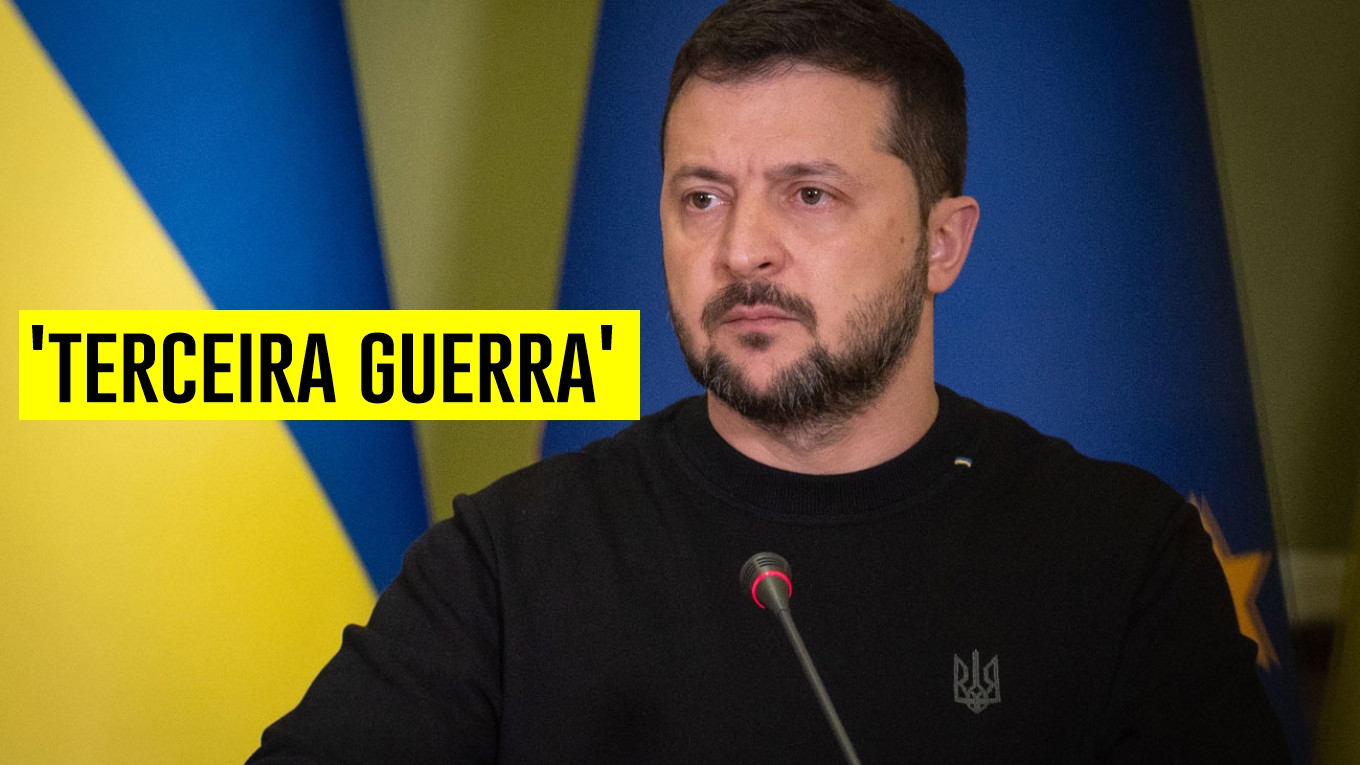
Biden’s Decision to Authorize the Shipment of Long-Range Missiles to Ukraine Receives Strong Criticism and Raises Fears About the Possible ‘Third World War’
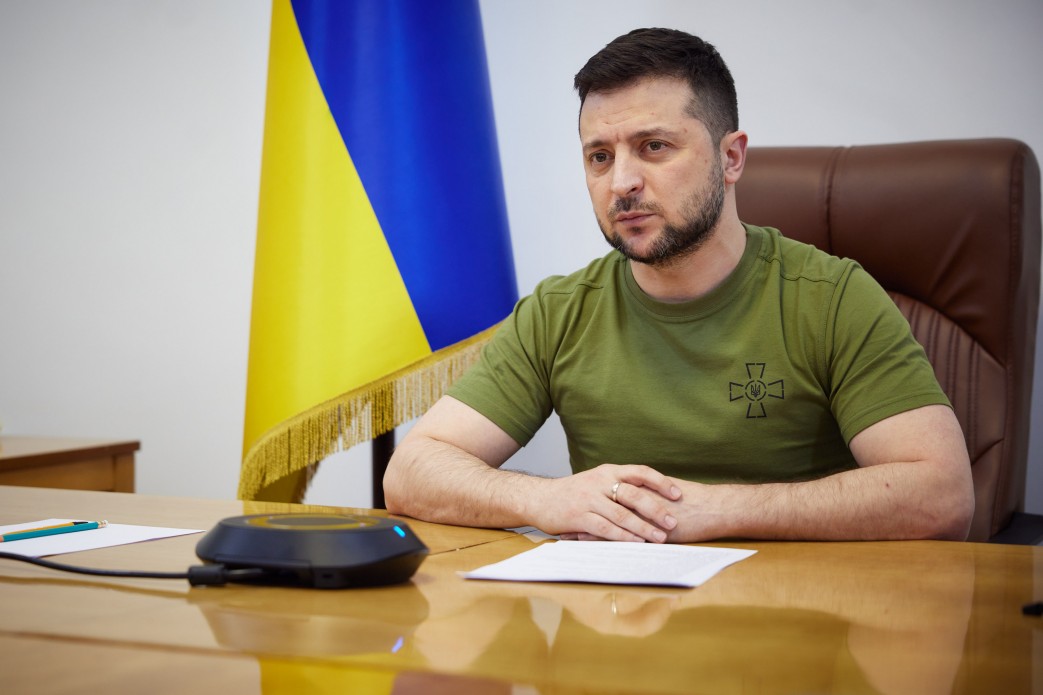
The President of the United States, Joe Biden, made a historic decision by authorizing, for the first time, that Ukraine use long-range missiles provided by the U.S. to attack targets in Russian territory. The move has been seen by some as a dangerous step in escalating the conflict, with allies of President-elect Donald Trump expressing concerns that this could lead to World War III.
Biden’s authorization allows Ukrainian forces to target strategic positions in the Kursk region, where Russia has mobilized about 50,000 troops, including 10,000 North Korean soldiers, according to sources from high ranking U.S. officials. Ukrainian authorities, who had already retaken this region, now have access to significant military power to intensify their attacks.
The decision generated intense reactions. Congressman Michael Waltz from Florida and a close national security adviser to Trump warned that this action could represent a significant increase in international tensions, with no clarity on the next step in the escalation. For him, Biden’s decision was unexpected, especially as the president is still in transition, and the measure appears more like a war itself than mere support for Ukraine.
-
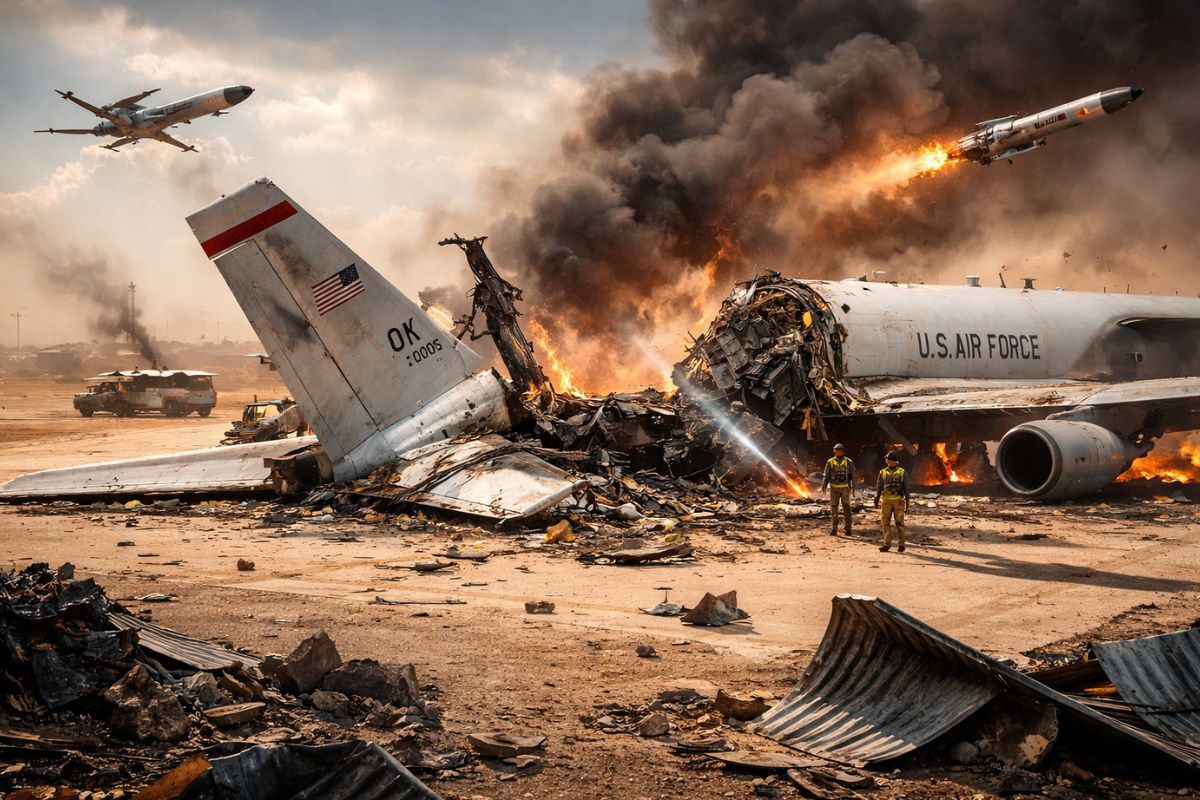
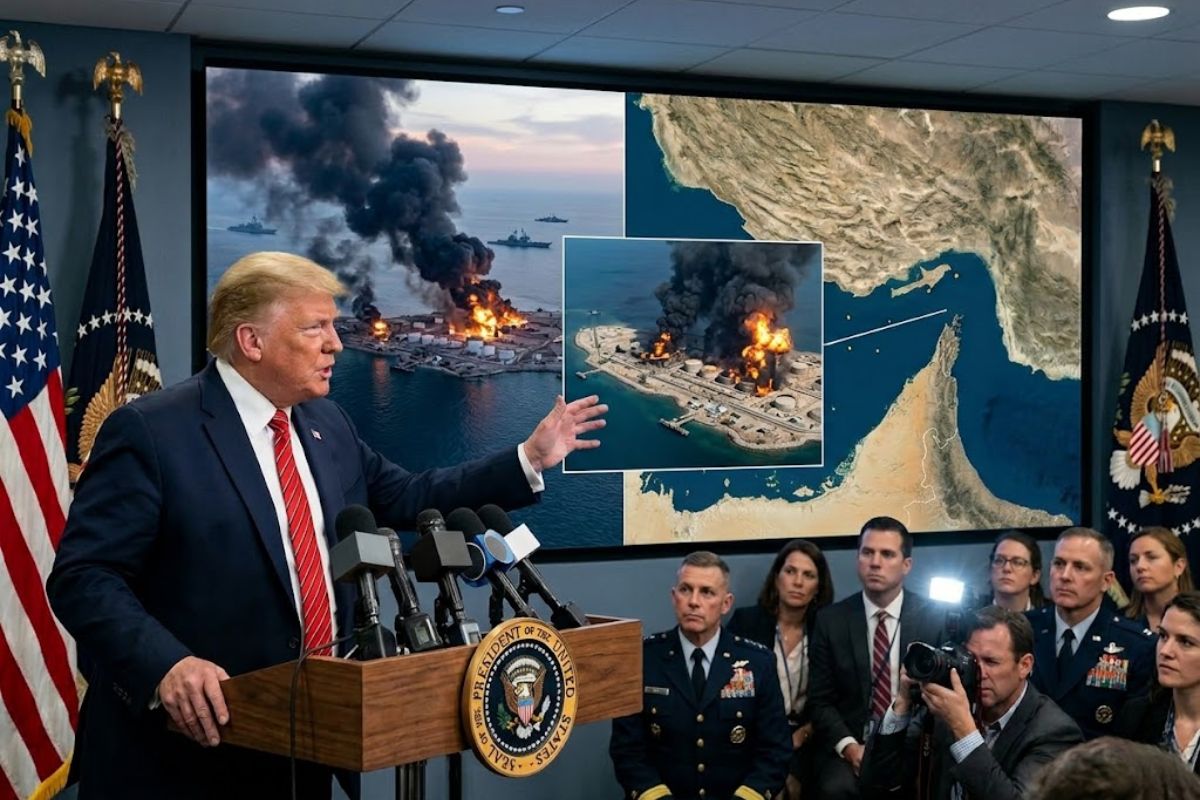
Iranian drones and missiles destroyed a 270 million dollar American spy plane in Saudi Arabia, splitting the E-3 Sentry aircraft in half and injuring 12 military personnel in an attack that exposes the vulnerability of U.S. bases in the Persian Gulf.
-
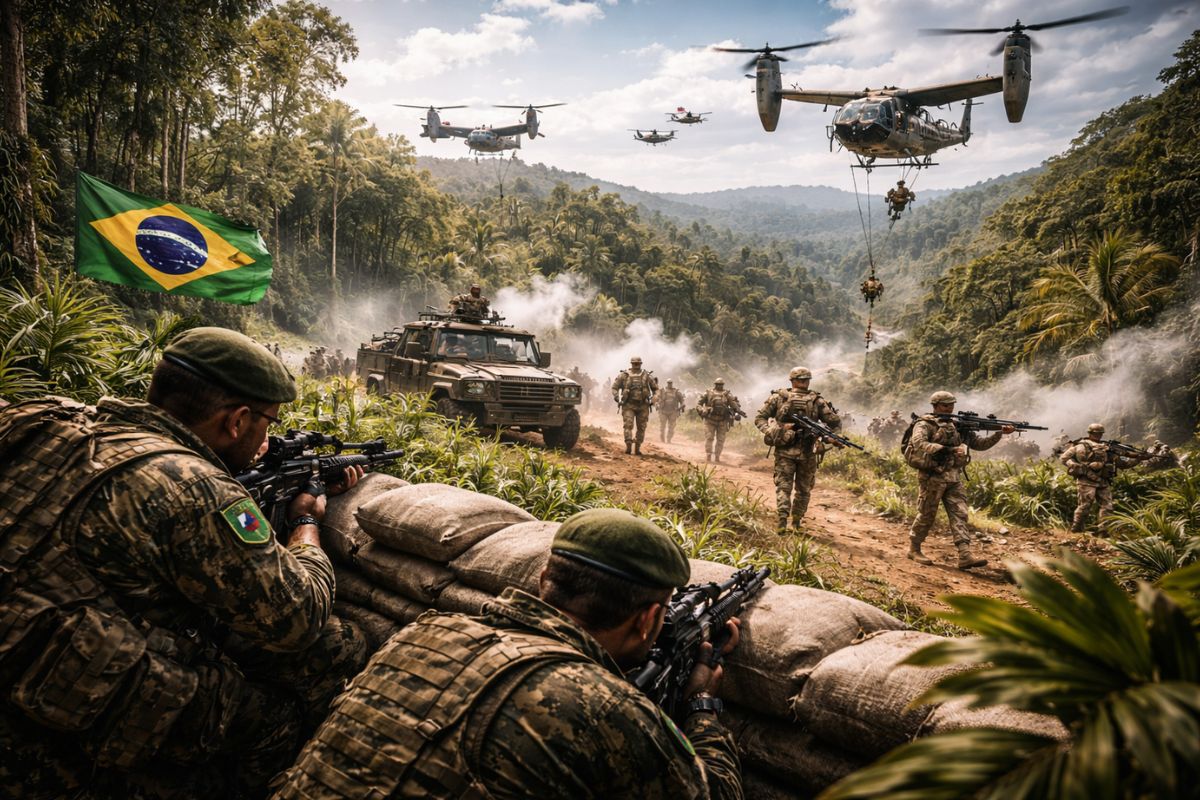
If the USA were to go to war with Brazil, Washington’s greatest fear would not be the attack itself, but facing a vast territory, prolonged resistance, and a costly, chaotic, and unpredictable occupation.
-
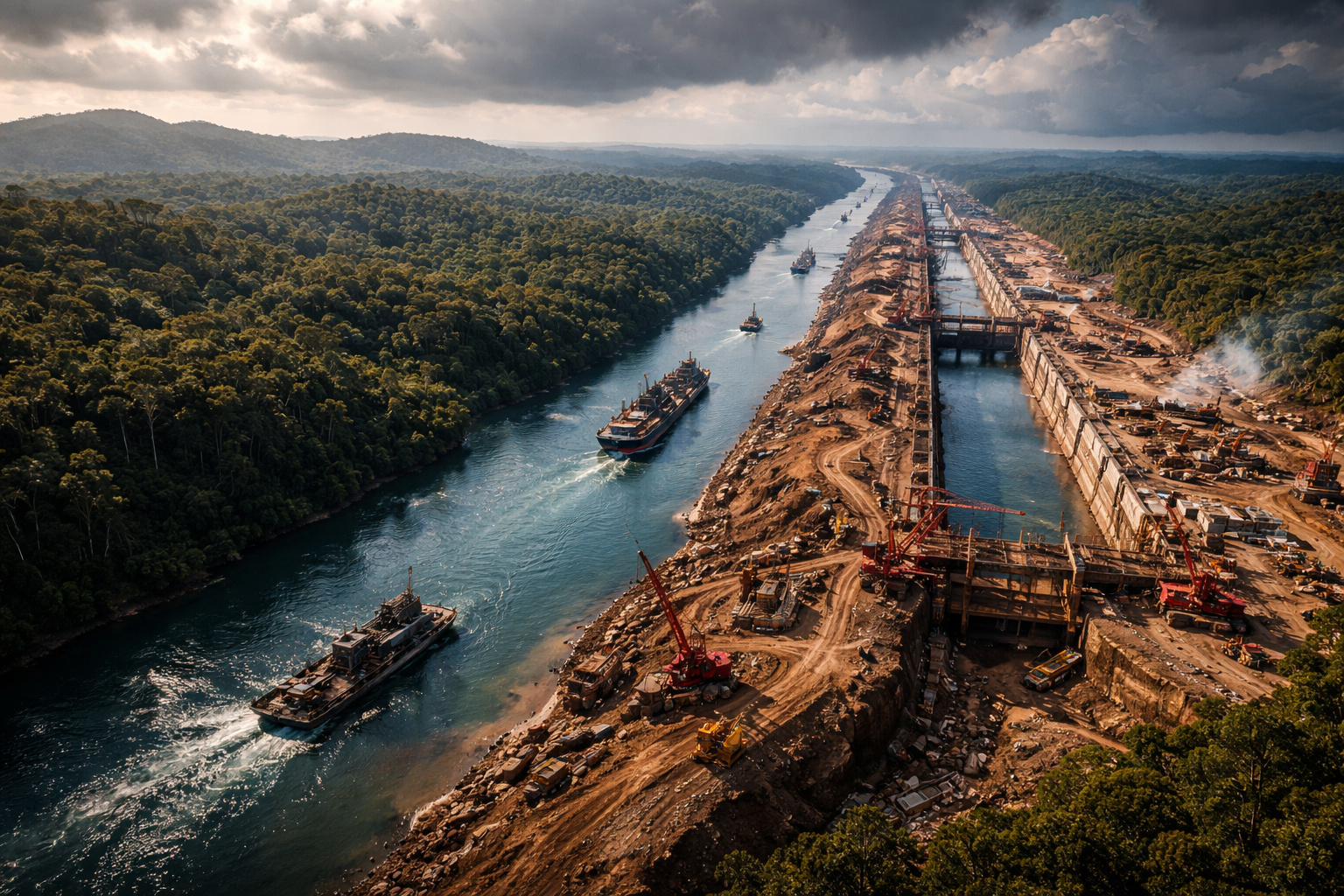
In 2013, Nicaragua sold the concession for a canal to rival Panama to a Chinese billionaire who lost 85% of his fortune, disappeared, and was declared bankrupt. Now the project resurfaces with a new route, a new Chinese partner, and a cost of $64.5 billion.
-
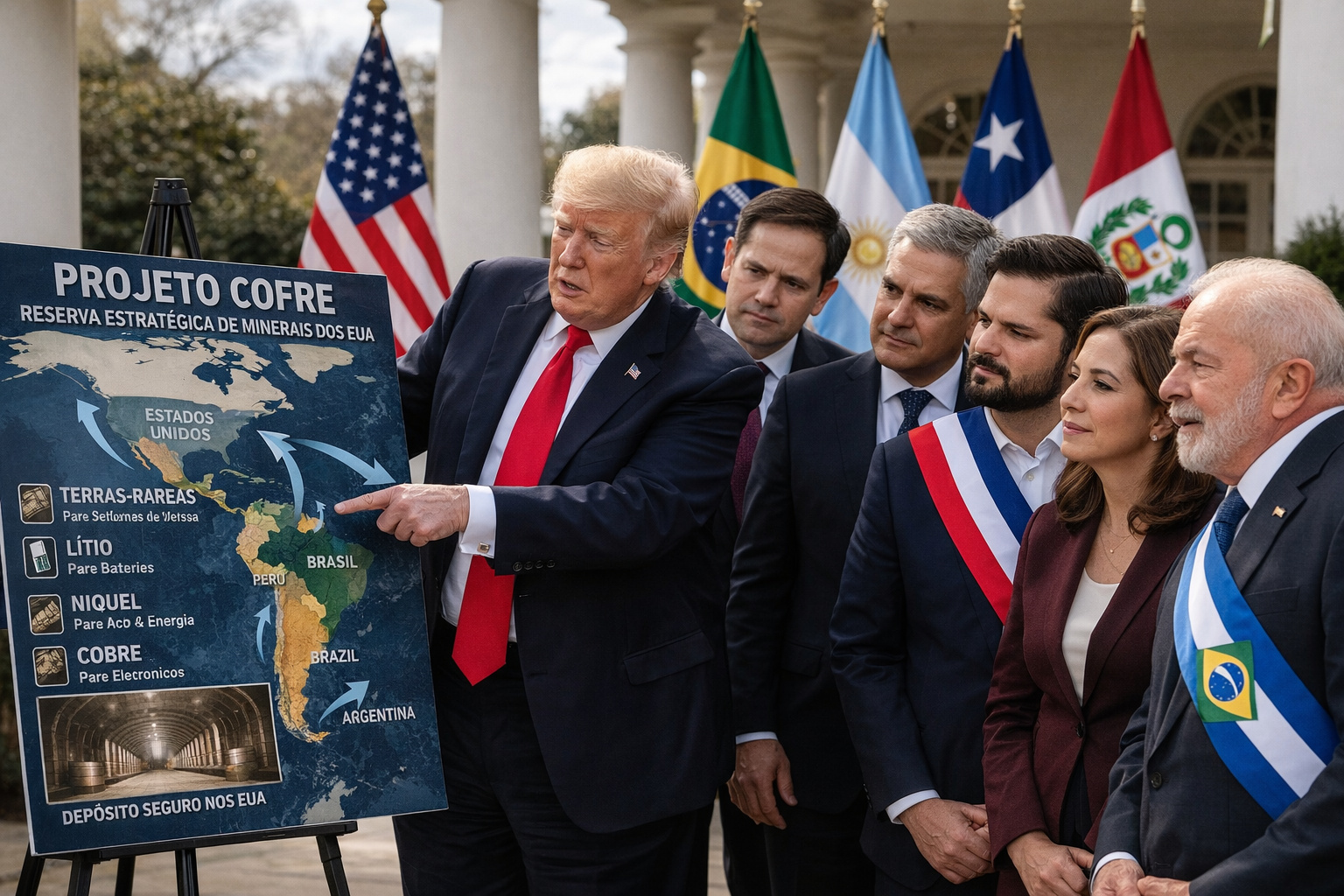
The USA announces a mysterious billion-dollar vault project to store critical minerals, but what intrigues experts is not just the plan itself, but why Latin America, including Brazil, has entered the center of this global dispute against China.

Criticisms and Fears of “World War Three”
The reactions from conservative leaders and Trump allies were swift and severe. Ric Grenell, former Acting Director of National Intelligence, criticized Biden’s move, claiming that the president was deliberately inflaming global tensions for political purposes. For Grenell, this authorization would have drastic consequences, completely altering the projections made so far for the future of the conflict.
Donald Trump Jr., the president-elect’s son, also emphatically expressed his position, accusing the “military-industrial complex” of wanting to precipitate a world war for financial interests, pointing out that the conflict in Ukraine is being used as a battleground for the destruction of Russia, aiming to fill the coffers of major defense contractors.
Republican Congresswoman Marjorie Taylor Greene from Georgia was another critic of Biden’s decision, arguing that he was taking a huge risk by authorizing long-range missile attacks and that such action could put the country on the brink of World War III.
The Reaction of the U.S. Government
While critics focus on the potential political consequences of this decision, U.S. Deputy National Security Advisor Jon Finer attempted to justify the authorization, indicating that the introduction of North Korean forces in the region was a relevant factor in the decision-making process.
Finer emphasized that the U.S. has been analyzing the Russian escalation, particularly with the mobilization of foreign troops, and that based on these new developments, the measure was necessary to protect Ukraine and increase pressure on Russia.
For Ukraine, the use of long-range missiles, such as ATACMS (surface-to-surface missile systems), would be an important advancement, as Ukrainian forces are using drones for some deep attacks, but believe that the ATACMS, with a range of up to 300 kilometers, are more effective for striking targets inside Russia.
Ukraine had been requesting this authorization for months, and members of Congress, especially those most aggressive toward Russia, had pressured the Biden administration to make this decision.
Russia and the Threats of Military Escalation
Meanwhile, the Russian government, still led by President Vladimir Putin, was quick to react to the news. Kremlin spokesman Dmitry Peskov accused the U.S. of escalating the crisis, suggesting that Washington was only contributing to raising tensions and provoking further conflict with actions that he claimed represented a new round of hostility.
Putin had previously warned that by allowing Ukraine to use long-range missiles against Russia, the U.S. would be, in practice, entering the war directly. According to him, these missile systems could only be operated by NATO militaries, which would imply a direct escalation toward war between nuclear powers.
So far, Ukrainian forces have not officially used the ATACMS against Russia, but tensions continue to rise. Russia, with its significant military power and support from allies like China, shows it is willing to continue fighting and pressing for victories on the ground.
For the Kremlin, U.S. involvement in the conflict would represent an existential threat, and Putin reiterates that he is willing to do whatever it takes to protect Russian interests, including attacks on Ukrainian targets and critical infrastructure in the country.
Biden’s Foreign Policy Dilemma
Biden’s decision has generated a dilemma for the U.S. administration. On one hand, there is increasing pressure to support Ukraine in its fight against Russian aggression, which for many is a symbol of resistance to the expansion of authoritarian influence in Europe.
On the other hand, the U.S.’s increasingly deep involvement in the conflict raises questions about the extent to which Biden’s foreign policy could inadvertently drag the country into a total conflict with Russia.
Experts warn that even greater escalation could have devastating effects, with the use of nuclear weapons being a possibility that cannot be dismissed. For the U.S. and its allies, the fight against Russia in Ukraine is seen as a struggle for the stability of the world order and the preservation of a system of democratic values.
Implications for the Future of the War
The impact of Biden’s decision may be felt both on the battlefield and in the international political arena. On the battlefield, ATACMS missiles could change the dynamics of the conflict, allowing Ukraine to carry out deeper and more precise attacks, potentially undermining Russia’s defensive capabilities.
However, the global landscape may be even more affected, with other nations watching closely the developments and the U.S. positioning regarding Russia. The behavior of other countries, including NATO allies and adversaries such as China, may be influenced by this decision.
With Donald Trump’s new administration about to take over, it’s possible that approaches to the conflict in Ukraine will change again, with an attempt at direct negotiation with Putin. But the immediate future of the conflict remains uncertain, and the risk of nuclear escalation looms on the horizon.









Seja o primeiro a reagir!