





 Portuguese
  English
  Spanish
  3 min of reading
  0 comments


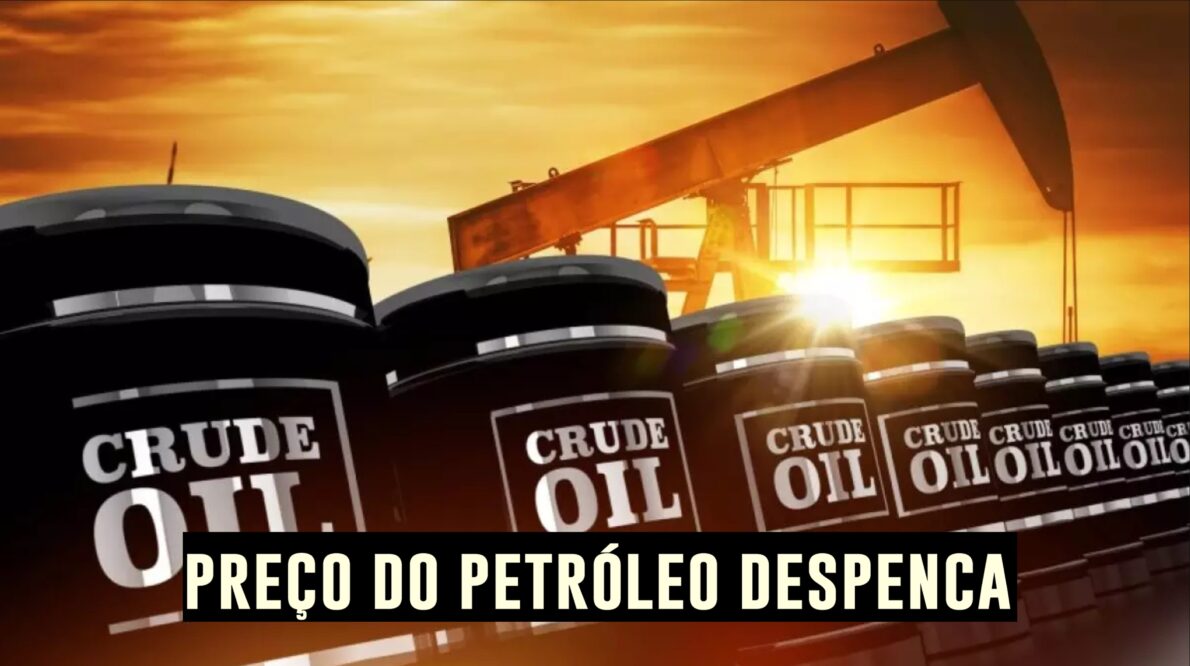
Understand The Reasons Behind The Drop Of More Than 3% In The Price Of Oil, Which Fell To Its Lowest Level Since 2021, And The Impact Of This Historical Drop On The Global Market
The price of oil fell more than 3% on Tuesday, reaching its lowest level since December 2021. The movement reflects ongoing weakness in global demand, with the Organization of the Petroleum Exporting Countries (OPEC) revising down its growth forecasts for demand in 2024 and 2025.
West Texas Intermediate (WTI) oil ended the day down about 4%, quoted at US$ 65.75 per barrel, while Brent closed at US$ 69.19, both showing significant declines.
The main reason for the drop in oil prices is related to demand, especially with the economic slowdown in key markets such as China.
-
Petrobras evaluates suspension of sales to distributors and considers canceling the cooking gas auction following guidelines from the Federal Government.
-
Lula reveals a masterstroke by Petrobras to undo a deal made by Bolsonaro, which involves the return of an important refinery that currently produces less than half of what was expected and makes Brazil dependent on international diesel.

-
A study confirms that the natural gas sector will reduce greenhouse gas emissions in Brazil by 0.5% and accelerate the energy transition by 2026.

-
Petrobras implements a severe adjustment and confirms a 55% increase in the price of aviation kerosene with a proposal for installment payments for the companies.

The Asian country, which has faced economic difficulties, including a crisis in the real estate sector, has reduced its oil consumption, opting for cheaper and more sustainable alternatives such as natural gas. This has continuously pressured oil prices.

Demand Revision By OPEC, Affecting Oil Prices
In its monthly report, OPEC revised down its expectations for global oil demand growth, now forecasting an increase of about 2.0 million barrels per day in 2024, a reduction of 80,000 barrels from the previous projection.
The outlook for 2025 was also slightly reduced. Lower demand, especially for diesel, has been driven by slowdowns in sectors such as manufacturing, construction, and road transport. Furthermore, the growing adoption of liquefied natural gas (LNG) trucks has further decreased the demand for diesel.
Although OPEC still maintains more optimistic growth expectations than other sector entities, such as the International Energy Agency (IEA) and the U.S. Energy Information Administration (EIA), market analysts have expressed skepticism about these forecasts.
“OPEC+ has simply been too optimistic in its demand growth forecasts,” said Andy Lipow, president of Lipow Oil Associates. According to him, OPEC’s recent revision reflects current dynamics between supply and demand, which remain challenging.
Global Impact
The drop in oil prices reflects not only the situation in China but also signs of economic crisis in other regions, such as the United States and Europe. In the West, the end of the summer travel season has contributed to decreased demand for fuels, further pressuring oil prices. Additionally, the prospect of slower economic growth in these regions has also contributed to reduced consumption expectations.
Last week, OPEC+ decided to postpone the reversal of some voluntary production cuts originally scheduled for October. This means that despite the drop in demand, oil supply will not increase in the short term, which could limit further price declines.
Even with the slowdown in demand and falling prices, the EIA expects that Brent oil prices could rise again. According to its projection, Brent is expected to average US$ 82 per barrel in the fourth quarter of 2024 and US$ 84 per barrel in 2025. This forecast is based on the expectation that OPEC+ production cuts will keep supply below global consumption.
Impact On Fuel Prices
In the United States, the drop in oil prices has also helped reduce gasoline prices. According to analysts, the national average fuel price could fall to around US$ 3 per gallon by the end of the year.
This relief for consumers comes at a time of uncertainty regarding the impacts of Tropical Storm Francine, which is heading towards Texas and Louisiana. Despite the potential increase in wind strength, the forecast is that the storm will have a minimal impact on oil prices and gasoline supply.
With the decline in oil prices, the market has already erased all gains accumulated this year. WTI, for example, is down about 5% in 2024, while Brent has fallen approximately 8%. Expectations are that, with global demand still weak and persistent economic uncertainties, oil prices will remain pressured in the coming months.
Price volatility in oil remains a concern for global economies, particularly in countries dependent on energy exports. The balance between supply and demand, along with geopolitical issues and energy transitions, will dictate the pace of the market’s next movements.










Seja o primeiro a reagir!