





 Portuguese
  English
  Spanish
  5 min of reading
  0 comments


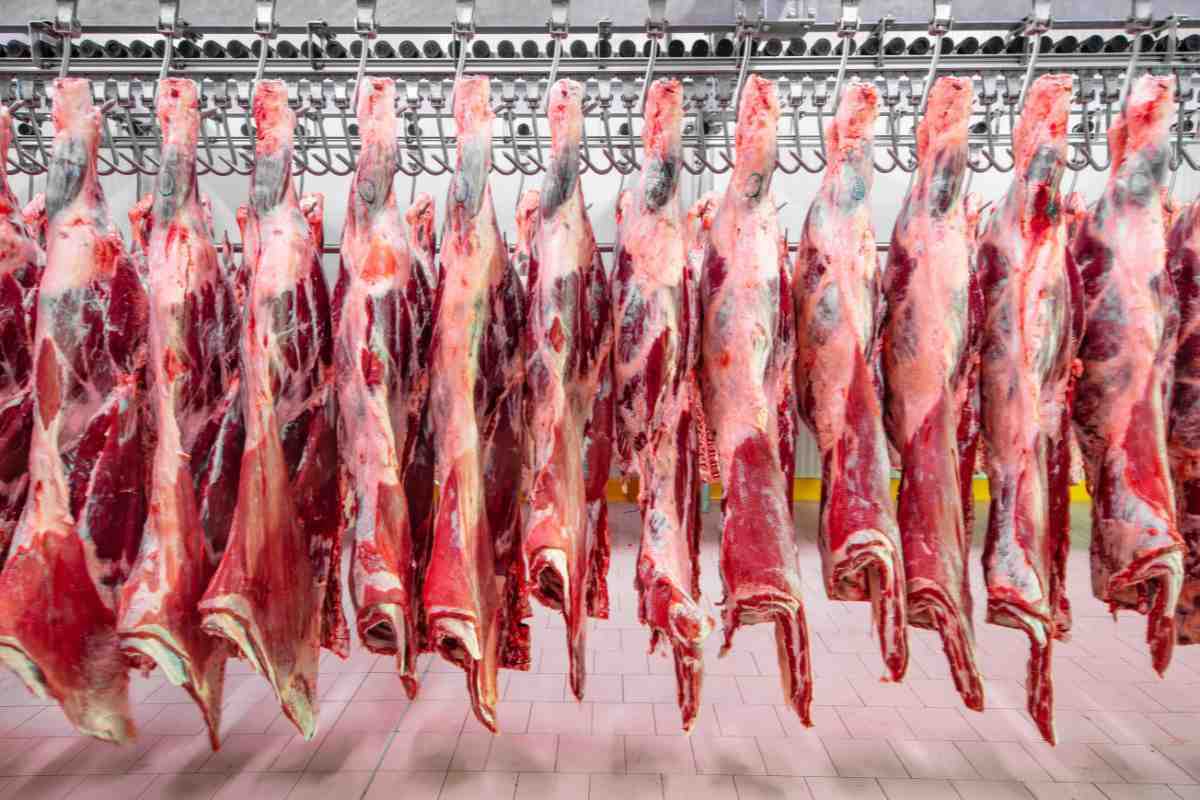
In A Notice to Cattle Ranchers on the Laço de Confiança Network, Minerva Said That China Found Residue of the Acaricide Fluazuron Above Allowed Levels in Some Lots of Brazilian Beef and Signaled Immediate Reinforcement of Inspection, at Risk of Commercial Loss and New Barriers With the EU Eyeing Hormones
Minerva Foods announced this week, in a statement published on the “Laço de Confiança” network, that China detected levels of the acaricide fluazuron above permitted levels in some lots of Brazilian beef sent to the country. In the alert, the company noted that the incident could lead to increased inspection and occurs after a temporary suspension recorded in March of this year.
The case also gains weight because, at the same time, Chinese investigations are advancing regarding the possible adoption of safeguard measures on imports and because the European Union is once again discussing residues and hormones on the eve of the possible signing of the agreement with Mercosur, scheduled for the 20th of this month, while Brazil’s Mission to the EU has positioned itself in a statement on the 8th of this month.
What Minerva Communicated to Cattle Ranchers
The notice was released on the “Laço de Confiança” account, described by the company as a relationship program with cattle ranchers to share updated information on relevant livestock issues. When approached, Minerva did not comment on the content of the post but confirmed the institutional nature of the channel.
-
They said no to 26 million dollars and would do it all over again: mother and daughter from Kentucky reject a million-dollar offer from a mysterious company that wants to build the largest data center in the state on more than 2,000 acres of rural land.

-
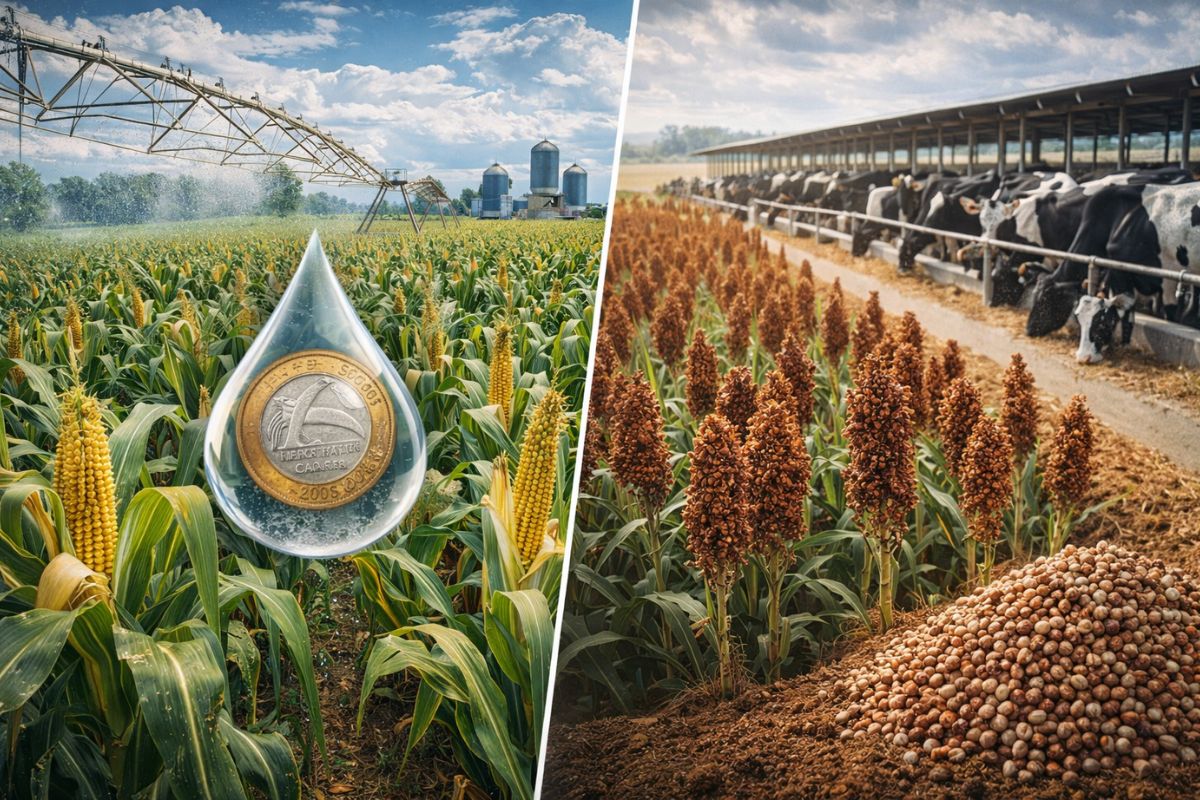
While corn requires rain and is expensive, sorghum produces almost the same volume per hectare at a cost up to 80% lower and uses less water, and it is revolutionizing dairy farming in the Triângulo Mineiro, where producers save hundreds of reais per hectare.
-
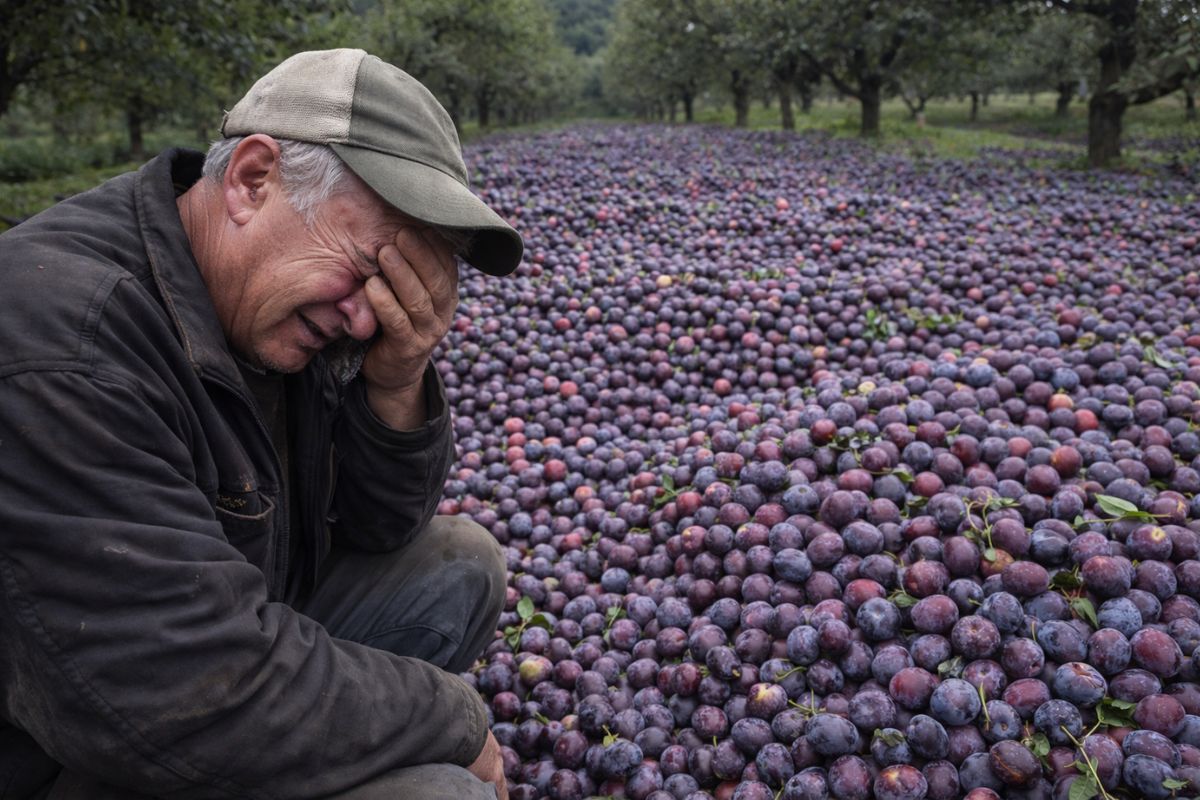
A rural producer from Urubici cries as he shows 50 tons of plums thrown on the ground because no one wanted to buy them, and in desperation, he records a video asking anyone to come to the property to pick the fruits before they rot.
-
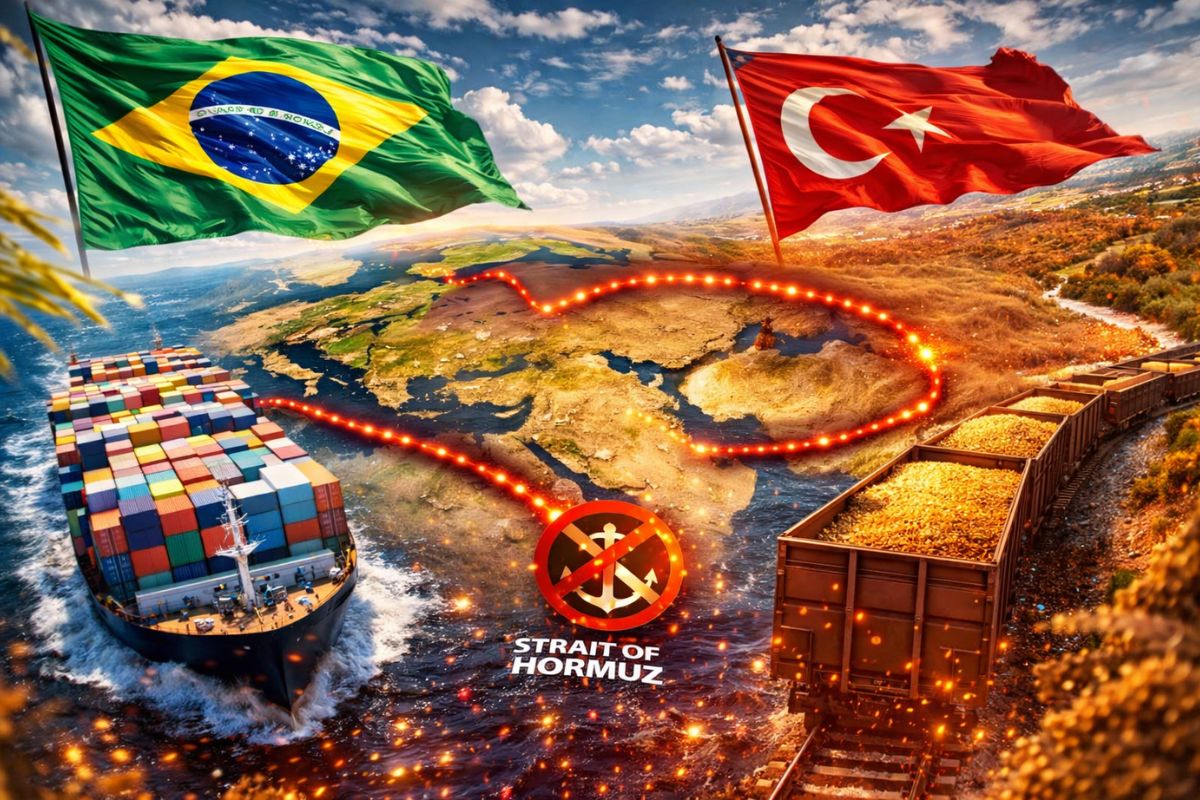
Unable to pass through Hormuz, Brazil activated a plan B that uses Turkey as a gateway to the Middle East: the route through Gibraltar and the Mediterranean is longer and more expensive but ensures that chicken, beef, and corn continue to reach Arab markets.

In the published text, the company, which positions itself as a leader in beef and beef products exports from South America and one of the largest in the world, warned that inspections are likely to be increased and that any new occurrence could harm commercial relations between Brazil and China, increasing the risk for Brazilian beef.
Fluazuron Above Allowed Levels: Why the Issue Is Sensitive
Fluazuron is mentioned in the statement as an acaricide, and the central concern, according to the guidance provided to suppliers, is to avoid non-compliances due to management failures.
Minerva emphasized that correctly following the usage guidelines, including dosage, application method, and withdrawal period, is essential to maintain compliance of shipments, strengthen relationships with buyers, and preserve the credibility of Brazilian beef.
MAPA Was Contacted and Did Not Respond
The report, according to the informed basis, sought a position from the Ministry of Agriculture and Livestock (MAPA), but did not receive a response by the time of the mentioned publication.
This public response vacuum does not change the central alert: for exporters and the supply chain, the immediate risk lies in the tightening of control and potential commercial impacts involving Brazilian beef.
Previous Episode and Historical Temporary Suspension
The detection of residues in Brazilian beef is not unprecedented. In March of this year, China temporarily suspended the importation of beef from three Brazilian companies due to residues of products prohibited in the country, with subsequent resumption of shipments.
Now, the discussion returns forcefully at a moment described as more delicate for trade, given the advancement of Chinese investigations evaluating a possible application of safeguard measures on beef imports.
EU Also Reignites Alert With Hormones on the Radar
In addition to China, the recurrence of residues and veterinary substances in Brazilian beef has returned to the center of discussions in the European Union.
According to the basis, lots were recalled in at least 11 countries in the European bloc and also in the United Kingdom after the detection of locally prohibited hormones, focusing on estradiol, used for reproductive purposes in Fixed-Time Artificial Insemination.
Brazil’s Mission to the EU, in a statement on the 8th of this month, claimed that the case was a “rare occurrence” and that the shipments were recalled after voluntary communication from the Brazilian authorities to European inspectors.
The representation also highlighted that since 2011, Brazil has prohibited hormonal substances with anabolic activity for weight gain and that estradiol is allowed only in reduced doses for reproductive purposes in females, with the withdrawal period observed.
Traceability, Protocol, and Eligibility to Export to Europe
The Mission also reported that the sector implemented, in January of this year, the Protocol for the Export of Female Cattle (PEFB), developed by the Brazilian Association of Certification Companies and approved by the Ministry of Agriculture, aiming to ensure traceability and ensure that only animals never treated with estradiol are exported to the EU.
The background underscores the size of the risk: in September of last year, the use of the same hormone led the EU to suspend the importation of beef from females in Brazil, restricting eligibility at that time to beef from males until the implementation of a private protocol.
Residues Could Become a Commercial Barrier, Says Consultant
According to consultant Alcides Torres of Scot Consultoria, part of the international concern over residues in Brazilian beef should also be read in the context of trade disputes, where sanitary requirements can function as non-tariff barriers.
He states that the presence of fluazuron, when it occurs, is sporadic and could be avoided with compliance with the withdrawal period indicated by the manufacturer and that it would not be a national issue, but rather individual failures with wide repercussions.
In your opinion, is the Brazilian beef supply chain prepared for stricter inspections and for new traceability requirements, or is there still a lack of control at the end to avoid recurrences?









-

-

-

-

-

-

45 pessoas reagiram a isso.