





 Portuguese
  English
  Spanish
  4 min of reading
  0 comments


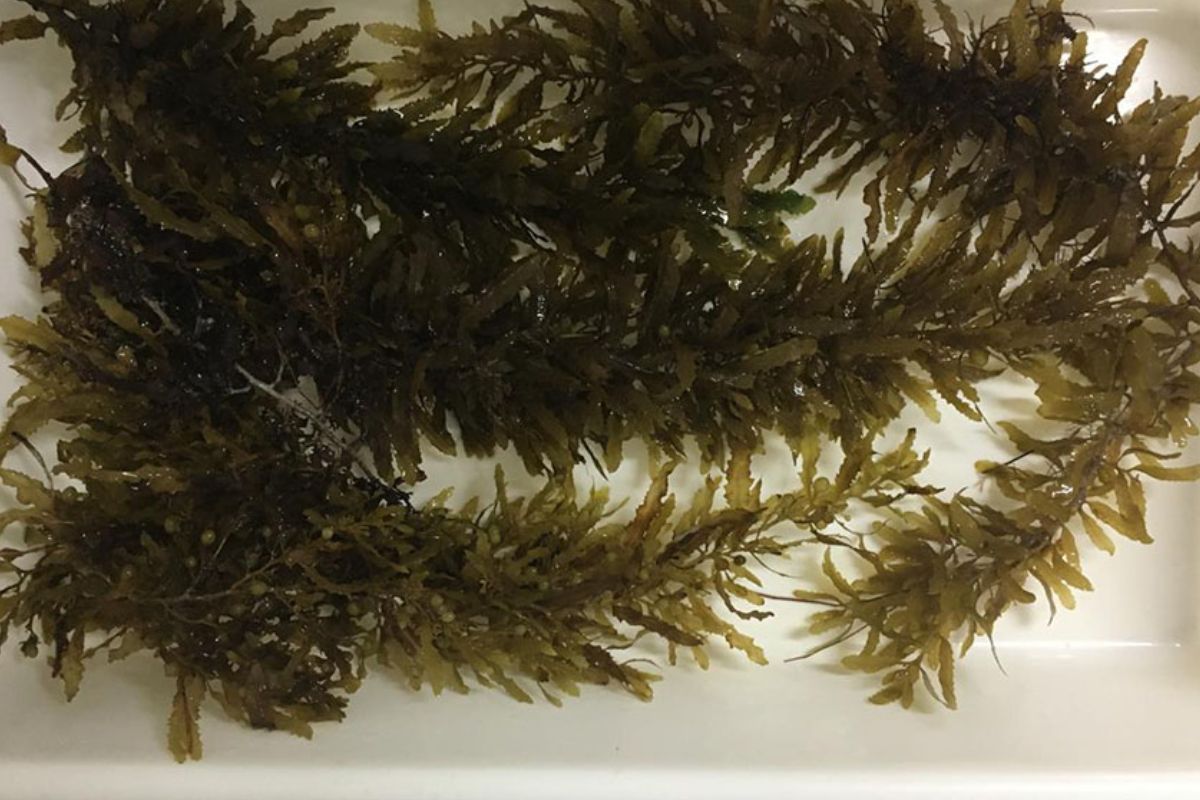
The International Research Led by Embrapa Unites Brazil and Europe to Develop Algae as Sustainable Food of the Future, Creating Plant Products and Environmental Solutions Aligned with the Blue Bioeconomy
The scientific advancement around seaweeds has gained global momentum and today stands out as a strategic basis for sustainable food of the future, especially in light of the pressure on fish stocks and the growing demand for healthy proteins, according to a report published.
In a scenario where the blue economy generates about US$ 1.5 trillion per year and could double by 2030, researchers are seeking alternatives capable of uniting nutrition, sustainability, and innovation.
In this context, Embrapa, alongside European centers, coordinates a three-year project that integrates research, technological development, and knowledge transfer.
-
While Russia dominates the global wheat market, Brazil emerges as an unexpected competitor in the Cerrado, offering grain available in July and August when stocks in the Northern Hemisphere are at their lowest point of the year.

-
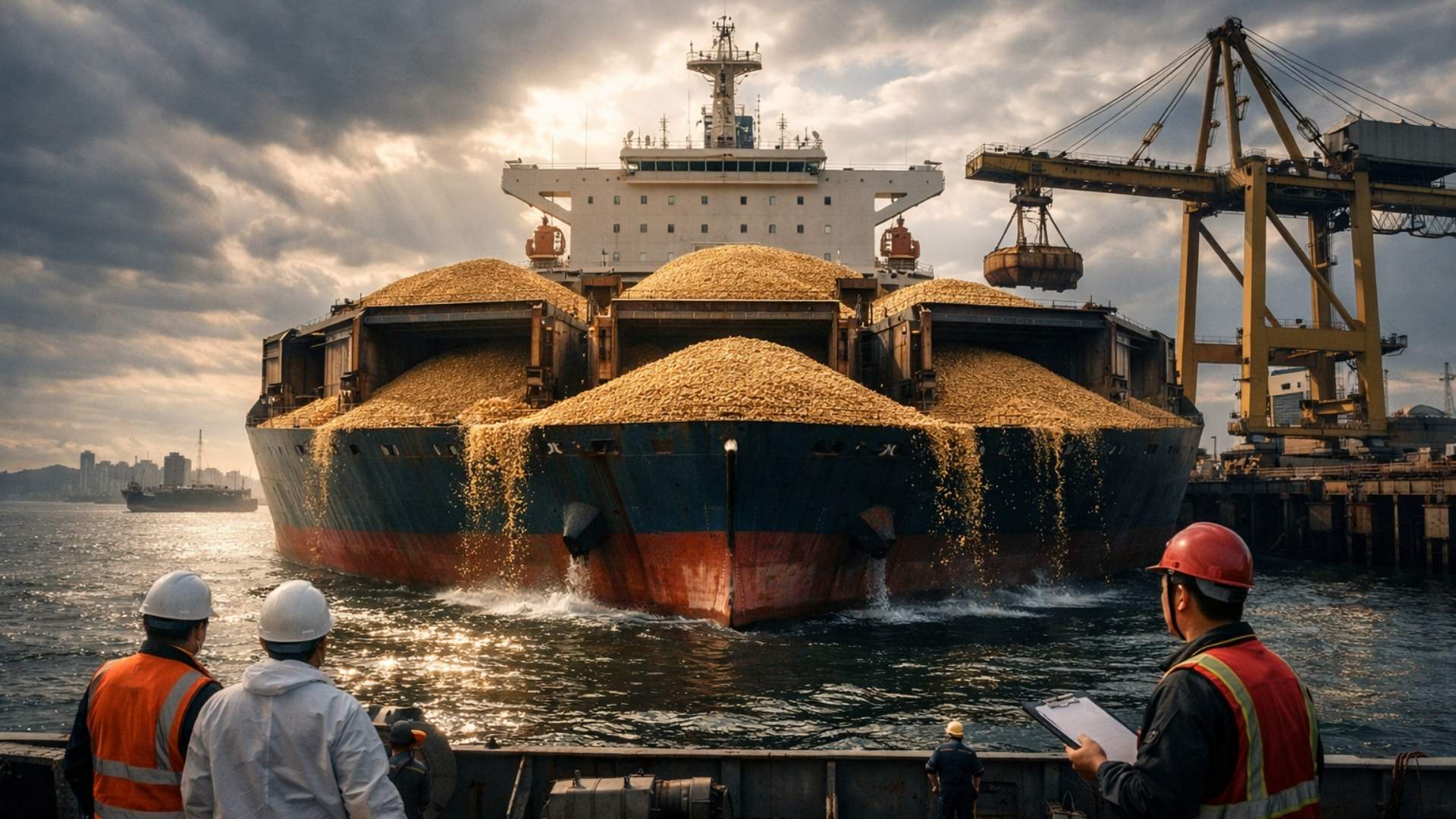
China returned almost 20 Brazilian ships with soybeans, but now everything could change: the country that buys 80% of the grain is considering relaxing regulations after impurities held up shipments of thousands of tons and caused million-dollar losses.
-
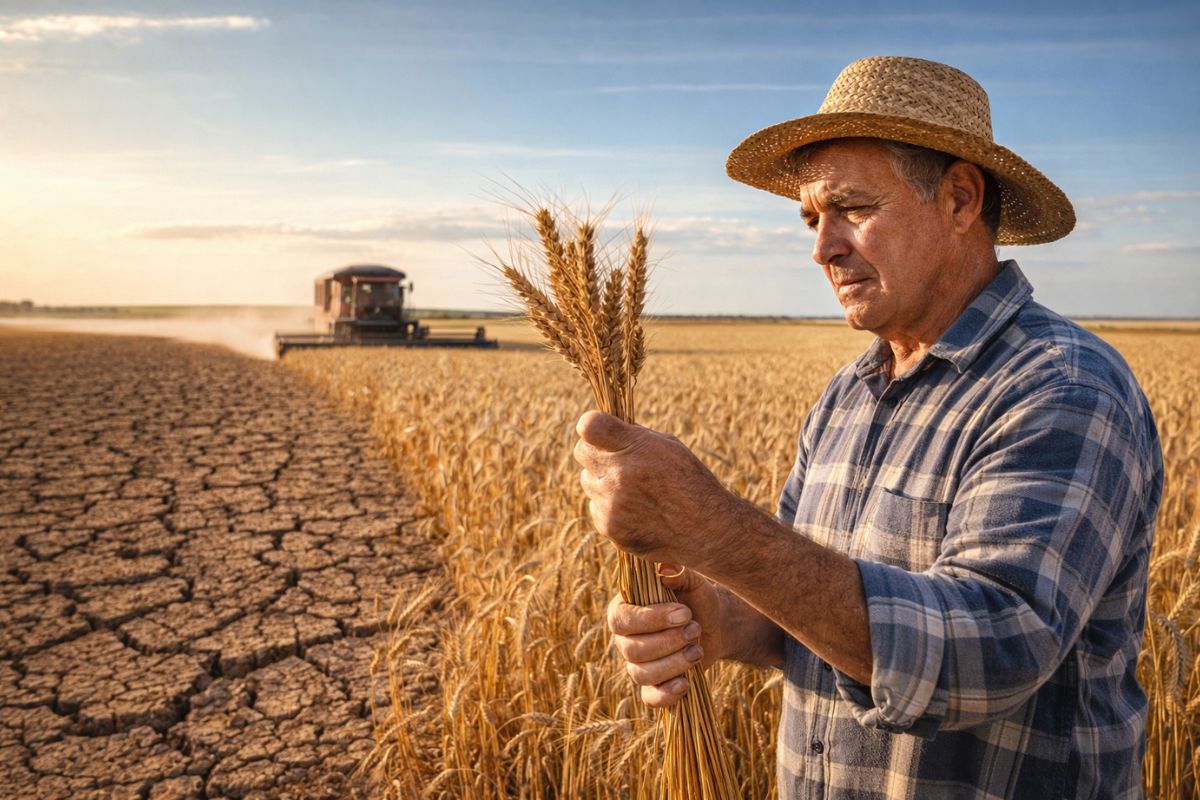
The drought of the cerrado was considered an enemy of wheat, but Brazilian scientists turned the lack of rain into a competitive advantage by creating a grain with quality that is already attracting the attention of international mills around the world.
-
THE OWNER of Brazil: a farmer who came from laundries, created an ’empire’ and today runs a company valued at R$ 42 billion after tripling its value in less than a year and receiving a billion-dollar investment from the USA.


The objective is to transform these aquatic organisms into viable options to traditional seafood, catering to a market estimated at US$ 2.1 billion in 2024 and driven by over 36 million tons of global seaweed production in 2022.
In addition to their nutritional potential, these crops present essential environmental advantages for the climate and food future.
Seaweed Cultivation
In Brazil and Europe, seaweed cultivation has been studied as an accessible and environmentally positive alternative.
Seaweeds grow quickly, require no freshwater or fertilizers, and capture carbon, contributing to mitigating the climate crisis.
In the country, the initiative brings together Embrapa Agroindustry of Food (RJ), Embrapa Tropical Agroindustry (CE), and Embrapa Instrumentation (SP), as well as producers from Costa Verde (RJ).
In Europe, institutions such as NIOZ (Netherlands), S²AQUA (Portugal), ILVO and UGhent (Belgium), NOFIMA (Norway), Chalmers (Sweden), Stratagem (Cyprus), and DTU (Denmark) participate.
This set of partners enhances the capability to develop efficient production and processing systems.
When it comes to sustainable food of the future, these steps are crucial to ensuring sensory and nutritional quality in innovative products intended for the global market.
The proposal includes the creation of a closed (indoor) cultivation system, conservation protocols, and methods to enhance sensory characteristics.
One of the highlights of the project is the “vegetable tuna” in brine, made from the combination of algae with protein-rich ingredients and flavorings.
The intention is to mimic the taste, aroma, and texture of conventional tuna, offering consumers a versatile and sustainable alternative.
Innovative Plant Proteins
The development of innovative plant proteins represents the third action block of the project and reinforces its alignment with the goals of the SBEP (Sustainable Blue Economy Partnership), an initiative of the Horizon Europe program that brings together 74 institutions from 30 countries.
The research aims to add value to native species and increase the use of algae as an input for functional foods, pharmaceuticals, and cosmetics.
In this effort, sustainable food of the future becomes a key element, strengthening emerging production chains and expanding opportunities for family farmers and coastal communities with over 8,000 kilometers of Brazilian coastline.
The 36-month schedule includes the development of prototypes, technical training, scientific publications, and potential patents. Each stage contributes to strengthening consumer acceptance and expanding the offer of sustainable products.
European Blue Bioeconomy
The expansion of the European blue bioeconomy is also connected to the fifth block of this global movement. Partner institutions evaluate species, cultivation processes, and industrial applications, reinforcing a rapidly growing market driven by interest in sustainable foods.
The concept seeks to balance economic development, environmental preservation, and social inclusion, highlighting the role of algae in water purification and carbon sequestration.
In this context, sustainable food of the future consolidates as a strategic piece for new production chains and for the expansion of the global market for plant-based seafood, estimated at US$ 2.5 billion by 2032.
Plant-Based Seafood Market
The strengthening of the plant-based seafood market reflects global interest in cholesterol-free, nutritious alternatives derived from renewable sources.
In Brazil, commercial production is still limited to the species Kappaphycus alvarezii and Gracilaria, primarily used in the carrageenan industry, but the growth potential is high.
Expansion depends on the diversification of species and the creation of new products, a path where sustainable food of the future plays an essential role in bridging science, the productive sector, and consumers.
With international support and goals aligned with the 2030 Agenda and SDG 14, the research network bets that algae fish can move from curiosity to industrial scale, transforming access to sustainable proteins in the country and around the world.








Seja o primeiro a reagir!