





 Portuguese
  English
  Spanish
  4 min of reading
  1 comment


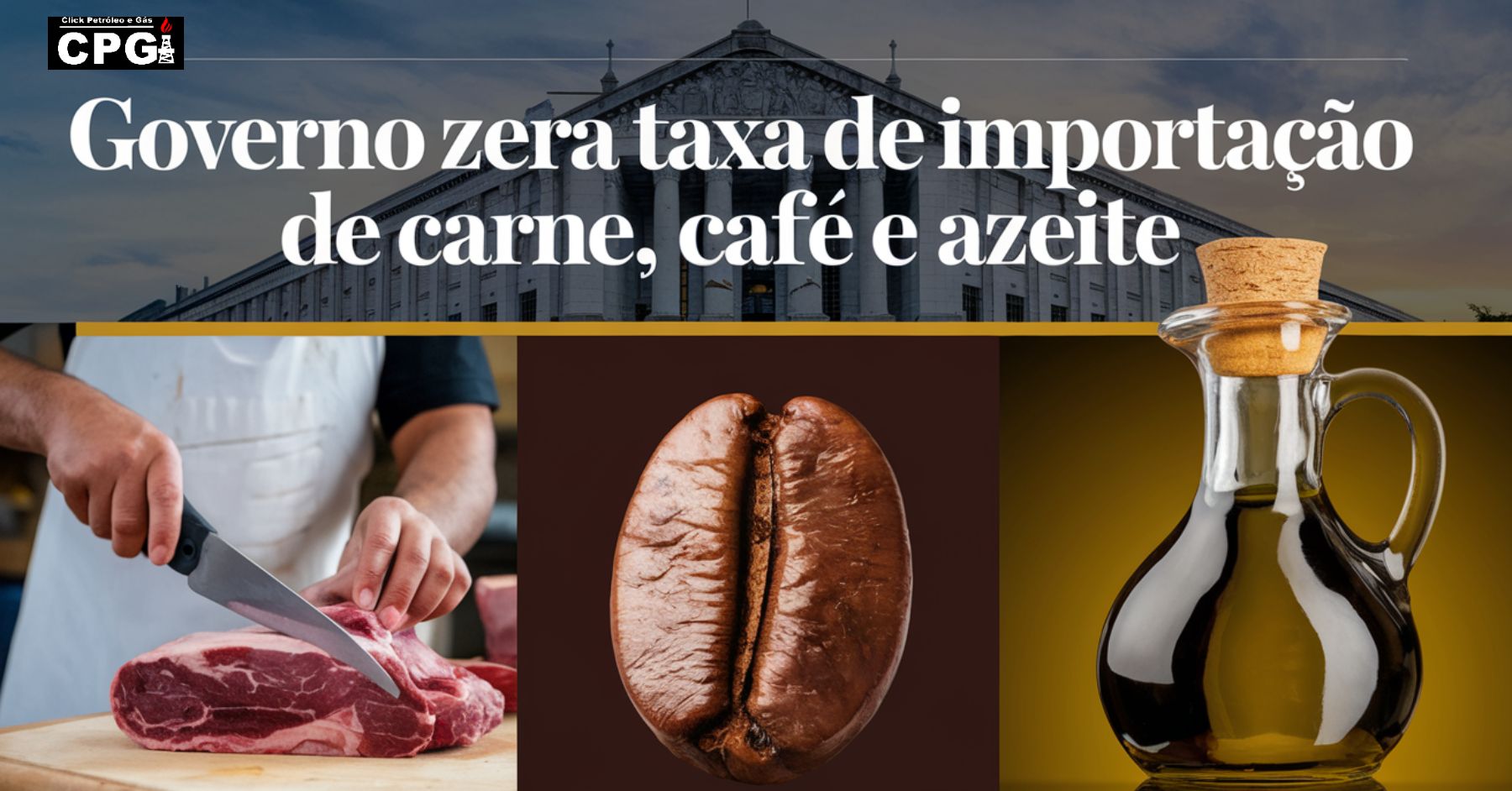


Federal Government Measure Aims to Curb Food Price Increases and Alleviate the Impact of Inflation on Consumers. Government Also Asks States to Reduce Taxes on Essential Items from the Basic Basket.
The federal government announced on Thursday (6) an important economic measure to curb food inflation in Brazil. The decision to eliminate the import tariff on essential products, such as meat, coffee, olive oil, and other items, aims to ease the burden of prices on Brazilian families’ budgets. Additionally, the government has requested that states exempt taxes on the basic basket, promoting an even more significant reduction in food costs.
Government Eliminates Import Tax on Several Products to Combat Inflation in the Food Sector
The decision to eliminate the import tax on several essential items is part of a package of six actions discussed by the federal government in recent months. The decision was made after three meetings held throughout the day, with the participation of President Luiz Inácio Lula da Silva and Vice President Geraldo Alckmin, who later took the lead in the discussions.


The tax exemption on meat, coffee, and olive oil, among other products, is expected to take effect in the coming days, following approval by the Foreign Trade Chamber (Camex). According to Alckmin, the measure will be officially sanctioned by the Camex Executive Management Committee (Gecex), which is expected to validate the determination quickly.
-
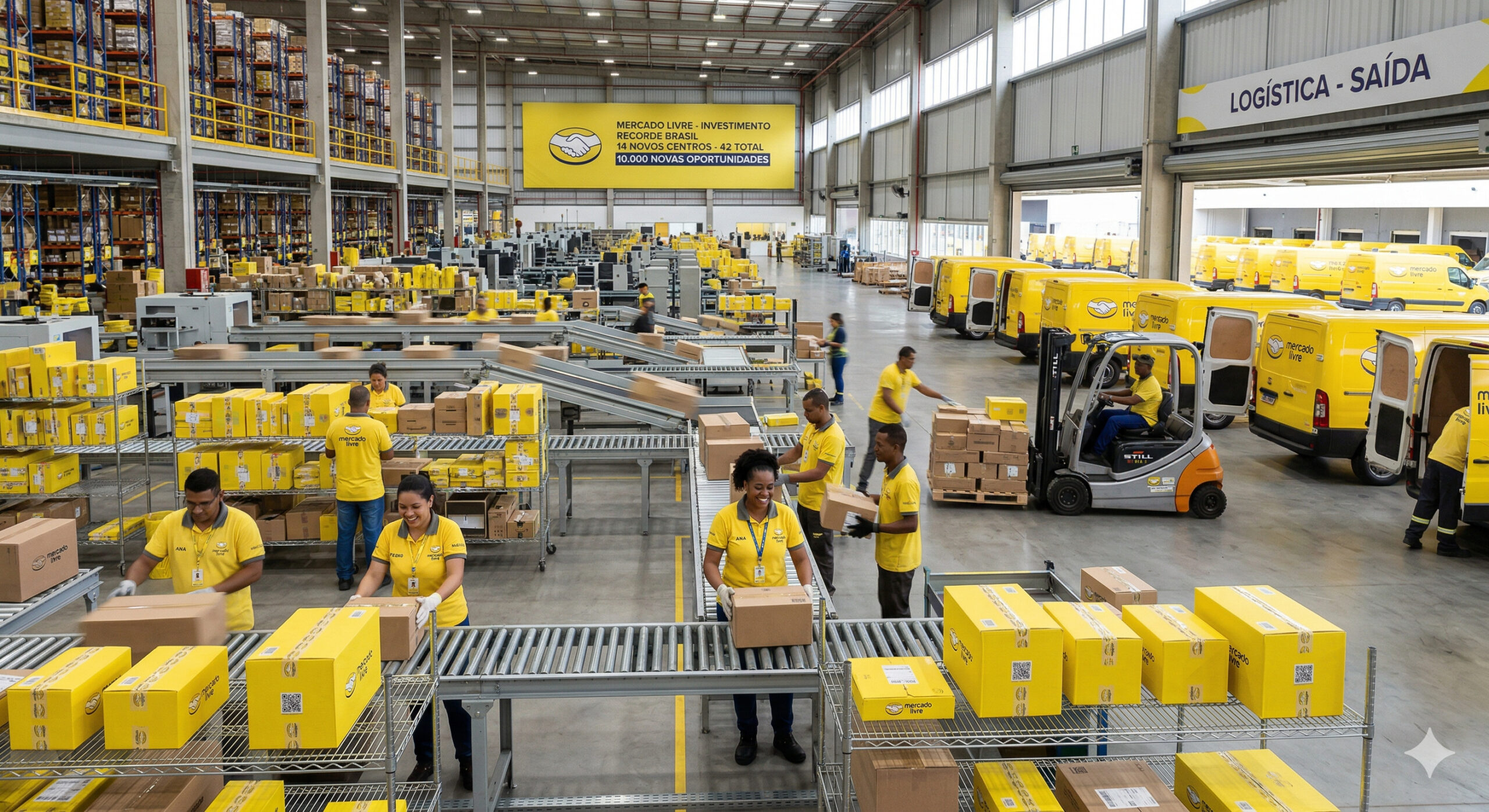
Mercado Livre “opens the vault” and announces a record investment of R$ 57 billion in Brazil in 2026, a value 50% higher than the previous year, with an expansion plan that includes 14 new logistics centers, totaling 42 units in the country and hiring an additional 10,000 employees.
-
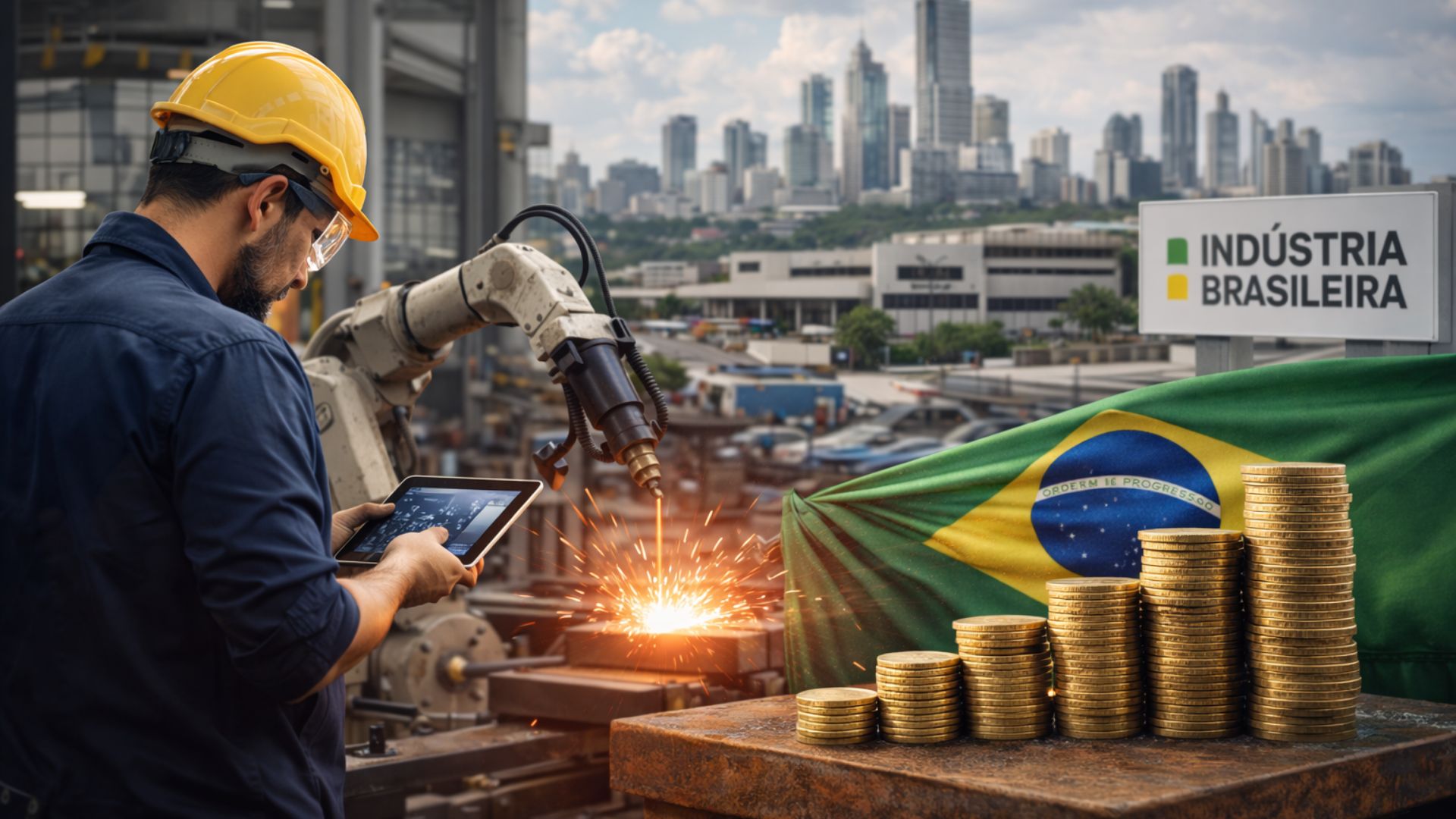
How investment in technology can revolutionize the national economy and enhance industrial gains, according to a study that highlights the direct impact on productivity, innovation, and wealth retention within Brazil.
-
The largest food company on the planet, JBS, has just opened a 4,000 square meter laboratory in Florianópolis to develop customized proteins that modulate muscle mass gain, immune response, and metabolic performance.

-
After nearly 30 bids and competition among industry giants, a Spanish company purchases one of the largest airports in Brazil for almost R$ 3 billion and takes over the management of Galeão in a concession that will last until 2039.


The products that will have a zero import tax include:
- Coffee (previously at a rate of 9%)
- Meat (previously taxed at up to 10.8%)
- Sugar (previously at a rate of 14%)
- Corn (reducing from 7.2%)
- Sunflower Oil (previously taxed at 9%)
- Olive Oil (previously taxed at 9%)
- Sardines (reducing the rate to 32%)
- Cookies (previously at a rate of 16.2%)
- Pasta (previously taxed at 14.4%)
These economic measures to curb inflation aim to stimulate the supply of these products in the market, reducing the prices of the basic basket and directly benefiting consumers.
Request for Reduction of State Taxes on Food by the Federal Government
In addition to eliminating import taxes, the government has also requested that states eliminate state taxes on basic basket products. Although the elimination of federal taxation is already planned in the tax reform for 2027, some states still charge ICMS on essential items.
Vice President Geraldo Alckmin emphasized the appeal: “The federal government has eliminated taxes on the basic basket, but some states still tax ICMS. I urge governors to eliminate this tax as well and help ease prices for consumers.”
Other Economic Measures to Curb Inflation and Stabilize Food Prices
In addition to the tax exemption on meat, coffee, and olive oil, and the request for the reduction of state taxes, the government announced five additional measures to control food prices:
- Expansion of Sisbi: Expansion of the Brazilian Inspection System for Agricultural Products and Inputs to over 1,500 cities, facilitating the trade of products such as milk, honey, and eggs.
- Harvest Plan: Encouragement of financing for basic basket products to ensure greater supply and price stability.
- Strengthening of Conab’s Regulatory Stocks: The National Supply Company will increase its stocks to avoid shortages and sharp price fluctuations.
- Dissemination of Better Prices: The federal government, in partnership with the private sector, will start to disclose the best prices for basic basket products.
- Dialogue with States to Eliminate Taxation: Direct negotiations with states to eliminate ICMS on essential items.
Impact of Reducing Taxes on Food on the Economy and Family Budget
The cost of food has been one of the main concerns for the population and the government. According to data from the IBGE, the food and beverage sector was responsible for one-third of the inflation in 2024, with a 7.69% increase in food prices, while overall inflation rose 4.83%. Meat, for example, saw a significant increase of 20.84%, the highest since 2019.
The situation has been worsened by climatic factors, such as excessive rain in producing regions, and by rising logistical costs, such as diesel price adjustments and the impact of the dollar on commodities.
In February, President Lula suggested that the population avoid purchasing high-priced products as a form of pressure on the market. Now, with concrete measures, the government hopes that the tax exemptions and increased supply will positively impact basic basket prices.
With the reduction of the tax burden and other initiatives, it is expected that the prices of the basic basket will begin to fall in the coming days, easing the family budget and providing a positive impact on the country’s economy.









Se esse energúmeno que administra o país e seus comparsas cortassem os gastos de seus próprios gabinetes e seus respectivos cabides o impacto seria muito mais positivo, pois essa medida é simplória diante dos problemas econômicos existentes no país, os quais foram causados pelo excesso de gastos do próprio governo federal com a companheirada.