





 Portuguese
  English
  Spanish
  5 min of reading
  0 comments


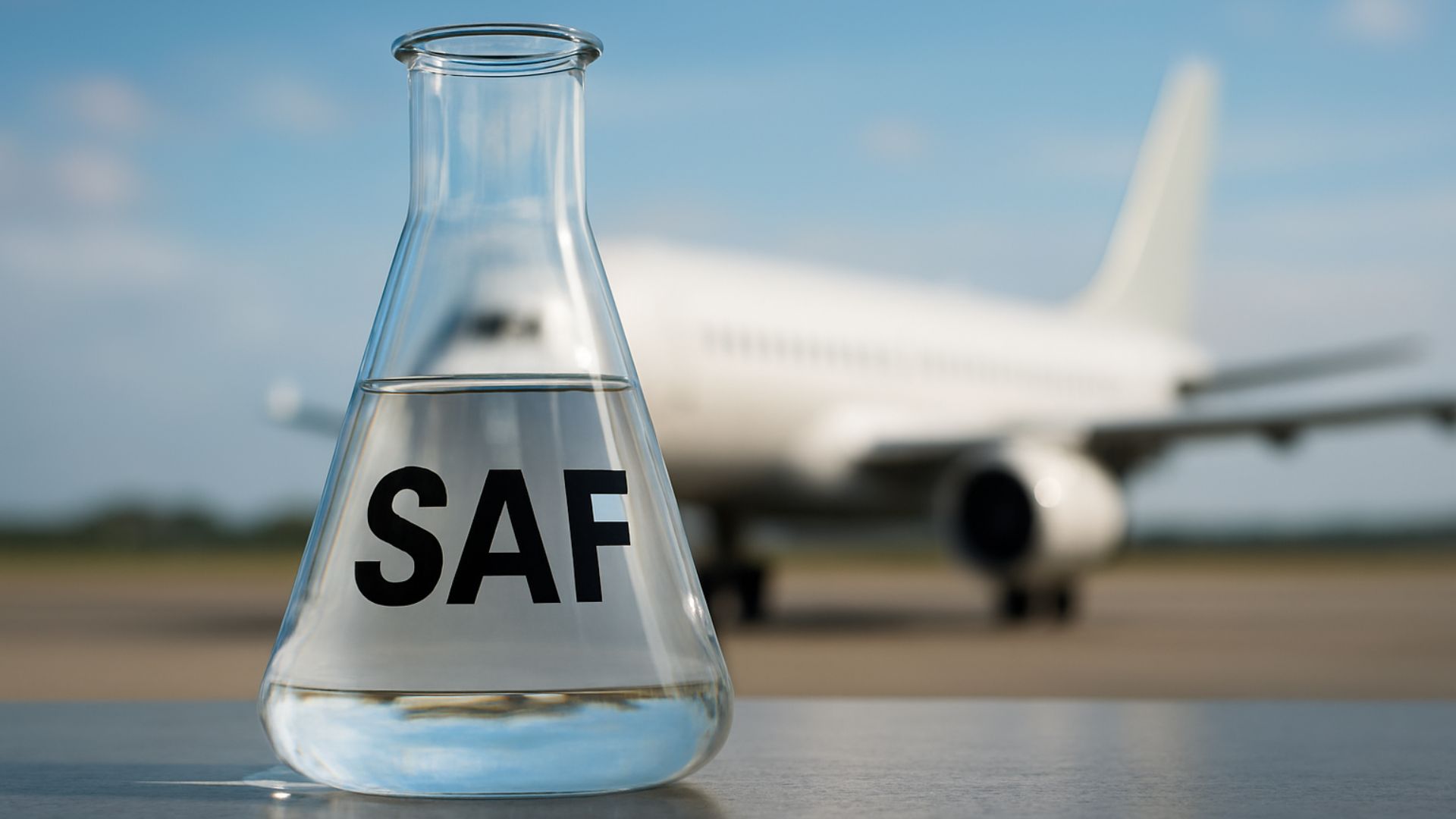
Alléo Energy, American Company, Launches Sustainable Aviation Fuel (SAF) Offer in Brazil and Advances Decarbonization of the Aviation Sector with New Clean Technology
The arrival of Alléo Energy in Brazil, as reported by Folha de S.Paulo this Monday (01), marks an important movement in the expansion of the use of sustainable aviation fuel (SAF) in the country. The initiative reinforces the growing global attention to reducing emissions from the aviation sector and joins the efforts of Brazilian companies and regulatory policies that have already been paving the way for the energy transition of aviation.
What Changes with the Entry of American Company Alléo Energy into Brazil
Alléo Energy — American company specialized in renewable energy solutions — is bringing a new SAF to the country. This information comes at a time when Brazil seeks to increase its participation in the global market for sustainable fuels and meet international emission mitigation requirements.
The arrival of SAF by Alléo Energy adds to other recent movements in the sector, such as the importation carried out by Vibra Energia and the tests conducted by Petrobras. The presence of more suppliers in the national market may have direct effects on supply, pricing competitiveness, and the acceleration of the adoption of this type of fuel by Brazilian airlines.
-
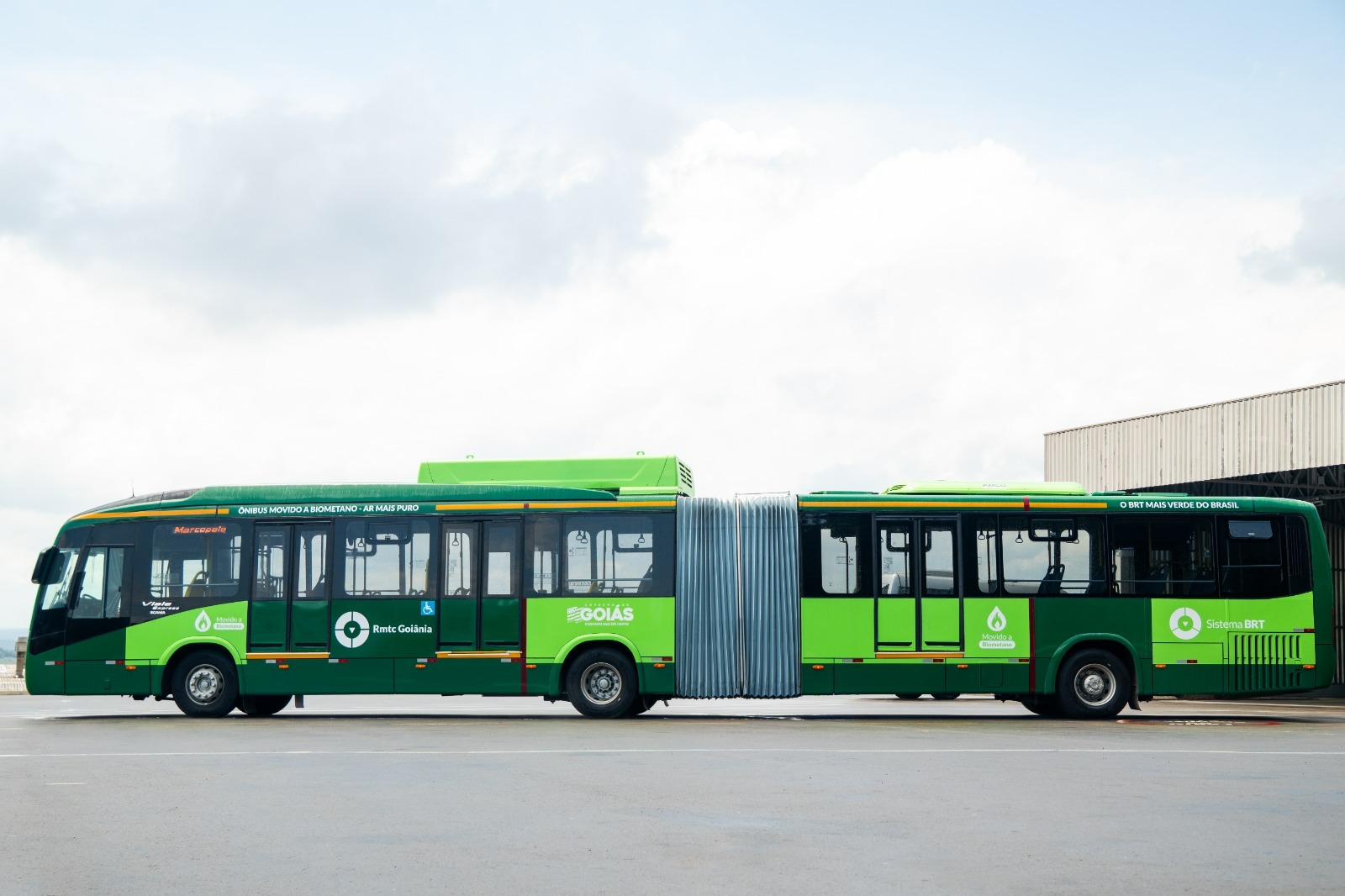
Revolution in public transport: Goiânia puts into circulation the first articulated buses powered by biomethane in Brazil and promises to drastically reduce pollution on the Anhanguera Corridor.
-
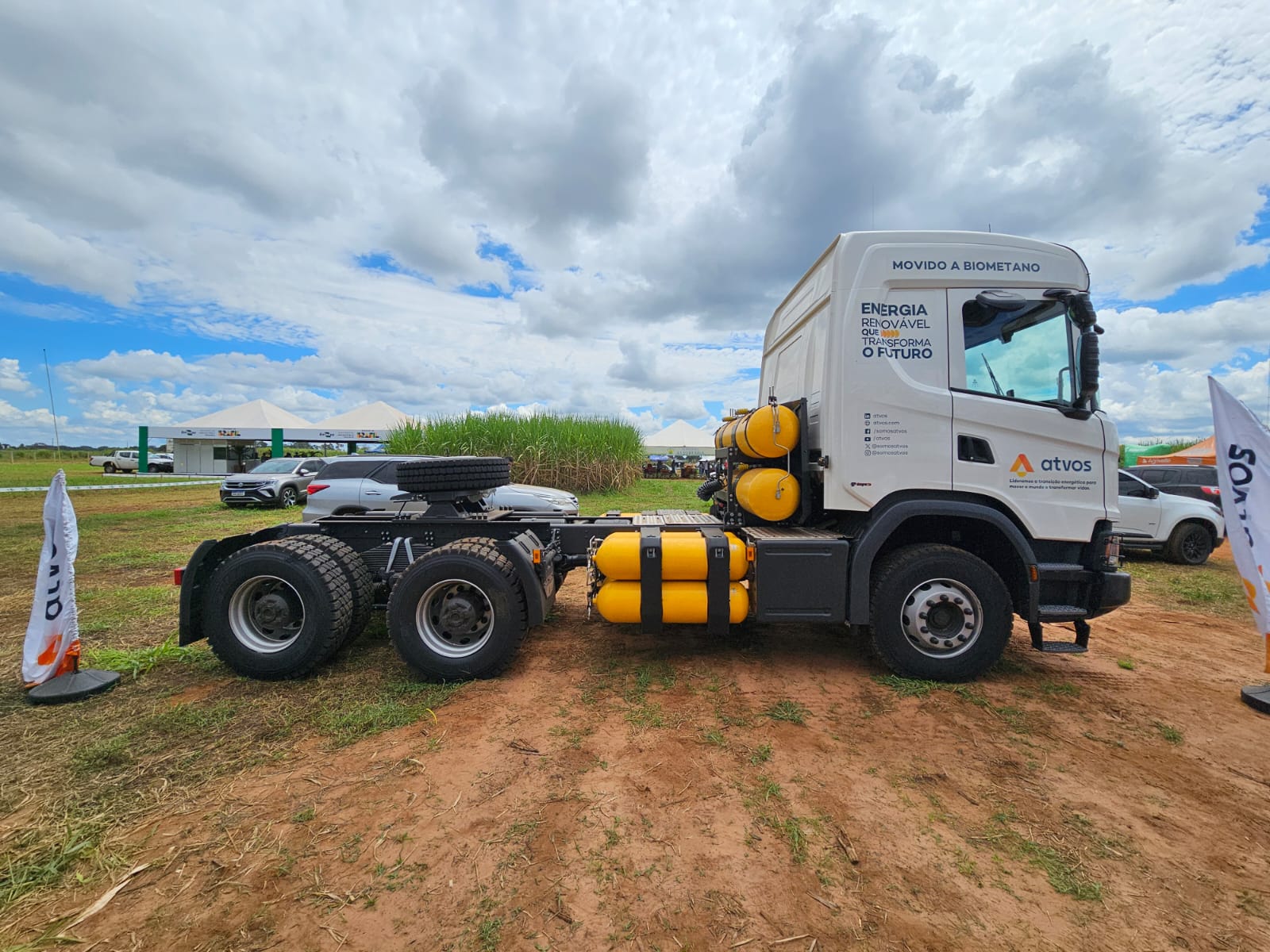
From the field to the pipelines: Mato Grosso do Sul accelerates the energy transition and consolidates a new axis in renewable energy with the arrival of a giant biogas plant.
-
The Economist states that Brazil has a “secret weapon” against expensive oil and highlights how the country can reduce economic impacts even in international scenarios of high volatility.

-
Brazil accelerates decarbonization in the South: International forum in Foz do Iguaçu gathers leaders to discuss the advancement of biomethane in the energy matrix and the potential of “caipira pre-salt.”


SAF is highlighted as one of the main alternatives to reduce emissions in air transport, as it can decrease the carbon footprint of flights without requiring changes to aircraft or fueling systems.
Understand How Alléo Energy Will Operate in the Brazilian Market
The company develops clean energy production units capable of converting wood waste, energy crops, and urban waste into different renewable fuels. In addition to SAF, the company can also produce green diesel for road transport — within the standards of ASTM D975 —, green hydrogen on a large scale, and biochar.
In Brazil, its operations will be represented by OnFresh. The future plants installed in the country are expected to utilize cellulosic materials, byproducts of industrial processes, and municipal waste to manufacture these fuels, which, according to the company, could be produced at the lowest cost achieved so far.
According to Fernando Ochman, business director of OnFresh, the technical team can adapt each plant according to the production needs of the companies, allowing them to choose which fuels they want to generate and even the proportion of each.
Recently, Alléo developed a method that produces more than 100 kilograms of green hydrogen for each ton of cellulosic waste used. This patented system generates hydrogen with a negative carbon balance — that is, in addition to not releasing CO₂, it also removes particles from the atmosphere.
Current Scenario of Sustainable Aviation Fuel in Brazil
Regulatory Advances and Decarbonization Goals
In recent years, Brazil has been structuring policies and guidelines to produce and use sustainable aviation fuel, aligned with international goals aiming for net zero emissions by 2050. The federal government, through sectoral initiatives, is already projecting commercial-scale production starting from 2027.
Additionally, the country is discussing models for tax incentives, environmental certifications, and productive partnerships aimed at making SAF competitive against traditional aviation kerosene.
Studies show that Brazil has the potential to become a leader in global production, due to the abundance of biomass, agricultural waste, and established expertise in biofuels — especially ethanol and biodiesel.
Forecasted Supply and Demand for the Coming Years
Reports from sector institutions indicate that national demand for SAF could reach between 3.2 and 9.1 billion liters by 2037, varying according to the technological route and the pace of adoption by airlines. However, the current available volume meets just over a quarter of this estimated demand, highlighting a significant gap between need and supply.
Today, only a limited number of airports offer the fuel. Vibra Energia, for example, began selling SAF in 2025 at Galeão Airport in Rio de Janeiro, using an internationally authorized blend of up to 10% renewable fuel with 90% fossil kerosene.
Despite these advances, experts assert that the presence of new suppliers is essential to increase availability, reduce costs, and stimulate market growth.
Why the Arrival of Alléo Energy in Brazil is Strategic for the Aviation Sector?
Expansion of Supply and Increase in Competitiveness
With the entry of Alléo Energy, Brazil gains another source of SAF, reducing dependence on sporadic imports and isolated initiatives from domestic companies. This expansion in the supplier base can stimulate competitiveness and enable more affordable pricing.
Moreover, the arrival of a new American company reinforces the internationalization of the sustainable fuel market in Brazil, opening doors for future partnerships with airlines and logistics operators.
Direct Support for the Decarbonization of the Aviation Sector
SAF can reduce greenhouse gas emissions by up to 80% over its lifecycle, depending on the raw material and production process used. Although the exact percentages vary according to technological routes, the global consensus is that sustainable fuel is one of the most viable short-term solutions to bring civil aviation closer to decarbonization goals.
The arrival of SAF by Alléo Energy reinforces this movement and could accelerate the incorporation of renewable fuels in domestic and international flights in Brazil.
Enhancement of Airlines and Benefits to Consumers
For airlines, adopting SAF represents a competitive advantage and improves public perception, as it demonstrates environmental commitment. For passengers, while there is no immediate direct impact on ticket prices, this action is part of a trend that could make aviation more sustainable and efficient.
Future Paths and Opportunities for Sustainable Aviation with Alléo Energy
With the advancement of decarbonization and the entry of new suppliers of sustainable aviation fuel, Brazil positions itself strategically in the global scenario. Alléo Energy’s movement not only expands the supply of SAF but also reinforces the international relevance of the country in this market.
The trend is that in the coming years, national production will grow, supported by investments in technology, research, and regulation. If this materializes, Brazil could become an exporter of SAF, integrating into international production chains and consolidating regional leadership.
For passengers, airlines, and the entire transportation chain, the moment is one of change and adaptation. The future of aviation increasingly depends on sustainable solutions, and SAF consistently proves to be one of the most promising and immediate alternatives to reduce environmental impacts without compromising sector efficiency.







-

Uma pessoa reagiu a isso.