





 English
  Francês
  Alemão
  Italiano
  Japonês
  Norueguês
  Portuguese
  Spanish
 4 min of reading


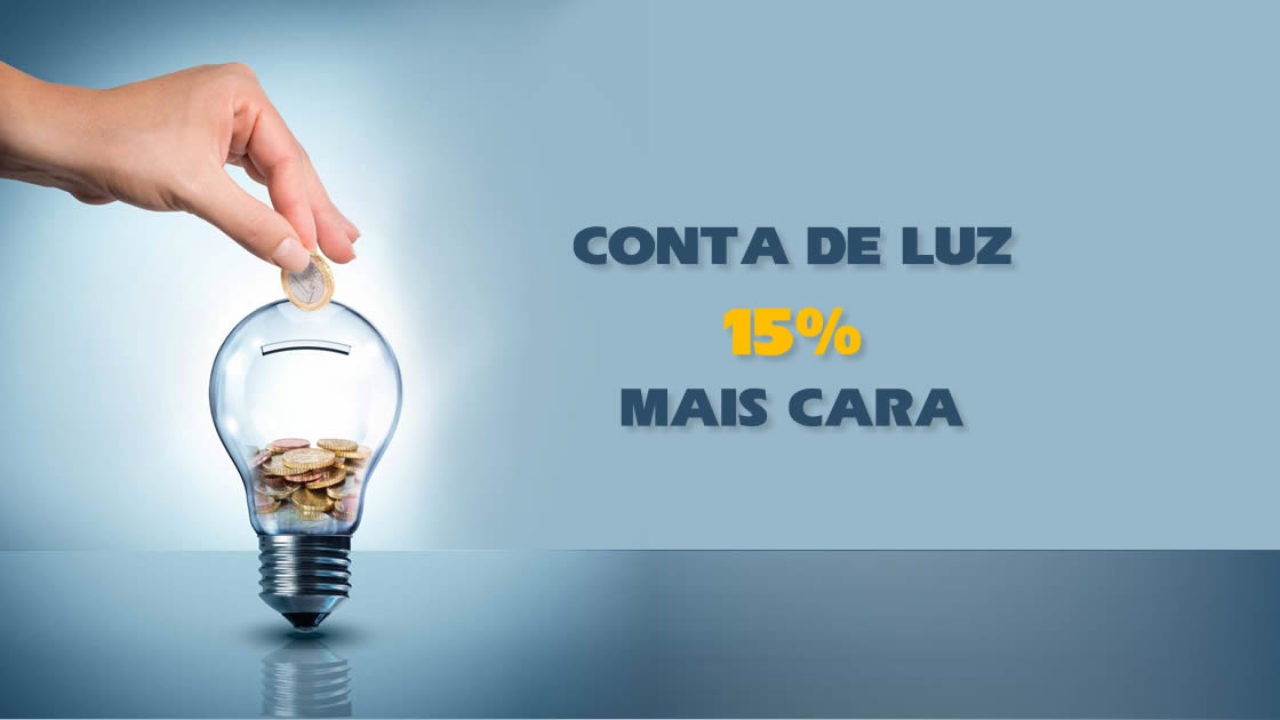
Electricity Bills for Consumers Who Produce Their Own Energy Will Increase by Up to 14.5% in the State of Ceará; Taxed for “Using the Wires”
Even though everyone knows how privileged the State of Ceará is with sunlight throughout the year, the electricity bill for consumers who produce their own energy in the state may become up to 14.5% more expensive starting this March. Blade-less Turbines Could Revolutionize Wind Farms and Change the World of Renewable Energy
Also Read
- Mega Explosion Destroys Oil Refinery Leaving People Injured and ‘Homeless’ in Indonesia
- Fuel-loaded Cars Caught Fire Yesterday (29) Near Replan, Petrobras Refinery in Paulínia
- Electrolux, the Second Largest Appliance Manufacturer in the World, Hires for Its Factories in Brazil, Today March 29
This is because a Tax on Circulation of Goods and Services (ICMS) will be charged on the transmission and distribution tariffs of electricity (TUST and TUSD). According to the State Department of Finance (Sefaz-CE), the change is an adjustment to existing legislation.
With this new charge, the increase in the electricity bill for more than 15,000 units that produce their own energy will be approximately 15% higher.
-
A study reveals the expansion of renewable energy procurement in Brazil and shows how companies are taking advantage of opportunities to reduce expenses, ensure energy efficiency, and strengthen strategic environmental commitments.

-
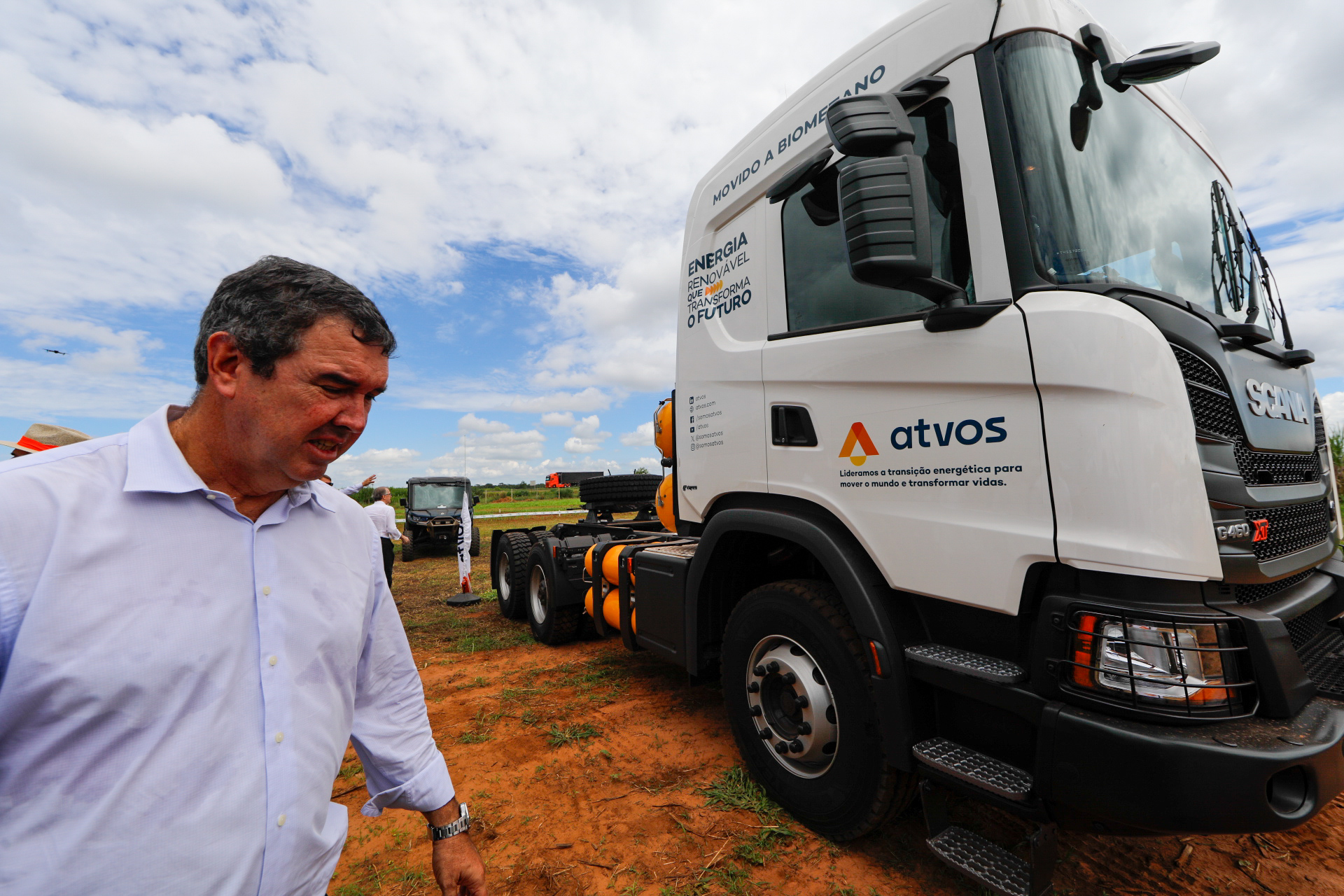
Mato Grosso do Sul excels in the sugar-energy sector: the state reaches a milestone of 22 operating mills and accelerates the production of clean energy in MS with a focus on sustainability.
-
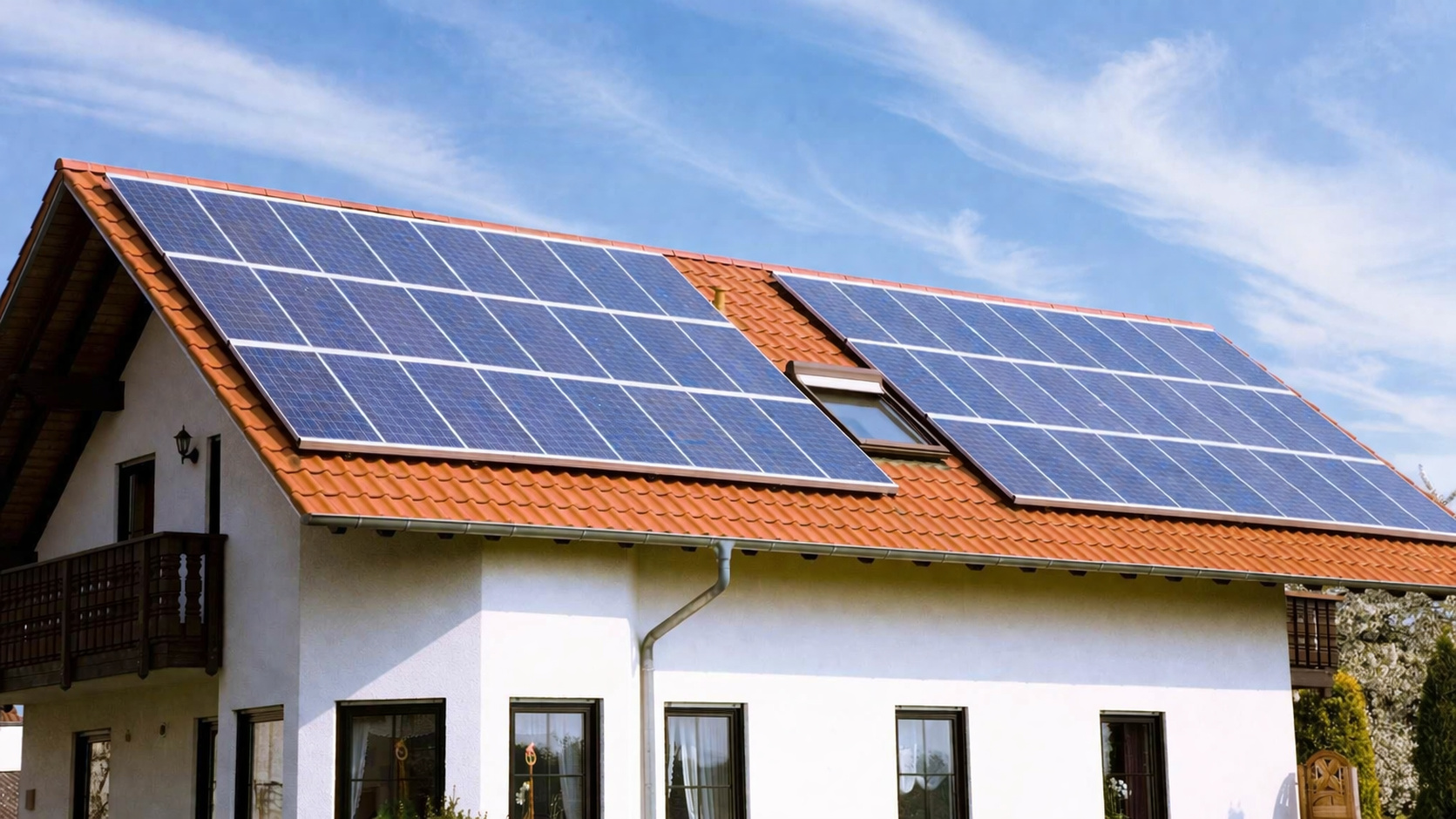
National energy dilemma: Brazilians support clean energy but reject increases in tariff costs to finance the sustainable transition.
-
Research indicates that Brazilians support clean energy and wish to advance in the energy transition, but reject paying more on their electricity bill, showing a direct conflict between cost and sustainability.


Ceará becomes the first state in the Northeast to change the understanding of the Distribution System Usage Fee (Tusd). Experts argue that consumers who generate their energy should not be charged the ICMS because there is no transfer of ownership, whether from the generated energy or from the usage of wires, including through the distribution system.
The Director of Distributed Generation of the Electric Energy and Services Industries Union of the State of Ceará (Sindienergia), Hanter Pessoa, explains that people who produce all the energy they consume, whether through wind or solar, pay the concessionaire, in this case, Enel Ceará, only a fixed fee related to public lighting and tariffs.
Enel Ceará, through a statement, informed that it is just “complying with the current tax legislation in the State of Ceará”
There are various questions regarding this issue, including those who believe that the ICMS should not apply to these tariffs, but only to the energy effectively consumed. Others highlight that the moment is delicate and that social isolation and remote work have made many families cut back on spending for leisure, travel, transportation, food away from home, and clothing. However, they have seen an increase in grocery bills, internet costs, and especially electricity.
The head of Sefaz-CE, Fernanda Pacobahyba, clarifies that in 2015, the National Council of Tax Policy (Confaz) entered into an agreement to eliminate the ICMS rate on self-generated electricity. However, the exemption does not include TUST and TUSD.
“There was no change in the legislation. Production remains exempt. However, here in Ceará, Enel did not separate these values and applied the exemption to everything. We identified this and guided the company to make a change in the system to separate the two. Then it (Enel) started applying the agreement correctly,” she details.
Enel Ceará, through a statement, informed that it is just “complying with the current tax legislation in the State of Ceará” and that it informed customers in advance about the charge. “Regarding the retroactive value, the company states that it is analyzing the matter,” the text adds.
Solar Energy in Brazil Equals Half the Installed Capacity of the Itaipu Hydroelectric Plant
According to data from the Brazilian Association of Photovoltaic Solar Energy (Absolar), in 2020, the installed capacity of solar energy in Brazil grew by 64% and reached 7.46 gigawatts (GW), equivalent to half the installed capacity of the Itaipu Hydroelectric Plant. Since 2012, this alternative source has brought R$ 35 billion in new investments and generated over 210,000 jobs. By reducing the need for energy generated by thermoelectric plants, which burn fossil fuels, solar energy has already prevented the emission of over one million tons of CO in the country.
Despite all these advantages, in addition to being cheaper, more ecological, and more democratic, requiring little maintenance, being durable and silent, the Government of the State of Ceará, unresponsive, decided to impose a tax for the “use of wires.” That’s right, making these consumers pay for the use of the infrastructure through which the energy generated by them, harnessed from the power of the sun, is transmitted, with the Tax on Circulation of Goods and Services (ICMS).









Seja o primeiro a reagir!