





 English
  Francês
  Alemão
  Italiano
  Japonês
  Norueguês
  Portuguese
  Spanish
  3 min of reading



The ICMS Cap Is an Emergency and Temporary Solution to Curb the Constant Increases in Gasoline and Diesel Prices.
The price of gasoline at refineries rose from R$ 3.86 to R$ 4.06 per liter, recording an increase of 5.18%. Meanwhile, the price of diesel increased from R$ 4.91 to R$ 5.61, which represents a 14.26% adjustment. Data was announced by Petrobras on June 17.
The rise in gasoline and diesel prices is likely to further drive inflation, which is already at 11.73% over the past 12 months. As the logistics of Brazilian commerce are heavily linked to road transport and practically everything consumed comes from truck freight, the rise in fuel prices will cause a chain reaction in product prices.
“Brazil is a country very dependent on road transport to supply consumption chains; any fuel adjustment directly impacts freight costs, affecting product prices,” says Richard Clayton, entrepreneur and president of Trinta Porcento.
-
Brazilian giant expands borders in the Southeast: Petrobras confirms new oil discovery in ultra-deep waters in the pre-salt of the Campos Basin.

-
Alert in the global energy market: Severe tropical cyclone hits the coast and disrupts gas production at major plants in Australia, threatening global supply.

-
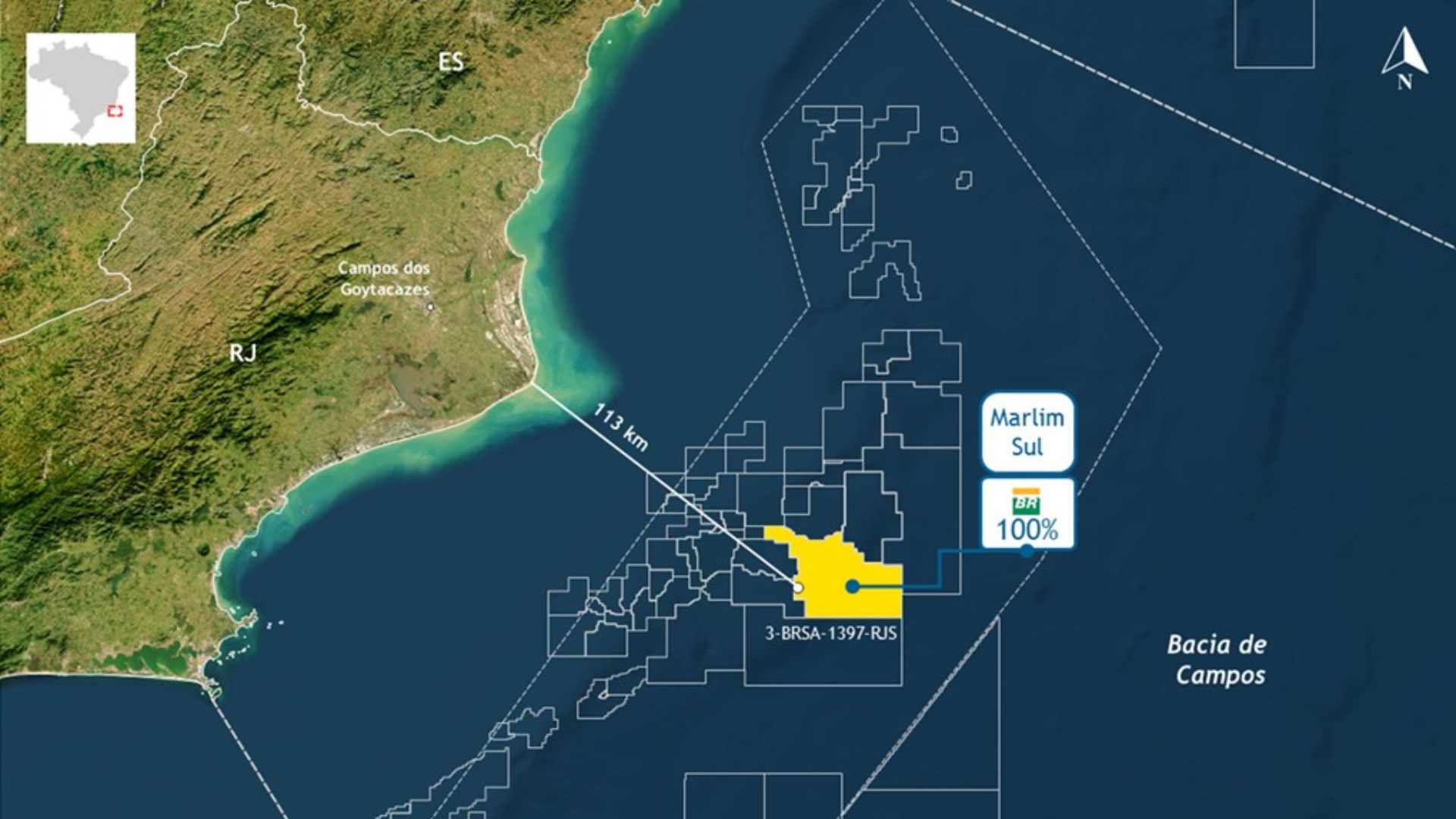
Petrobras finds high-quality oil in the pre-salt at 113 km from RJ and reignites expectations about strategic reserves in the Campos Basin.

-
Ocyan opens registrations for startups focused on innovation in the oil and gas sector and will select projects for Innovation Day with the support of Nexio.


For Richard, the constant increase in product prices reduces Brazilians’ income. “It creates difficulty in consuming more products and affects the merchants selling the products as well,” he comments.
Pressure on Petrobras
In recent years, the state-owned company has faced harsh criticism from the President of the Republic, Jair Bolsonaro (PL). The president recently stated that the company’s profit “is something that nobody can understand” and suggested the establishment of a Parliamentary Inquiry Commission (CPI) to investigate directors and members of the board.
Meanwhile, Arthur Lira (PP-AL), president of the Chamber of Deputies, demanded the immediate dismissal of the company’s former president, José Mauro Ferreira Coelho.
The deputy’s request was granted: the state-owned company announced the dismissal of the then-president, José Mauro, on the 20th. “The appointment of an interim president will be examined by Petrobras’s Board of Administration from now on,” the company stated in a note. The former president is the third to lead the company during the “Bolsonaro Era.”
Price Increases
According to the Brazilian Institute of Economics of Fundação Getulio Vargas (FGV Ibre), the rise in fuel prices will impact the National Consumer Price Index (IPCA), with a 0.14 percentage point increase, to be diluted in June and July.
The IPCA is an index designed to measure the price variation of a basket of products and services consumed by the country’s population, indicating month-to-month variations.
“In this month’s IPCA, only half of this increase should be priced in. This year’s inflation, in my estimate, will be 9.2%, already considering the effects of this fuel price adjustment,” noted André Braz, the coordinator of price indices at the institution.
To Consumers
According to analyses by Petrobras, the average consumer price of gasoline could rise from R$ 2.81 to R$ 2.96 per liter sold at the pump—a variation of R$ 0.15 per liter. In the case of diesel, the state’s share could increase from R$ 4.42 to R$ 5.05 per liter sold at gas stations, with an increase of at least R$ 0.63 per liter.
Although the increase is imminent, the determination of a “cap on charges” of 17% on the ICMS for fuels, already approved by the Chamber of Deputies, could mitigate the values by up to 9%, according to specialists.
“The ICMS cap is an emergency and temporary solution to curb the constant increases in gasoline and diesel prices. The government is seeking a way to ensure price stability for fuel, and to achieve this, it is setting the ICMS cap. However, this cap is not sufficient to cover the states’ revenues,” analyzes Richard.
For the businessman, the consecutive increases increasingly worry consumers. Banks and institutions consulted in a Projeções Broadcast survey analyze that the Central Bank is likely to raise the Selic Rate (the main interest rate in the country) to 13.75% per year by the end of the monetary tightening cycle. A week ago, the estimate was 13.25%.
“Depending on the method used, the government risks increasing its overall debt, bringing economic risks to Brazil, which sounds unfavorable to investors and decreases interest in investing in the country,” concludes Richard.






Seja o primeiro a reagir!