





 English
  Francês
  Alemão
  Italiano
  Japonês
  Norueguês
  Portuguese
  Spanish
  4 min of reading


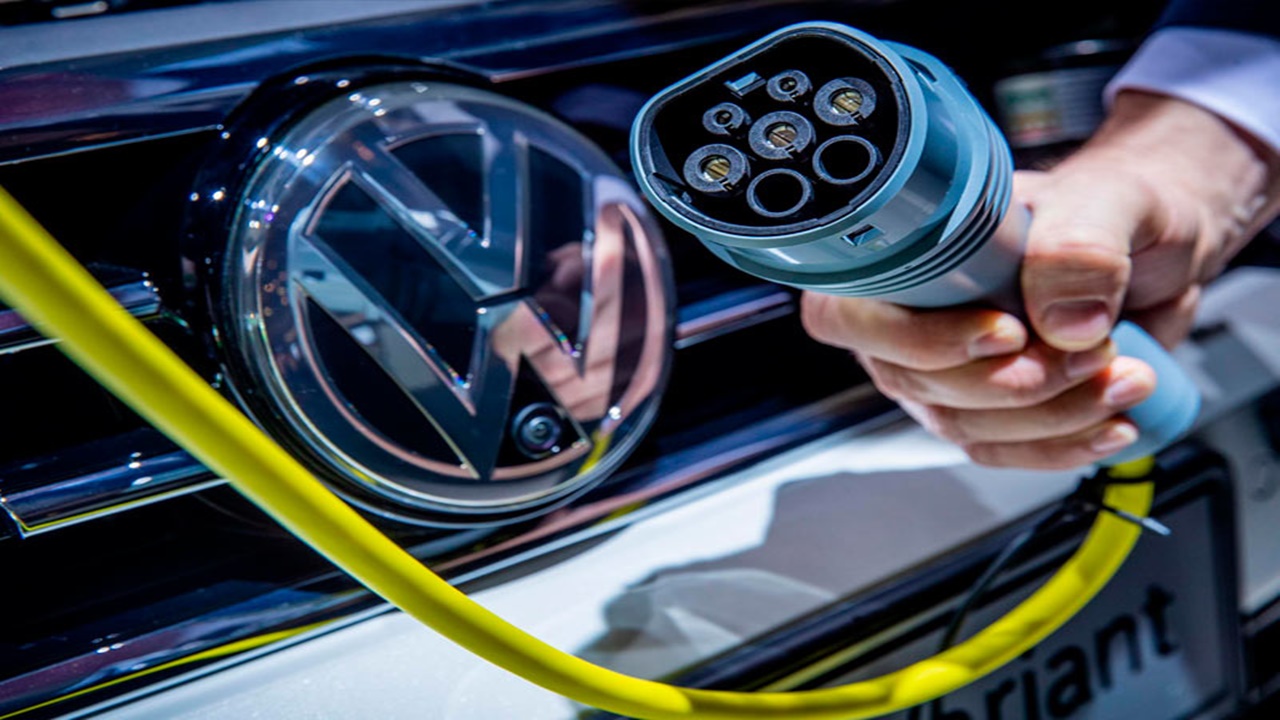
Consumers’ Budgets, Ride-Hailing Drivers, and Taxi Drivers Cannot Stand Constant High Gas Prices, and Brazilians Are Turning to Electric Cars
With the constant surge in gas, ethanol, diesel, and CNG prices, Brazilian consumers are turning to electric cars. From January to July 2021, 17,554 light electrified vehicles were sold in Brazil, according to data collected by CARCON AUTOMOTIVE, compared to 9,263 during the same period in 2020. This data shows an 85% growth in sales in this segment, while total light vehicle sales had an overall increase of 25%.
See Also
- Shipyard Ecovix Announces It Is About to Earn Large Repair and Maintenance Projects for Ships That Provide Services to Petrobras, Generating and Preserving Many Jobs
- Multinational MODEC Recruits Candidates Without Experience for Onshore Activity in Macaé (RJ); Today’s Job Openings (09/29) Are for Recent Graduates in Engineering
- The Ants and Grasshoppers of Sovereign Funds: Rio de Janeiro, the Largest Oil and Gas Producer in Brazil, Has Not a Dime in Savings to Safeguard the State’s Future
- Resolution on Decommissioning Guarantees Approved by the Regulatory Body for Activities in the Oil, Natural Gas, and Biofuels Industries in Brazil
- WEG, One of the World’s Largest Manufacturers of Electric Motors, Calls for Job Openings for Professionals With and Without Experience for Roles as Production Operators, Technicians, Welders, and More
In the graph below, we see the sales share of electrified light vehicles over the past few years, compared to total sales, and we can observe a quite interesting growth in this share, considering the absence of a strategy for the sector.
The Expectation Is That 35,500 Electric Cars Will Be Sold by the End of 2021
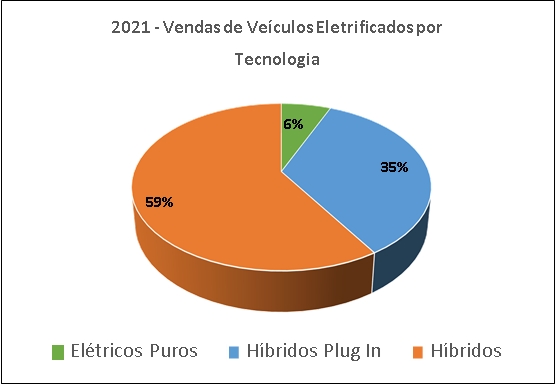
CARCON AUTOMOTIVE projects that by the end of 2021, we will reach 35,500 electric cars sold, an increase of 88% over 2020. Still far from many countries that have implemented specific strategies to encourage vehicle electrification, we note an important upward trend. In the graph below, we see the distribution by type of technology:
-
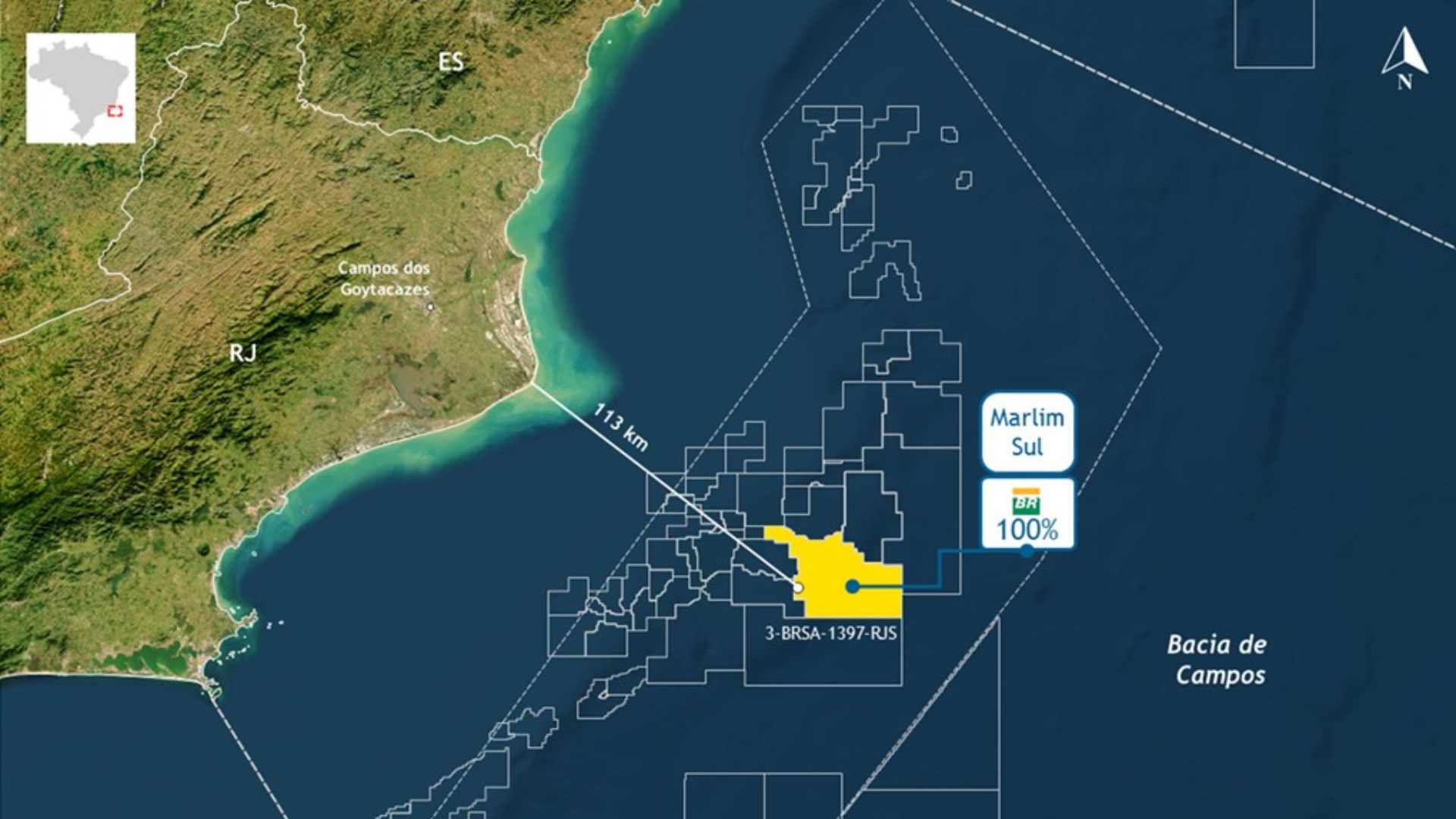
Petrobras finds high-quality oil in the pre-salt at 113 km from RJ and reignites expectations about strategic reserves in the Campos Basin.

-
Ocyan opens registrations for startups focused on innovation in the oil and gas sector and will select projects for Innovation Day with the support of Nexio.

-
Petrobras announces new oil discovery in the pre-salt of the Campos Basin and reinforces Brazil’s prominence with high-quality reserves that can increase production and energy revenues.
-
Alert in the fuel market: Analysts and a former director of ANP warn that oil prices may worsen in the coming months due to global instability.

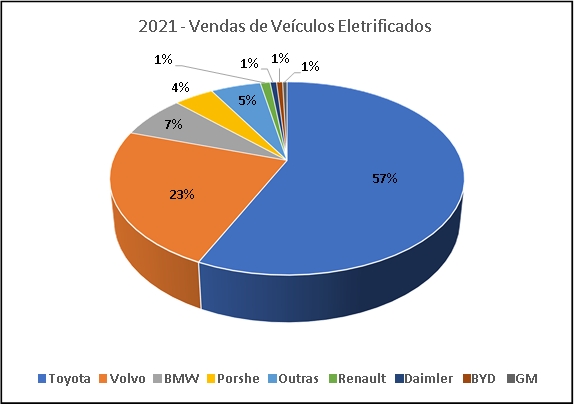
In the following graph, we see the distribution of sales by manufacturer, with Toyota predominating due to the great sales success of its hybrid models.
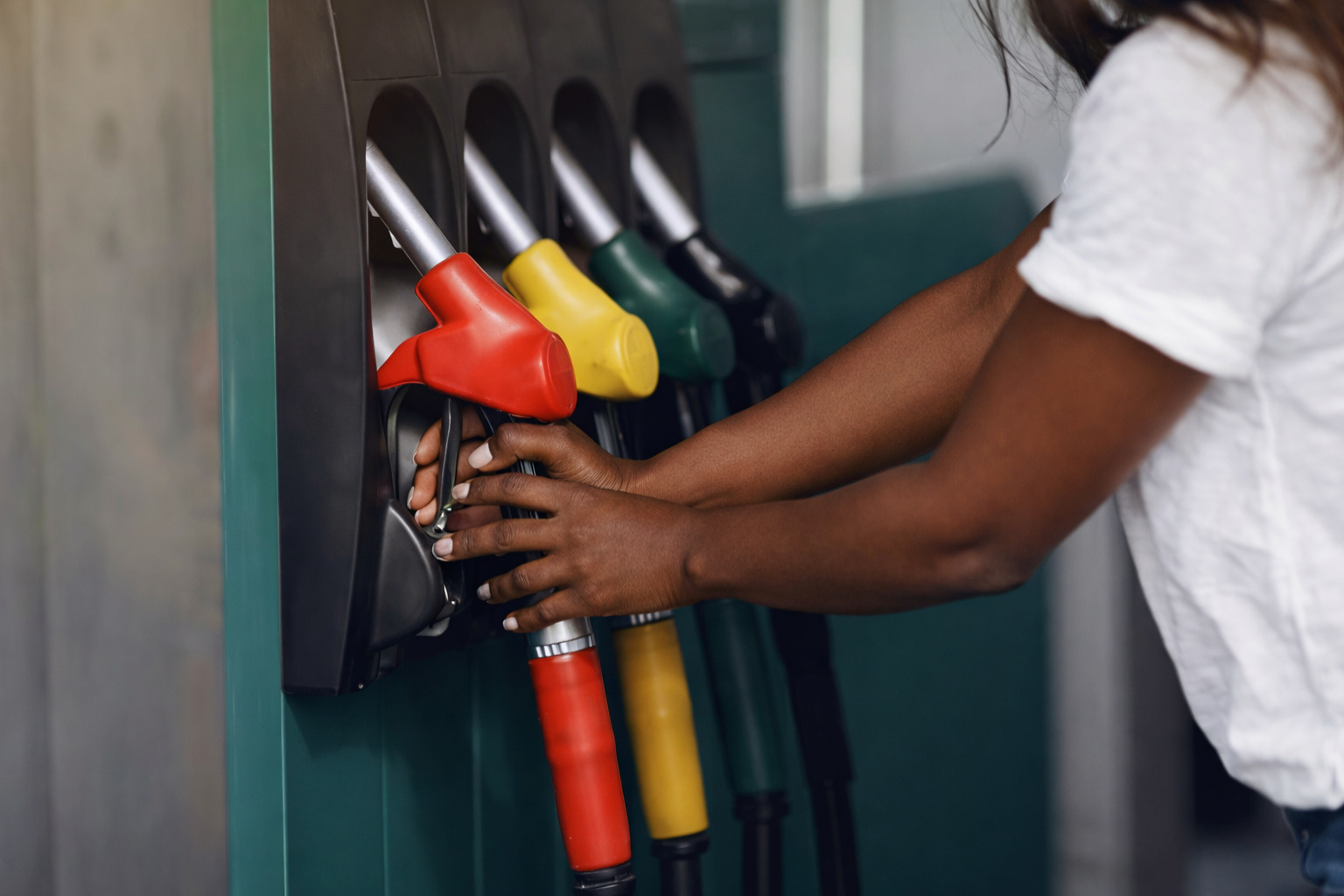
Petrobras Studies Possibility of Raising Gasoline and Diesel Prices Again at Refineries
Executives from Petrobras presented explanations about the formation of gasoline and diesel prices during a hasty press conference last Monday (27th), which was mentioned earlier by President Jair Bolsonaro in a ceremony in Brasília as one of the factors fueling inflation. Claudio Mastella, the executive director of marketing and logistics, said that Petrobras is considering raising fuel prices at its refineries.
Mastella pointed out that there have been significant changes in the international market in recent months, but that much of it has been offset by currency fluctuations in the opposite direction. However, a reduction in oil supply, especially in the United States, and a forecast of rising international energy demand have pushed prices upward. “Because of that, we are looking more closely and carefully at the possibility of adjusting fuel prices,” said Mastella.
The Desperation of Some Brazilian Consumers to Fuel Their Vehicles Has Led Them to Replace Gasoline With Cooking Gas. This Practice Is Becoming Increasingly Frequent Even in Cases of Explosions
The new ‘trend’ among consumers is to clandestinely convert gasoline vehicles so they can be fueled with LPG, commonly known as cooking gas. This practice has become frequent and already has several cases of serious explosions. On e-commerce sites like Mercado Livre, the so-called “conversion kit for vehicles to LPG” is being sold for prices ranging from R$ 500 to R$ 1,000. Sellers promise an 80% savings, when in reality, they are selling a risk to the lives of those who purchase this kit.
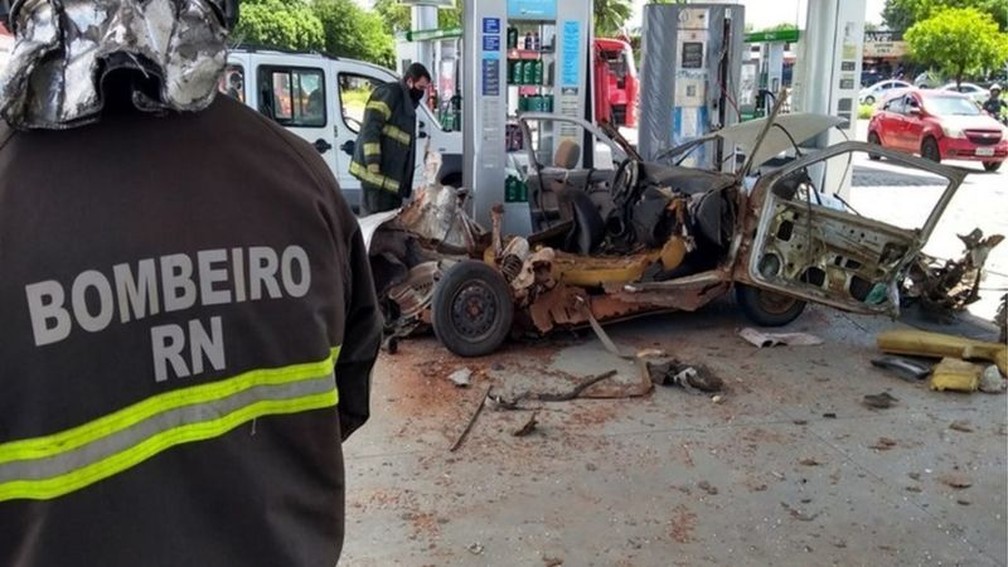
Besides being an illegal practice, fueling and driving a vehicle fueled with cooking gas exposes everyone inside the car and in the vicinity to a high risk of explosion.
In the Chamber of Deputies, a bill (PL 4217/19) was approved by the Constitution and Justice Committee (CCJ) in August and is now ready to be voted on in the Plenary. This project has divided many opinions in the gas sector.
Representatives of the Natural Gas Vehicle (NGV) segment are opposed to the approval of the law, arguing that it could increasingly stimulate clandestine conversion and that with increased demand, it would make cooking gas more expensive for families, considering that currently about 30% of the LPG consumed in Brazil is imported.









Seja o primeiro a reagir!