





 Portuguese
  English
  Spanish
  2 min of reading
  0 comments



Facing Global Warming with Innovations in Civil Construction
The rising heat waves, exacerbated by phenomena such as El Niño and climate change, have led to record temperatures in Brazil, surpassing 44.8ºC. In light of this challenging scenario, the Civil Construction Industry emerges as a fertile ground for innovations aimed at sustainability and thermal comfort. Thermal insulators are being increasingly adopted to reduce the sensation of heat, consequently decreasing the dependence on appliances like air conditioners, which raise energy consumption.
Emerging Technologies and Materials in Sustainable Construction
Various innovative alternatives are emerging in the market to meet this need for environmental cooling without impacting the energy bill. Among them, the following stand out:
- EPS Isopor (Expanded Polystyrene): This material, composed of 98% air and recyclable, is recognized for its effectiveness in thermal insulation, offering protection and lightness to constructions.
- Glass Wool: A high-performance thermal insulator, glass wool is versatile and can be applied in slabs, ceilings, and walls, significantly contributing to more comfortable and energy-efficient environments.
- PIR and PUR Boards (Polyurethane and Polyisocyanurate): These thermal insulating boards, made of rigid foams, have excellent thermal resistance properties and low moisture absorption, making them ideal for civil construction.
- Cellular Concrete Blocks and Special Ceramic Bricks: With thermoregulating properties, these materials are effective in retaining heat, providing cooler indoor environments.
The Role of the Private Sector and Science in the Pursuit of Sustainability
Beatriz Luz, from Exchange 4 Change Brazil, and the Brazilian Association of Metallurgy, Materials and Mining (ABM), highlight the importance of developing these materials in the global context of the climate crisis. World Bank reports emphasize the urgency of transitioning to sustainable practices, stressing the crucial role of the private sector and public policies in this change. The involvement of technical committees from ABM and support for scientific development have been fundamental in fostering the circular economy and sustainability across various sectors, including civil construction.
-
Historic bankruptcy of Centauro shocks the market, and the century-old company puts more than 500,000 products, machines, and complete infrastructure up for online auction.

-
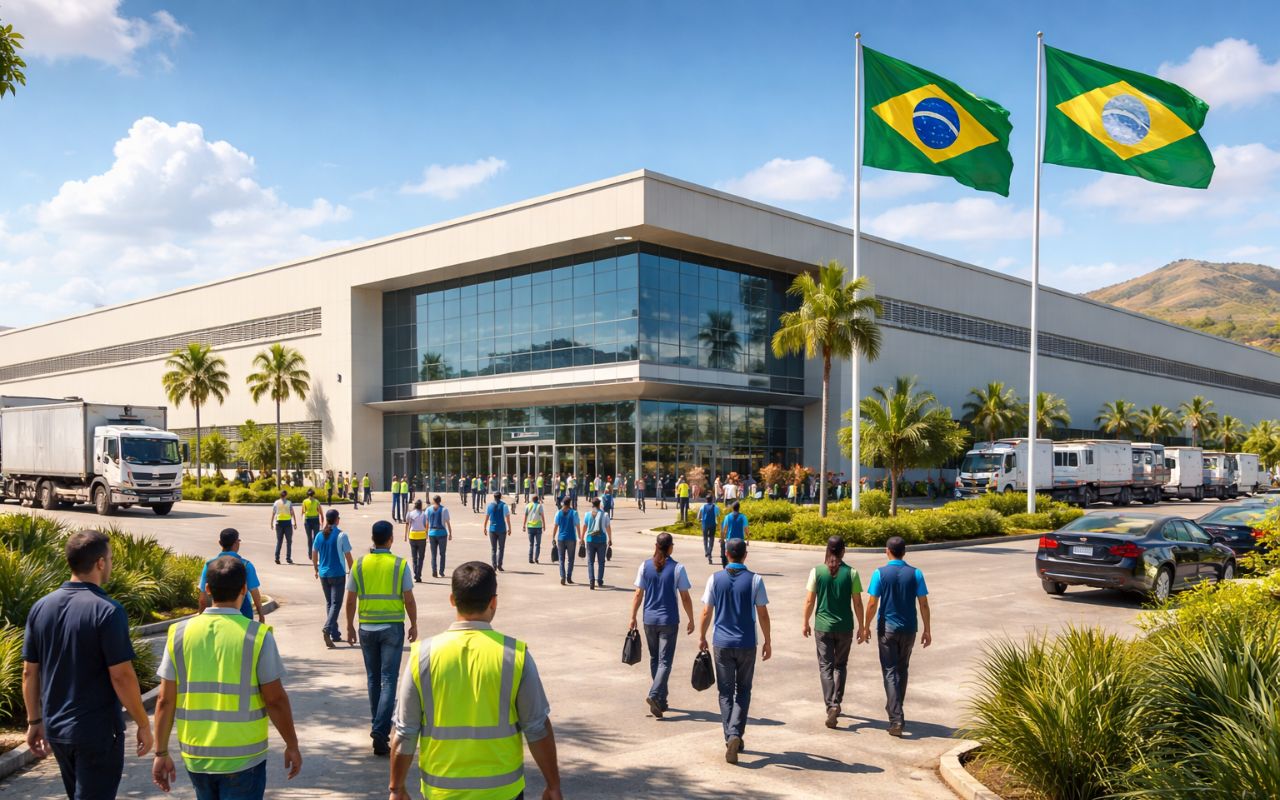
New shoe factory in Ceará is expected to create 400 jobs and strengthen the local economy.
-
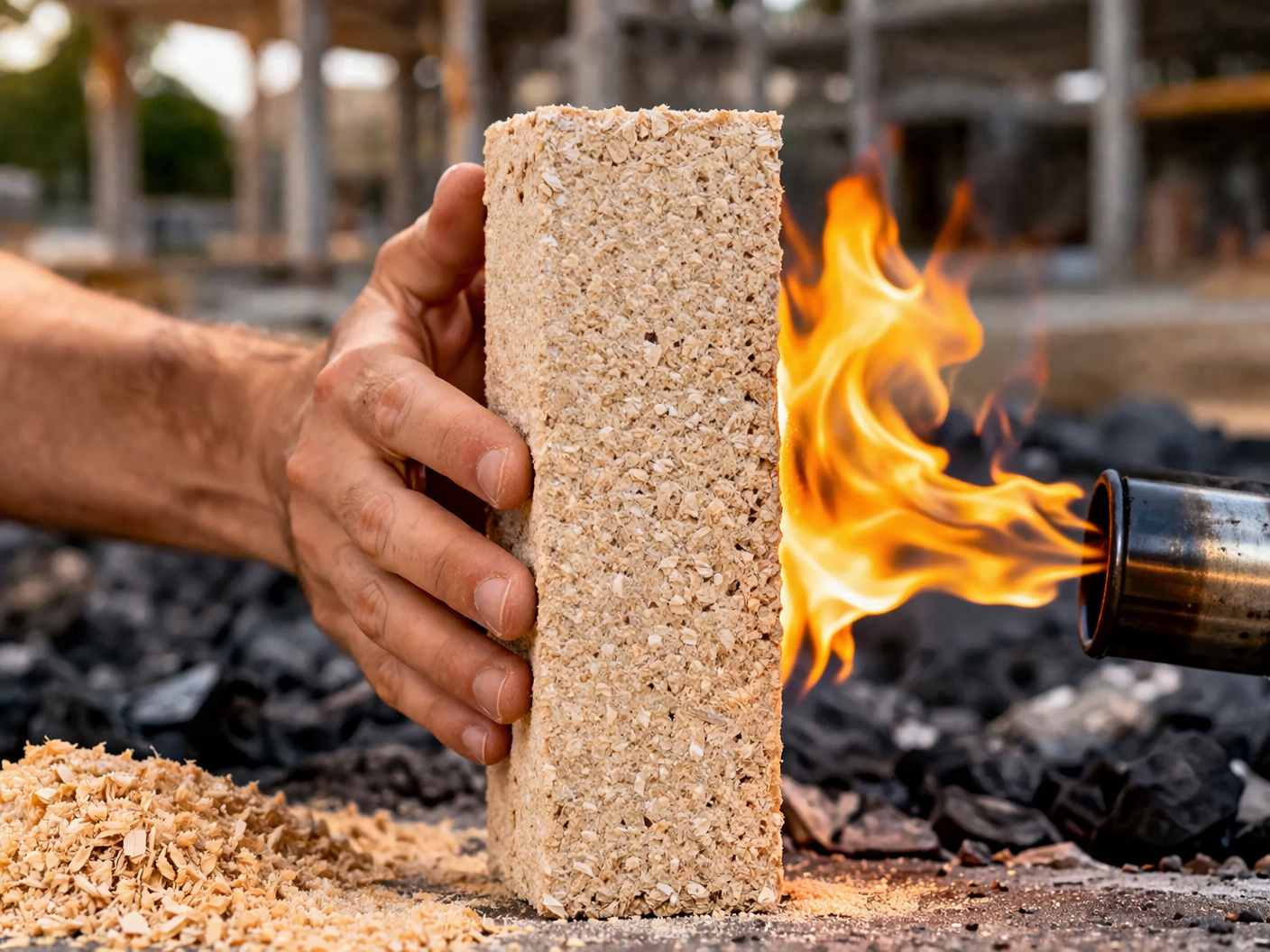
No one imagined it, but a mixture of sawdust with a mineral that fights fires surprises scientists with a result that changes the course of fire-resistant construction.
-
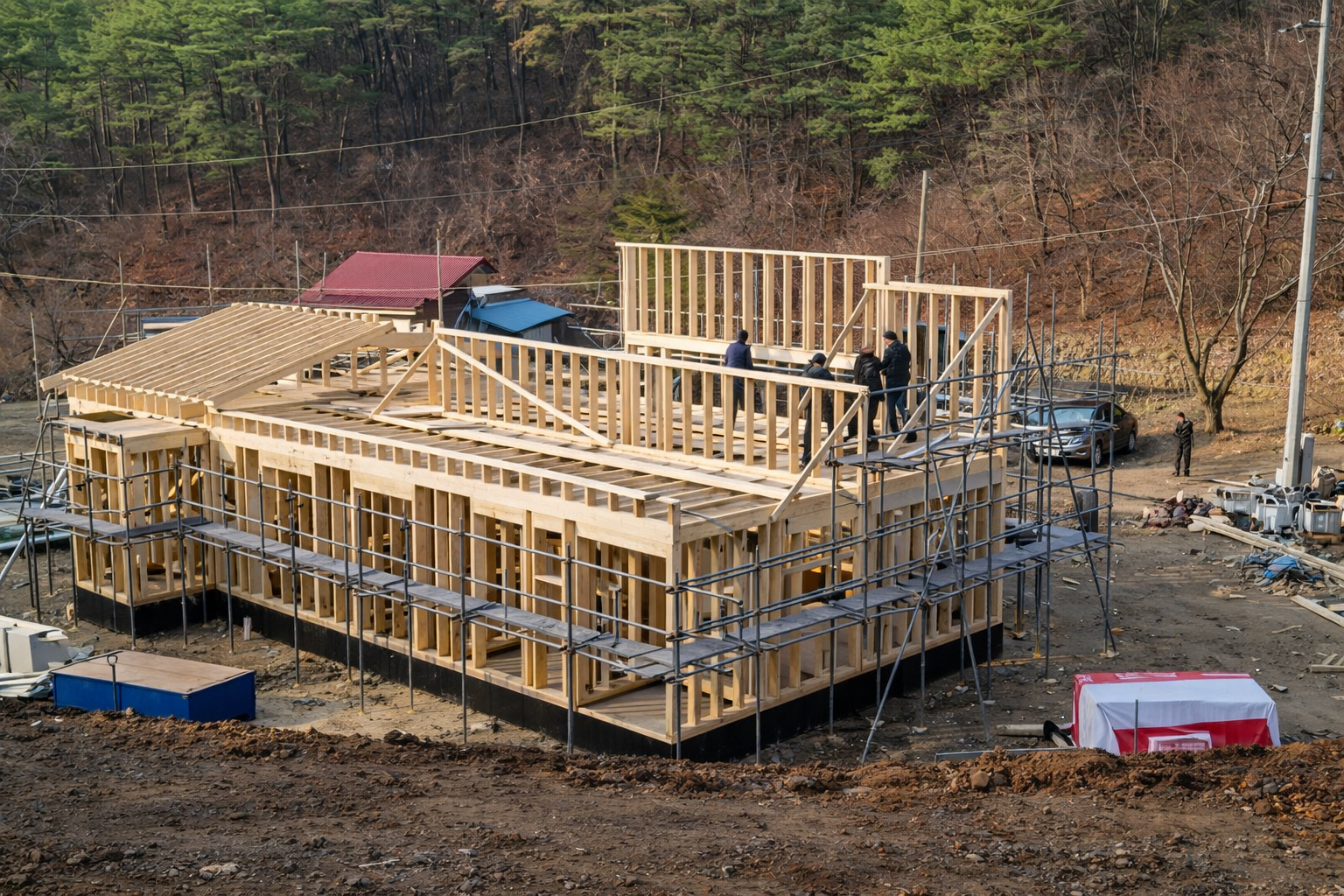
From empty land to a high-end house, wooden construction uses a lightweight system, metal structure for the foundation, ventilated ceramic cladding, and special windows to create an efficient and comfortable living space throughout the year.

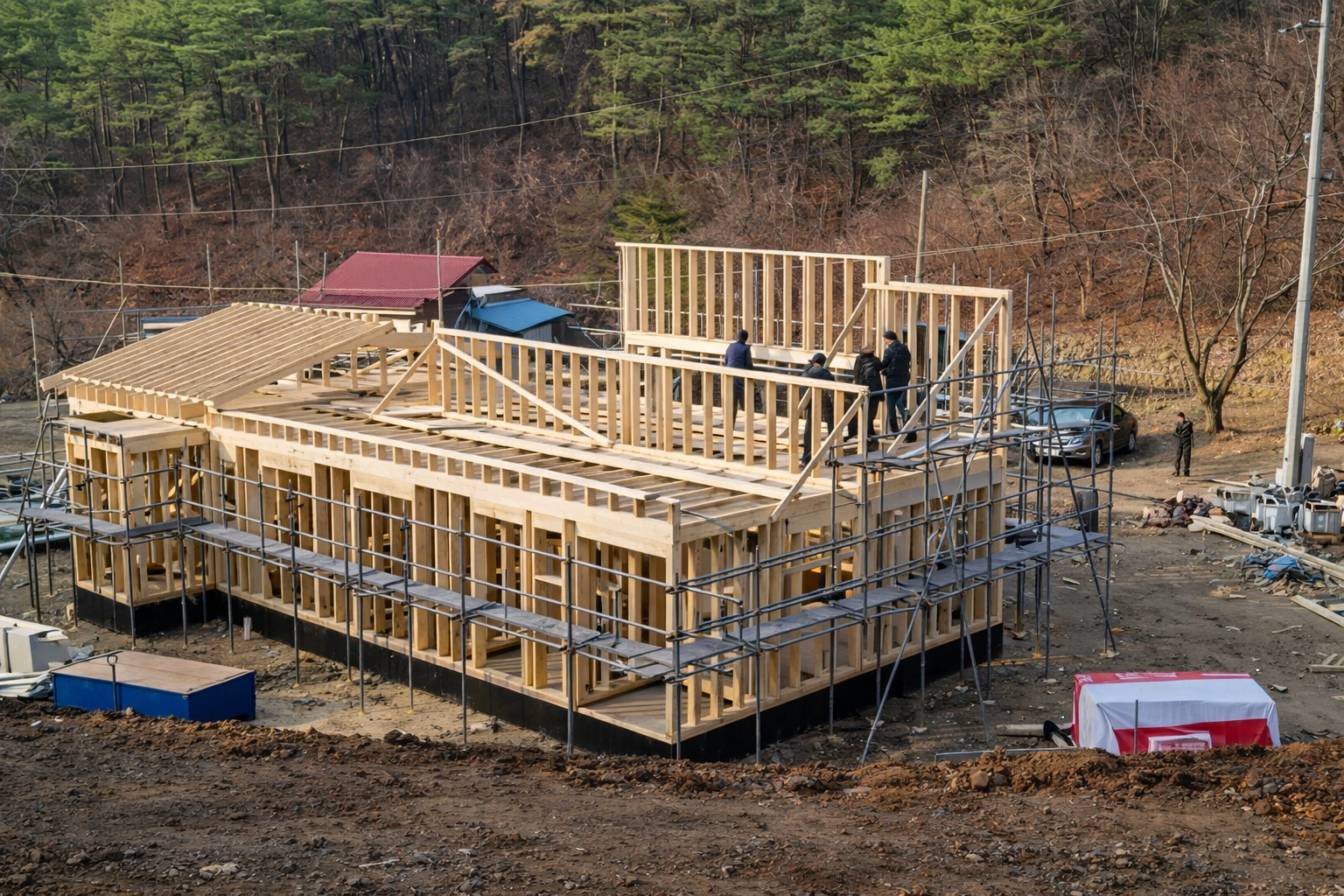
The pursuit of sustainable solutions in civil construction is a direct reflection of the needs imposed by climate change and the rise in global temperatures. The development of thermal insulating materials not only contributes to more comfortable environments and energy savings but also represents a significant step toward a more sustainable future. The adoption of these innovative technologies and materials is essential to face the challenges posed by heat waves, demonstrating the potential of the civil construction industry to lead the transformation towards more sustainable and responsible practices.
Source: Milena Almeida.








Seja o primeiro a reagir!