





 Portuguese
  English
  Spanish
 3 min of reading
  0 comments


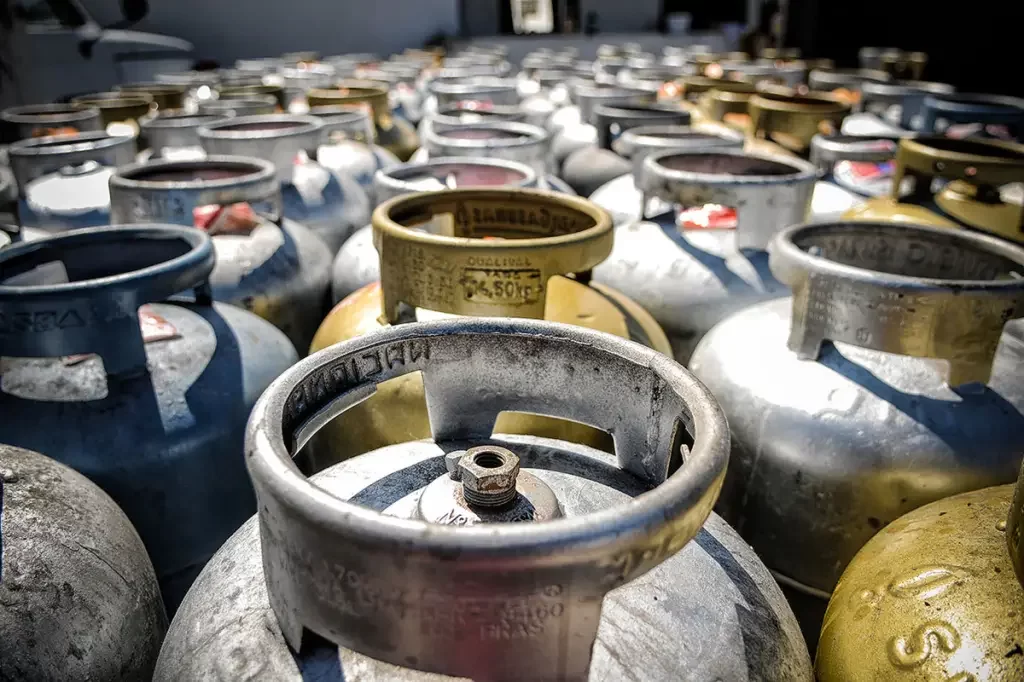
The Weight of LPG on the Consumer’s Pocket
Recent privatizations in the refining sector are in the spotlight in Brazil, with the price of cooking gas reaching new heights. In Bahia, Acelen implemented a price adjustment that raised the price of a 13-kilogram gas cylinder to R$ 140.00. In the Amazon region, the scenario is similar, with prices reaching R$ 145.00, an increase that surpasses 72% of the prices previously charged by Petrobras. These high costs, which correspond to more than 10% of the minimum wage, are raising concerns about market monopoly and the financial impact on consumers.
Price Pressure on the Minimum Wage
Sky-High Prices: The Reality of LPG Post-Privatization
With the minimum wage as a measure, the impact of the rise in cooking gas is deeply felt by Brazilian consumers. The privatization of refineries, such as Landulpho Alves in Bahia and Isaac Sabbá in the Amazon, resulted in market control that, according to critics, allows for exorbitant prices for LPG.
Reactions and Repercussions in the National Scenario
The new prices have received criticism from organizations such as the Unique Federation of Oil Workers (FUP). Deyvid Bacelar, general coordinator of the FUP, expresses concern about the private monopoly and the abusive prices faced by the population, pointing to the need for measures that protect consumers and guarantee fair and accessible prices.
-
The rise in oil prices could ensure an extra revenue of R$ 100 billion for the Federal Government, indicates a recent economic study.

-
Naturgy begins an investment of R$ 1.6 million to expand the gas network in Niterói and benefit thousands of new residences and businesses.
-
A major turn in the Justice system suspends tax increases and directly impacts oil and gas companies in Brazil by affecting costs, contracts, and financial planning, leaving uncertain what could happen to the sector if these costs had increased.

-
Brava Energia begins drilling in Papa-Terra and Atlanta and could change the game by reducing costs in oil while increasing production and strengthening competitiveness in the offshore market.


Between Privatization and Monopoly
Searching for Solutions Against the Private Monopoly
The sale of the Bahia refinery Landulpho Alves to the Arab fund Mubadala and the Amazon Refinery to the Aten Group has sparked heated debates about the effectiveness of privatization in the oil and gas sector. The current situation raises questions about price control and the consequences for end consumers, who find themselves compelled to allocate a significant portion of their earnings to acquire an essential good.
Social Impact of LPG Price Adjustments
The price adjustment for cooking gas represents more than an economic issue; it is a social problem that affects millions of Brazilians. The FUP emphasizes the urgency of revisiting privatization and monopoly policies in the LPG market to ensure that prices remain within reasonable levels for the population.
Perspectives and Proposed Measures
In the Face of the Challenge: Paths to Rate Justice
In response to high prices, experts and union entities propose a review of the market structure, seeking ways to achieve rate justice. The adoption of a model that promotes competition and prevents monopoly formation is seen as essential to ensure that cooking gas remains accessible to all Brazilians.
The Voice of the Population and the Future of LPG in Brazil
Social mobilization and public debate are fundamental in the search for solutions. The voice of the population will be decisive in shaping the future of energy policy in the country, ensuring that the supply of cooking gas is provided in a fair and sustainable manner.
Log-In Intermodal Logistics offers customized logistics solutions, port movement, and cabotage navigation integrated with other modalities and services, connecting Brazil and Mercosur by land and sea. The company currently has a fleet of eight container ships with a total capacity of 21,550 TEUs that offer shipping services with regular routes, integrating the main ports of the country with Argentina.
Source: FUP Press.










Seja o primeiro a reagir!