





 Portuguese
  English
  Spanish
  5 min of reading
  0 comments


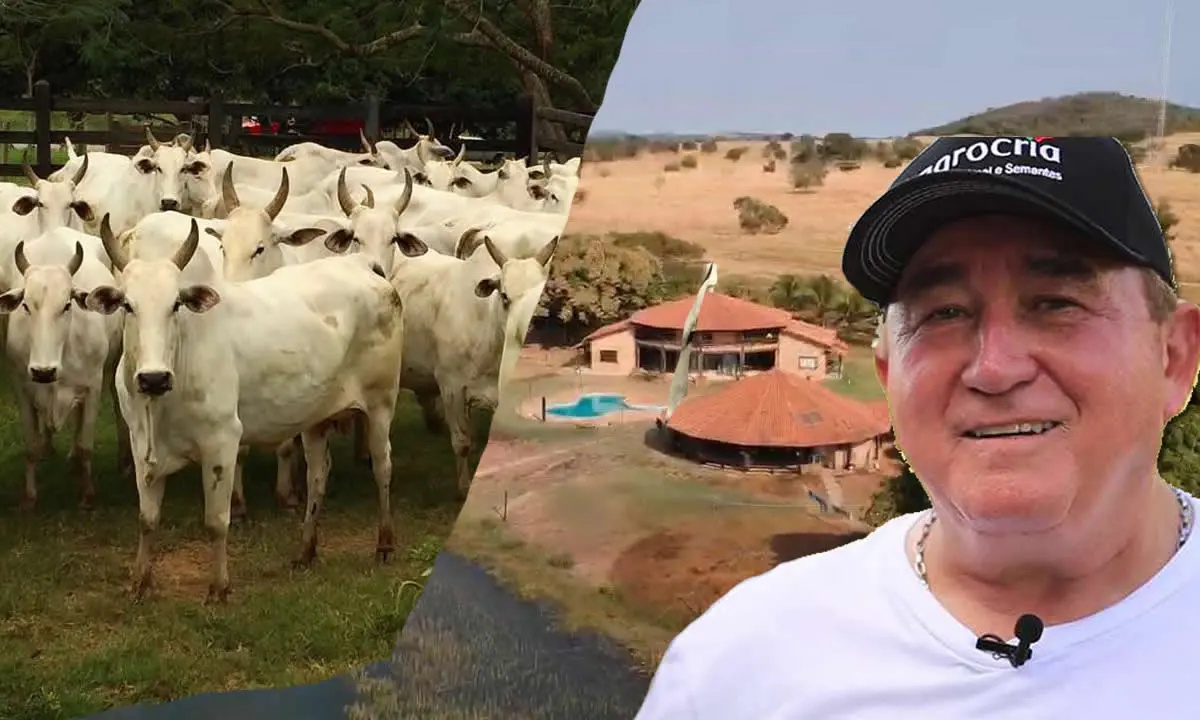
Amado Batista Detailed in the ROKAST Podcast How Leasing Models, Partnerships, and Management of 500 Cows Can Generate R$ 500,000 Annually, Explained Projections of R$ 41,667 Monthly, and Related Music, Rural Management, and Tax Debates Within His Direct Experience
Amado Batista stated in the ROKAST podcast that operations involving 500 cows can generate R$ 500,000 per year, corresponding to R$ 41,667 monthly, emphasizing that this calculation depends on proper management, competent staff, and efficient contracts, according to the source.
He explained that many landowners do not have the resources to acquire cattle and leave idle areas, creating leasing opportunities for periods between 6 months and 10 years, with monthly payment and full responsibility of the breeder for daily management.
The singer stated that partnership models are also common, citing arrangements in which an investor provides 1000 pregnant cows and receives 20% of the calves after calving, while the farm manager keeps 80% because he provides pasture, salt, infrastructure, and labor.
-
The water that almost everyone throws away after cooking potatoes carries nutrients released during the preparation and can be reused to help in the development of plants when used correctly at the base of gardens and pots, at no additional cost and without changing the routine.

-
The sea water temperature rose from 28 to 34 degrees in Santa Catarina and killed up to 90% of the oysters: producers who planted over 1 million seeds lost practically everything and say that if it happens again, production is doomed to end.

-
An Indian tree that grows in the Brazilian Northeast produces an oil capable of acting against more than 200 species of pests and interrupting the insect cycle, gaining ground as a natural alternative in soybean, cotton, and vegetable crops.

-
The rise in oil prices in the Middle East is already affecting Brazilian sugar: mills in the Central-South are seeing their margins shrink just as ethanol gains strength.


According to him, the annual projection of R$ 500,000 resulting from 500 cows represents a yield higher than that achieved in traditional financial instruments, an observation made during the dialogue when comparing field returns with bank investments.
He argued that cattle maintain value according to the arroba, avoiding inflationary loss that affects financial capital, reinforcing that this point is crucial for the sector’s attractiveness in forming continuous wealth.
Amado Batista mentioned that some people manage 50,000 heads of cattle without owning land, operating only with leases and proper contracts, a model that requires technical knowledge and teams of prepared staff for daily management.
He reported that urban individuals generally do not understand these practices, claiming to master routines of radio, music, and cattle raising, combined over decades of simultaneous work, according to his account during the recording.
The artist added that heirs often sell farms at low prices because they do not value properties they did not build, noting that buying land from these groups can be advantageous for investors attentive to opportunities.
He commented that many heirs quickly spend the values received and later face financial difficulties, a situation he said to have witnessed several times in rural negotiations throughout his career alongside music.
According to him, leasing with heirs allows the use of idle farms while successors seek liquidity, enabling flexible contracts that vary according to the needs of both parties involved.
Professionalized Rural Management and Comparisons with the Music Sector
Amado Batista stated that specialized companies can manage farms for absentee owners, taking care of hiring, firing, operational routines, and structural obligations, allowing investors to monitor results without frequent physical presence.
He reported that Ratinho was already managing properties before joining SBT and improved his knowledge over time, being considered by him an experienced professional, although he still seeks opinions on some occasions, as reported in the ROKAST podcast.
The singer observed that his artistic income and his income from cattle raising have gone hand in hand since the beginning of his career, highlighting sales exceeding 40 million records and more than 5.5 billion views on YouTube over the years.
He explained that some artists depend on incentive laws and could not sustain themselves solely with performances, stating that such mechanisms should prioritize education, security, and health, a topic he mentioned with emphasis during the interview.
Amado Batista cited amounts of up to R$ 50 million allocated to certain cultural projects and questioned whether already established professionals really need these funds, raising debate about the use of public resources, although he made a small mistake recalling specific dates.
He reported that previous cuts in these incentives provoked protests and political tensions, mentioning that later changes restored funds and reignited debates about party alignments between artists and governments.
The singer stated that distributions from ECAD would be influenced by political decisions and could harm more popular artists, an allegation supported by reports of conversations with industry professionals throughout different periods of his career.
He criticized what he classified as double taxation, citing additional charges for establishments that re-broadcast radio despite the stations already paying rights, describing the practice as unfair to the consumer and the artist, as revealed in the recording.
During the interview, he commented that historical photographs of political figures show ideological ties from past periods and that young people can find these records on video platforms, reinforcing the importance of understanding historical context.
In another part, he mentioned that MPB artists sold about 10,000 records while he reached 1 million, arguing that record labels financed lower-return projects for prestige, a practice he classified as imbalanced within the phonographic market.
He stated that musicians who cannot survive on their own art may not have sufficient public demand, reiterating that incentives should prioritize essential sectors, a comment that marked one of the most emphatic positions of the episode.
Continuity in Music, Personal Routine, and Final Considerations
Amado Batista said that he does not think about retirement, stating that he will continue singing as long as he is healthy, riding his bicycle, and taking care of his farm, activities he considers essential for his routine and for his ongoing professional life.
He stated that the farm represents pleasure and business simultaneously, emphasizing that proper planning ensures consistent results over the years and reduces market volatility, a point presented as part of his personal experience.
The singer reiterated that music and cattle raising have remained linked since the beginning of his career, indicating that profits have always come from both areas in parallel and that this convergence has sustained financial stability and artistic continuity.
He commented that maintaining cattle, staff, and contracts requires continuous attention but provides greater economic security than financial instruments, repeating calculations presented in the episode to reinforce his technical argument.
Amado Batista concluded by saying that he intends to maintain artistic and rural activities for life, highlighting that both structure his professional identity and offer a balance between income and lifestyle, even though sometimes he recalls numbers with small involuntary variations.
He concluded by reaffirming that leases, partnerships, and buying land from heirs can generate advantageous opportunities when well managed, arguing that technical knowledge and direct experience are decisive for success in the current cattle sector.









-

-

-

-

-

13 pessoas reagiram a isso.