





 Português
  Inglês
  Espanhol
  3 min de leitura
  0 comentários


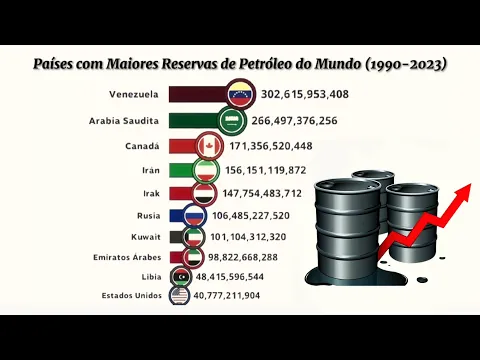
Venezuela Has The Largest Oil Reserve In The World, Surpassing Saudi Arabia. The Largest Oil Field In The World In Latin America Can Produce 300.878 Million Barrels
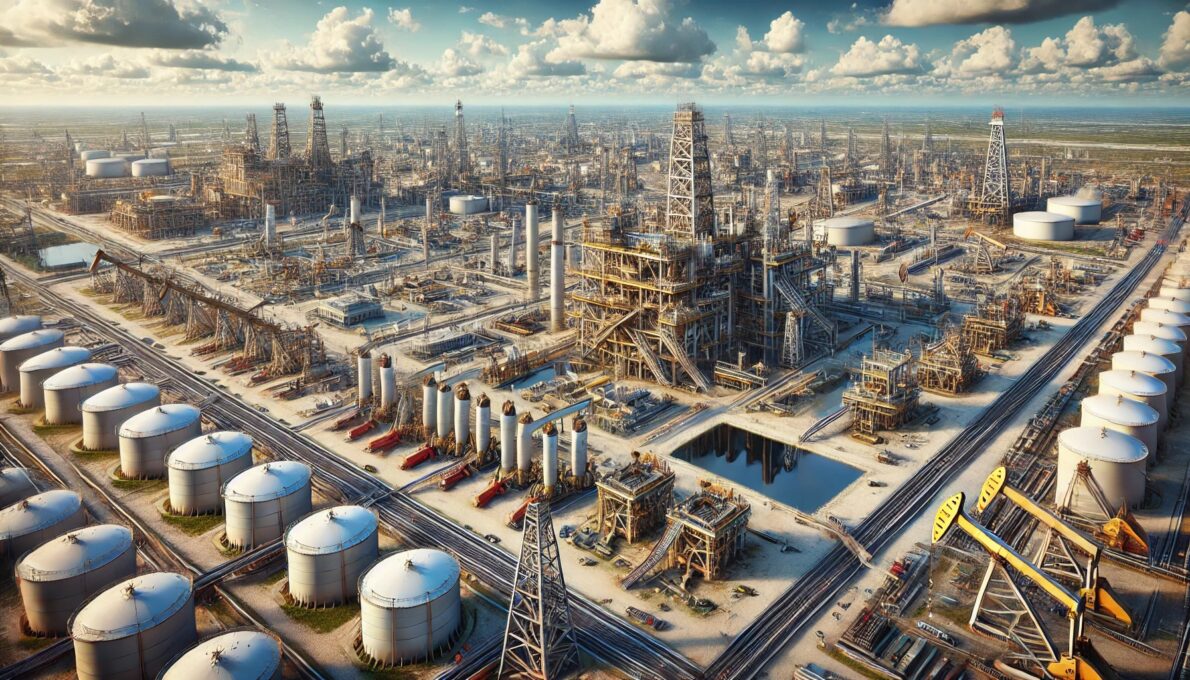
Venezuela has the largest oil field in the world, with a capacity of up to 300.878 million barrels. To give you an idea of the magnitude of this reserve in Latin America, Saudi Arabia has a reserve of 267 million barrels. The largest oil reserve in the world is in the Orinoco Oil Belt, a region of 55,314 km² in the east of the country that extends across the Orinoco River basin. This vast reserve places Venezuela in a strategic position in the global oil market.
Learn More About The Largest Oil Field In The World In Latin America

The Orinoco Oil Belt, located in Venezuela, is rich in heavy and extra-heavy oil, a type of dense and viscous crude oil that requires more costly and challenging extraction and refining processes to be turned into usable products, such as gasoline and diesel.
The belt in the Latin American country that surpasses Saudi Arabia has been known since January 1936, when the American company Standard Oil of New Jersey drilled the first well: La Canoa-1, in Anzoátegui state.
-
Offshore industrial demand in Macaé skyrockets with the recovery of oil and gas and could grow by up to 396% by 2026 in the Campos Basin.
-
Offshore industrial demand in Macaé surges with the recovery of oil and gas and could grow by up to 396% by 2026 in the Campos Basin.
-
Brazilian giant expands borders in the Southeast: Petrobras confirms new oil discovery in ultra-deep waters in the pre-salt of the Campos Basin.

-
Alert in the global energy market: Severe tropical cyclone hits the coast and disrupts gas production at major plants in Australia, threatening global supply.


Despite its age, the Orinoco Oil Belt remains the largest oil reserve in the world. However, it has not been able to rise for years due to political sanctions and the economic and technical problems surrounding it.
At the peak of oil, Venezuela produced 3 million barrels per day. Currently, it is the twenty-first country in the world in oil production, with 770,000 barrels per day, even behind neighboring Colombia. The United States, Russia, and Saudi Arabia lead the ranking with 8 to 12 million barrels daily.
What Prevents The Largest Oil Field In The World From Producing?
The sanctions on Venezuelan oil, led by the U.S. government, were lifted for six months in October 2023, allowing a timid return of foreign companies to the largest oil reserve in the world in Latin America.
The Venezuelan oil sector faces problems that go beyond the political issues: structural problems. After years of neglect, corruption, and economic crisis, the oil of the Latin American country needs foreign investment to modernize the infrastructure with which it extracts and processes heavy crude oil.
Although sanctions were reactivated in April of last year as a pressure measure from the Biden Administration against the government of Nicolas Maduro, foreign companies now have the opportunity to obtain individual licenses to reduce their effect, which reveals some spark of hope for a country where oil remains an economic engine.
Is Only Foreign Investment Enough For Venezuela?
Modernizing the infrastructure in the largest oil reserve in the world, attracting foreign investment, and stabilizing the economy are essential steps, but it is unclear if they are enough to recover the full economic potential of the Orinoco Oil Belt.
The context seems favorable. Latin American countries are engaged in an oil gold rush, the most extreme case being that of neighboring Guyana, which recorded a 33% GDP growth due to reserves discovered off its coast in 2015.
Meanwhile, Brazil has risen to 8th place in global oil production, and Mexico is 11th. Surprisingly, the price of a liter of gasoline in Venezuela, one of the main oil derivatives, is just R$ 0.19, making it cheaper than a bottle of Coca-Cola, according to reports.










Seja o primeiro a reagir!