





 Portuguese
  English
  Spanish
  3 min of reading
  1 comment


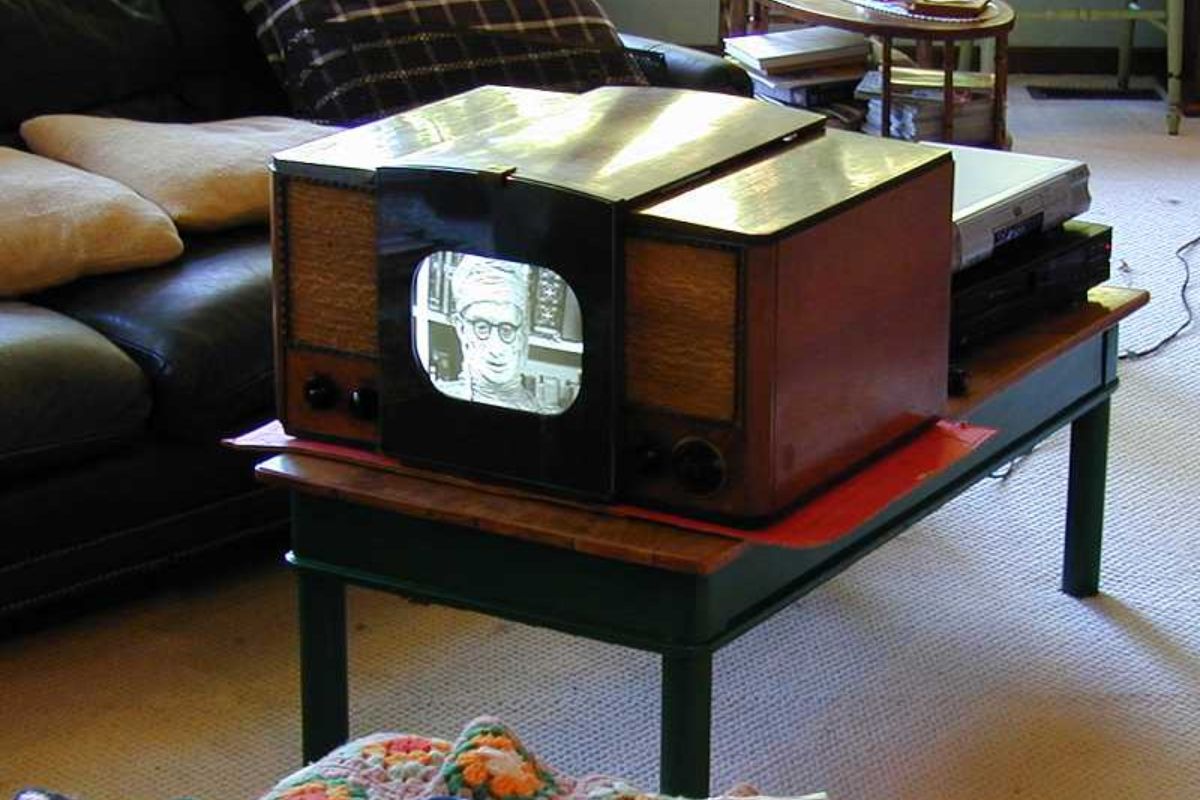


The First Television Sold in Brazil, in 1950, Cost the Equivalent of More Than 60 Years of Minimum Wage at the Time. Adjusted for Inflation, the Value Today Would Be More Than R$ 185 Thousand.
The first television sold in Brazil, an imported RCA Victor set, arrived in the country in 1950 costing around Cr$ 900,000 (nine hundred thousand cruzeiros). Adjusting this amount for inflation accumulated over 75 years, the price of that television in July 2025 would be approximately R$ 185,300, a value equivalent to that of a luxury car or the down payment on a good apartment.
This astronomical cost, according to analysis by technology portals like Canaltech, demonstrates that, in its early days, television was not a mass consumption item. It was a status symbol and an extreme luxury item, accessible only to a small and wealthy elite in a country that was just beginning to connect with the world through images.
The Beginning of the Image Era: The Arrival of TV Tupi in 1950
The history of television in Brazil starts with businessman and communications mogul Assis Chateaubriand. After seeing the technology in the United States, he decided to bring it to Brazil. Chateaubriand imported all the necessary equipment and inaugurated TV Tupi in São Paulo on September 18, 1950.
-
At 77, the king of one of the most famous and powerful crowns on the planet is said to be under pressure to leave the throne, while behind the scenes there are already talks of a new coronation that could cost R$ 260 million.

-
Chinese researchers have created bamboo drones that fly with the same precision as conventional models and have released the flight control software for free to the entire world in a technology that could revolutionize sustainable aviation.

-
Russia reveals that it is already conducting 95% of all its business with China without using a single dollar; dedollarization has ceased to be a promise and has become a reality in record time, and the West watches helplessly.

-
While Brazilians work more than 44 hours a week, Norwegians leave the office at 3 PM and are now testing a four-day workweek with full pay and no loss of productivity.


The Object of Desire: The RCA Victor 630-TCS Television
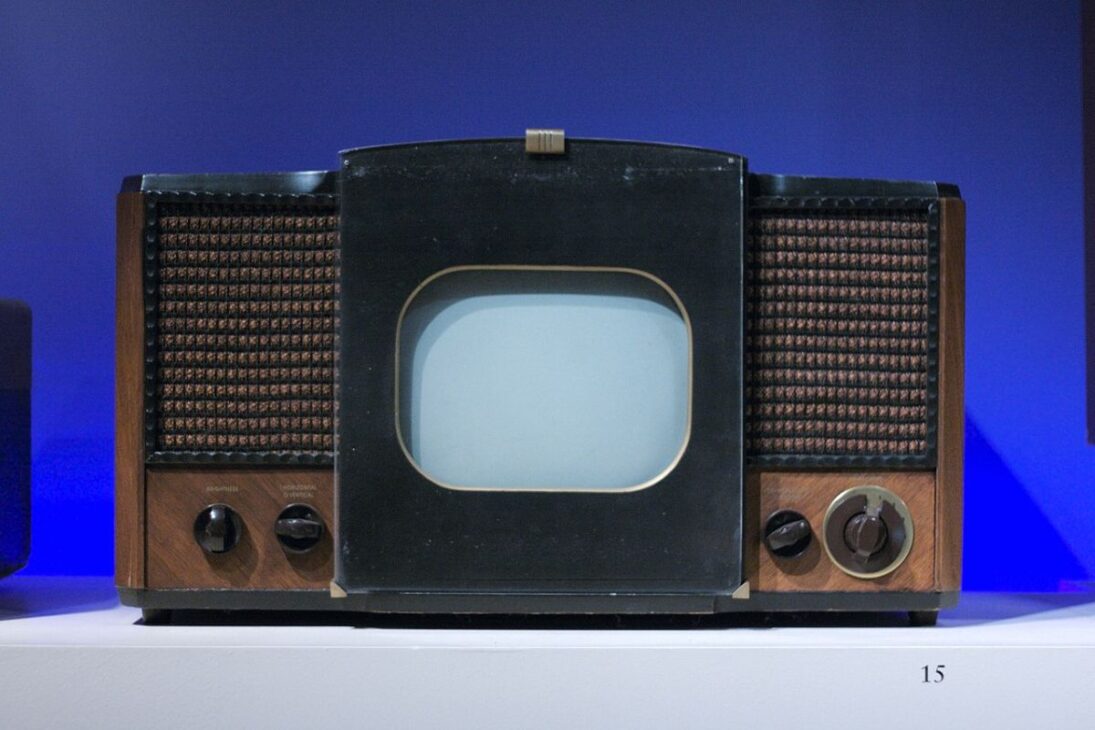
As there was no national manufacturing, the first televisions were imported. The most iconic model and one of the first to be sold was the RCA Victor 630-TCS.
It was a tube (CRT) set with a small screen of around 10 inches, black and white image, and a large, heavy wooden cabinet. Chateaubriand imported about 200 of these sets and strategically displayed them in store windows in São Paulo to create desire for the new medium of communication.
The Original Price: A Luxury Item for the Very Few
The selling price of the first television sold in Brazil was prohibitive. Historical sources indicate an average price of Cr$ 900,000.
To put this in perspective, the minimum wage at the time was Cr$ 1,200. One would need to work for over 62 years, receiving a full minimum wage, to buy a single TV set.
Inflation Adjustment: The Value Calculation in 2025
Calculating the updated value of currency from 1950 is a challenge, as Brazil has gone through eight currency changes since then. To arrive at the current value, the Citizen Calculator, the official tool of the Central Bank of Brazil, was used, which applies the correct inflation indices (such as the IPCA) and accounts for all currency changes.
- Start Date: September 1950
- End Date: July 2025
- Original Value: Cr$ 900,000
- Adjusted Value: Approximately R$ 185,324.50
The Price of a Luxury Car for a Black-and-White TV


The result of the monetary adjustment is impressive. The value of the first television sold in Brazil today would allow for the purchase of a brand new luxury SUV or serve as a robust down payment for the purchase of an apartment in a Brazilian capital.
This shows that, at its inception, television was an item for very few, a symbol of power and modernity in a Brazil that was still discovering the world through a small black-and-white screen.








Eu tenho um aparelho de TV da Philips, produzido em 1953, na Holanda. A caixa é toda em madeira. Porém o aparelho foi adquirido de um colecionador há aproximadamente 10 anos. É usado apenas para decoração.