





 Portuguese
  English
  Spanish
  4 min of reading
  0 comments


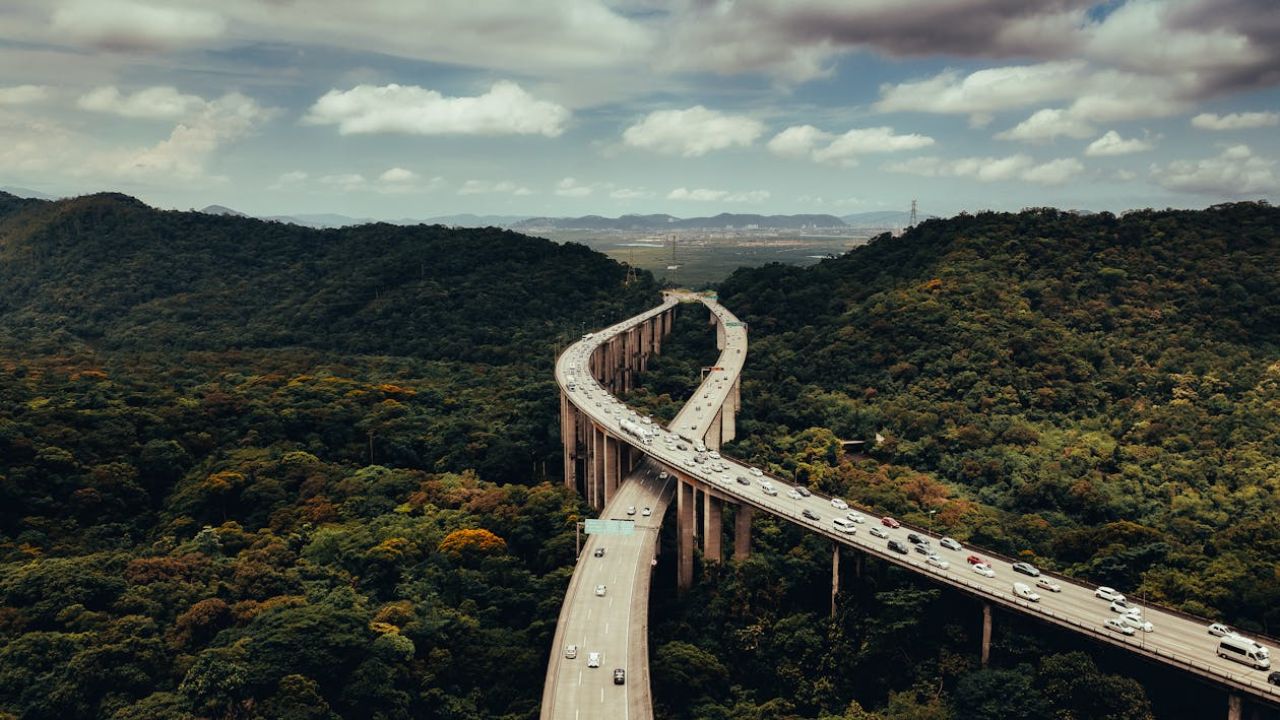
With engineering that required the construction of 44 viaducts and 11 tunnels, the road system overcame a wall of 750 meters in the Serra do Mar, becoming the backbone that connects the largest metropolis in the country to the largest port in Latin America.
Between the city of São Paulo and the Atlantic Ocean, the Serra do Mar rises as an imposing geographical barrier. The construction of a road system to overcome this wall of more than 750 meters of elevation represented one of the greatest challenges in Brazilian engineering.
The Anchieta-Imigrantes System (SAI) is the result of this achievement. It functions as the backbone that connects the largest economic center in Brazil to the Port of Santos, the most important in Latin America, and its history is marked by a remarkable evolution in the thinking of national engineering.
The First Modern Construction to Overcome the Mountain
The industrialization of São Paulo in the 20th century made a modern road link to the coast essential. The answer was the Anchieta Highway (SP-150), inaugurated in 1947. It was the first paved road to systematically overcome the Serra do Mar.
-
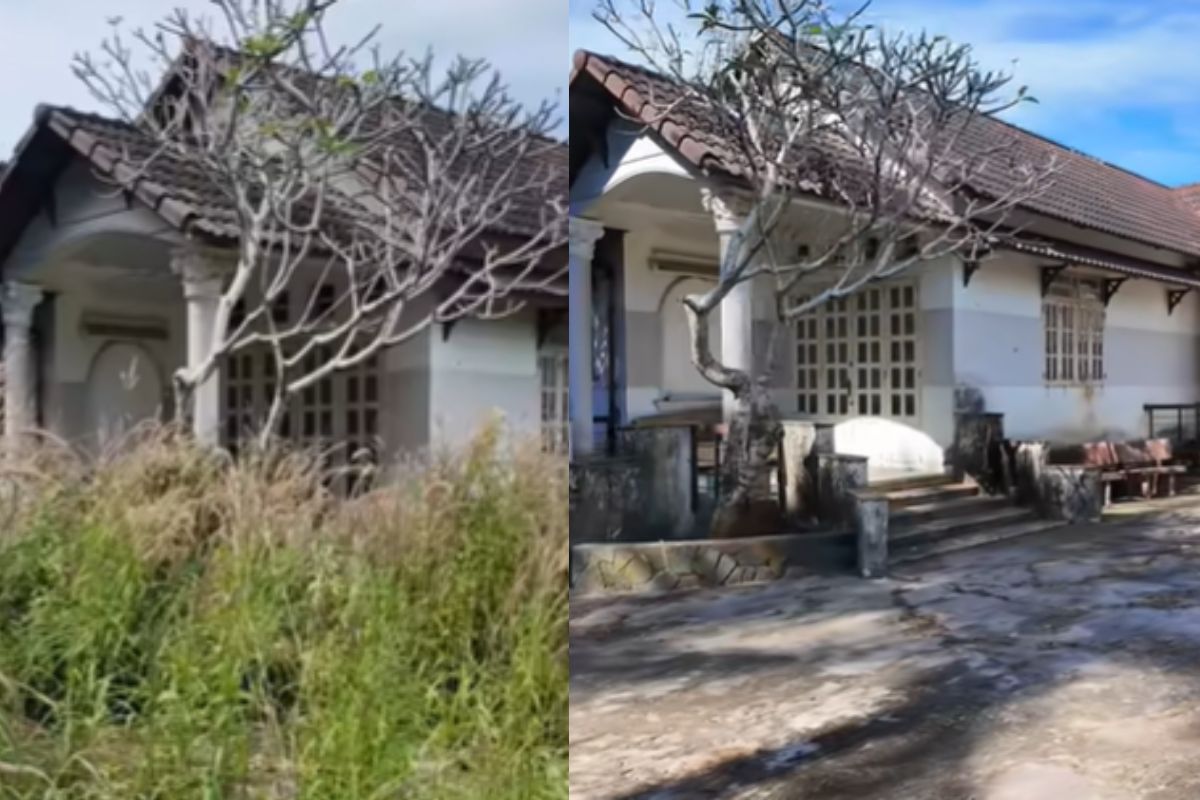
Abandoned house for 15 years disappears in the woods, shocks owner with unrecognizable scenery and is reborn in an intense transformation after almost 90 hours of work in just 10 days.
-
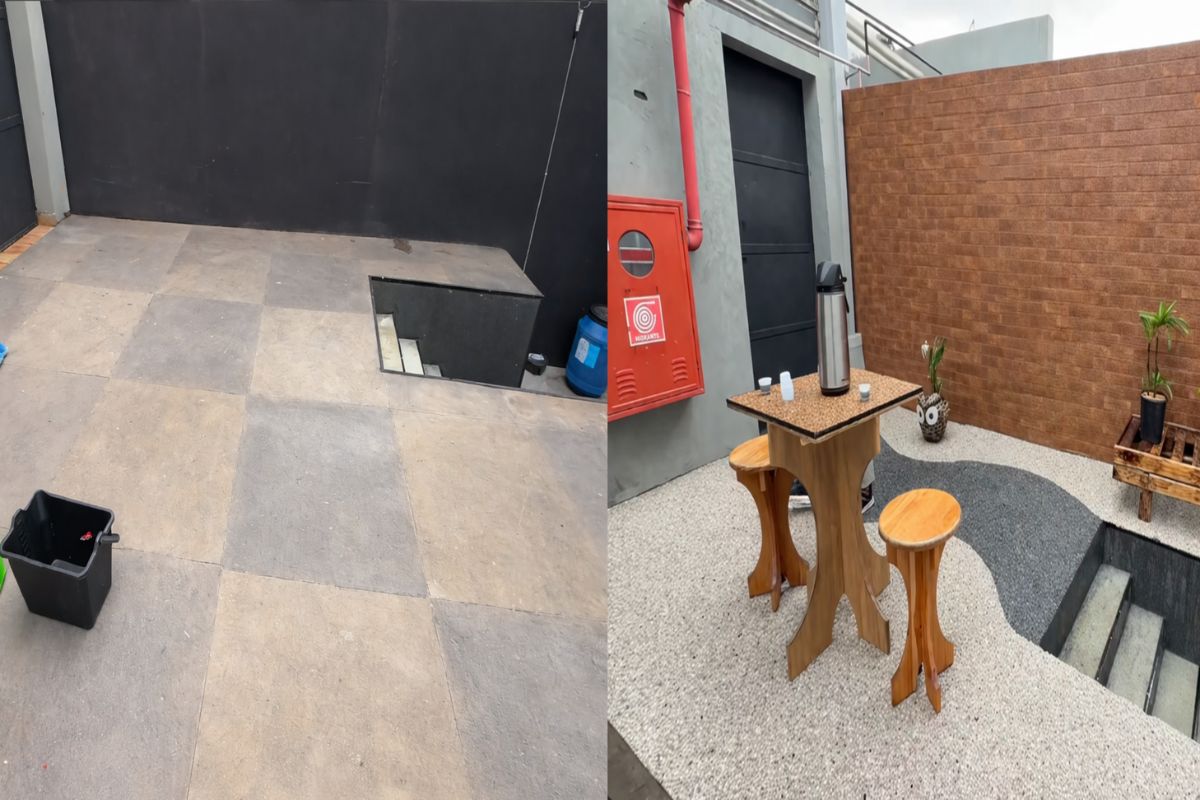
In just three hours, a natural stone floor transforms the entrance of the house with an organic effect, immediate drainage, and a sophisticated non-slip finish that doesn’t puddle water, dries quickly, and impresses with the final result.
-
‘Interlocking brick’ made of earth arrives in the construction industry with cost reductions of up to 40% on the project.

-
Espírito Santo will receive the largest engineering project in its history with the duplication of BR 262, which will have 50 viaducts, 28 bridges, and 2-kilometer tunnels cutting through the most challenging mountainous region of the entire state.
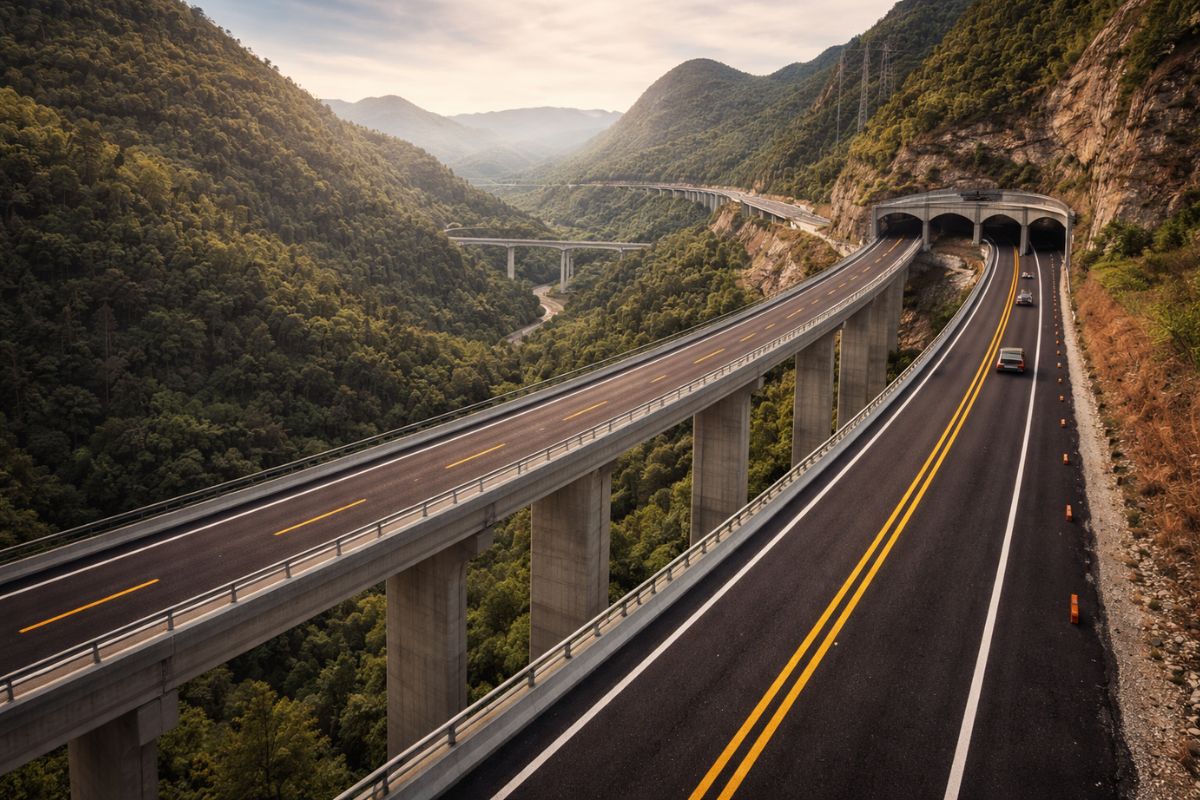

Its construction was an achievement for the engineering of the time. With a length of 55.9 kilometers, the project required the creation of 5 tunnels and 58 viaducts to cross the rugged topography. The priority was functionality and overcoming the geographical obstacle. The impact of the Anchieta Highway was immediate.
It became the vital artery for transporting industrial and agricultural production to the Port of Santos. However, its success generated a volume of traffic that, in the long term, the highway itself would not sustain, making clear the need for a new solution.
A Monumental Structure in Two Phases
The growth of the “Economic Miracle” led to the saturation of the Anchieta Highway. The vital corridor to the port was becoming a bottleneck. The answer was the Imigrantes Highway (SP-160), a project that reinvented the solution to the mountain challenge.
The first phase, the upward lane (in the direction of Santos-São Paulo), was inaugurated in 1976. Its construction was a monumental-scale operation, mobilizing around 15,000 workers and 100 engineers. The structure is a feat, consisting of 11 tunnels and 20 viaducts.
Advanced techniques for the time were employed, such as foundations with pillars driven into the rock at 40 meters deep, raising the track to over 80 meters in height at certain points.
Sustainable Construction and the Revolution of the Descending Lane
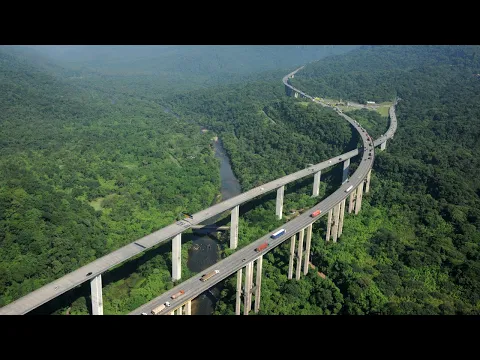

Inaugurated in 2002, the descending lane of the Imigrantes became a global landmark of sustainable engineering. Its construction took place in a different context, where environmental preservation was a central pillar of the project. The Serra do Mar was already protected by law as a State Park and UNESCO Biosphere Reserve.
This restriction forced innovation. To minimize the impact on the Atlantic Forest, cutting-edge construction methods were adopted.
Viaducts: The successive cantilever method was used, where the construction advances from the pillars without the need for ground shoring, preserving the forest below.
Tunnels: The excavation of the three long tunnels was performed with computer-controlled “JUMBO” drills, laser-guided to ensure precision.
Environmental Management: The project included four Water Treatment Stations (ETAs), wildlife and flora rescue programs, and a rigorous environmental compensation plan.
This integration between technology and ecology earned the project international awards, such as the “Pan-American Sustainable Development Award.”
The Components That Ensure the Connection
The Anchieta-Imigrantes System is a complex network, managed in an integrated manner by the concessionaire Ecovias. It consists of main highways and strategic interconnections.
- Anchieta Highway (SP-150): Preferred route for cargo vehicles, such as trucks and buses.
- Imigrantes Highway (SP-160): More modern route, with long tunnels and viaducts, is the primary route for passenger vehicles.
- Cônego Domênico Rangoni Highway (SP-248/55): Connects the system to the industrial hub of Cubatão and the right bank of the Port of Santos.
- Padre Manoel da Nóbrega Highway (SP-055): Interconnects the cities of the southern coast, such as Praia Grande, Itanhaém, and Peruíbe.
- Interconnections: Short segments in the plateau and lowland that connect Anchieta and Imigrantes, allowing operational flexibility of the system.
Each suspended viaduct and each tunnel excavated in the rock tells a part of this incredible story of overcoming.
And you, what is your experience crossing the Serra do Mar through this system?








-

-

-

10 pessoas reagiram a isso.