





 Portuguese
  English
  Spanish
  4 min of reading
  46 comments


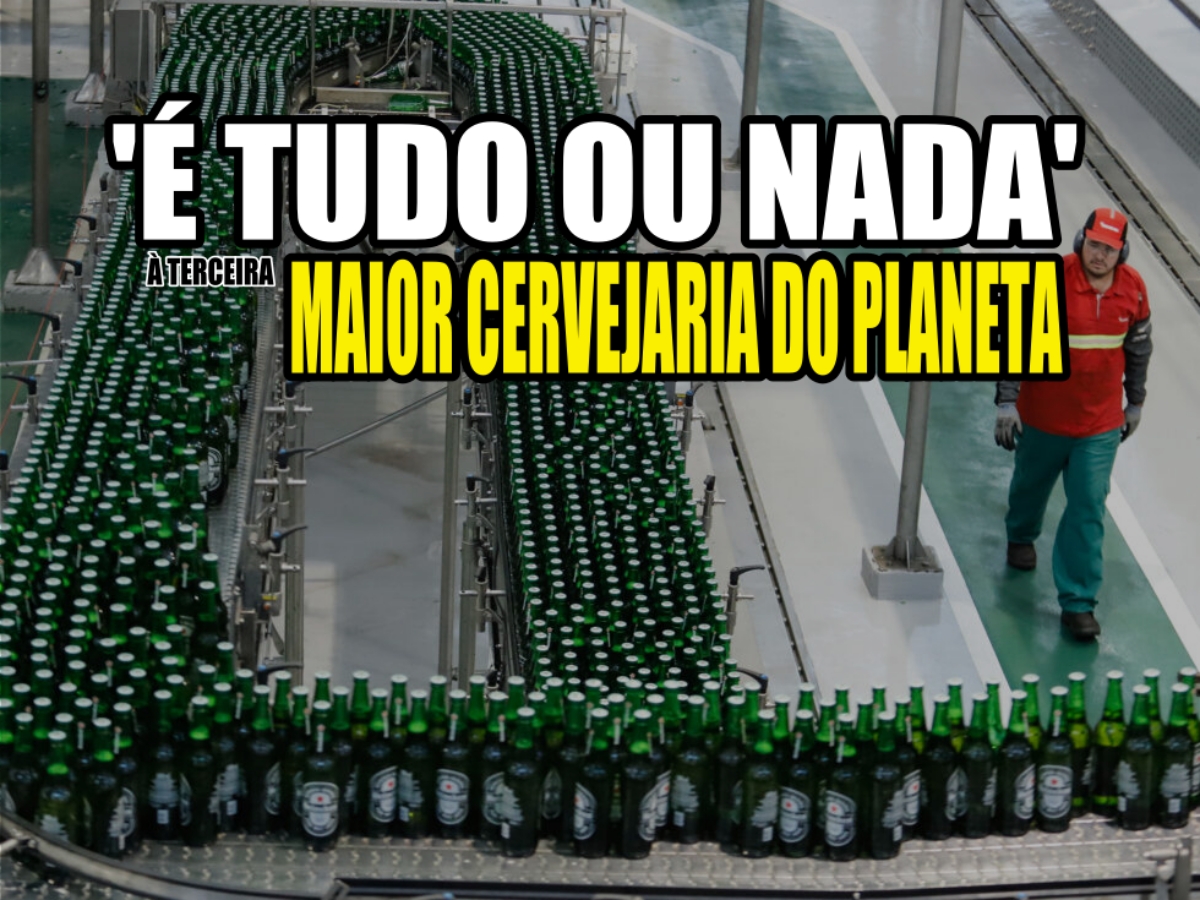


From A Small Family Brewery To The Third Largest Beer Producer In The World, Heineken Has Built A Legacy And Currently Operates More Than 160 Factories In 70 Countries
With a direct letter to his mother, Gerard Heineken summarized his ambition: “It’s all or nothing.” The young Dutch entrepreneur not only founded a brewery — he began a global empire that today operates in over 70 countries and generates billions of euros each year. Discover the impressive trajectory of the brand that started as a family bet and became a global reference in the brewing industry.
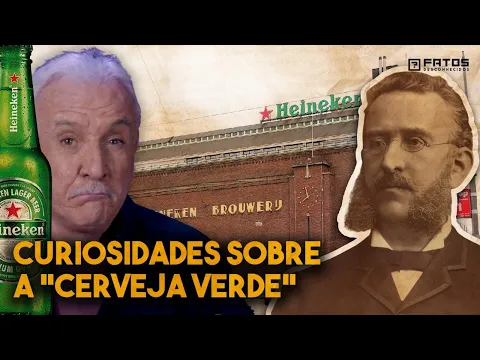

The Origins Of An Empire: A Dutch Beer, But The Name Heineken Has German Origins
Although it is a Dutch beer, the surname Heineken has German origins, coming from the port city of Bremen. In the 18th century, the family migrated to the Netherlands, thriving in the cheese and butter trade in Amsterdam.
It was in this context that Gerard Heineken was born in 1841. Ambitious from a young age, he inherited his father’s business vision and, with the financial support of his widowed mother, bought the De Hooiberg brewery in 1864. From there, he founded Heineken & Co.
-
Friends have been building a small “town” for 30 years to grow old together, with compact houses, a common area, nature surrounding it, and a collective life project designed for friendship, coexistence, and simplicity.

-
This small town in Germany created its own currency 24 years ago, today it circulates millions per year, is accepted in over 300 stores, and the German government allowed all of this to happen under one condition.

-
Curitiba is shrinking and is expected to lose 97,000 residents by 2050, while inland cities in Paraná such as Sarandi, Araucária, and Toledo are experiencing accelerated growth that is changing the entire state’s map.

-
Tourists were poisoned on Everest in a million-dollar fraud scheme involving helicopters that diverted over $19 million and shocked international authorities.


Industrial Revolution And Innovation In Production
Gerard bet on the technological advances of the time to transform his brewery. He used thermometers, hydrometers, and steam engines, and heavily invested in quality control. He hired brew master Wilhelm Feltmann Jr. and, in 1869, began producing lager-type beers, which were then popular only in Bavaria.
This change was decisive. While traditional Dutch beers were dense and fermented at high temperatures, the lager was clear, light, and more stable. In no time, sales doubled.
To expand production capacity, Gerard bought a plot of land where the Heineken Experience Museum now operates in Amsterdam. It is believed that it was in 1867, with the opening of the new brewery, that the famous star on the brand’s label was born.
Intense Competition And Aggressive Expansion
Competition tightened when rival families built a massive brewery on the banks of the Amstel River. Gerard responded by partnering with Willem Baartz, owner of Oranjeboom in Rotterdam. In 1873, they founded a new company and Gerard became the majority shareholder.
The brewery invested in refrigerated storage and, in 1880, acquired a machine for producing artificial ice developed by Carl von Linde — essential technology to maintain the quality of lagers. It was also one of the first breweries to set up an internal laboratory, with scientist Hartog Elion, a disciple of Louis Pasteur, responsible for isolating the famous type A yeast, still used by Heineken.
Family Crises And Succession
Despite the success in business, Gerard faced personal turmoil. Only in 1886, after 15 years of marriage to Mary Tindal, was Henry Pierre born — amid rumors of infidelity involving a close friend. Nonetheless, Gerard acknowledged him as his son.
Gerard died suddenly in 1893 at the age of 51. Mary took over her husband’s shares and managed the company until Henry Pierre assumed the presidency in 1917.
The Chemistry Of Success: The Henry Pierre Era And The Globalization Of The Brand
A chemistry graduate from the University of Amsterdam, Henry revolutionized production with scientific methods and expanded the brand’s international reach. In 1933, less than a week after the end of Prohibition, Heineken was the first European beer to land in New York.
In 1971, Freddy Heineken took over the brewery. A visionary, he founded Heineken Holding to ensure family control. He expanded the brand globally, merged with rival Amstel in 1968, and even survived a million-dollar kidnapping in 1983. Freddy remained at the helm until 1989 and passed away in 2002 at the age of 78.
Heineken Today: Billions In Revenue And Presence In Brazil
Today, Heineken operates more than 160 factories in 70 countries, is a sponsor of the UEFA Champions League, and is present in major film campaigns like James Bond. It arrived in Brazil only in 1990, but its expansion was solidified with the purchase of Brasil Kirin in 2017 for US$ 700 million.
The current CEO, Charlene de Carvalho-Heineken, daughter of Freddy, holds 23% of the shares and, according to Forbes, has a fortune exceeding US$ 16 billion.
The Third Largest Beer Producer In The World: The Legacy Of A Star That Does Not Stop Shining
From a small family brewery to the third largest beer producer in the world, Heineken has built a legacy based on innovation, quality, and long-term vision. And the brand’s future remains promising, with investments in sustainability, marketing, and digital expansion.
And you, did you already know this entire journey behind your favorite beer? Leave your comment below and share this story with your Heineken fan friends!










Parabéns a minha preferida, essa aí merece uma Heineken!!!
Faltou dizer que o Brasil é atualmente o maior mercado da Heineken no mundo…
Em breve fará inauguração de uma grande unidade na cidade de passos mg sucesso para estes grandes impreendedores .