





 Portuguese
  English
  Spanish
  3 min of reading
  1 comment


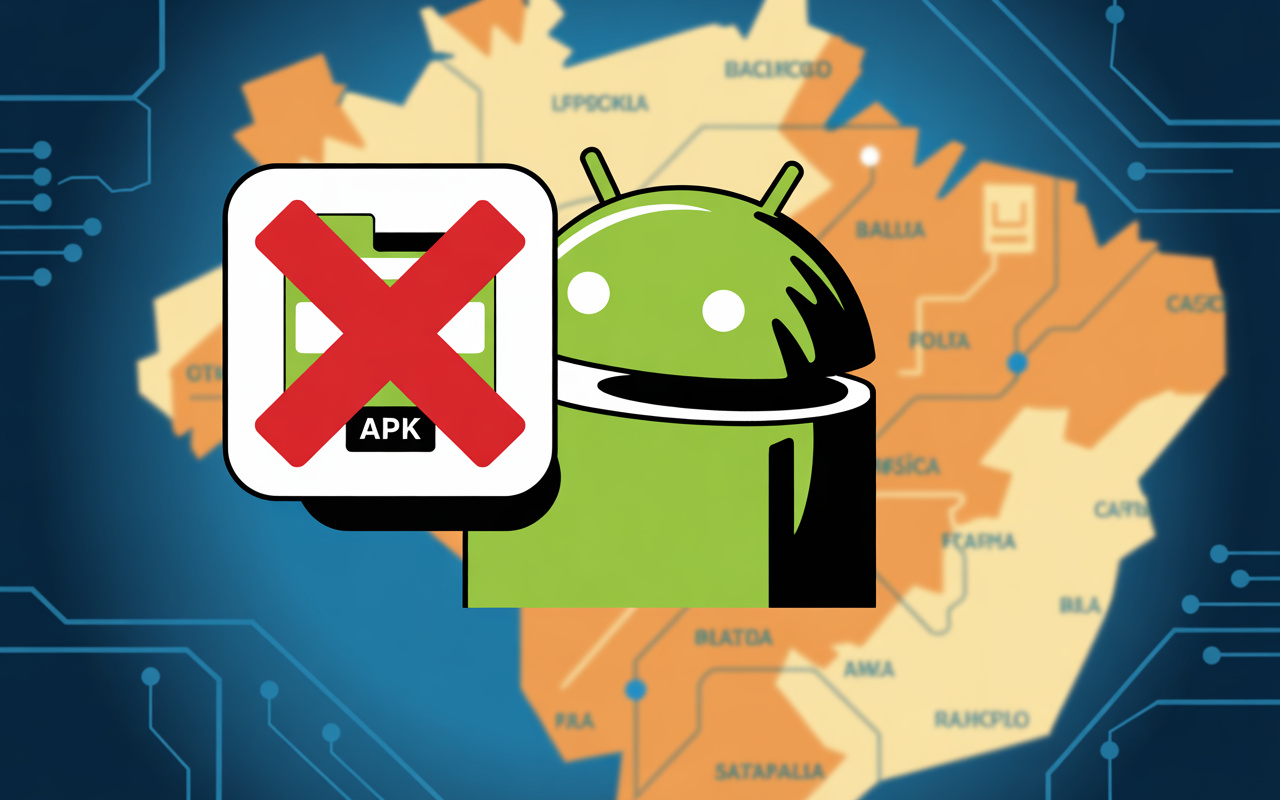


Android Will Require Developer Verification to Install Non-Play Store APKs; Brazil Among the First Affected in 2026 with the End of Free APKs.
The era of absolute freedom to install apps outside the Play Store is coming to an end. Starting in September 2026, Android will block the installation of unverified APKs on certified devices, and Brazil is among the first countries affected.
This change comes after studies showed that apps installed via sideloading are 50 times more likely to contain malware. Google’s stated goal is to protect users by making it harder for malicious developers to exploit security vulnerabilities.
Android and the Impact of the End of Unverified APKs
With the new rule, any developer wishing to distribute apps outside the Play Store will need to undergo a identity verification process providing legal name, email, address, and phone number — and register their apps through a dedicated sideloading console.
-
Motorola launched the Signature with a gold seal from DxOMark, tying with the iPhone 17 Pro in camera performance, Snapdragon 8 Gen 5 that surpassed 3 million in benchmarks, and a zoom that impresses even at night.

-
Satellites reveal beneath the Sahara a giant river buried for thousands of kilometers: study shows that the largest hot desert on the planet was once traversed by a river system comparable to the largest on Earth.

-
Scientists have captured something never seen in space: newly born stars are creating gigantic rings of light a thousand times larger than the distance between the Earth and the Sun, and this changes everything we knew about stellar birth.

-
Geologists find traces of a continent that disappeared 155 million years ago after separating from Australia and reveal that it did not sink, but broke into fragments scattered across Southeast Asia.



Android devices that are certified — that is, with Google Play Protect and pre-installed Google apps — will automatically refuse to install any APK created by an unverified developer.
For users in Brazil, this change represents a practical end to the “end of APKs” — it will only be possible to install external apps in exceptional cases through deep system modifications.
Strategic Subheadings
- Android Blocks Unverified APKs with New Developer Verification
- Brazil, Indonesia, and Singapore Among the First Affected — Global Change in 2027
- Safety Trumps Freedom: Malware Risk Motivates Drastic Blocking
- Developers Outside the Play Store Face New Verification Console
- The End of Unverified APKs Redefines Android Ecosystem and Touches on Open Source
Pioneering Countries and the Global Timeline
Android will not roll out this change in all territories at once. The timeline will be staggered:
- Brazil, Indonesia, Singapore, and Thailand — first phase, starting September 2026.
- Rest of the World — starting in 2027, the verification requirement will become a global standard for certified devices.
This strategy puts Brazil among the first countries onboard in the new era of the platform, anticipating restrictions and adjustments in user experience and the developer community.
Safety Priority, Freedom at Stake
Google’s justification is clear: combatting fraud and malware. The identification requirement helps track developers, reducing cases of malicious apps that disguise themselves and resurface in new forms.
On the other hand, experts argue that this measure follows the stringent model of Apple, creating a more controlled environment and worrying open source Android enthusiasts.
Many claim that this reduces freedom of experimentation and distribution, essential for independent and niche apps.
What Changes for Users and Developers
- Users Who Download Apps Only from the Play Store — nothing changes. The experience remains the same.
- Developers Who Distribute Apps Outside the Play Store — will need to verify identity and use the new console, currently in preparation.
- Open Source Community and Alternative APKs (such as F-Droid, Aurora Store) — will face new obstacles, potentially requiring adaptation or migration to less restrictive systems.
Android Toward a More Closed Ecosystem?
The move is seen by some as a step toward the “Appleization” of Android. The platform will give up some installation freedom in favor of safety and traceability.
Rumors point to Google increasingly reducing space for unverified apps.
Some community members use alternatives like custom ROMs or even ignore restrictions via root, but this requires technical knowledge and violates warranties — options beyond the average user’s reach.
End of “Released APKs”?
The verification requirement for installing apps outside the Play Store marks a historic turning point for Android.
For Brazil, it is a watershed moment: the freedom to install any APK without restrictions, which many took for granted, will be irrevocably changed.
The new rule strengthens security, reduces malware risks, and pressures for a more responsible market.
But at the same time, it redefines the Android experience, bringing it closer to a more centralized and less permissive model — a clash between protection and autonomy that will profoundly change the ecosystem.








Se tivessem toda essa excessiva preocupação em acabar com a fome e pobreza… O mundo seria melhor