





 Portuguese
  English
  Spanish
  3 min of reading


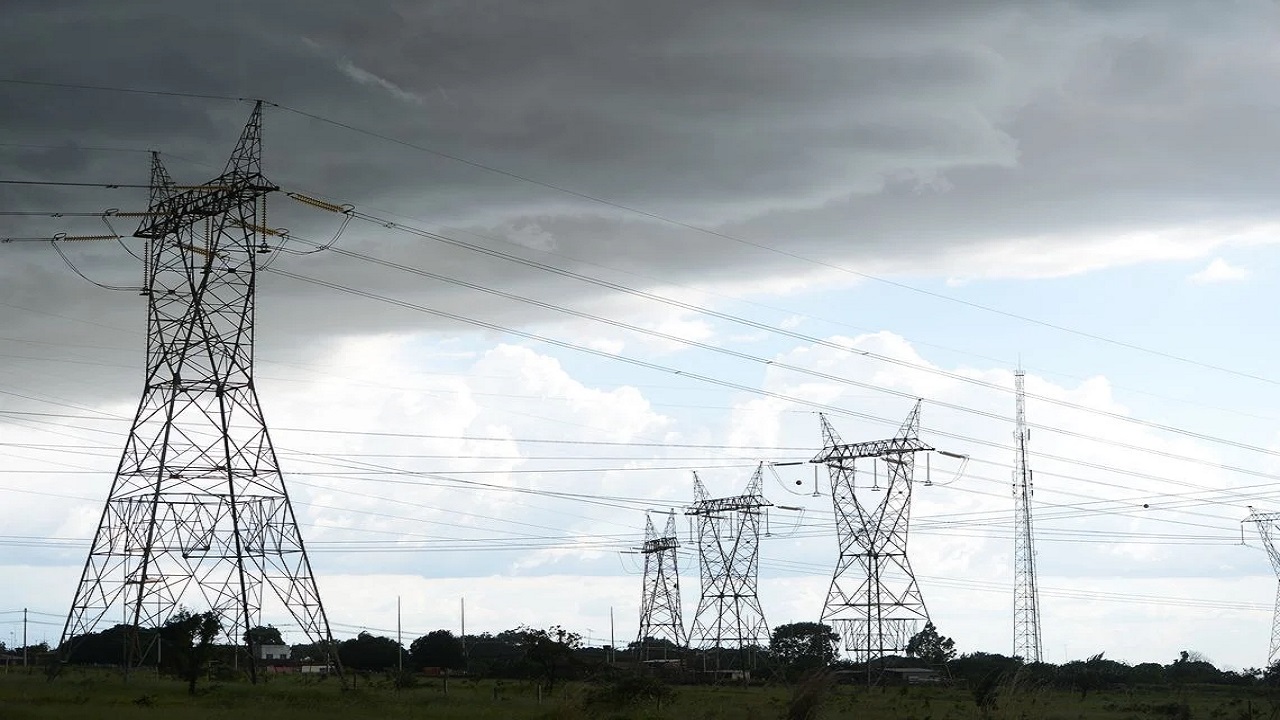
After The End Of The Water Scarcity Banner, Aneel Established That The Tariff Banner For The Month Of May Will Be Green Nationwide, Reducing The Electricity Bill For Many Consumers Connected To The SIN
On last Friday (29), the National Electric Energy Agency (Aneel) announced that the month of May this year will have a green tariff banner on the electricity bill of all consumers of the National Interconnected System (SIN), which encompasses a large part of Brazil, and there will be no additional charge. This situation represents an improvement compared to previous months, when the country had to create a new water scarcity tariff banner, with an additional charge of R$14.20 for every 100 kWh consumed. According to Aneel, due to favorable conditions for energy generation, this is the first green banner announced for all consumers since the end of the water scarcity period, which lasted from September last year to April this year.
Federal Government Announces The End Of The Water Scarcity Tariff Banner
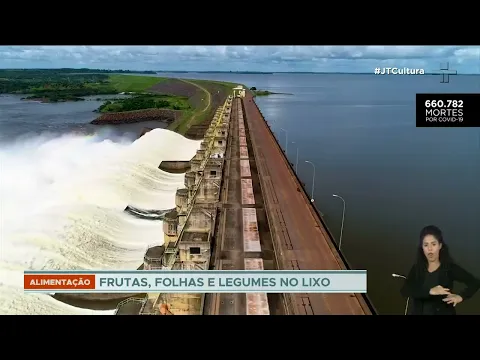

On April 6, the President of the Republic, Jair Bolsonaro, announced the end of the Water Scarcity Banner and, at the time, according to the Ministry of Mines and Energy (MME), the estimate is that this green tariff banner will remain until the end of the year. The end of the scarcity banner was already scheduled for April and, with a measure announced by the Federal Government, it was brought forward by 15 days.
The expectation is that, with the end of the water scarcity banner, Brazilian consumers will see a 20% reduction in their electricity bills this month. Since last year, the Water Scarcity Banner added R$14.20 for every 100 kWh consumed on the electricity bill, and this extra amount was added to compensate for the costs of electricity, which became more expensive due to the water crisis, the worst in 91 years.
-
Larger than entire cities in Brazil: BYD is building a 4.6 km² complex in Bahia with a capacity for 600,000 vehicles per year, but the discovery of 163 workers in conditions analogous to slavery has shaken the entire project.

-
With an investment of R$ 612 million, a capacity to process 1.2 million liters of milk per day, Piracanjuba inaugurates a mega cheese factory that increases national production, reduces dependence on imports, and repositions Brazil on the global dairy map.

-
Brazilian city gains industrial hub for 85 companies that is equivalent to 55 football fields.

-
Peugeot and Citroën factory in Argentina cuts production by half and opens a layoff program for more than 2,000 employees after Brazil drastically reduced purchases of Argentine vehicles.


Only consumers benefiting from the Social Electricity Tariff were exempt from Aneel’s tariff banner fee. Additionally, those living in areas not connected to the SIN, such as Roraima, also did not pay the additional amount related to the tariff banner on their electricity bills.
Learn More About The Aneel Tariff Banner System
According to forecasts from the National Electric System Operator (ONS), the heavy rains that occurred last summer were sufficient for the green tariff banner to return on the electricity bill, and the expectation is that it will remain until the end of 2022 and that 2023 will also be a calm year, even with a new drought, due to the investments being made in energy generation and transmission projects.
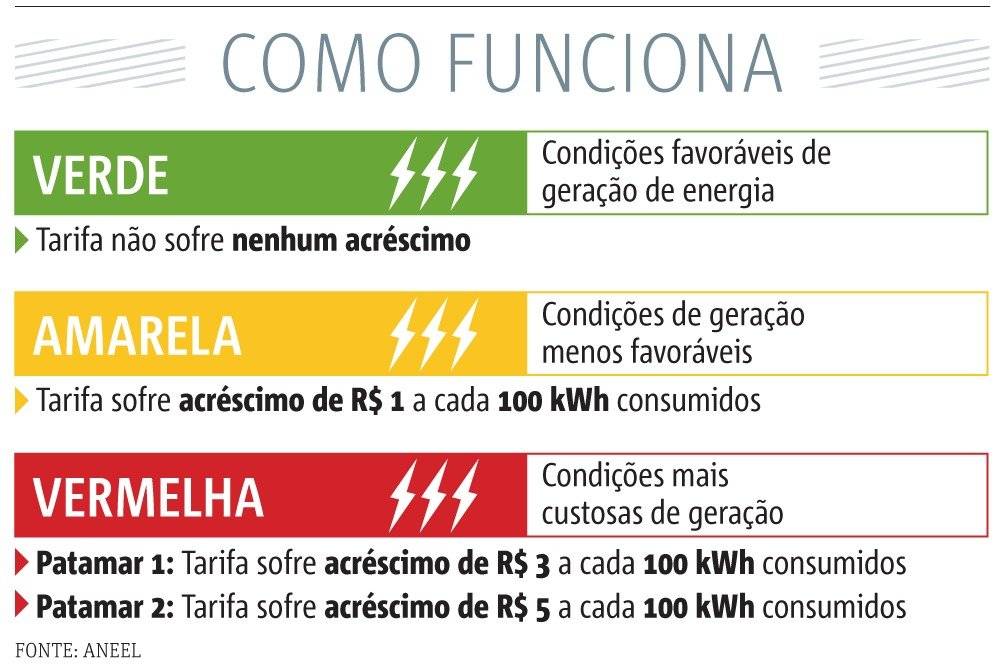
Created by Aneel in 2015, the tariff banner system shows the real cost of generated energy, making it possible for consumers to make good use of electricity. The calculation for the activation of these banners on the electricity bill takes into account, mainly, two factors: the hydrological risk (GSF) and the energy price (PLD).
Practical Functioning Of The Tariff Banners Created By Aneel
The Green Banner indicates good conditions for energy generation and there is no increase in the electricity bill. The Yellow Banner indicates less favorable generation conditions, with the bill receiving an increase of R$ 0.01874 for each kWh.
The Red Banner is divided into two levels: the first, which presents costly generation conditions, with the tariff receiving an increase of R$ 0.03971 for every kWh consumed; and the second level, presents even more costly and expensive energy generation, with the bill receiving an increase of R$ 0.9492 for every kWh consumed.








Seja o primeiro a reagir!