Portuguese
  Spanish



The Water Crisis May Lead to Energy Rationing in Brazil and Hinder Economic Recovery Next Year
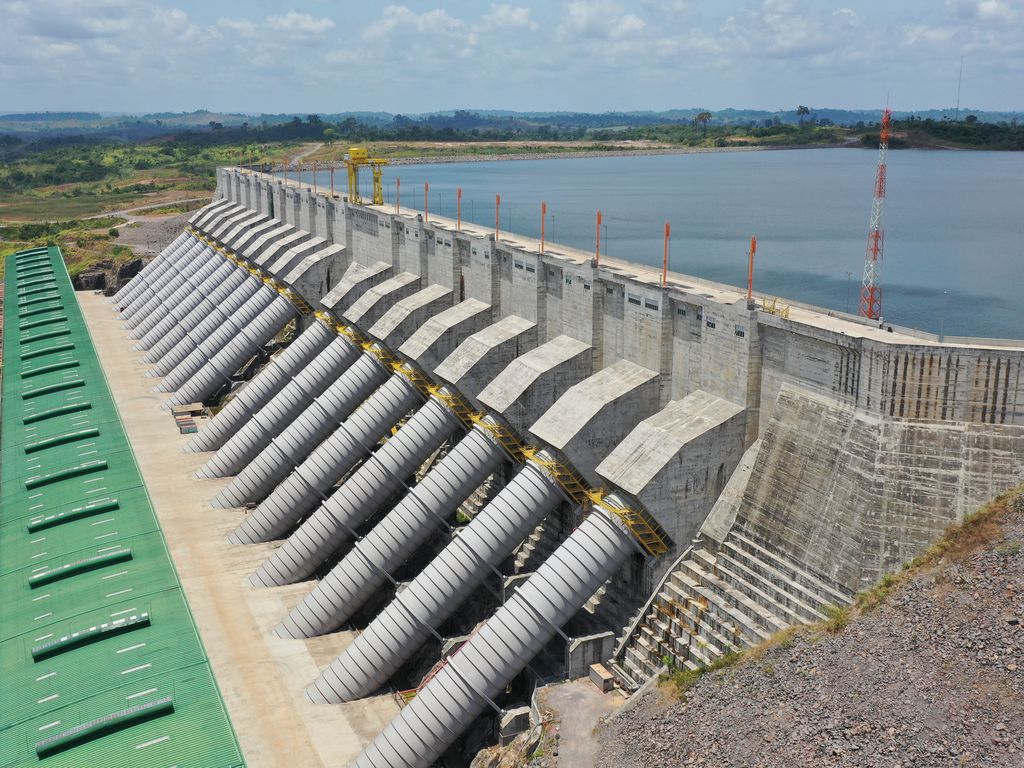
Brazil is experiencing the worst water crisis in the last 92 years. With a lack of rainfall, the reservoirs are at low levels, making electricity bills increasingly expensive. Today, the government is being pressured to implement even tougher measures to save energy and avoid blackouts; however, GDP may be affected in 2022. Energy rationing is not off the table.
Even with high rates on the electricity bill, there is a real risk of blackouts, leaving the government pressured to take measures to reduce consumption, such as implementing energy rationing. However, the expectation is that these actions will have a direct impact on GDP, raising costs and fueling inflation.
Energy is a fundamental good for the economy of any country. It is crucial for the functioning of various services, such as bakeries, metalworking, supermarkets, among others. Energy rationing may directly affect these sectors, harming the economy and the recovery of jobs.
-
Fired during apartheid and with a little borrowed money, an electrician started with a borrowed truck and transformed electrical services into a group connected to energy, real estate, and infrastructure in South Africa.

-
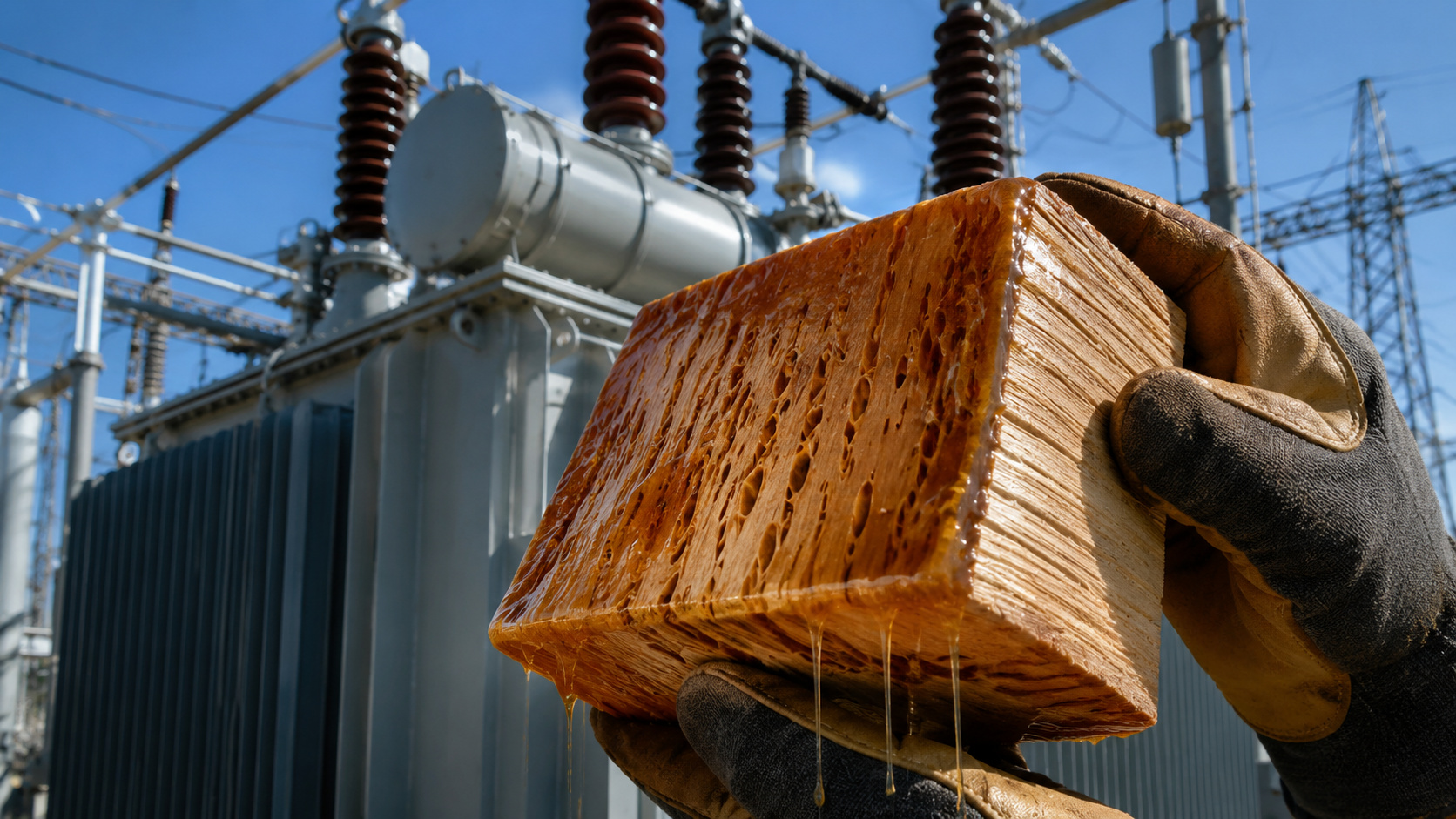
Wood has ceased to be just a construction material in Yale research and has become insulation for electrical transformers that face intense heat, aging, and increasing pressure from the renewable energy-powered grid.
-
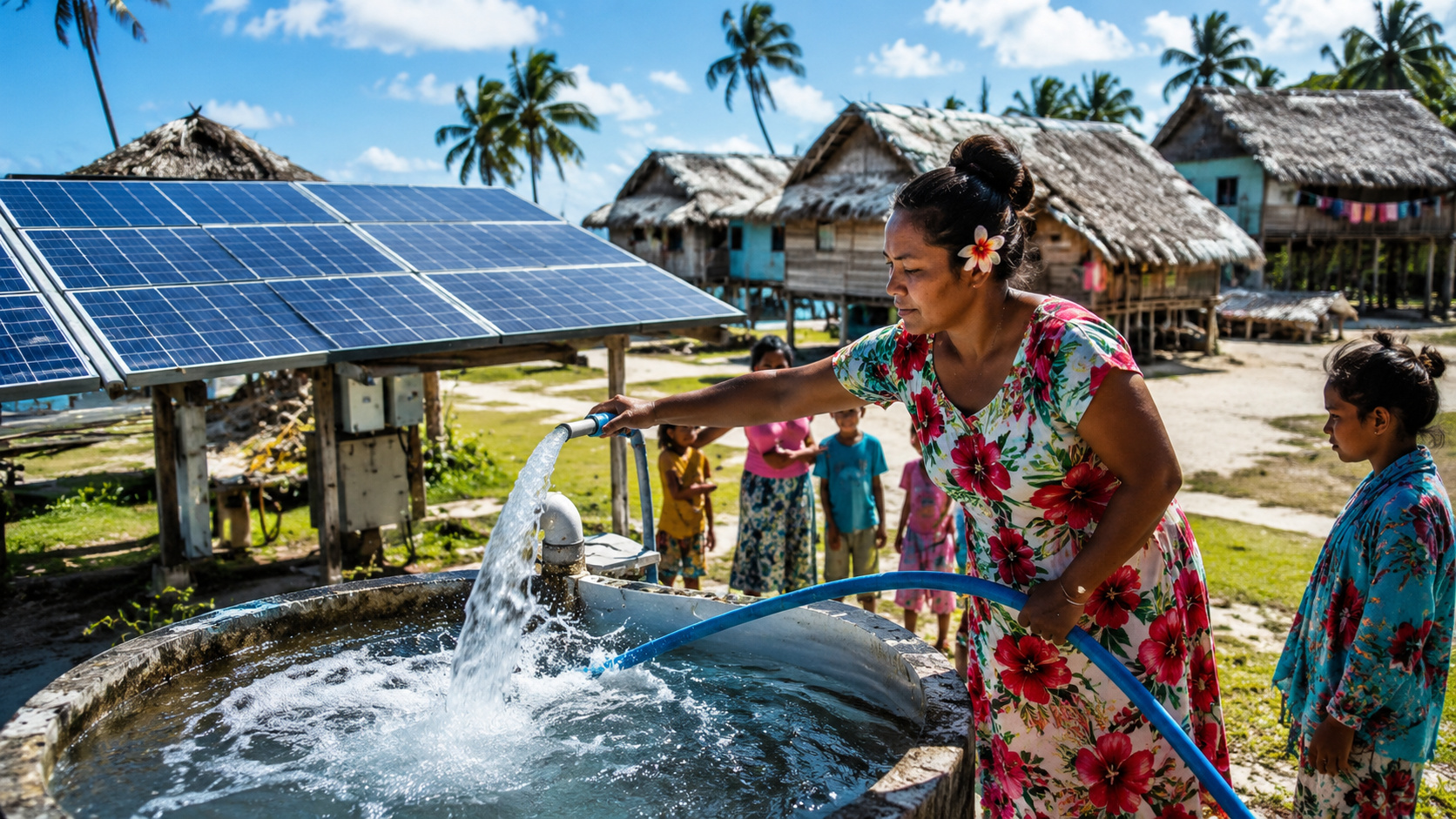
More than 1,000 residents of a remote island in Kiribati now have clean water and electricity with solar systems operated by the community itself.
-
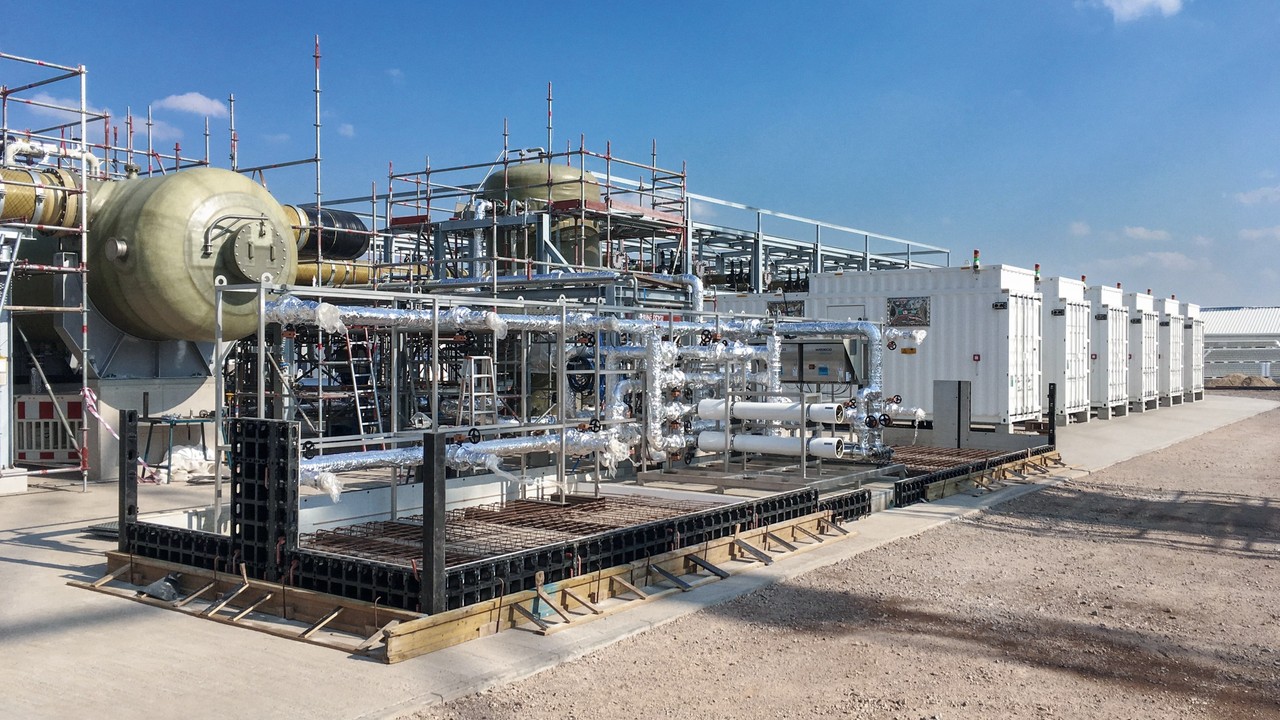
Ceará brings together 7 giants and R$ 66 billion to transform Pecém into the largest green hydrogen hub in Brazil, with final decisions expected by the end of 2026.

To UOL, Sillas de Souza Cezar, an economics professor at Faap, commented on the subject: “Measures that affect the energy supply always have an impact on the economy. Energy is a production input. Without energy, machines do not operate.”
Tough actions to avoid blackouts had a negative impact on the economy in 2001, when there was energy rationing. At that time, the country grew by 1.4%; however, the growth was expected to be even greater, as rationing led to a retraction of 0.2% of GDP during the period it was in effect.
At that time, the level of the country’s reservoirs was at 34%. Today, the situation is more complex, as the most important subsystem of Brazil, the Southeast-Central West, is at only 19.6%. Economists from Credit Suisse believe that the country will close the year with only 12% of its capacity.
Economists from Genial Investimentos, led by José Márcio Carmargo, estimate that there is a 50% chance of energy rationing. If this happens, Brazil’s GDP next year could have a negative variation.
“The main risk at the moment is the hydrological crisis. The decline in reservoir levels to the lowest point in 91 years has pushed electricity prices up and increased the risk of energy shortages in certain regions and large blackouts.” said Solange Srour and Lucas Vilela.
Impact of the Water Crisis on Electricity Bills
The impact on the wallets of Brazilians, where the tariff flags on electricity bills will return to normal, will only occur with heavy rainfall to again raise the levels of the reservoirs.