





 Portuguese
  English
  Spanish
 3 min of reading
  0 comments


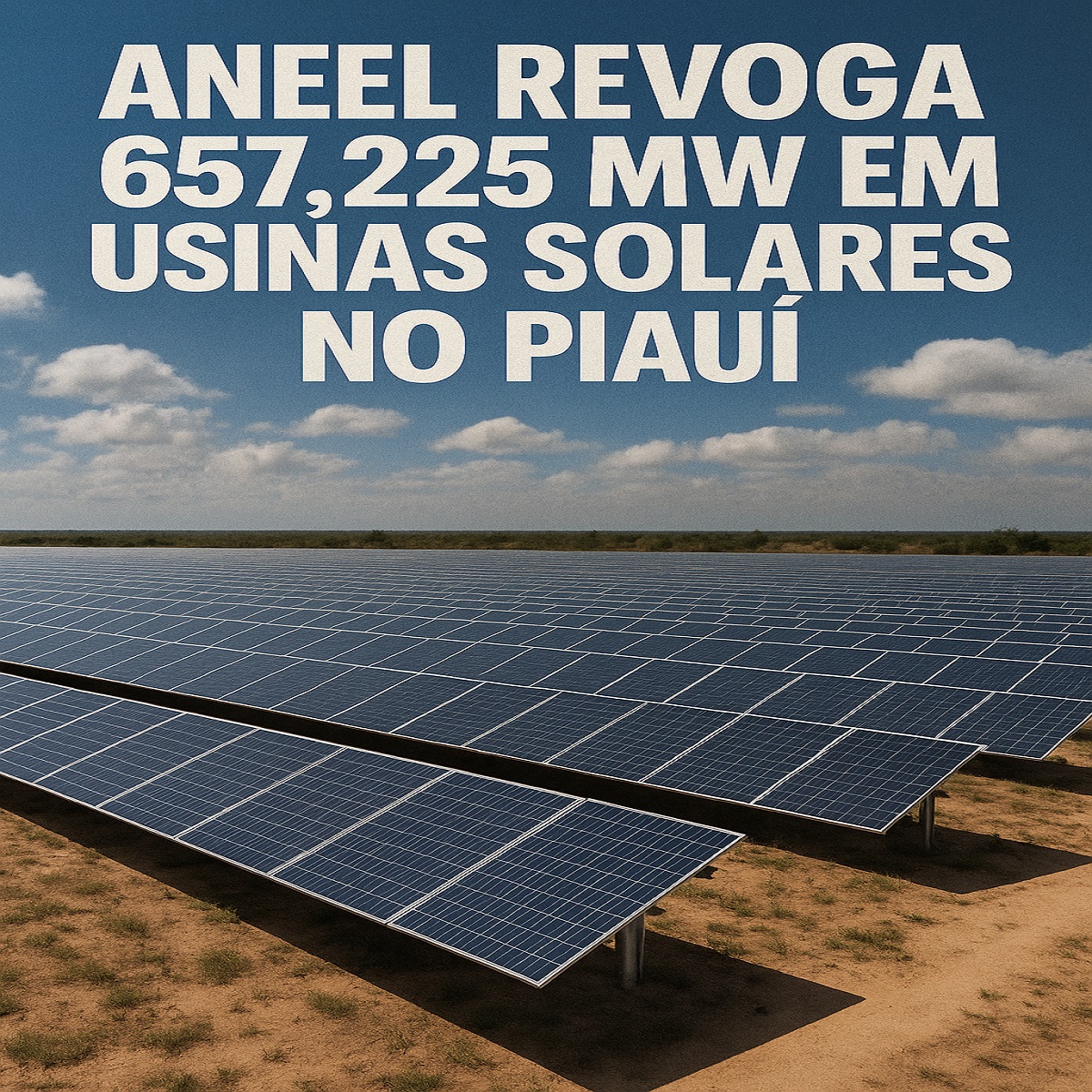
Aneel Cancels Authorizations of 15 Photovoltaic Projects in Piauí After Delays, Lack of Execution, and Communication Failures. Understand the Reasons and Impacts of the Decision
The National Electric Energy Agency (Aneel) decided to revoke the concessions of 15 photovoltaic solar plants. These projects, named Altitude 1 to Altitude 15, had a combined installed capacity of 657.225 megawatts (MW). Aneel granted the authorizations in March 2021. After three years without significant execution and no response to notifications, Aneel opted for revocation according to applicable legal criteria. According to Aneel’s report, the ventures failed to meet the obligations of physical progress and did not provide adequate justifications. The measure aims to preserve the predictability and organization of the Brazilian electric sector.
Delays and Low Technical Execution Led to the Decision
According to official documentation, the projects began construction only in May 2022, with a delay of 297 days. The commercial operation was scheduled for January 2023. By May 2024, none of the units had come into operation. The data indicated only 0.01% physical progress over three years. The agency considered the technical performance extremely unsatisfactory, which directly compromised the contractual and regulatory viability of the photovoltaic projects. Additionally, those responsible did not comply with the requirements outlined in Ordinances No. 69/2018 and No. 102/2021. Therefore, the agency classified the projects as inactive. Public documents from the agency itself recorded this information, discussed during the collegiate board deliberation held on May 6, 2024.
Lack of Communication Reinforced Regulatory Non-Compliance
In addition to the physical delay, those responsible for the plants did not respond to Aneel’s notifications. Notices were sent in March, July, and November 2023. The last submission of information to the Electric Power Generation Monitoring Report (Rapeel) took place in May 2023. Since then, there have been no updates. According to Aneel’s technical opinion, the lack of response and absence of data hindered regulatory monitoring. The situation led to revocation due to discontinuity of contractual obligations.
-
The Brazilian state accelerates industrial competitiveness with a focus on the extraction of strategic minerals to boost the energy transition in Goiás.

-
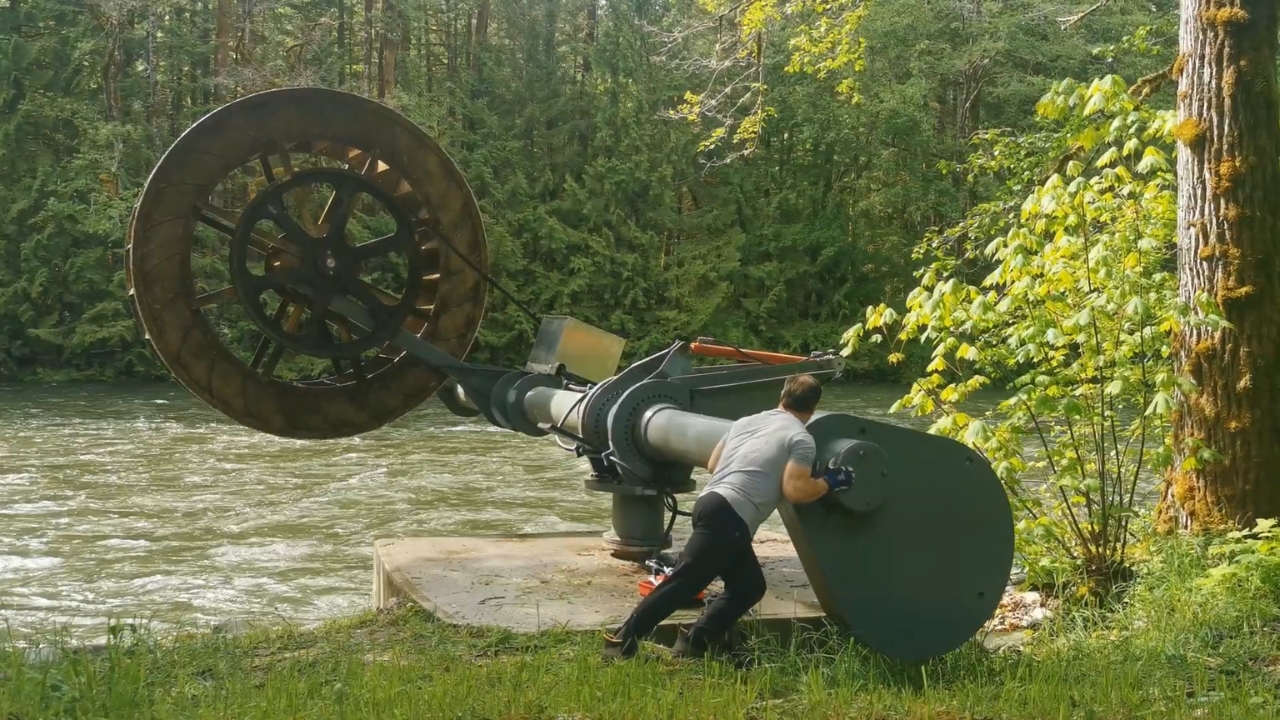
A Canadian retiree creates a hydroelectric system on a real river, generating energy continuously throughout the day and demonstrating how the power of water can supply a house with stability even in a simple structure.
-
Petrobras reaffirms its commitment to the market and ensures that it will carry out the energy transition safely to maintain national sovereignty.

-
Researchers discover a possible hydrogen deposit of up to 46 million tons beneath an ancient coal basin, and the volume could exceed half of the entire global production.

Responsible Parties for the Projects and Context of the Revocation Applied by Aneel
The concessions were in the name of SPE Riacho da Serra Energia. The plants were planned to be installed in the municipality of Paranaguá, state of Piauí. The original proposal anticipated centralized solar generation, in line with policies for expanding the renewable matrix. However, the failure to meet deadlines resulted in the loss of authorizations by reasoned decision of Aneel.
Measure Reinforces Aneel’s Regulatory Role
According to the published technical report, the decision reinforces Aneel’s institutional role in monitoring generation projects. The aim of the revocation is to ensure that active ventures have technical and regulatory viability. Additionally, the agency emphasized the need to release idle capacity and avoid compromising national energy planning. The agency acts in accordance with Law No. 9,427/1996 and follows the parameters of its institutional mission to ensure transparency, continuity of service, and control of the electric sector. The decision followed all stages of internal deliberation and underwent technical analysis by the Superintendency of Concessions, Permissions, and Generation Authorizations (SCG).
Solar Generation Requires Compliance with Standards and Schedules
The case reinforces the importance of solar energy investors complying with the established legal and regulatory milestones. The sustainable growth of the energy matrix depends on commitment to deadlines and technical deliveries. According to Aneel, inadequate execution and lack of updates pose a risk to the integrity of sector data and directly impact national planning. Therefore, stakeholders must keep reports updated, respond to the agency’s communications, and fully respect agreed timelines. Aneel’s decision was not isolated but follows ongoing inspection guidelines stipulated in regulations such as Normative Resolution No. 876/2020 and Ordinance No. 69/2018.









Seja o primeiro a reagir!