





 Portuguese
  English
  Spanish
  4 min of reading
  0 comments


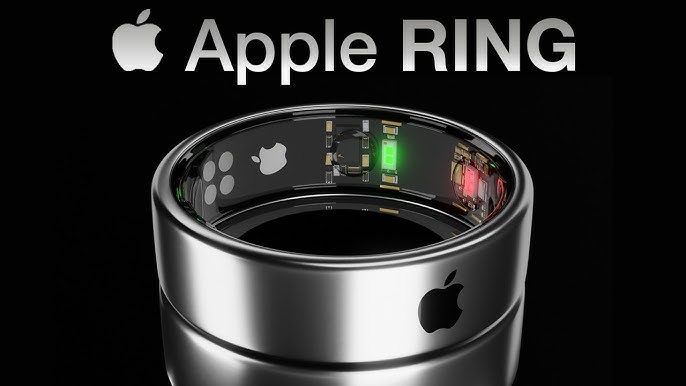
Could Apple Enter The Smart Ring Market? CEO Reveals The Plans Of The Tech Giant
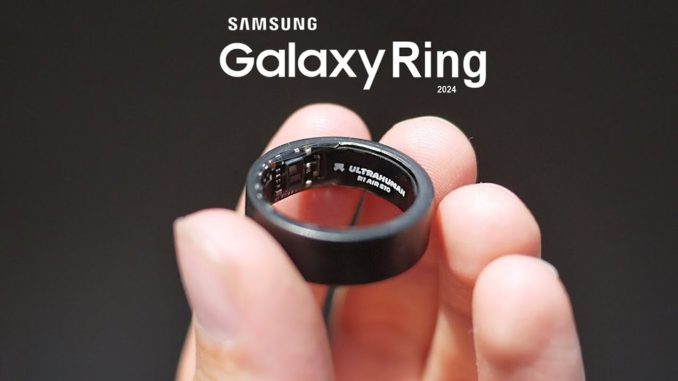
The wearable technology market is on the rise, marked by a series of innovative launches that promise to transform the way we interact with technology in our daily lives. Recently, Samsung unveiled the Galaxy Ring, a smart ring that combines style and functionality by monitoring health and providing real-time information, being one of the first devices of its kind to become popular. Now, have you thought about a smart ring from Apple?
This launch not only raised expectations about the future of wearable devices but also sparked a wave of speculation about the upcoming moves of other industry giants, such as Apple.
However, Oura’s CEO, Tom Hale, made it clear in an interview with CNBC that Apple does not plan to launch its own smart ring anytime soon. But what drives this decision from the Cupertino giant, which is already known for turning market trends into iconic products?
-
While the world looks at oil, the war with Iran is already disrupting helium supply from Qatar, affecting car and iPhone chips, threatening AI expansion, and putting pressure on aluminum packaging at the highest value in four years.

-
Global warming will expose a treasure hidden under the ice of Antarctica and may spark an international dispute over gold and valuable minerals.

-
A street vendor from Praia Grande built a robot made of scrap from scooters and washing machines that pulls his popcorn cart on the beach, emits sounds, and interacts with customers, becoming an attraction on the coast of São Paulo.

-
The specifications of the Xiaomi 18 Pro Max have been leaked, and the highlight is a dual 200 MP camera with a new 22-nanometer technology that promises to consume less energy and capture details in shadows and bright areas using LOFIC HDR.

Smart Ring: A New Era Of Wearable Technology
The smart ring is a discreet device with sophisticated sensors that monitor aspects like health, physical activity, and sleep. The huge advantage? Its lightness and long-lasting battery.
Unlike smartwatches, which need to be frequently recharged and can be uncomfortable to wear while sleeping, the smart ring is designed for constant use, being practical even during sleep. This added comfort has led many to adopt the ring as their preferred monitoring device.
With the Galaxy Ring, Samsung aims to offer a distinctive advantage in the wearables market. The device monitors heart rate, sleep quality, and even provides a “readiness score,” indicating how prepared the user is for the day. This type of feedback can be extremely useful for anyone seeking a detailed view of their health and well-being.
Apple’s Smart Ring?
Despite speculation that Apple could launch its own smart ring by 2026, Tom Hale, CEO of Oura, believes that the company is not interested in undermining the Apple Watch, which has already established a solid position in the wearable device market. In his words: “Apple is a very focused company. They say: ‘We bet on the watch. Let’s make the watch our platform.”
Apple has built a robust ecosystem around the Apple Watch, which has evolved over the years to include a range of health monitoring features, such as fall detection and blood oxygen measurement.
These are elements that differentiate it from other devices in the market and reinforce its commitment to the health and well-being of users. Adopting a smart ring could mean cannibalizing the Apple Watch market, something that Apple seems cautious about doing.
Another aspect to consider is that Apple traditionally takes its time to enter new markets until it identifies a unique way to add value. The company’s history shows that it prefers to innovate and reinvent a category rather than simply follow a trend. Therefore, it is not surprising that, even with the arrival of the Galaxy Ring, Apple remains focused on smartwatches.
Do I Really Need A Ring And A Watch?
The question of whether one needs both a ring and a watch simultaneously may seem trivial, but for many, it’s a practical and even economic decision. Investing in two wearable devices that can offer similar features may be an extra cost for the consumer, without a significant gain in additional benefits.
Samsung, however, sees potential in the smart ring category and believes there is a growing demand for health monitoring in a less intrusive format. By launching the Galaxy Ring, the company aims to reach an audience that values discretion and comfort, yet still wants powerful and effective technology.
Samsung even plans to integrate the ring with the Samsung Health app and explore the possibility of a subscription model for additional features, showing that it sees potential for growth in the segment.
What To Expect From The Future Of Wearable Devices?
With fierce competition in the technology sector, innovation becomes increasingly necessary. Samsung bets that by innovating in the field of smart rings, it can offer a product that not only measures health but also becomes a “personal trainer,” aided by artificial intelligence.
However, Apple seems more inclined to strengthen its health ecosystem through the Apple Watch and other services, rather than enter a new product category that could divide its user base.
In the end, the future of wearable devices will likely involve a coexistence between watches and smart rings, with each consumer choosing what best fits their lifestyle and needs.
If you’re an Apple fan dreaming of a smart ring from the brand, it might be better to stick with the Apple Watch, at least for now. For those who prefer alternatives, the Galaxy Ring and the Oura Ring are options that can perfectly meet health and wellness needs.








Seja o primeiro a reagir!