





 English
  Francês
  Alemão
  Italiano
  Japonês
  Norueguês
  Portuguese
  Spanish
  3 min of reading


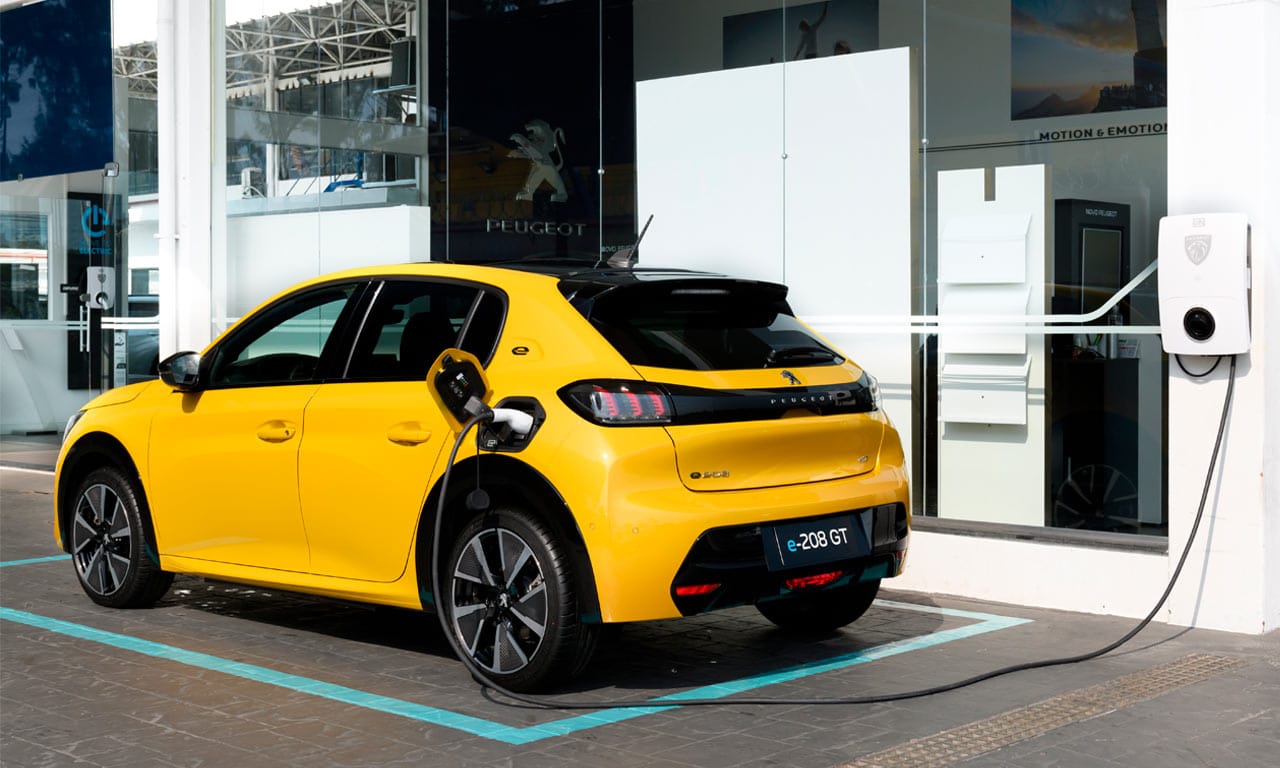
Anfavea Plans to Create a Group So the Charging Infrastructure Across Brazil Gains Greater Momentum from Vehicle Importers, Manufacturers, and Other Companies.
The National Association of Motor Vehicle Manufacturers (Anfavea) announced, during a press conference to disclose last month’s results (March), the creation of a group to promote and support the advancement of electric vehicle infrastructures and the installation of new charging points in Brazil. The group will consist of vehicle importers, representatives of manufacturers, and other companies linked to the sector.
Understand the Purpose of the Group Created by Anfavea
The aim of the group will be to generate new charging points for electric vehicles in Brazil, outlining priority routes for fast charging stations on highways. In addition, potential incentives for the use of electric vehicles will also be identified, such as the reduction of fees and taxes, exemption from traffic restrictions, among others, and the search for partners to create charging points at highway concessionaires, energy companies, and other establishments.
According to Anfavea’s president, Luiz Carlos Moraes, Brazil currently has about 1,000 charging points for a fleet of approximately 10,000 electric cars, which is equivalent to an average of 10 cars for each charging point.
-
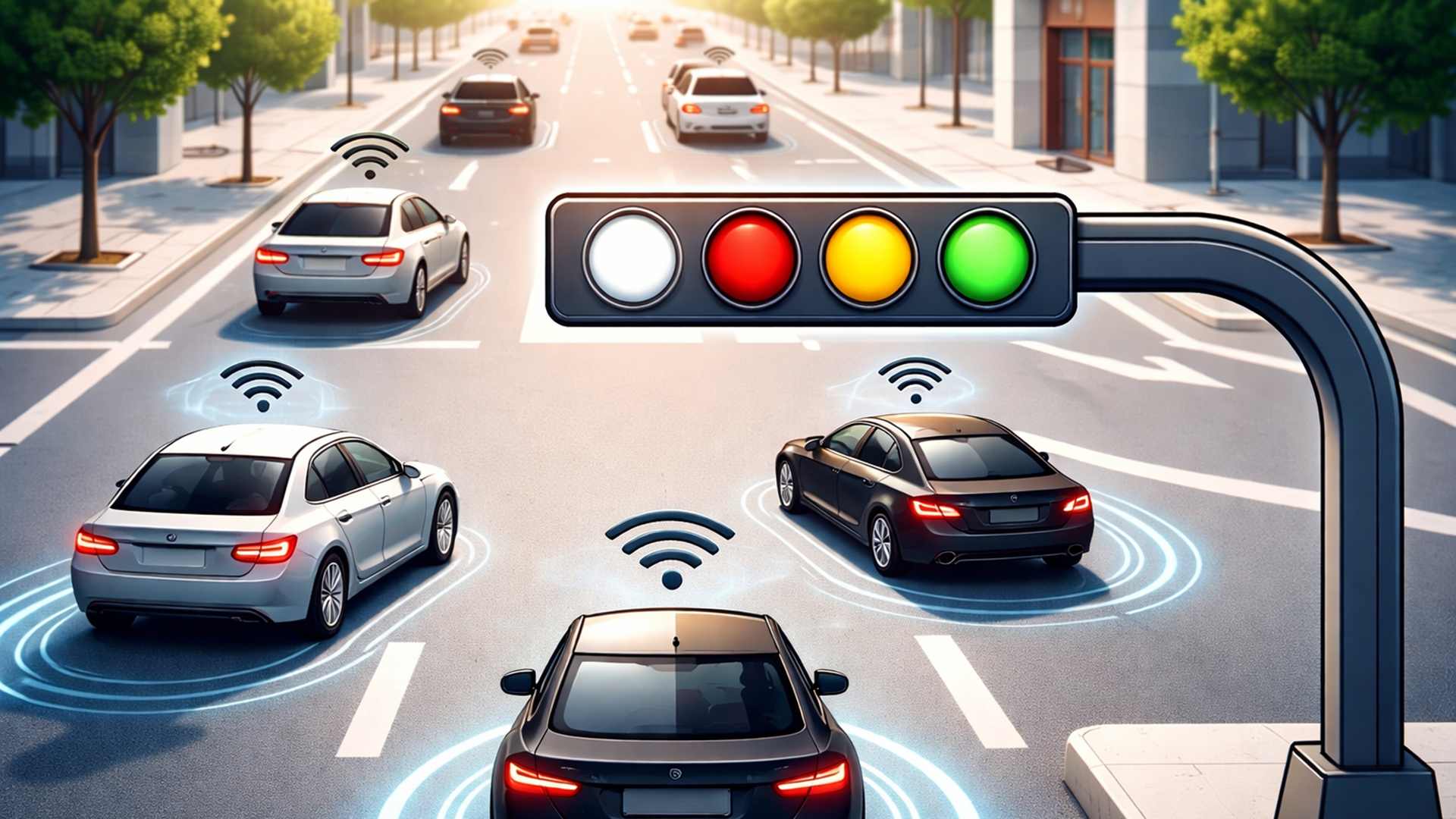
Engineers propose a fourth traffic light for intersections – the change promises to affect crossings, queues, and waiting times.
-
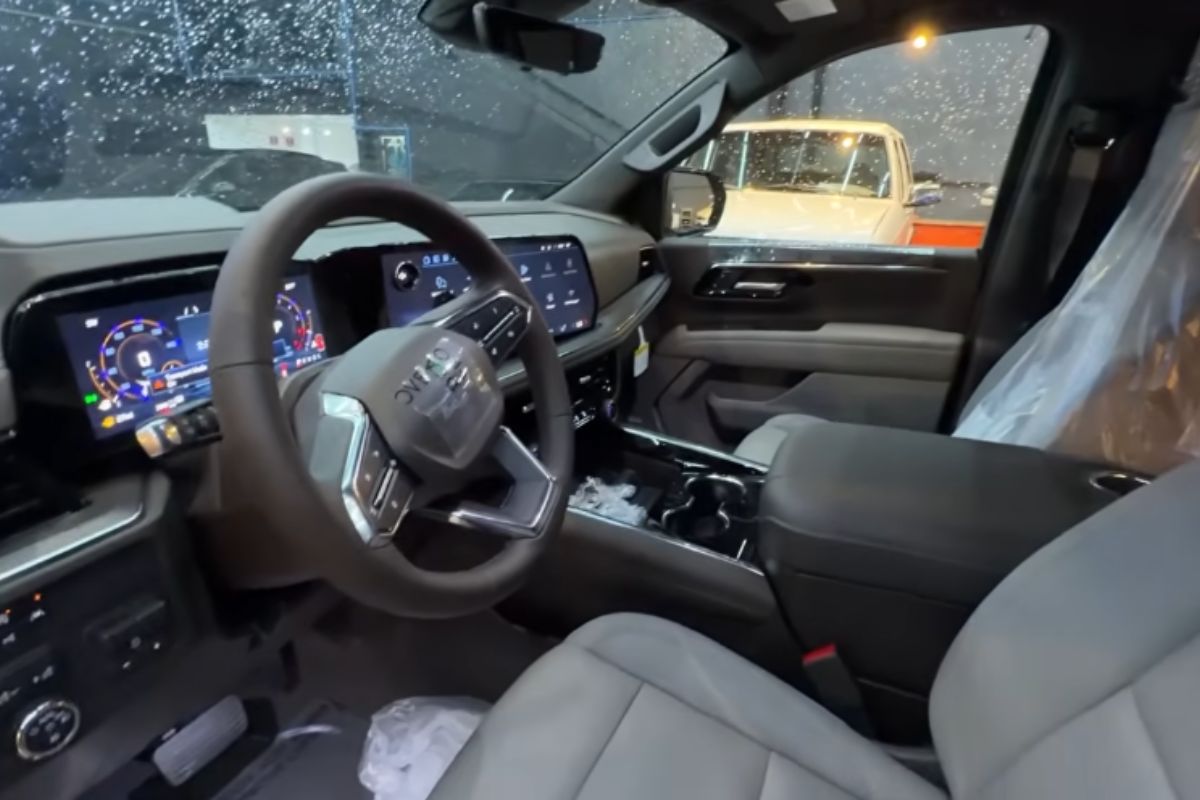
Chevrolet Suburban Z71 lands in Brazil with a V8 engine, off-road design, air suspension, seven seats, and colossal size, a rare version imported for around R$ 1.3 million with luxury and exclusivity.
-
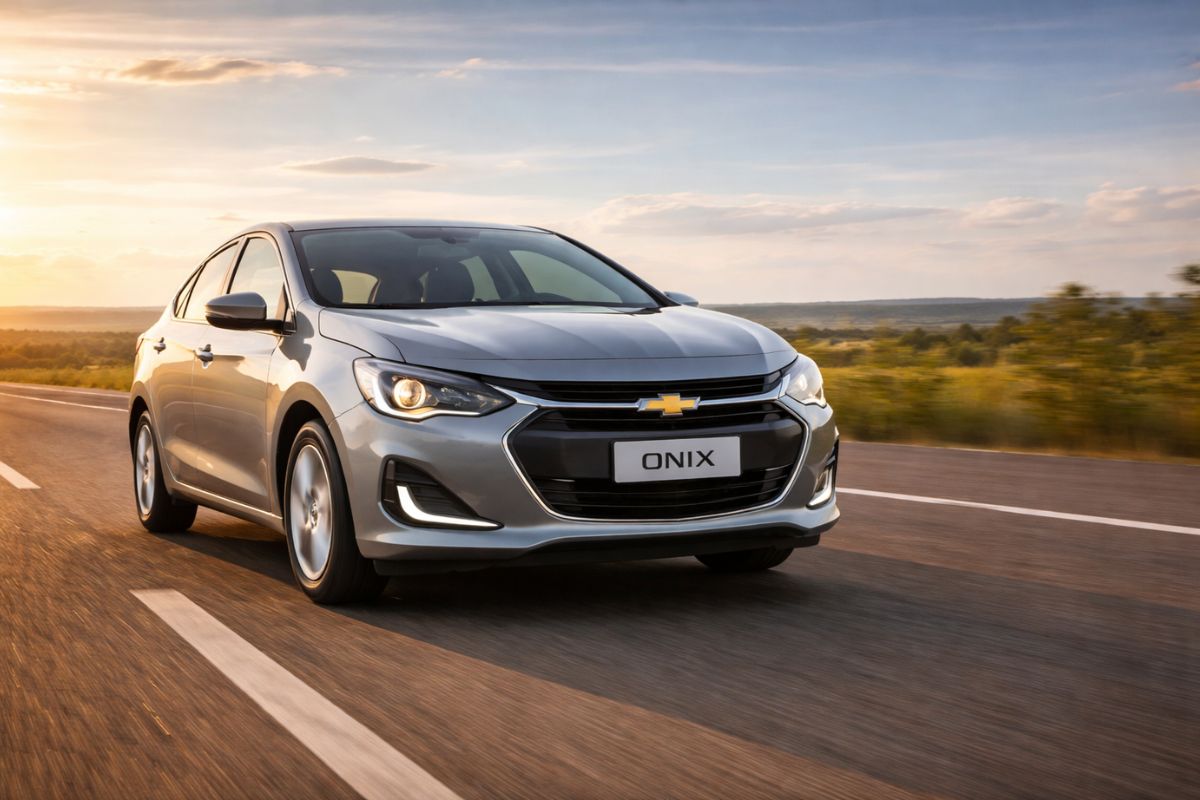
The Chevrolet Onix 1.0 turbo achieves 17.7 km per liter on the highway and ranks among the three most economical cars in Brazil in 2026, alongside two more expensive Toyota hybrids available at dealerships.
-
Little sister of the Hilux: Toyota launches Land Cruiser FJ with 4 radical versions, 2.7 engine with 166 hp and 4×4 traction with locking.

According to data from the study “The Path to Decarbonization of the Automotive Sector,” presented by Anfavea in August of last year, there will be around 3.2 million electric vehicles circulating in the country by 2035. Thus, the demand will be for the installation of 150,000 charging points. The estimate for the global market is that out of four million new vehicles sold by 2035, 32% will be electric to some extent, either fully electric or plug-in hybrids.
Companies Also Play Their Part in Expanding Electric Infrastructure
In addition to Anfavea, companies are also encouraging the infrastructure for electric vehicles so that their products can establish themselves and be more accepted by the Brazilian public.
Among these companies is Great Wall Motors (GWM), which plans to install 100 charging points for electric cars of any model in São Paulo. The announcement was made in March by the state governor, João Dória. This initiative is part of the investments that the company is making in the production of electric models at the plant in Iracemápolis. The investment amounts to R$ 10 billion.
The network of charging points for electric vehicles will be powered by solar panels in the state capital, while the second phase will involve charging points in municipalities of other states, according to the governor.
Tip for Planning a Trip with an Electric Car
Planning for a trip with an electric vehicle goes beyond checking the vehicle’s range or the distance to the destination. It is necessary to anticipate what might go wrong, map the charging stations along the route, and discover which of these points offer fast charging, to keep an eye on the time each one takes to charge your vehicle, and finally, to avoid getting down to less than 20% battery.
Even so, the chances of something going off-plan are considerable. It is worth remembering that the range varies according to driving style. Like combustion vehicles, the heavier the driver’s foot, the more battery is consumed. The problem is that in electric vehicles, the sensitivity is even greater, and a range like that of the XC40 Recharge, with a range of 420 km, can easily drop to 300 km.









Seja o primeiro a reagir!