





 Portuguese
  English
  Spanish
  4 min of reading
  12 comments


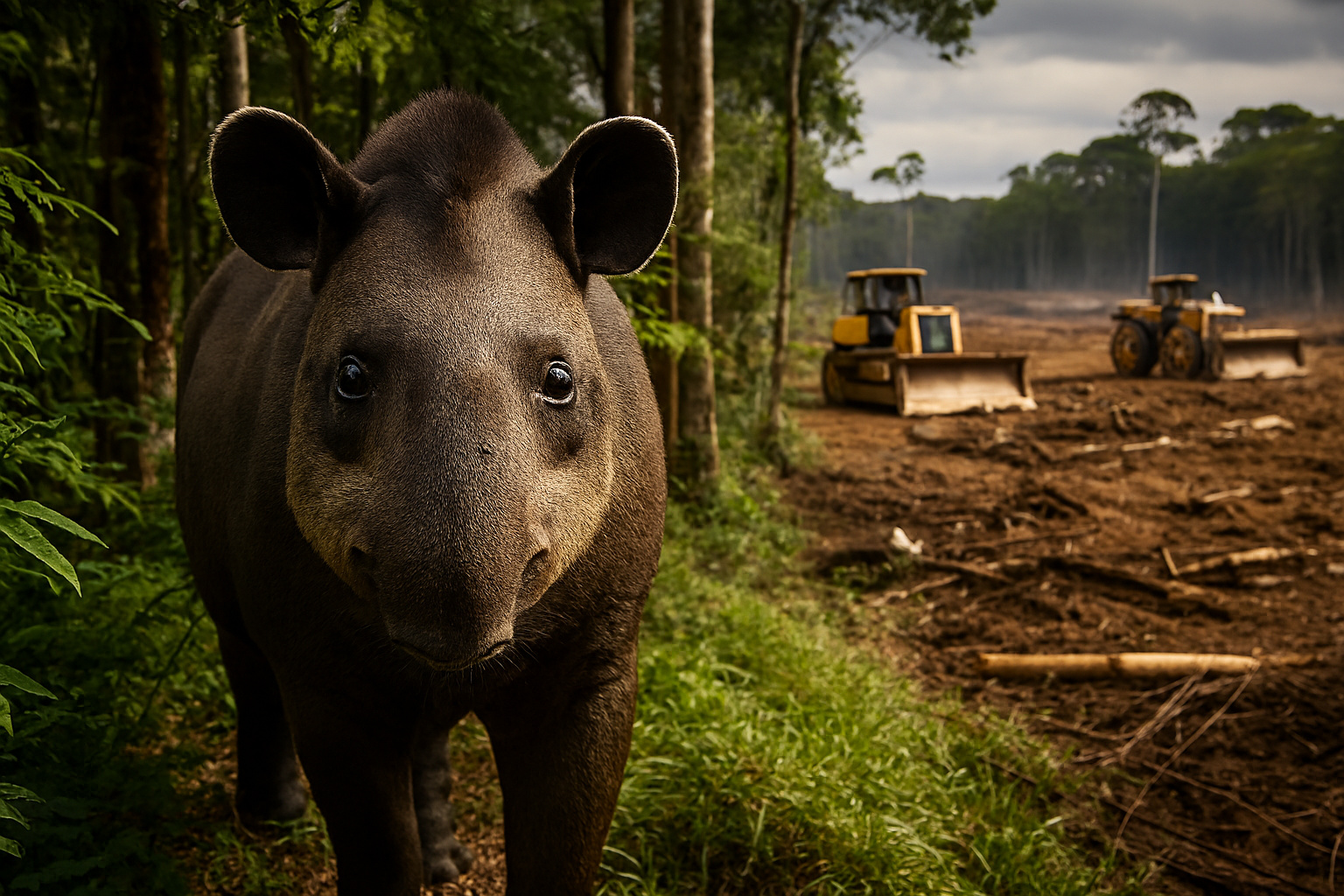


Symbol of Brazilian Biomes, The Tapir Suffers From Deforestation, Pesticides, and Roadkill. Without It, Entire Ecosystems Lose Balance and Regenerative Capacity.
The tapirs (Tapirus terrestris), known as the largest species of land mammals in Brazil, are among the animals most affected by the advance of agriculture. Found in the Cerrado, the Amazon, the Pantanal, and fragments of the Atlantic Forest, they play an essential role in nature: they are called “gardeners of the forest” as they spread seeds from dozens of plant species, helping in the regeneration of native vegetation.
However, the accelerated expansion of crops, pastures, and monocultures is leading tapirs to an uncertain future, pushing the species onto the list of animals at risk of extinction.
Deforestation and Habitat Fragmentation
The greatest impact of agriculture on tapirs is the destruction of habitat. The clearance of areas for pastures, soybeans, sugarcane, and corn fragments forests and ecological corridors. With less space to live and move, tapir populations become isolated in small fragments, with insufficient opportunity for genetic exchange.
-
Germany proposes silent propellers to solve a centuries-old problem: the damage caused in the ocean by ship noise.
-
What the Public House of Julius Caesar was like inside in the Roman Forum: layout, atrium with compluvium and impluvium, tablinium and peristyle, and the scandal of the Bona Dea, revealed in an AI recreation.

-
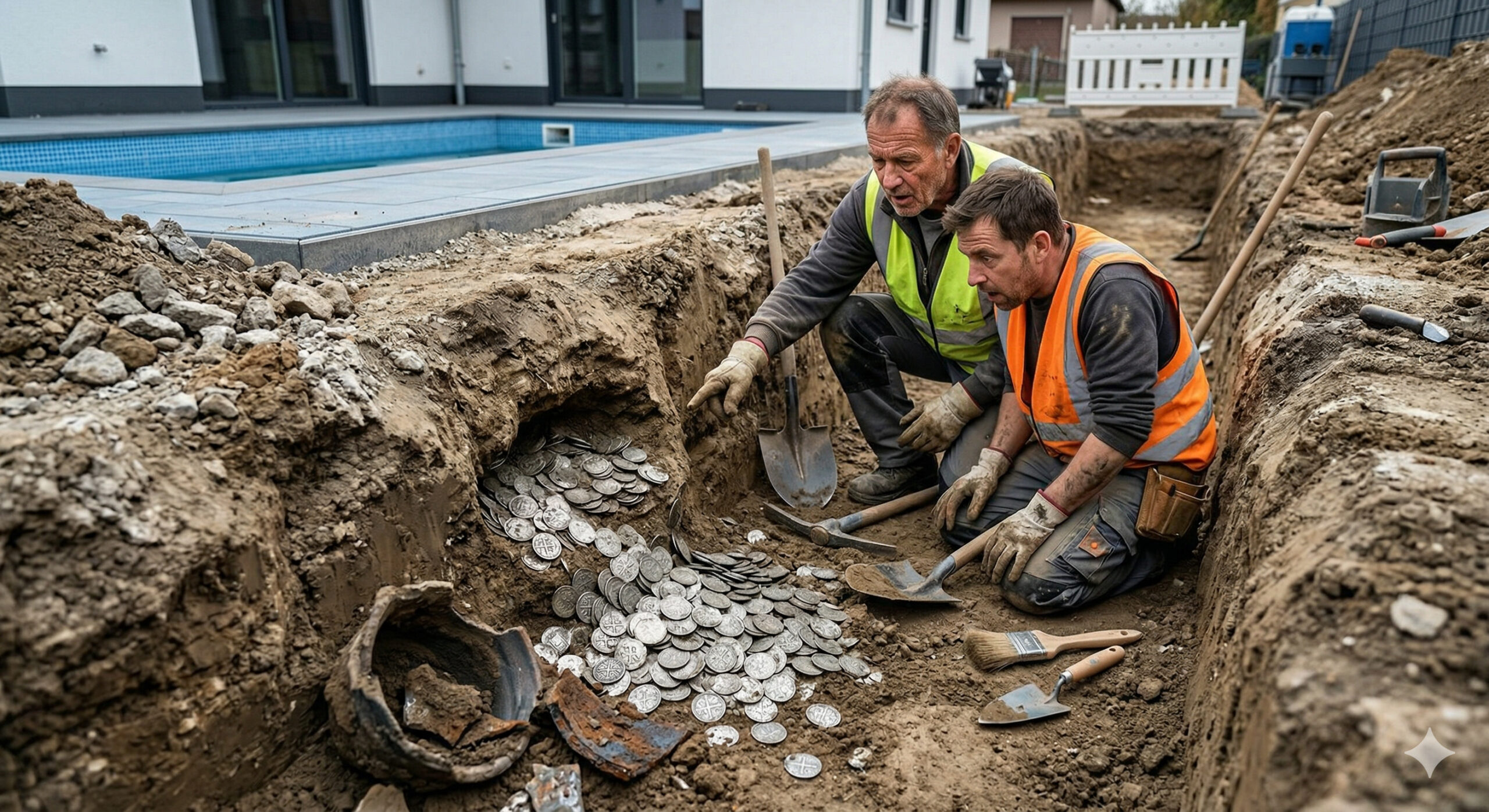
While digging a trench next to a pool in Germany, workers found more than 1,500 silver coins from 1320 in the rubble, revealing a treasure buried for over 700 years.
-
Flight Helios 522, the “ghost” flight with 121 people: the commercial aircraft flew for more than 2 hours on autopilot after a pressurization failure left pilots and passengers unconscious and only stopped when it ran out of fuel.



This isolation leads to a decline in species diversity and increases vulnerability to diseases, predators, and human pressures. In the Atlantic Forest, for example, the tapir has practically disappeared from many states due to historical deforestation and agricultural expansion.
The Invisible Threat of Pesticides
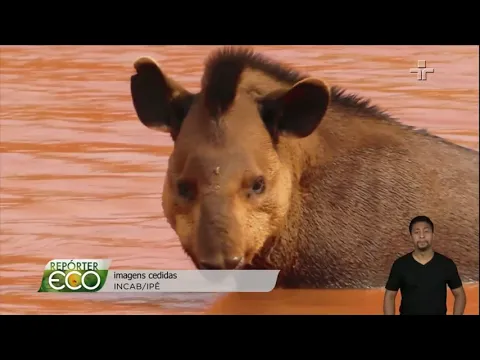
Another direct consequence of agricultural advancement is the intensive use of pesticides. Recent research has identified tapirs in the Cerrado with pesticide residues in their bodies, indicating that these animals are ingesting contaminated water or plants.
These chemicals affect not only the health of tapirs but also the quality of water and soil, posing risks to other species and even human communities. The case of the tapirs serves as an environmental alert: if they are contaminated, it means that the entire surrounding ecosystem is also being impacted.
Direct Conflicts with Humans
In some regions, tapirs are seen as pests for invading crops in search of food. This generates conflicts with farmers, who may expel them or even hunt them illegally.
Additionally, there is the issue of roadkill, one of the leading causes of death for the species. As agriculture expands roads and logistics to transport production, animals end up crossing areas with heavy traffic, resulting in fatal accidents.
Slow Reproduction: An Aggravating Factor for the Species
Tapirs have a slow reproduction rate: the gestation lasts over a year, and each female gives birth to only one calf at a time. This means that when populations suffer sharp declines due to deforestation, hunting, or roadkill, recovery is extremely slow.
Thus, each loss weighs heavily on the long-term survival of the species.
Consequences for Ecosystems
The decline of tapir populations affects not only the species itself. As significant seed dispersers, their absence compromises the regeneration of forests and plant diversity. Plants that rely on tapirs to carry their seeds to new areas cease to spread, which can alter the composition of forests and reduce ecosystem resilience.
Without the “gardeners of the forest,” nature loses one of its key allies in maintaining biodiversity.
Situation in Brazil and the World
In Brazil, the tapir is still considered “vulnerable”, but in some biomes, such as the Atlantic Forest, it is already classified as “critically endangered.” Worldwide, other tapir species, such as the Malayan tapir and the Baird’s tapir, face similar risks due to agricultural expansion and hunting.

In other words, the threat is not exclusive to Brazil: it is a global phenomenon driven by the pressure of agriculture on natural areas.
Paths for Conservation
Initiatives such as the National Initiative for the Conservation of the Brazilian Tapir, led by the Institute of Ecological Research (IPÊ), have been working on monitoring the species, installing wildlife passages on highways, and awareness programs.
Additionally, the debate on the need to reconcile agricultural production with conservation is growing, through legal reserve areas, ecological corridors, and more responsible use of pesticides.
Tapirs are among the most silent victims of agricultural advancement. Amid deforestation, pesticide use, roadkill, and hunting, the species is dangerously approaching extinction in several regions.





Eu gosto de ver matérias assim e ver que tem tem muita , mas muita gente que ataca é critica as pessoas que trabalham no campo …
Com isso , nós produtores rurais sabemos que cada vez menos pessoas vão ter coragem de produzir e cada vez mais pessoas vão se alimentar, e nós vamos ganhar nosso dinheiro.
Mais consumidores e menos produtores..
Tem pessoas que de geladeira cheia são todos críticos do agro , nem fazem ideia de quantos itens vcs usam por dia que é derivado do agronegócio.
Mas continuem assim.
Quanto menos pessoas encorajadas pra produzir e melhor pra nós..
Matéria escrita por quem não sai do escritório..
Eu moro no Noroeste de MT .
Em propriedade rural..
Convido vc jornalista a vim pro campo pra saber a realidade mesmo e parar de escrever besteira
Isto é falta de materia para publicar. Tem animais que estão longe de serem extintos, e a **** é uma delas. Se não tem matéria para publicar, não publique mentiras.
É mesmo? ****, energúmeno. Vc deve viver em Nárnia, para não enxergar a realidade. Vai estudar, jegue.
Deixa de ser ridículo…
Vai pro campo primeiro pra depois querer ter opinião dessa forma..