





 Portuguese
  English
  Spanish
  3 min of reading
  0 comments


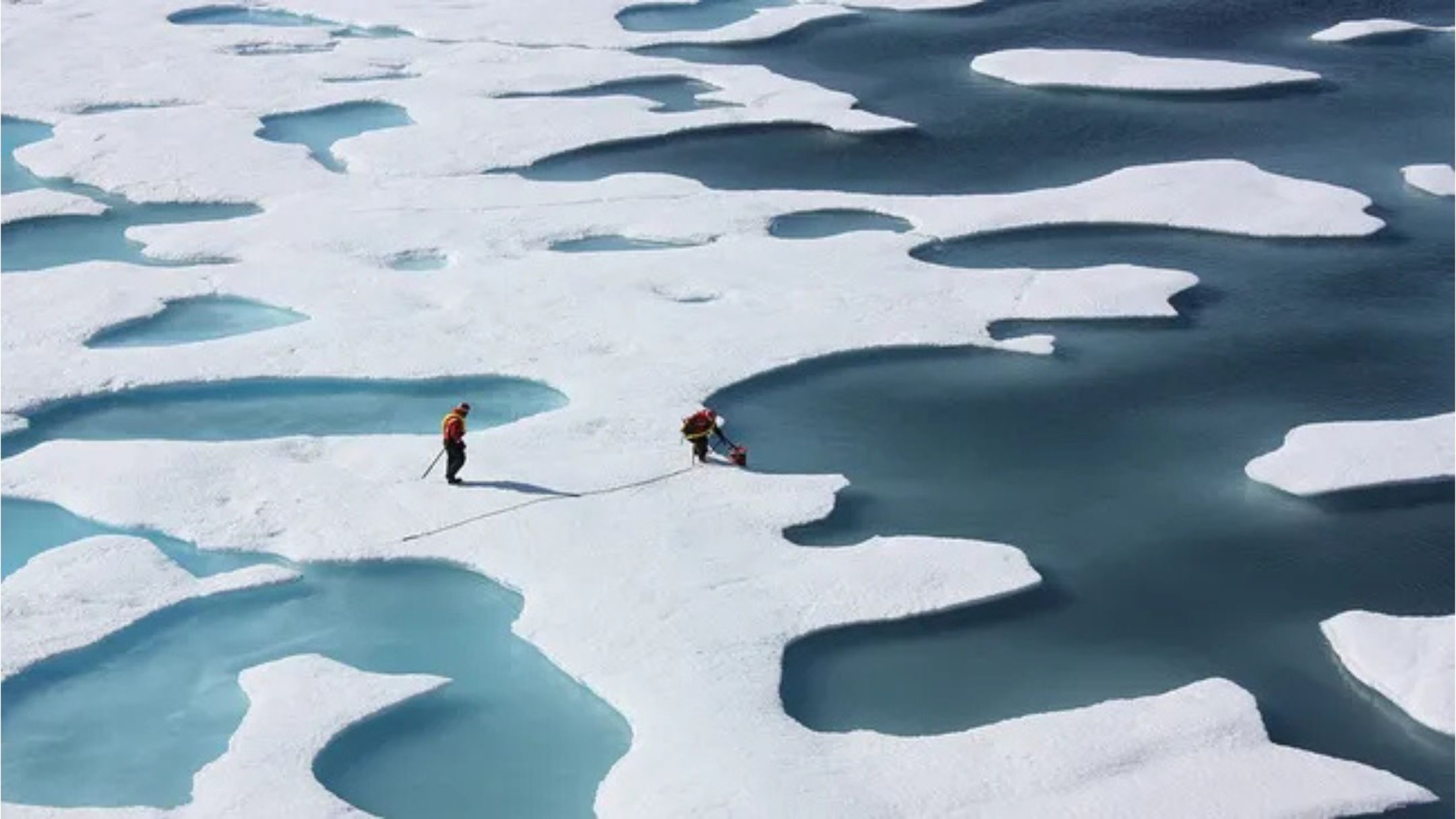
The Antarctic thaw and the imminent pressure for the economic exploitation of minerals. The exposure of large deposits of strategic metals puts the Antarctic Treaty to the test, as global powers monitor the new mineral frontiers created by climate change.
The accelerated melting of ice layers in Antarctica is revealing vast mineral deposits that could trigger an unprecedented geopolitical dispute in the coming decades.
Recent geological studies indicate that the frozen continent harbors significant reserves of gold, silver, copper, and iron, essential resources for the global industry.
As global warming makes these areas more accessible, the possibility of commercial exploitation begins to attract the attention of various nations interested in securing new sources of raw materials.
-
A study reveals that the hungriest black holes in the universe are going dormant due to a lack of matter.

-
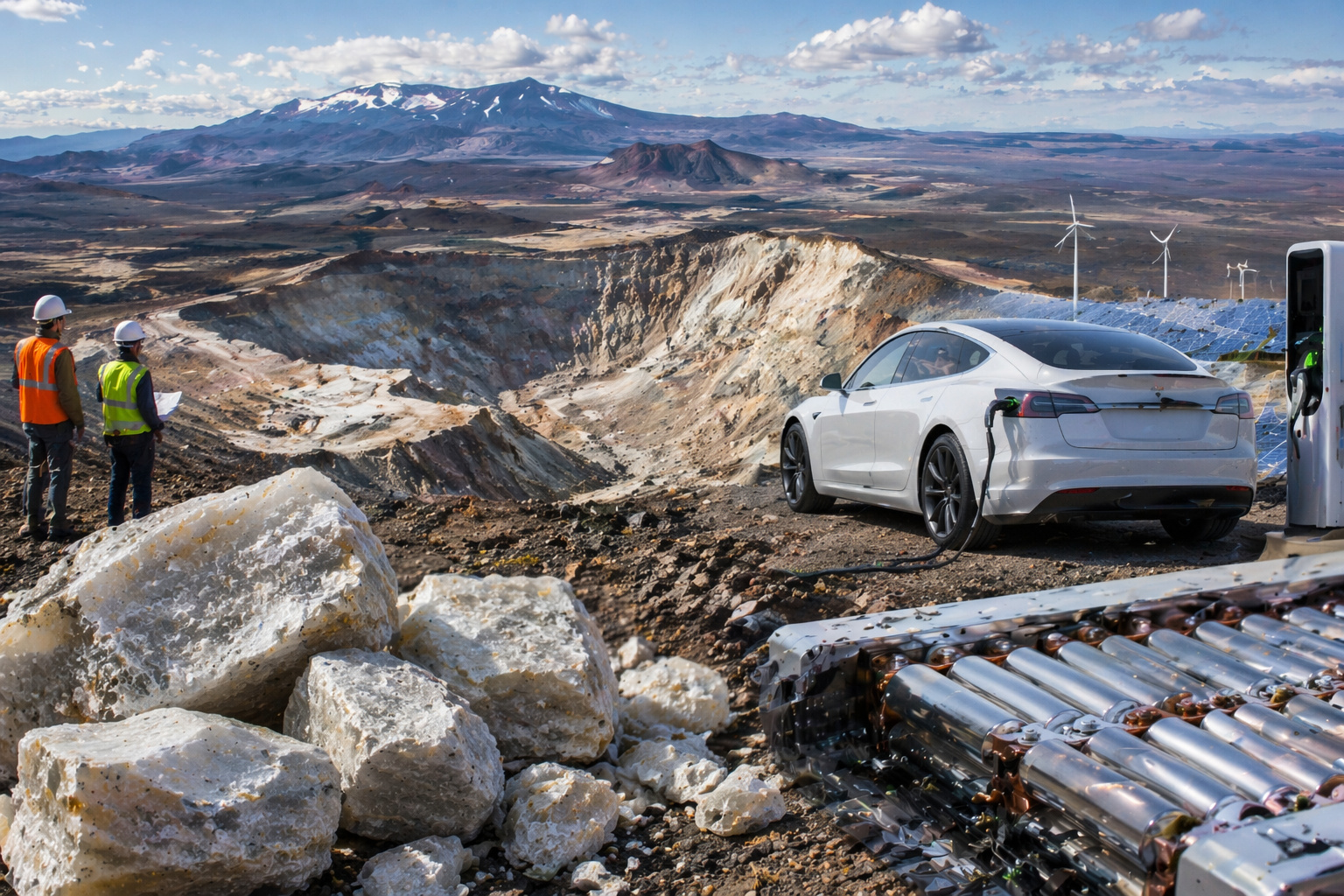
Gigantic lithium deposit hidden in supervolcano in the US could transform the battery industry, boost electric vehicles, and place Elon Musk at the center of a new global energy race.
-
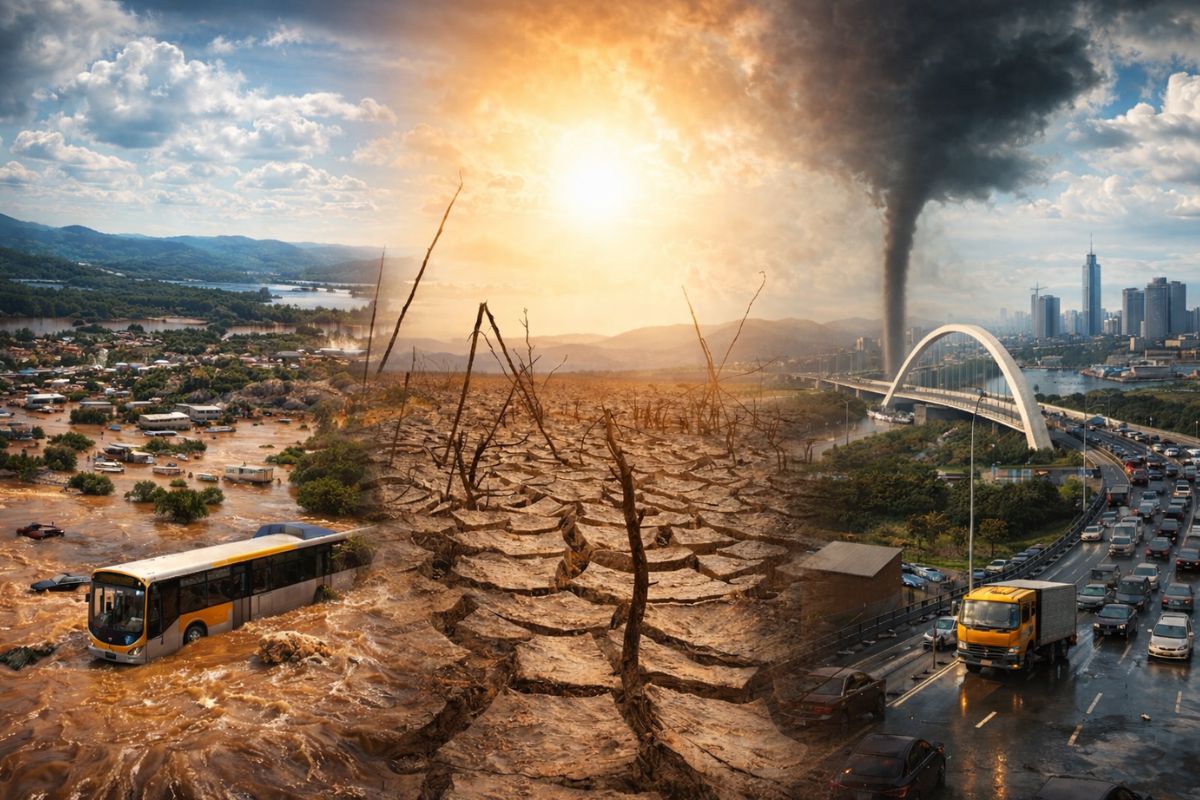
Specialists warn that a super El Niño, potentially the strongest in 140 years, could form as early as 2026 and lead the planet to record temperatures never seen before, with impacts that Brazil is expected to feel starting in June.
-
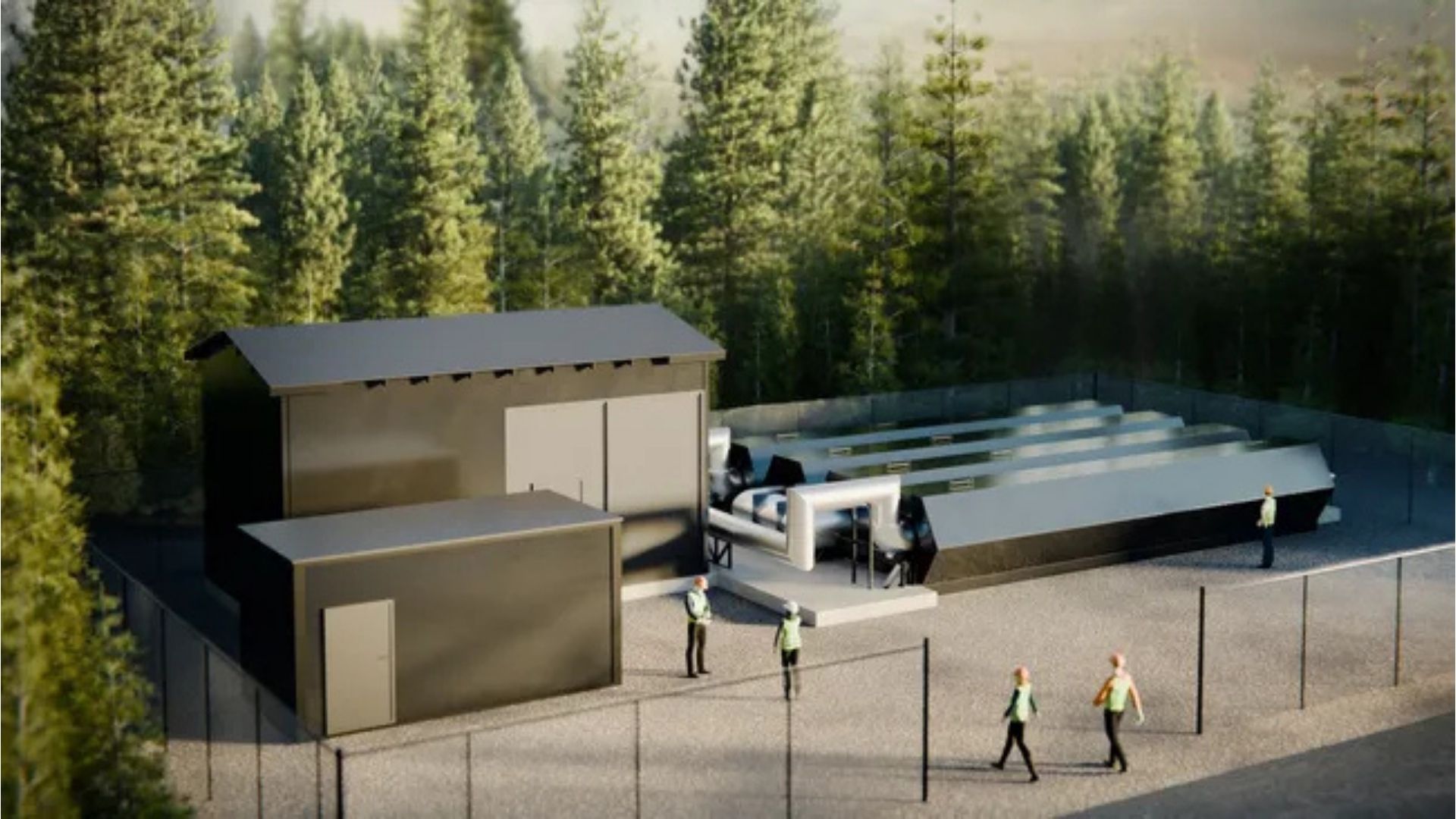
Finland has created a giant sand battery that stores clean energy for months and promises to revolutionize the global electricity market.
The mineral wealth hidden beneath the Antarctic ice
Projections indicate that the Earth’s crust beneath the Antarctica has a geological composition similar to that of mineral-rich regions in Australia and South America.
The presence of gold, silver, copper, and iron in potentially gigantic volumes transforms the continent into one of the last great strongholds of untapped natural resources on the planet.
Historically, the thick ice layer and extreme weather conditions acted as a natural barrier, preventing any attempts at large-scale prospecting.
However, the retreat of glaciers is exposing previously unreachable terrain, facilitating the mapping of areas with high concentrations of valuable metals.
Experts warn that identifying these deposits jeopardizes the environmental preservation of the region, which until now has been protected by strict international treaties.
The infrastructure needed to reach these locations is still complex, but technological advancements and reduced ice cover make mining an increasingly feasible technical possibility.
Geopolitical dispute and the risk of a new mineral rush
The discovery of massive amounts of gold, silver, copper, and iron raises concerns about the stability of the Antarctic Treaty, which currently prohibits mining activities on the continent.
Countries with territorial claims and economic powers may push for a revision of international norms to allow the economic exploitation of these assets.
The race for natural resources in an internationally contested sovereignty zone could generate diplomatic tensions and conflicts of interest among the world’s major economies.
The interest extends beyond precious metals to industrial metals that are fundamental for the energy and technological transition.
Copper and iron, for example, are pillars for construction and the manufacturing of electronic components on a global scale.
With the scarcity of traditional land mines on other continents, Antarctica emerges as an extremely lucrative final frontier, intensifying nations’ monitoring of geographical transformations caused by thawing.
Environmental impacts and the future of the white continent
The potential extraction of gold, silver, copper, and iron in Antarctica poses severe risks to the world’s most preserved ecosystem.
Mining activities in extreme cold environments require heavy logistical operations, which could result in chemical pollution and destruction of unique habitats.
Scientists emphasize that any human intervention aimed at mining would further accelerate the climatic damages already observed in the region, creating a cascading impact on ocean levels and global climate.
Moreover, the degradation of permafrost and the exposure of soil for mining could release microorganisms and gases that have been trapped for millennia.
The international scientific community argues that the scientific and environmental value of Antarctica should prevail over immediate commercial interests.
However, the economic pressure generated by the discovery of these strategic metals signals that the future of the continent will be decided by the balance between ecological preservation and the global thirst for natural resources.
Click here to access the study.






Seja o primeiro a reagir!