





 Portuguese
  English
  Spanish
  4 min of reading
  0 comments


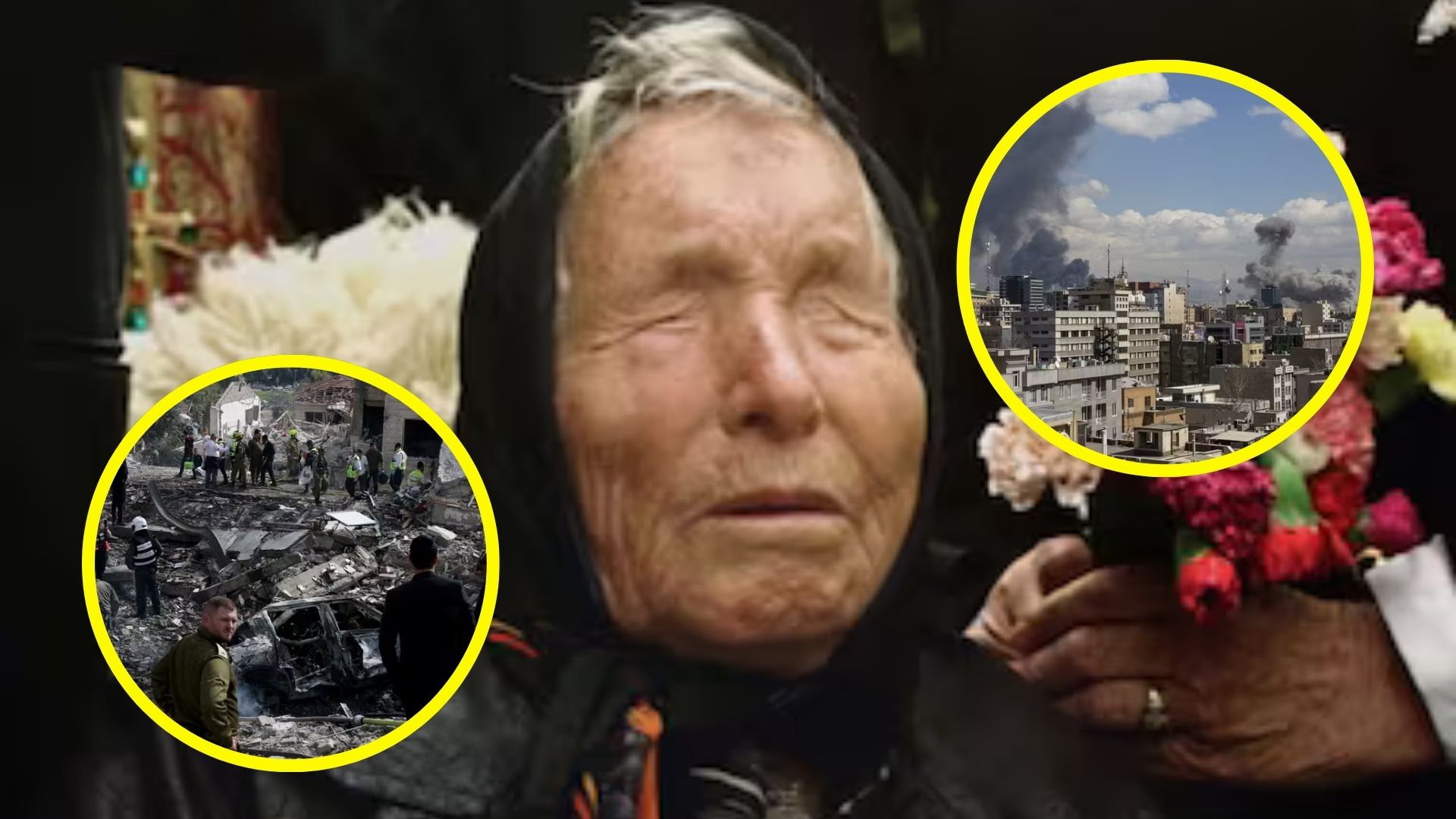
Prophecy Attributed to Baba Vanga Resurfaces Strongly Online Amid New Tensions in the Middle East, Mixing Fear, Curiosity, and Misinformation.
The prophecy attributed to Bulgarian Baba Vanga, according to which 2026 would mark the beginning of World War III, has gained traction on social media amid rising tensions involving the United States and Iran and new episodes of instability in the Middle East.
There are circulating versions that describe a conflict beginning between Europe and Asia and spreading to global powers, but these narratives vary depending on the post and generally do not point to a verifiable source of the supposed original content.
Baba Vanga’s Prophecy and Lack of Reliable Record
Baba Vanga passed away in 1996 and became a popular icon associated with predictions, but there is no documented consensus on what she would have said in each year, because there are no reliable written records produced by her with an organized list of prophecies.
-
The Argentine government celebrates the lowest poverty rate in 7 years, but experts warn that the methodology has changed, real wages have fallen, unemployment has risen, and the number of people on the streets of Buenos Aires has increased by 57% since Milei took office.

-
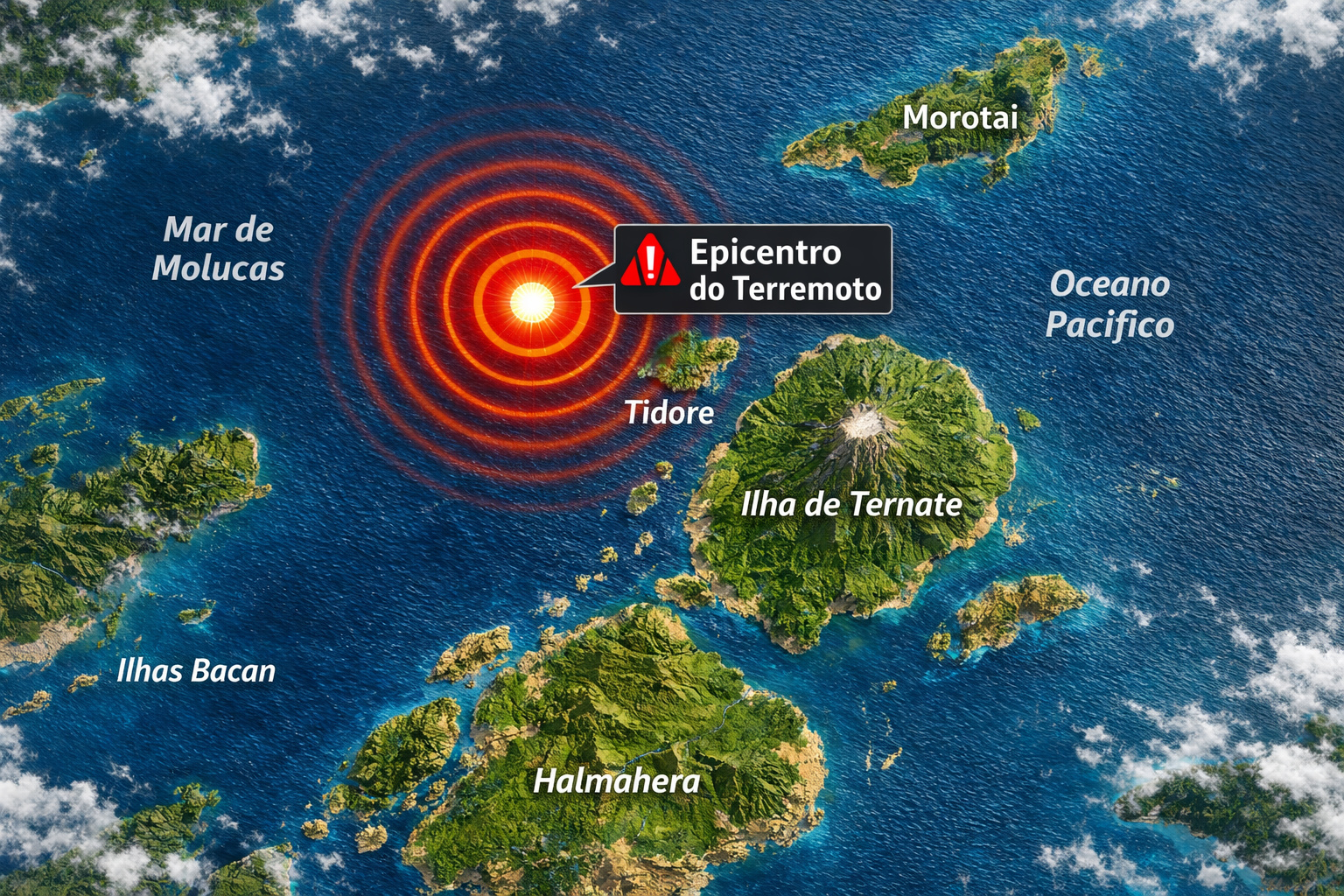
7.8 magnitude earthquake in Indonesia frightens the population, triggers tsunami alert, and hits an island with over 200,000 inhabitants this Thursday.
-
Google will finally let you change that embarrassing Gmail address you created in your teenage years without losing any accounts, logins, or old emails: the feature is already available in the United States.

-
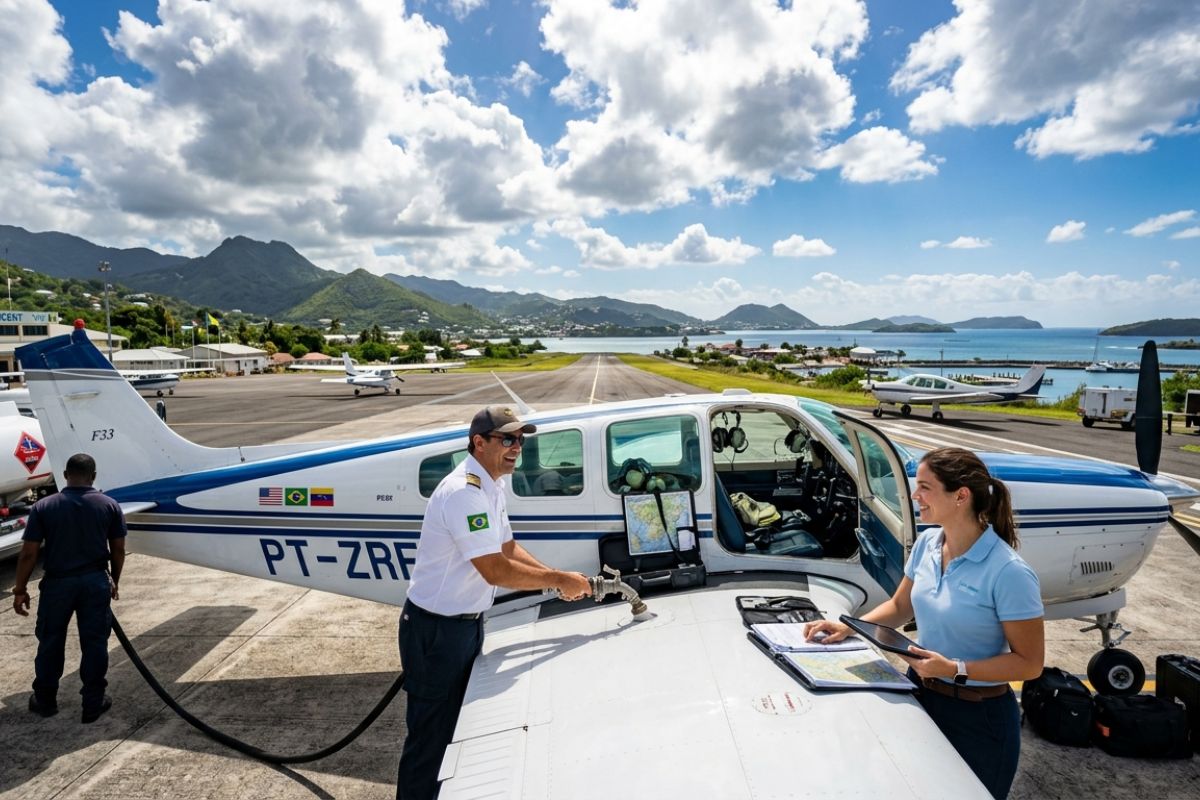
Heading to Brazil in a Bonanza F33 single-engine aircraft: a couple departs from Florida on a visual flight, makes technical stops in the Caribbean to refuel and organize paperwork, and begins the staged crossing until they reach the country.

When analyzing recent rumors about “predictions” attributed to the mystic, fact-checkers have highlighted that these claims appear in waves, change in formulation, and rely on indirect attributions, which prevents comparing the original phrase, context, and exact date of the supposed warning.
International Crisis and Triggers for Prophetic Rumors
During periods of military escalation or diplomatic friction, prophetic content tends to resurface strongly, as it connects complex events to a simple and immediate explanation, even if the connection is based more on association than on traceable evidence.
This time, the circulation increased in parallel with new headlines about regional instability, including exchanges of threats, military movements, and reports of attacks and retaliation that heightened the alert level among governments and international organizations.
Tension Between the United States and Iran in the Middle East
In recent months, the relationship between the United States and Iran has deteriorated again.
American and Iranian authorities have resumed exchanging accusations and signs of hardening, with the environment worsened by security events and chain reactions involving allies and forces active around the Gulf and strategic routes.
More recently, episodes reported by international agencies described an escalation with military actions and public responses from both sides, as well as diplomatic repercussions that increased the risk of spillover to other countries in the region.
How Social Media Describes the “War of 2026”
In posts shared in different languages, the narrative often asserts that 2026 would be a turning point, with a broad war capable of changing the course of humanity, frequently without detailing which documents would support this specific timeline.
Other content repeats that the conflict would start between Europe and Asia, but the versions do not coincide on triggers, countries, or time markers, and this lack of consistency is one of the signs that it is a narrative reconstructed by third parties.
What Can Be Checked and What Cannot Be Asserted
As there is no verifiable primary record of what Baba Vanga might have said, it is not possible to confirm with certainty the “categorical” statement about World War III in 2026, nor establish that there is a unique and stable prediction repeated over time.
There is also no factual basis for treating rumors as forecasts, because the evolution of international conflicts depends on observable political and military decisions, not on retrospective accounts that circulate without defined authorship and consistent documentary reference.
Viralization and Engagement Mechanics on Platforms
During crisis cycles, digital platforms tend to promote terms and narratives that evoke fear and urgency, which facilitates the resurfacing of prophecies attributed to famous figures, even when the content lacks context, proof, or transparency about the origin.
Additionally, the theme tends to be recycled with minor changes to fit the current news cycle, which explains why versions about 2026 become associated either with tensions in the Middle East or with other ongoing international disputes.
Why Europe and Asia Appear in These Versions
The mention of Europe and Asia frequently appears because conflicts in these regions carry historical and strategic weight, and the simple reference to “powers” creates a sense of inevitability, even when the post does not specify who the central actors in the scenario would be.
Meanwhile, actual news describes a complex regional dynamic, with alliances, influence disputes, and economic effects, and international organizations have warned of risks of escalation and humanitarian impacts when military operations intensify.
Public Debate Between Curiosity and Misinformation
The attribution of predictions to Baba Vanga continues to attract attention because it unites mystery, fear, and curiosity, but the central point remains the absence of verifiable documentation that allows for methodical evaluation of what was said and in what terms.
At the same time, the deterioration of relations between rival countries keeps the subject alive, as any new escalation generates instant interpretations on social media, including hasty readings that confuse prophetic rumors with geopolitical analysis.








-

Uma pessoa reagiu a isso.