





 Portuguese
  English
  Spanish
  3 min of reading
  3 comments


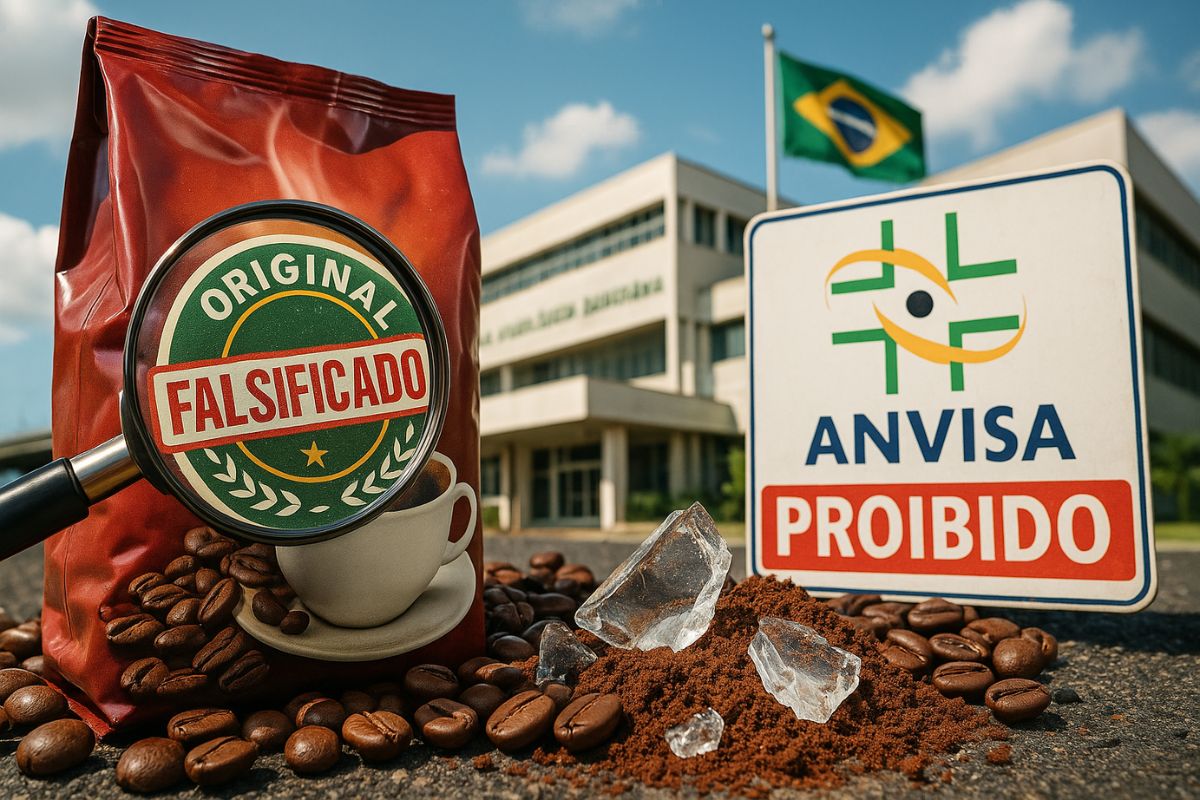


Câmara Brand Product Withdrawn From Market Following Analyses Indicating Misuse of Abic Purity Seal, Unknown Origin, and Serious Contaminants.
The Anvisa prohibited the sale of Café Câmara after identifying a series of irregularities that expose severe flaws in the product’s quality control. The analyzed batch presented fragments resembling glass, in addition to fraudulent use of the purity seal from the Brazilian Coffee Industry Association (Abic).
According to a report from g1, the investigation revealed that the responsible company has not been a member of Abic since 2016, yet continued to display the seal on its packaging. Additionally, the factories linked to the coffee production were operating irregularly, lacking proof of the product’s true origin.
How the Fraud Was Discovered
The case came to light after analysis by the Noel Nutels Central Public Health Laboratory (Lacen/RJ) on batch 160229. The report confirmed the presence of foreign bodies, resembling glass, which poses a direct risk to consumer health.
-
A rare storm transformed part of the Gulf into an unlikely scene of hail, extreme rain, and tornado risk in the middle of the desert, with volumes that exceeded the annual average in a single day.

-
Brazil catches the world’s attention with ships powered by ethanol and biodiesel that have lower emissions, an unprecedented certification with advantages in chartering, and a revolution in cabotage.

-
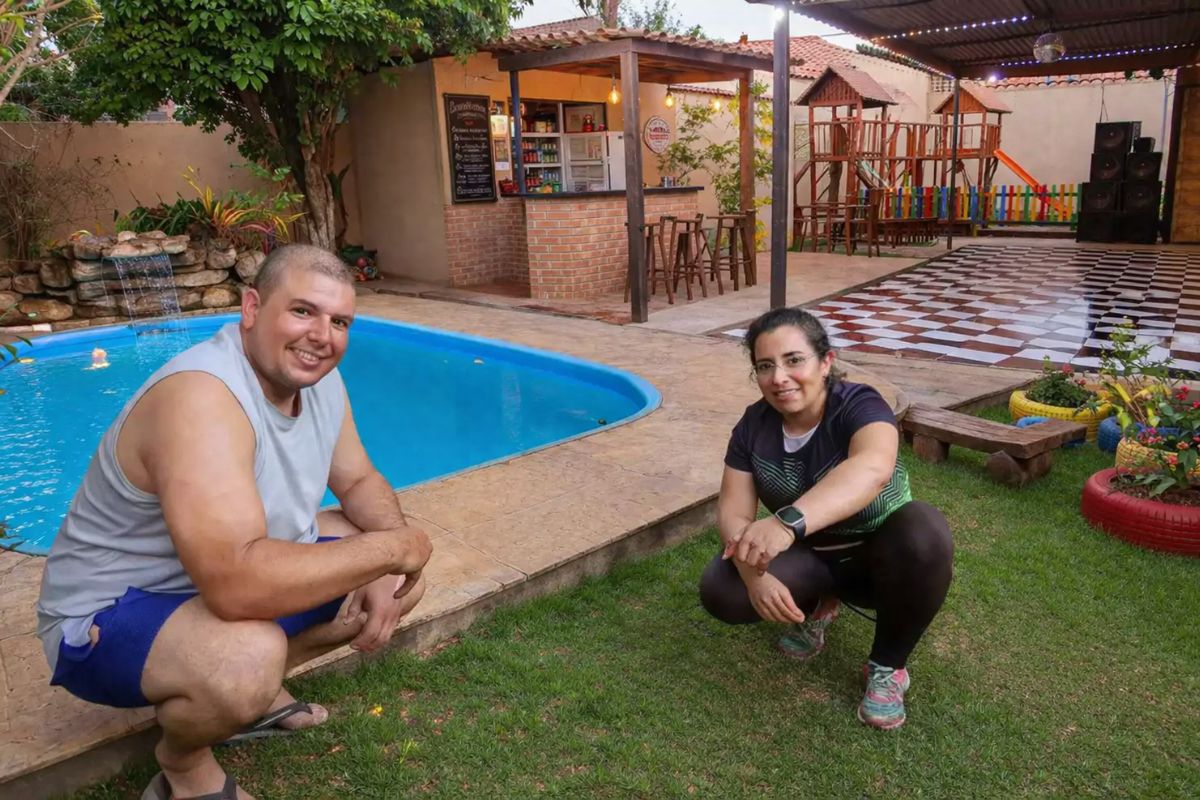
A couple who only has Sundays free has built a hand-dug pool, a hamburger joint, a dance hall, and a playground in their own home without hiring a mason, and even with breaks due to accidents and the pandemic, the work has never truly stopped.
-
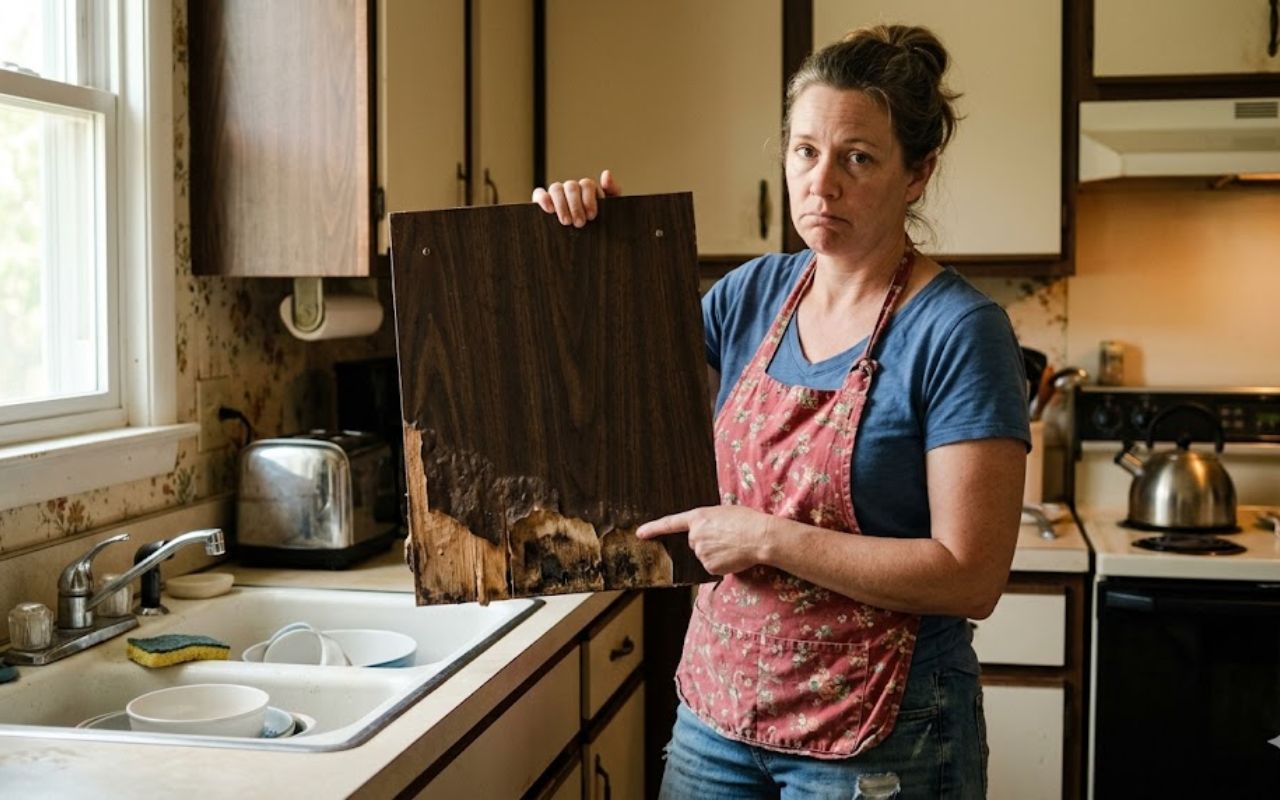
Furniture made with aluminum and glass does not warp and has become an alternative to replace MDF in Brazil.

Abic also confirmed that it had previously notified the manufacturer for misusing the purity seal. The last evaluation conducted by the association in February 2024 had already indicated that the product was impure.
Other Brands Had Been Caught
This is not an isolated incident. As early as 2025, the government had already banned other brands marketed as coffee — including Melissa, Pingo Preto, and Oficial. Tests showed that these products, dubbed “fake coffee”, contained no coffee beans in their composition and were made from what is known as “crop waste”, including husks and plant remnants.
These operations are part of an intensified monitoring strategy by the Ministry of Agriculture and Anvisa itself to curb deceptive practices that harm consumers and the credibility of the sector.
What Is the Abic Purity Seal
Established in 1989, the Abic purity seal was developed specifically to combat frauds like the one involving Café Câmara. It guarantees that the product is made with 100% coffee beans and sets clear limits: up to 1% impurities (such as twigs and husks) and no presence of foreign materials like stones, sand, sugar, or colorants.
Since 2022, new regulations from the Ministry of Agriculture have reinforced the criteria. Since 2023, manufacturers must comply with four stages of analysis: microscopic (purity), sensory (blind tasting), good manufacturing practices audit (hygiene and production), and direct monitoring on supermarket shelves.
Impact on the Sector and Consumer Reaction
Cases like this expose the risks of a lack of traceability in the production chain and raise doubts about the effectiveness of monitoring. According to experts, the blow to the Abic purity seal undermines consumer trust and may impact small producers who follow the rules correctly.
At the same time, there is increasing pressure for harsher penalties for repeat offenders. The fraud harms not only those who unknowingly purchase the product but also the market as a whole, as the image of Brazilian coffee — one of the most exported commodities in the country — becomes associated with irregularities.
The Anvisa’s decision to ban Café Câmara highlights how the fight against fraud in the sector continues to face significant challenges. Even with strict regulations and an updated purity seal, irregularities continue to reach the shelves, jeopardizing consumer health and the industry’s reputation.
Do you think cases like this should lead to harsher punishments for the companies involved? Is Anvisa’s ban enough to deter new frauds or is it necessary to change the monitoring methods? Leave your opinion in the comments.







Your passion for your subject matter shines through in every post. It’s clear that you genuinely care about sharing knowledge and making a positive impact on your readers. Kudos to you!
What i dont understood is in reality how youre now not really a lot more smartlyfavored than you might be now Youre very intelligent You understand therefore significantly in terms of this topic produced me personally believe it from a lot of numerous angles Its like women and men are not interested except it is one thing to accomplish with Woman gaga Your own stuffs outstanding Always care for it up
Fantastic site A lot of helpful info here Im sending it to some buddies ans additionally sharing in delicious And naturally thanks on your sweat