





 Portuguese
  English
  Spanish
  7 min of reading
  16 comments


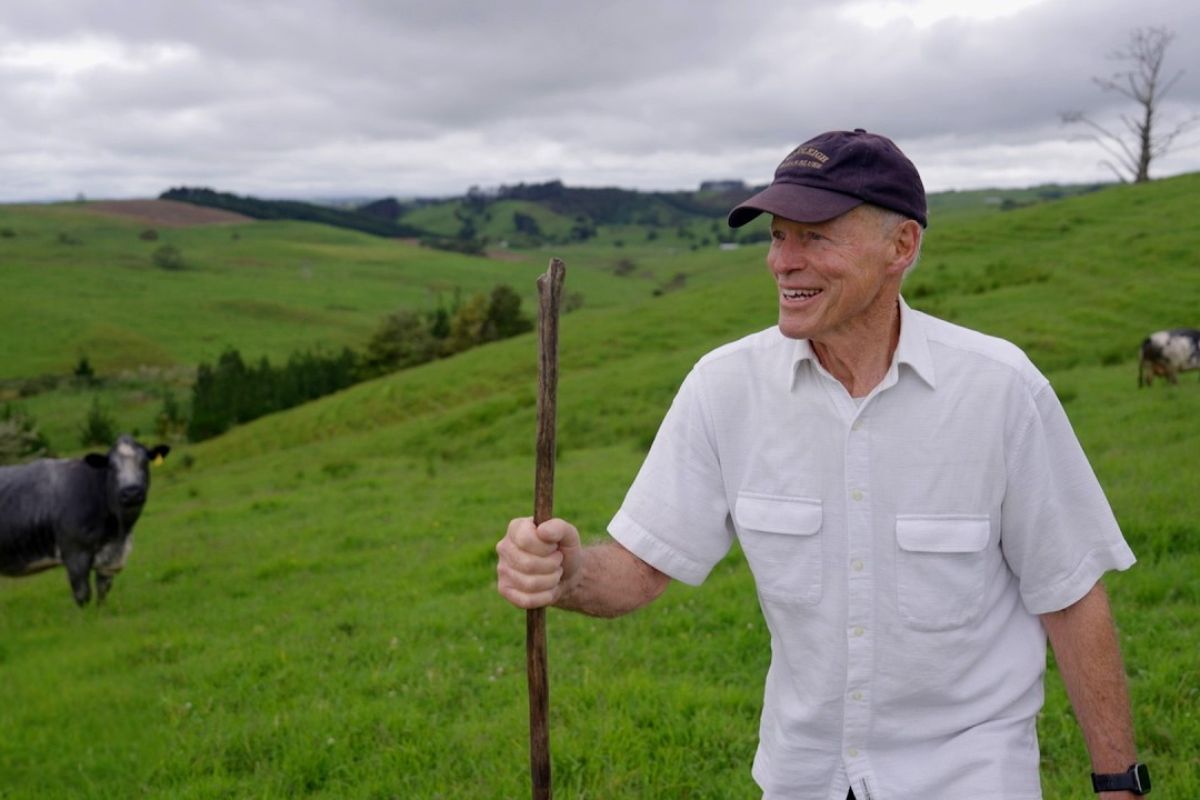


In Just A Few Months, The Abrupt End Of Agricultural Subsidies Threw New Zealand Into Protests, Bankruptcies, And High Interest Rates, Diminished Fertilizer Use, Reduced The Number Of Sheep, And Forced Farms To Innovate To Survive, Creating A Model Now Cited In Global Debates About Efficiency, Public Spending, And Competitiveness.
Agricultural subsidies already total hundreds of billions of dollars a year in different countries and are generally seen as a permanent part of rural economic policy. In New Zealand, however, the government made the extreme decision to virtually halt all support in just one year, amid an economy on the brink of insolvency and a rural sector shaped by decades of state incentives.
The immediate result was a visible collapse in rural income, land values, and input use. Producers Suddenly Found Themselves Exposed To Interest Rates Above 18 Percent, Double-Digit Inflation, And A Steep Drop In Revenue. What Began As A Budget Cut Turned Into A Radical Experiment On How Far A Country Can Go Without Direct State Protection For Farmers.
When Public Money Sustains The Entire Rural Sector

Before the cut, New Zealand’s agricultural subsidies were spread throughout the entire rural sector.
-
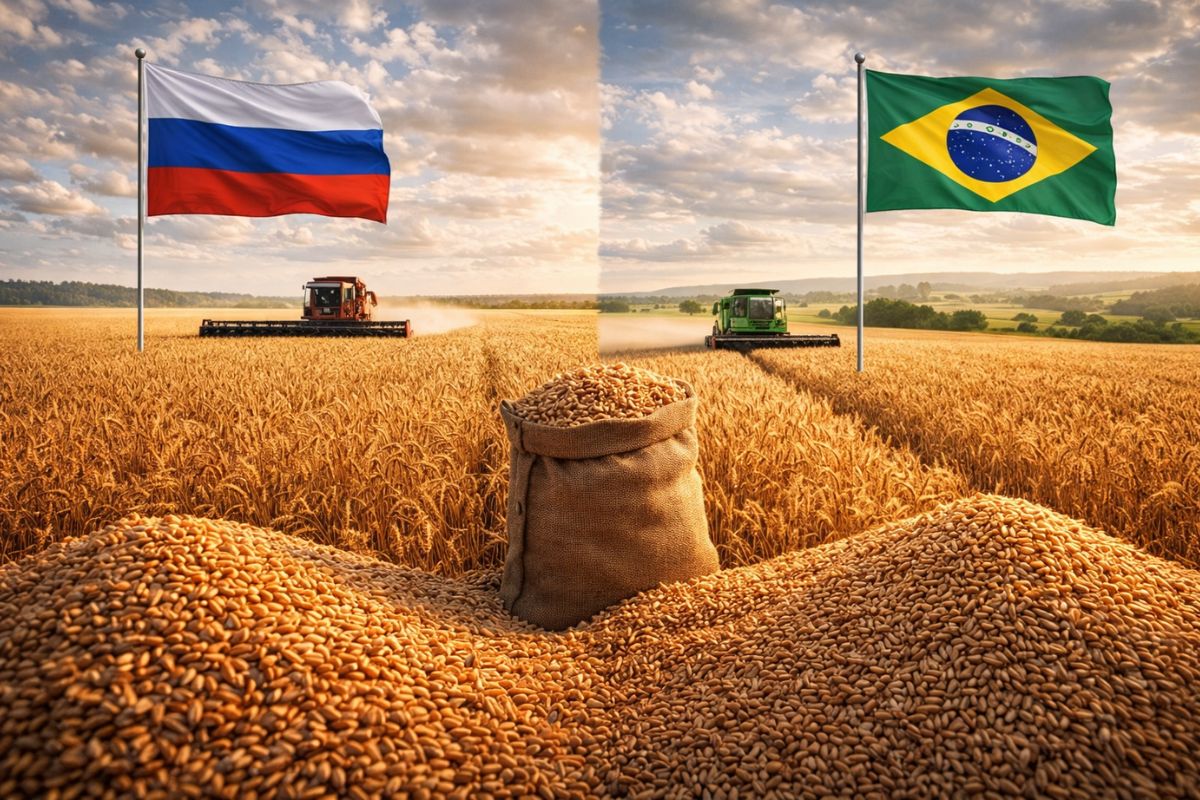
While Russia dominates the global wheat market, Brazil emerges as an unexpected competitor in the Cerrado, offering grain available in July and August when stocks in the Northern Hemisphere are at their lowest point of the year.
-
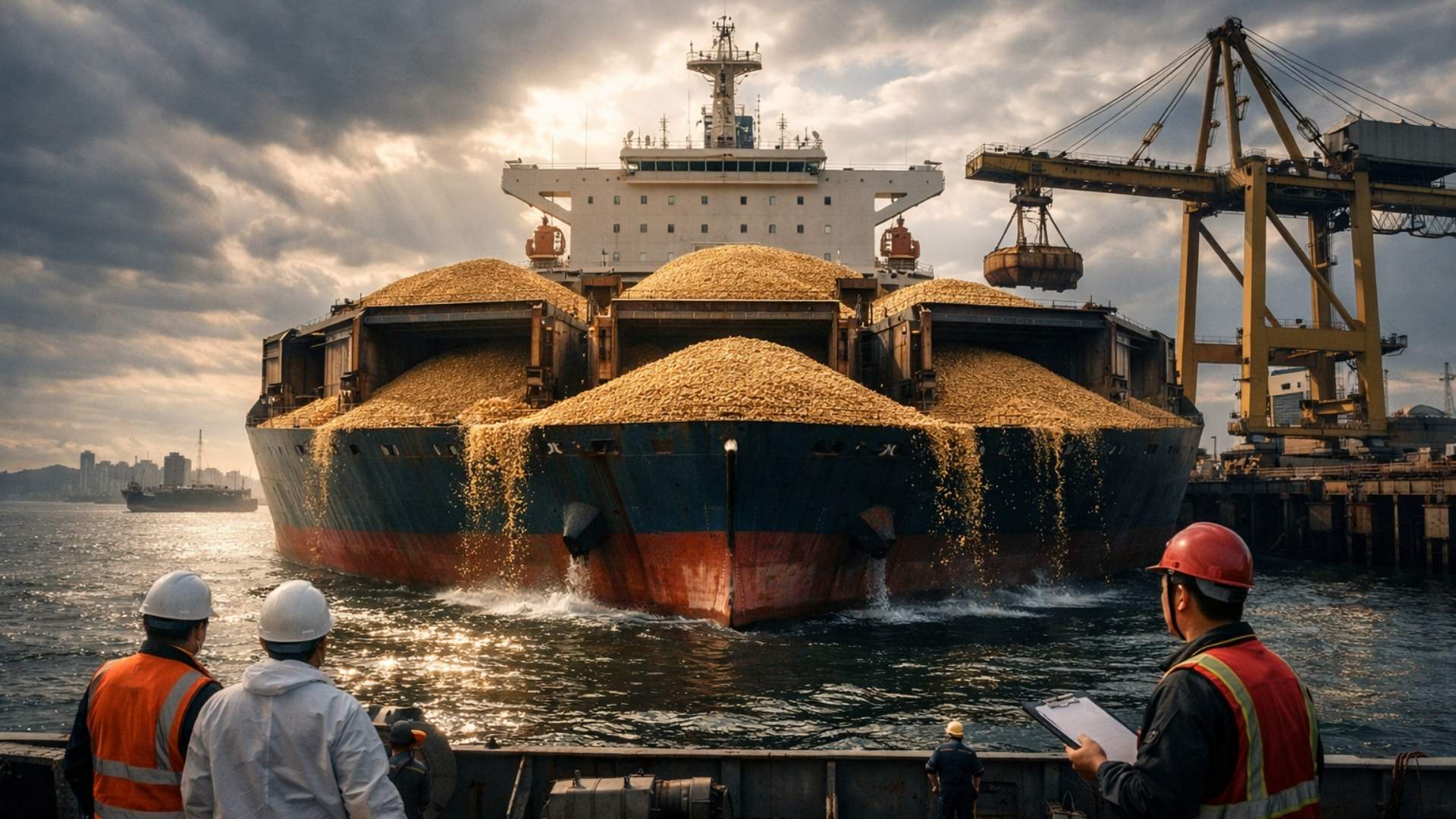
China returned almost 20 Brazilian ships with soybeans, but now everything could change: the country that buys 80% of the grain is considering relaxing regulations after impurities held up shipments of thousands of tons and caused million-dollar losses.
-
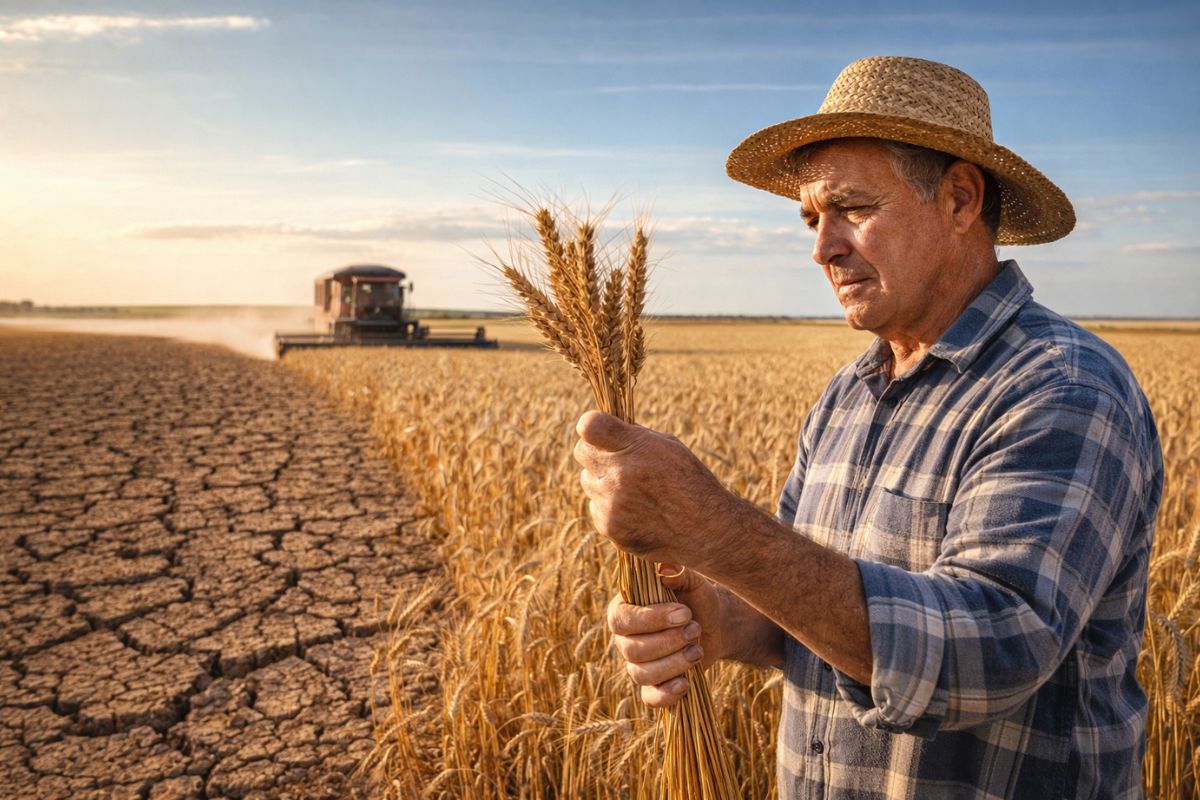
The drought of the cerrado was considered an enemy of wheat, but Brazilian scientists turned the lack of rain into a competitive advantage by creating a grain with quality that is already attracting the attention of international mills around the world.
-
THE OWNER of Brazil: a farmer who came from laundries, created an ’empire’ and today runs a company valued at R$ 42 billion after tripling its value in less than a year and receiving a billion-dollar investment from the USA.


There were payments linked to output volume, mechanisms that compensated for price drops, export support, and various forms of tariff protection that limited external competition. For the producer, the message was clear: the more one produced, the greater the share of income guaranteed by the state.
In practice, this led to a strong distortion in sheep farming. In the three main animal production segments, the average support for producers hovered around 30 percent. In beef and dairy, this percentage was below 20 percent.
In lamb, the equivalent in agricultural subsidies was about 90 percent of revenue. In other words, in some farms, almost all the money coming in was from the public budget, rather than the market.
This imbalance reflected in the flocks. In 1984, New Zealand had approximately 70 million sheep, a number that exceeded export capacity.
Some frozen carcasses ended up being turned into fertilizer, an extreme symbol of how artificial production incentives can create oversupply without economic destination. The country produced a lot, but not everything found a buyer.
The Moment The Government Turns Off The Tap

At the beginning of the 1980s, the macroeconomic scenario deteriorated rapidly. The main export gateway, the British market, was absorbed by a more closed economic bloc, and public spending reached an unsustainable level.
Members of the government described the situation as “a few months away from bankruptcy,” which helped pave the way for the option of a complete break with agricultural subsidies.
In 1985, the decision was implemented almost instantaneously. In about a year, protective tariffs were dismantled, direct support programs were discontinued, and price support mechanisms disappeared.
The response came in the form of mobilization: producers’ protests occupied the steps of Parliament, with posters displaying bank statements marked by interest rates of 18 to 20 percent and debts growing faster than any sales revenue.
The shock was so intense that many farmers saw their income plummet by half in no time.
The withdrawal of agricultural subsidies came before many of the other structural economic reforms. This meant that producers bore the brunt of inflation close to 15 to 16 percent, property devaluation, and rising credit costs.
The use of fertilizers halved, many farms stopped investing, and the watchword became survival. Some businesses went bankrupt, others were sold at a heavy discount, and many remained stagnant for years.
Ten Years Of Strain Before The Productivity Turnaround

Agricultural reports from that period converge on one point: the decade following the end of agricultural subsidies was marked by cuts, improvisation, and little margin for error. In the short term, the rural sector reduced costs wherever possible.
Fertilization dropped, machinery maintenance was postponed, and investments in new areas virtually disappeared. The goal was to weather the storm with minimal additional debt.
In this environment, every decision began to be calibrated by direct economic return. Properties that had previously maintained inefficient practices, but were supported by public money, had to redesign their use of pasture.
Those who could not adjust costs and productivity simply left the sector, making way for those willing to operate with tighter margins and a focus on efficiency.
Fewer Sheep, More Meat: How Innovation Entered The Farm
When the dust settled, the structural transformation began to appear in the numbers. To continue producing without agricultural subsidies, the sector needed to alter the very design of the flocks.
The introduction of new bloodlines, such as more fertile northern breeds and locally developed crossbreeds, increased the average number of lambs per ewe, which rose from under one per female to over 150 percent of natality rates.
At the same time, pasture management systems were reconsidered. The logic of “producing volume because the government pays” gave way to more precise management, focused on weight gain per area and per animal.
Rotational grazing techniques and better forage utilization allowed for smaller, but more productive flocks.
The country reduced its total number of sheep from 70 million to less than 26 million, without a significant drop in the volume of meat exported.
This combination of genetics, management, and cost discipline elevated sheep farming productivity to levels difficult to achieve under a heavy system of agricultural subsidies.
Industry estimates point to an accumulated improvement of about 170 percent in productivity since the early 1990s, after the initial shock was absorbed.
Agriculture, which could have shrunk permanently, became one of the foundations of New Zealand’s exports, responsible for about 70 percent of goods sales abroad.
When The Market Returns To Dictate What Is Planted
Without agricultural subsidies to direct production, the decision on what to plant or raise began to respond almost exclusively to price signals. Less competitive crops and systems lost ground to those with better external demand or greater efficiency per hectare.
In beef and dairy farming, the absence of direct state support forced adjustments similar to those seen in sheep farming, even though the starting point of public resource dependence was lower.
This change also altered the relationship with risk. Instead of relying on compensatory payments in case of price drops or market loss, producers began diversifying sales channels, seeking more stable contracts, and in many cases, adopting private hedge strategies.
The State moved from a guarantor of operational margins to a more limited role, focused on sanitary regulation, infrastructure, and trade negotiations.
Agricultural Subsidies As A Global Market Distortion
The New Zealand experience contrasts with the reality in much of the world. Recent multilateral reports show that, in a set of 54 countries, direct and indirect support to agriculture averages hundreds of billions of dollars a year.
Agricultural subsidies take various forms: payments per area, minimum price protection, import tariffs, subsidized credits, and state purchasing programs.
Former members of governments from major agricultural powers acknowledge that this support network distorts relative prices and incentives.
When certain crops receive more protection than others, the result is an excess of corn instead of soybeans, favored wheat in comparison to other crops, or inflated livestock in specific segments.
In practice, intervention redistributes income within agriculture itself and often rewards volume over efficiency.
Why Is It So Difficult To Repeat The Experiment In Other Countries
From a purely economic standpoint, New Zealand’s trajectory is often cited as proof that it is possible, at least in theory, to live without agricultural subsidies. However, politically, the situation is quite different.
In democracies with a strong representation of rural areas, lawmakers depend directly on votes from farmers and sectors related to agribusiness. Any attempt at a sudden cut tends to turn into a crisis of support in the Legislature.
In the United States, for example, senators from highly agricultural states have the same voting power as representatives from much more populous and urban states.
Moreover, the electoral dynamics, in which certain rural regions open the primary calendar, reinforce the political weight of these territories.
Even politicians who advocate for free markets tend to avoid openly defending the total end of agricultural subsidies, preferring gradual adjustments or redesigns of existing programs.
What The New Zealand Experience Teaches Us About The Current Debate
The New Zealand case shows that the rapid elimination of agricultural subsidies carries a high social cost in the short term, but can generate significant efficiency gains in the long term.
The transition pressured families, caused bankruptcies, and demanded a decade of tough adaptation, marked by high interest rates and loss of wealth. Only after this period did productivity increases begin to compensate for the absence of state support.
At the same time, the example reveals that poorly calibrated subsidies create dependence and encourage production disconnected from real demand, as evidenced by the millions of sheep carcasses converted into fertilizer due to lack of market.
When public money distorts prices for too long, the inevitable adjustment tends to be more traumatic, either through political decision or fiscal exhaustion.
What Is The Acceptable Limit Of Risk In Agriculture?
The New Zealand experience does not offer a ready-made formula but raises an uncomfortable question for any country discussing agricultural subsidies: to what extent does public support safeguard food security, and to what extent does it merely delay adjustments that sooner or later must be made by the market itself?
Between the stability guaranteed by the budget and the discipline imposed by competition, the line is thin and politically sensitive.
In a scenario of fiscal pressure, climate change, and growing global competition, discussing the intensity and design of agricultural subsidies ceases to be a theme restricted to specialists and starts to directly affect food prices, use of natural resources, and external competitiveness.
In your opinion, what would be the fairest and most sustainable model: broad maintenance of subsidies, gradual cuts, or a shock similar to New Zealand’s, taking on short-term risks in exchange for future efficiency?









Choque parecido com o da Nova Zelândia.
“Até que, em meados da década de 1980, um governo de
esquerda fez o inimaginável e adotou medidas contrárias a esta ideologia: austeridade
monetária e fiscal, redução dos privilégios, abolição de várias tarifas
protecionistas e, principalmente, forte redução da máquina pública, com a
demissão de vários funcionários públicos.” Ou seja governo responsável
O nosso nem de esquerda é ,mais puro populismo e oportunismo , trata mal o produtor rural , mas nempor isto ajudo o pequeno , fala em ecologia mas o desmatamento continua , os yanomamis continuam morrendo os privilegios continuam , dezenas de acessores, **** , dizem defender um monte de minorias e na prática nada , mídia paga por estatais que e curvam ao governo , e o único discurso que escuto é , o outro é pior . Quanto mais legitimamente este governo mais barbaridade aparece
Engraçado, todo mundo quer cortar fimcionários públicos, esses seres abstratos como policiais, médicos, professores, pesquisadores, administradores (fácil administrar uma estatal do conforto do sofá…)
Interessante essa lógica aí da reportagem….. especialmente a parte do “quem não conseguiu, abriu espaço a quem estava interessado a trabalhar com margens de lucro menores”……….
Tradução para português seria: o pequeno produtor, faliu, e teve de vender as terras da família para grandes produtores que já eram ricos e agora dominam o fornecimento para o mercado…….
É tudo isso que eles querem, a produção de alimentos nas mãos de poucas famílias, que vai faturar bilhões, decidir os preços de venda pelo controle da oferta e eliminar os pequenos produtores que, ainda hoje, ajudam a regular preços nos CEASAs da vida……..o golpe tá aí, cai quem quer….
E tem mais……países (não vou dizer quais…) tem bancada do agro, que aprova essas regras “pelo bem da nação”….
O artigo não falou nada disso. Seu comentário revela sua obnubilação doutrinária.
Rapaz, obnubilação é chique!