





 Portuguese
  English
  Spanish
  4 min of reading
  0 comments


Extreme Longevity, Autonomy, and Domestic Routine Put Onomichi Resident at the Center of Debate About Aging in Japan, a Country That Registers Continuous Growth of Centenarians and Elders Living Alone, a Scenario That Already Influences Public Policies, Housing, and Forms of Care.
Routine of a Centenarian Who Lives Alone in Onomichi
Ishii Tetsuyo, a resident of Onomichi in Hiroshima Prefecture, has come to be seen in Japan as a concrete portrait of the ongoing aging in the country by maintaining the decision to live alone in the house where she built a life with her husband.
The trajectory of the former teacher gained national attention with the documentary Living Alone at 104: Tetsuyo’s Story, directed by Yamamoto Kazuhiro, which follows her routine and efforts to preserve autonomy in advanced age.
Far from a narrative centered only on longevity, the film presents an elderly woman surrounded by occasional help from family, neighbors, and care services, yet still connected to the domestic space she associates with her own history.
-
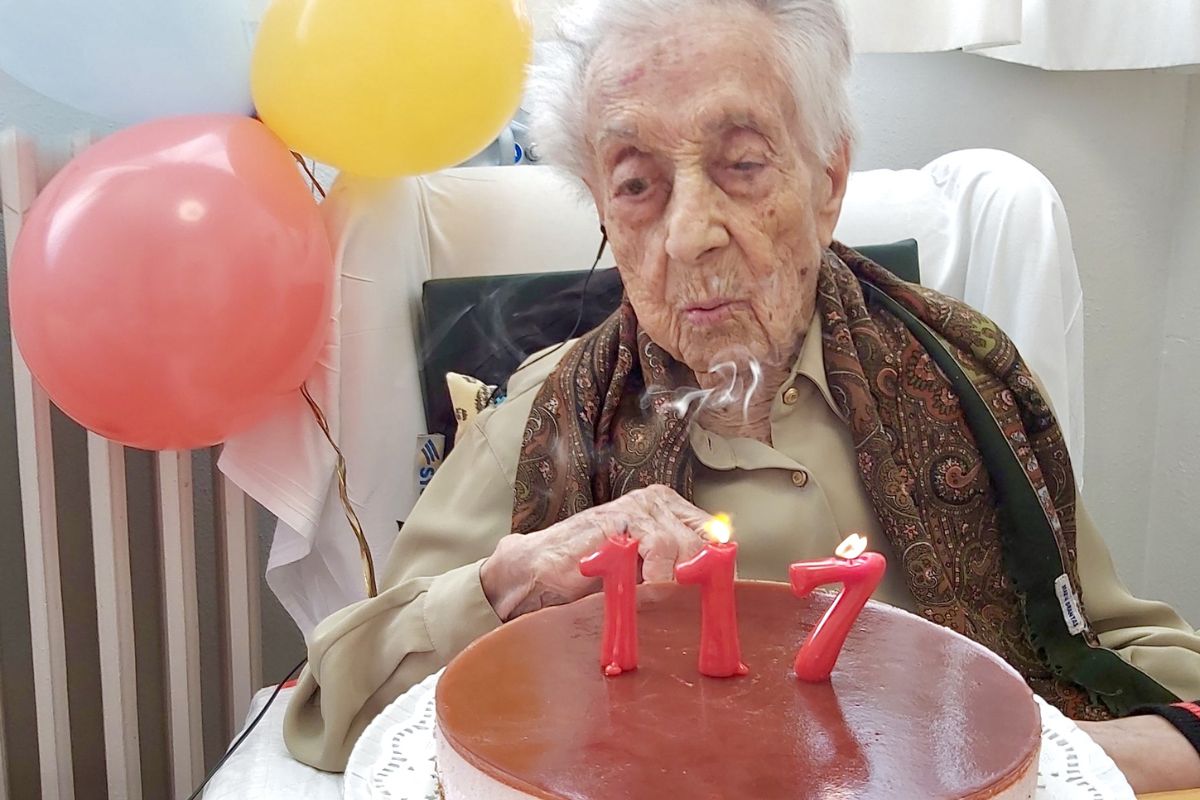
Maria Branyas Morera lived to be 117 years old, eating three yogurts a day without developing cancer or dementia, and when scientists analyzed her DNA, they found a secret that no one expected: her biological clocks indicated an age two decades younger than her actual age.
-
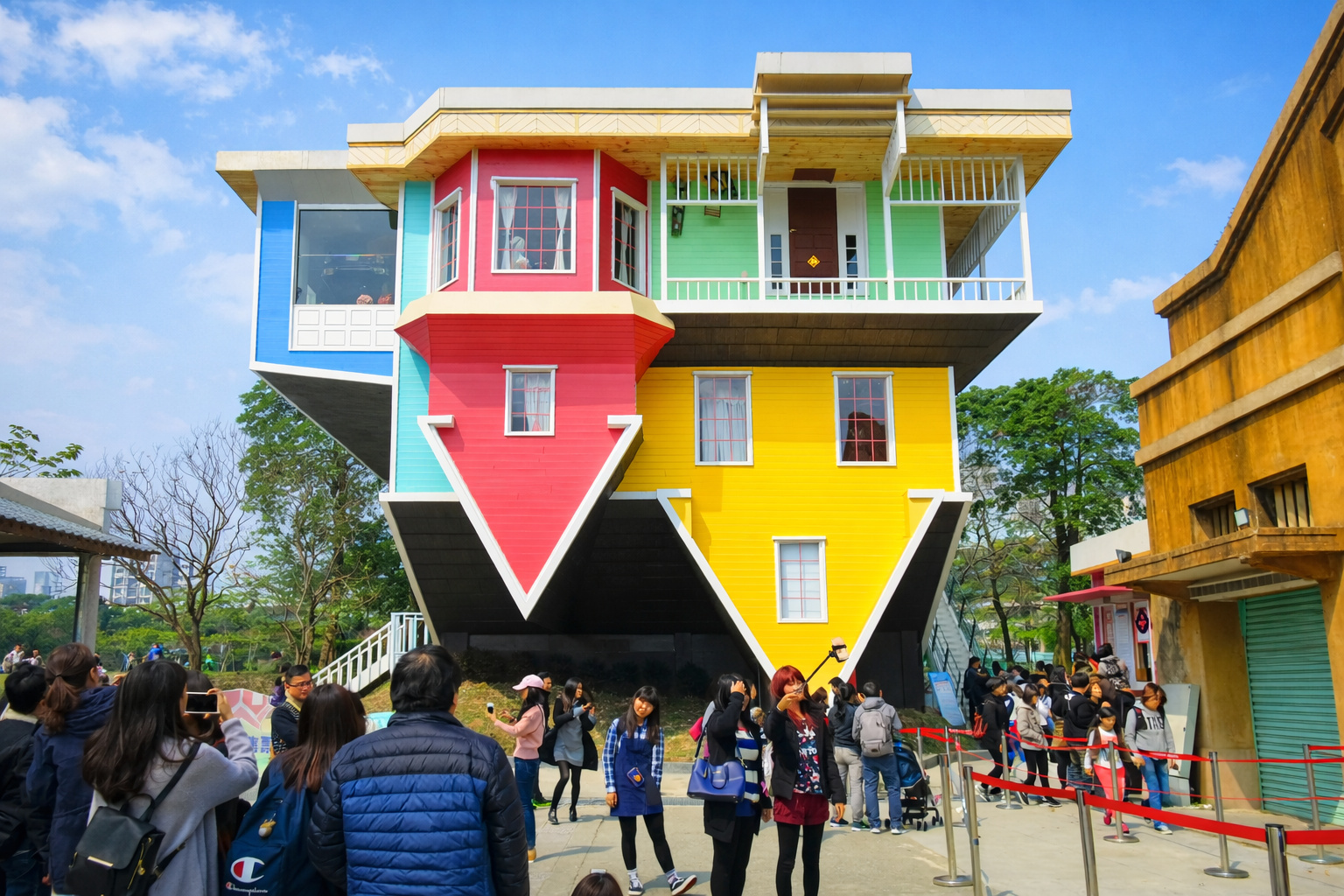
Upside Down House transforms abandoned warehouses from the 1970s, blending art with concrete and steel engineering, becoming a phenomenon in South Korea and impressing with a surreal experience that attracts tourists from around the world.
-
Brazil became 18 square kilometers smaller in the new official update from IBGE, which redrew the boundaries of 784 municipalities in 13 states and even changed the names of cities that you might know, such as Açu, which is now called Assú.

-
Stephen Hawking said that the worst enemy of knowledge is not ignorance but the illusion of knowledge, and he dedicated his entire career to proving that science dies when people act as if they already have all the answers.


Staying in the house appears less as an abstract attachment to the old home and more as the continuation of a life shared there for decades, even after her husband’s death, which occurred about 20 years before the documentary was recorded.
Who Is Ishii Tetsuyo
Born in 1920, Tetsuyo worked for 36 years as a primary school teacher and, after retirement, also served as a community welfare commissioner.
The profile reports that she married at 26, lived with her husband until his death at 83, and continued to be called “teacher” even outside the classroom, a sign of public recognition that crossed generations in Onomichi.
The impact of her story began before the premiere of the feature film and gradually solidified in regional press and local television.
According to records about her trajectory, Tetsuyo’s life had already been told in a series of reports in the newspaper Chūgoku Shimbun, later compiled into books, and was subsequently followed in short episodes by RCC Broadcasting.
This material ended up serving as the basis for the production of the documentary released in 2025.
Simple Daily Life That Gained Attention in Japan
The images that made Tetsuyo nationally known avoid turning her into a distant symbol and rely on everyday life as a key to understanding her old age.
She is seen preparing tea, peeling fruit, making miso soup, cutting green onions, visiting the family grave, and walking down a steep section backward to reduce the risk of falling.
The routine reveals a form of possible autonomy even in extreme old age, constructed with daily adaptations and occasional support from the surrounding network.
This individual case gained public strength because it resonates with a demographic transformation that is already altering the structure of Japanese housing and pressing care policies.
Japan Faces Accelerated Growth of Elderly Population
In the annual report on aging society, the Japanese government cabinet reported that the population aged 65 and older represented 29.1% of the total in the country in October 2023, a proportion that helps to clarify why housing, accessibility, and safe staying at home have become central topics in public debate.
The numbers about extreme old age reinforce this scenario and show that Tetsuyo is not observed merely as a biographical exception, but also as a visible part of a national trend.
Data from the Ministry of Health, Labor, and Welfare of Japan recorded 95,119 people aged 100 or older on September 1, 2024, marking the 54th consecutive annual increase.
Of this total, 83,958 were women, equivalent to about 88% of the registered centenarians in the country.
Increasing Number of Elders Living Alone in the Country
At the same time, the proportion of elderly individuals living alone has continuously increased, a phenomenon that modifies care needs both inside and outside major cities.
The 2024 report on aging society shows that, among people aged 65 and older, the proportion of men living alone increased from 4.3% in 1980 to 15.0% in 2020.
Among women, the rate rose from 11.2% to 22.1% in the same period, with projections of continuous growth until 2050.
The broader estimates about one-person households indicate an even deeper change in the residential configuration of Japan in the coming decades.
Projections from the National Institute of Population and Social Security Research indicate that the country could reach 23.3 million homes with only one resident by 2050, equivalent to 44.3% of households.
Within this total, 46.5% of these homes are expected to be occupied by individuals aged 65 and older, up from 34.9% observed in 2020.
Autonomy, Support Network, and Aging at Home
In this context, Tetsuyo’s experience sheds light on a sensitive point in the discussion about aging in Japan: the difference between living alone and living in isolation.
The documentary shows that her routine depends on a close, albeit intermittent, network formed by family members, neighbors, and care visits.
Staying at home appears as a result of sufficient support to reduce risks without breaking everyday ties that structure her life.
Still, the choice to remain at the same address does not appear as a romanticization of independence nor as a denial of the demands of advanced age.
The director states that Tetsuyo’s willingness to return home even after hospitalizations is linked to the concrete desire to continue living in the place where she built her adult life.
The story has come to be viewed in Japan less as a rare curiosity and more as a portrait of a country that is rapidly aging, records an increasing number of elders living alone, and seeks new ways to ensure autonomy safely within home.






Seja o primeiro a reagir!