





 Portuguese
  English
  Spanish
  5 min of reading
  3 comments


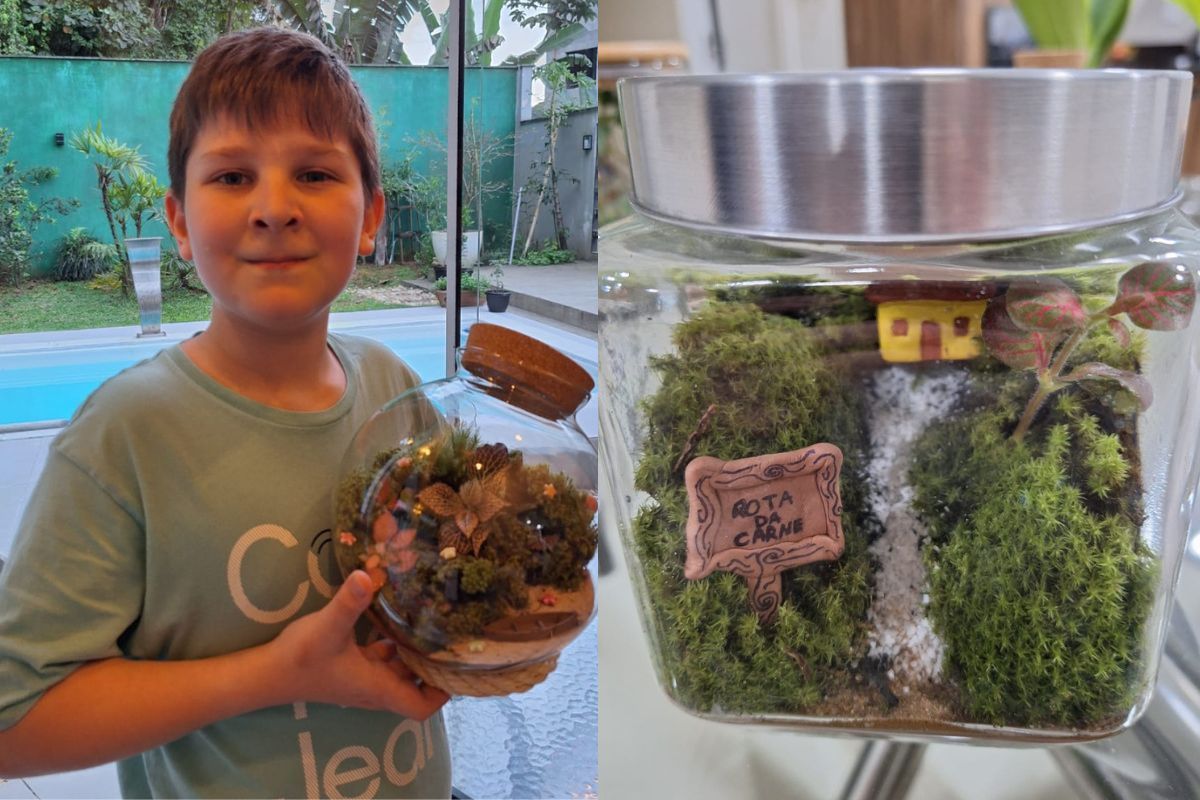


Insightful And Passionate About Plants, Nicolas Kruger da Silva Transforms Terrariums Into A National Business That Spans Brazil, Creates Customized Mini Worlds, Serves Clients From Curitiba, São Paulo, And Belém, With Support From His Grandmother And Parents, Manages The Pix Payments Alone, Reinvests In Materials, And Calls The Activity Green Therapy.
In Joinville, in Northern Santa Catarina, the story of Nicolas Kruger da Silva, just 11 years old, gained prominence by showing how the passion for plants turned into a national business of terrariums, combining care, creativity, and a keen eye for every detail of the mini worlds he creates in glass.
Living in Joinville, Nicolas refers to the terrariums as “mini worlds” and found in the activity a true green therapy, which brings him closer to nature and helps him relax. The pieces, produced artisanally, have made their way to cities like Curitiba, São Paulo, and Belém do Pará, showcasing the strength of this business that was born at home.
Passion For Plants Turned Into Green Therapy

Nicolas’s interest in terrariums began within his own family. His grandmother was the first to encourage the contact with plants, teaching him which species like more water, how to care for each one, and what to observe in the daily routine of the pots.
-
Italian researchers have detected what appears to be a second Sphinx buried under the sands of Egypt, and satellite scans reveal a gigantic underground megastructure hidden beneath the Giza Plateau for over 3,000 years.
-
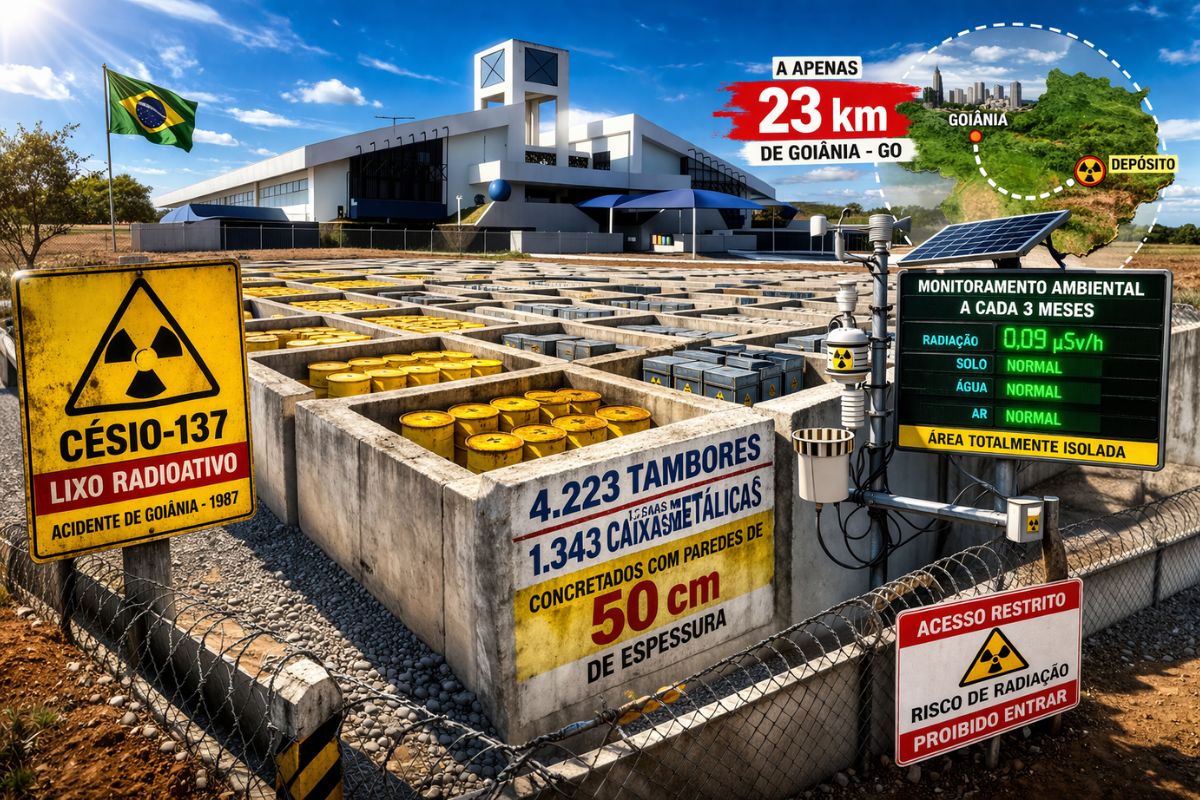
There are 4,223 drums and 1,343 metal boxes concreted with 50-centimeter walls that store the radioactive waste from Cesium-137 in the worst radiological accident in Brazil, just 23 kilometers from Goiânia, with environmental monitoring every three months.
-
Giant Roman treasure found at the bottom of Lake Neuchâtel in Switzerland reveals an advanced trade system, circulation of goods, and armed escort in the Roman Empire about two thousand years ago.
-
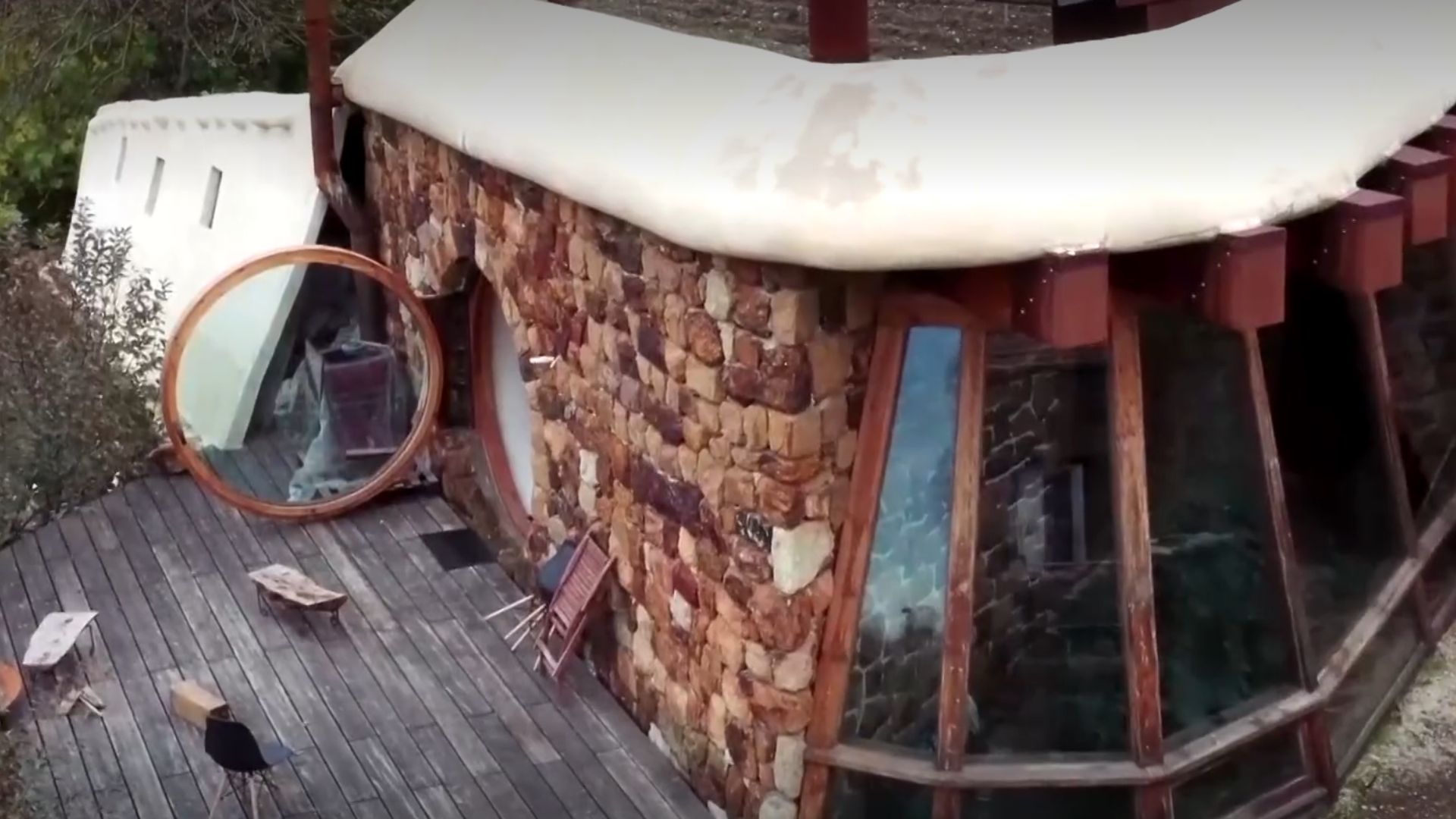
He buried 1,200 old tires in the walls to build his own self-sufficient house in the mountains with glass bottles, rainwater, and an integrated greenhouse.
At the same time, he watched videos online about plants and gardening, learning techniques and references to build the arrangements.
“I’ve always liked plants and nature, so I started watching videos about plants and gardening and learned,” says Nicolas.
The combination of his grandmother’s tips with the content he saw online helped him understand, practically, how to turn a hobby into something organized, careful, and full of meaning.
Over time, the activity ceased to be just fun. Each terrarium began to be treated as a small project, from choosing the glass to selecting the plants, moss, and sand.
For Nicolas, making these mini worlds is the moment when he disconnects from the rush and focuses solely on creating a balanced environment within the glass, reinforcing the idea of green therapy.
Mini Worlds That Have Already Crossed Brazil

The first step to turning the passion into a national business came from within the family. Nicolas’s grandmother was his first customer, paving the way for others to be interested in terrariums. From there, the pieces began to attract the attention of friends, acquaintances, and then people from other cities.
“A doctor from Curitiba came and bought, then she passed on the story. Afterward, one of her assistants also bought, and it kept going,” says Nicolas.
In a short time, the terrariums crossed Brazil: one piece was sold to a resident of Belém do Pará and another went to São Paulo, expanding the reach of the creations made in Northern Santa Catarina.
The service is completely personalized. Nicolas makes a point of talking to each customer to understand their preferences and style.
“I talk to each person, see what they like. For example, if they have a pet, I can make a themed one,” he explains.
This care in listening to the customer and creating tailored mini worlds helps strengthen the image of his work as a true national business of artisanal pieces.
To create each terrarium, Nicolas uses a spoon that he calls his “precious.”
The simple tool has become a symbol of the young entrepreneur’s routine, as he works layer by layer to build a balanced environment inside the glass.
The Routine of An 11-Year-Old Small Business Owner
The growth of the project led Nicolas to also learn, early on, how to deal with money and responsibility.
His father, Douglas da Silva, says that the family supports all stages, but emphasizes that his son is keen on handling the administration. He already has an account in his own name, makes pix payments to suppliers, and keeps track of what comes in and goes out of the business.
“He has an account in his name, makes pix payments to suppliers, and manages the money he receives,” explains Douglas.
This way, Nicolas combines creativity and organization, showing that a hobby can indeed take the form of a national business without losing its artisanal essence.
The boy emphasizes the role of the family in building this journey. “But, alone, we can’t do anything,” he asserts.
“That’s why my mom helps me with all these processes; without them, I wouldn’t be able to do it,” he shares.
The support from his parents and grandmother serves as a foundation for the project to grow in a structured way, without rushing the pace of childhood.
With the sales revenue, Nicolas has two clear goals: to invest in his materials and allow himself some small treats.
Part of the money goes back into the business, financing plants, glass, moss, and sand; another part goes for the “little things” he likes to buy, maintaining the balance between responsibility and fun.
How The Cycle Works Inside The Terrariums
Besides the aesthetic part and the service, Nicolas masters the logic behind the functioning of a closed terrarium. He explains that when the lid is closed, the water poured inside the glass enters its own cycle.
With nowhere to escape, it condenses on the cold walls of the glass and then returns to the soil through precipitation.
To prevent the moss and roots from rotting, this water needs to find a suitable path. The solution lies in the layer of sand, responsible for drainage within the terrarium.
Thus, the excess moisture is directed, allowing the plants to remain healthy for much longer without the need for constant watering.
The plants used by Nicolas are purchased in Joinville. Among the chosen species are Anthuriums, Penca, Ivy, and Moses’ Beard, all adapted to life in humid and protected environments.
The moss and glass come from São Paulo, from suppliers specialized in terrariums, which reinforces the structure of the national business he has been building.
“There are many things that are essential to make the terrarium. The sand is important for creating the drainage layer. And you don’t need a wide variety of colors.
You can use coarse sand and complement it with finer sand,” he explains.
In the end, Nicolas’s mini worlds bring together science, aesthetics, customer care, and financial learning, all within a glass. And you, have you thought about turning your passion into a national business as well?










Parabéns Nicolas. Deus abençoe seu trabalho! Meu filho tem 12 anos e ama terrário tbm. Ele vai amar essa matéria com esse menino de ouro!
Lindo essa inspiração! Você vai longe! Sucesso!
Coisa mais linda o trabalho desse menino, já tinha visto uma matéria com ele mas hoje consegui ir mais a fundo e descobri o insta @minimundosdonicolas.
Com certeza vou entrar em contato e pedir um terrário, lindo ver um menino nesse idade fazendo estes terrários.
Que bacana inspiração ! Ele vai longe !