





 Portuguese
  English
  Spanish
  4 min of reading
  0 comments



Discoveries in 2021 Put Rafaella Amorim Rios in the Spotlight; Understand Why This Brazilian Stands Out but Still Awaits Official Confirmation from Space Agencies
In 2021, a young Brazilian stands out in the amateur scientific scene by participating in the detection of eight possible new asteroids. Rafaella Amorim Rios, then 15 years old, became national news for her involvement in the “Asteroid Hunt” program, an initiative that connects students to real data from international observatories. Her story inspired many young people to look at the sky not just with admiration but with scientific intent.
However, behind the headlines, there is a complex and lengthy bureaucratic and scientific process. Although the Brazilian stands out initially due to the detections, these findings are still in preliminary stages. For an asteroid to be officially “discovered” and receive a name chosen by its discoverer, a validation journey is required that, according to experts, can take 5 to 10 years.
The Program and Detection Methodology
Rafaella’s participation occurred through a collaboration between the Brazilian Ministry of Science, Technology and Innovations (MCTI) and the International Astronomical Search Collaboration (IASC), a citizen science program supported by NASA. It is important to note that she was not alone: Rafaella was part of the “Girls in Science” team from the Federal University of Santa Catarina (UFSC). This group was collectively responsible for the eight preliminary detections during the analysis campaigns.
-
The Argentine government celebrates the lowest poverty rate in 7 years, but experts warn that the methodology has changed, real wages have fallen, unemployment has risen, and the number of people on the streets of Buenos Aires has increased by 57% since Milei took office.

-
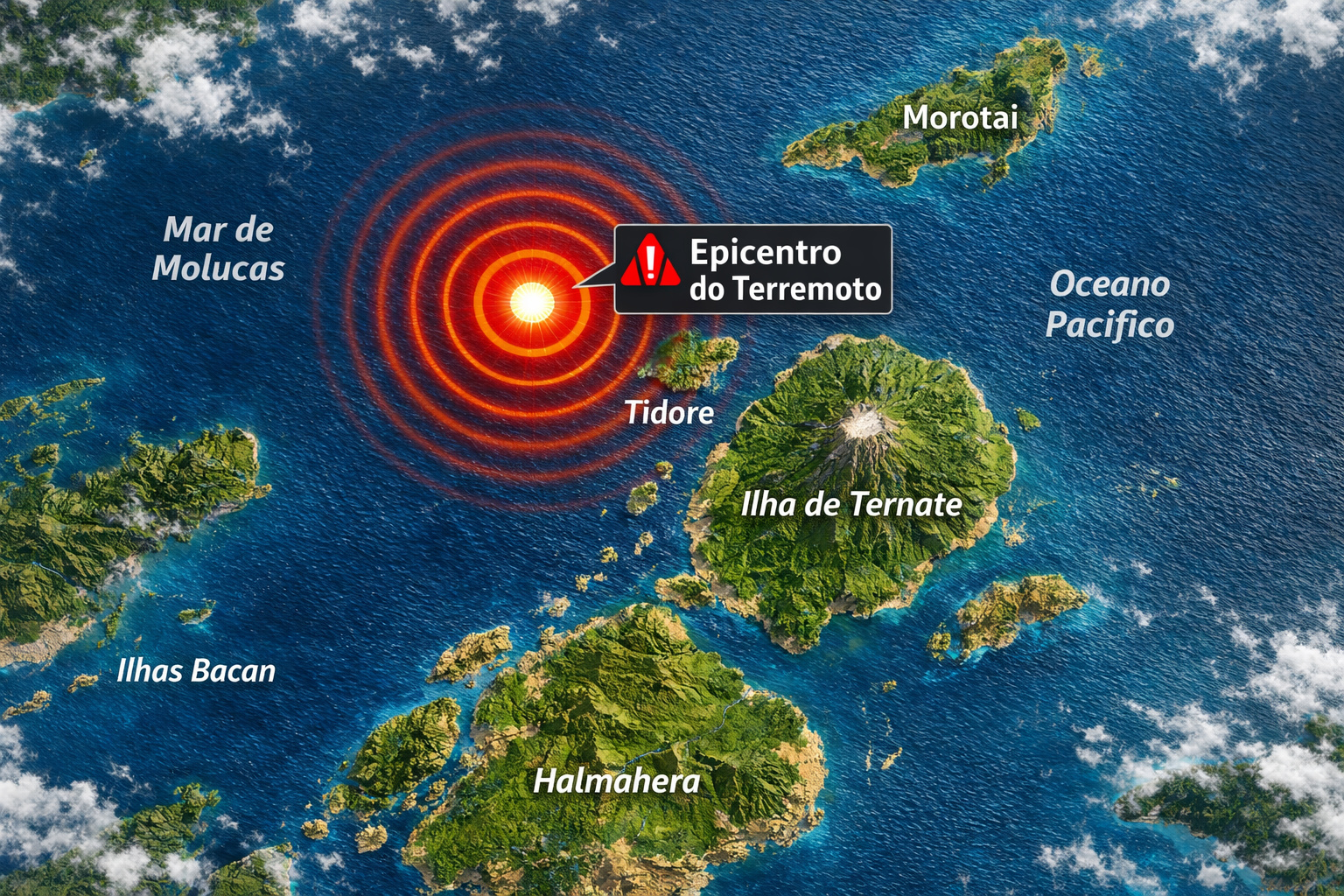
7.8 magnitude earthquake in Indonesia frightens the population, triggers tsunami alert, and hits an island with over 200,000 inhabitants this Thursday.
-
Google will finally let you change that embarrassing Gmail address you created in your teenage years without losing any accounts, logins, or old emails: the feature is already available in the United States.

-
Heading to Brazil in a Bonanza F33 single-engine aircraft: a couple departs from Florida on a visual flight, makes technical stops in the Caribbean to refuel and organize paperwork, and begins the staged crossing until they reach the country.


The work of these citizen scientists does not involve looking through telescopes but rather analyzing high-quality data already captured by powerful instruments, such as the Pan-STARRS telescope in Hawaii. Using specialized software like Astrometrica, participants analyze time-lapse images looking for points that move against the fixed background of stars. It is a meticulous pattern recognition task that often escapes automatic algorithms, which is why human contribution is still vital.
Preliminary Detection vs. Confirmed Discovery
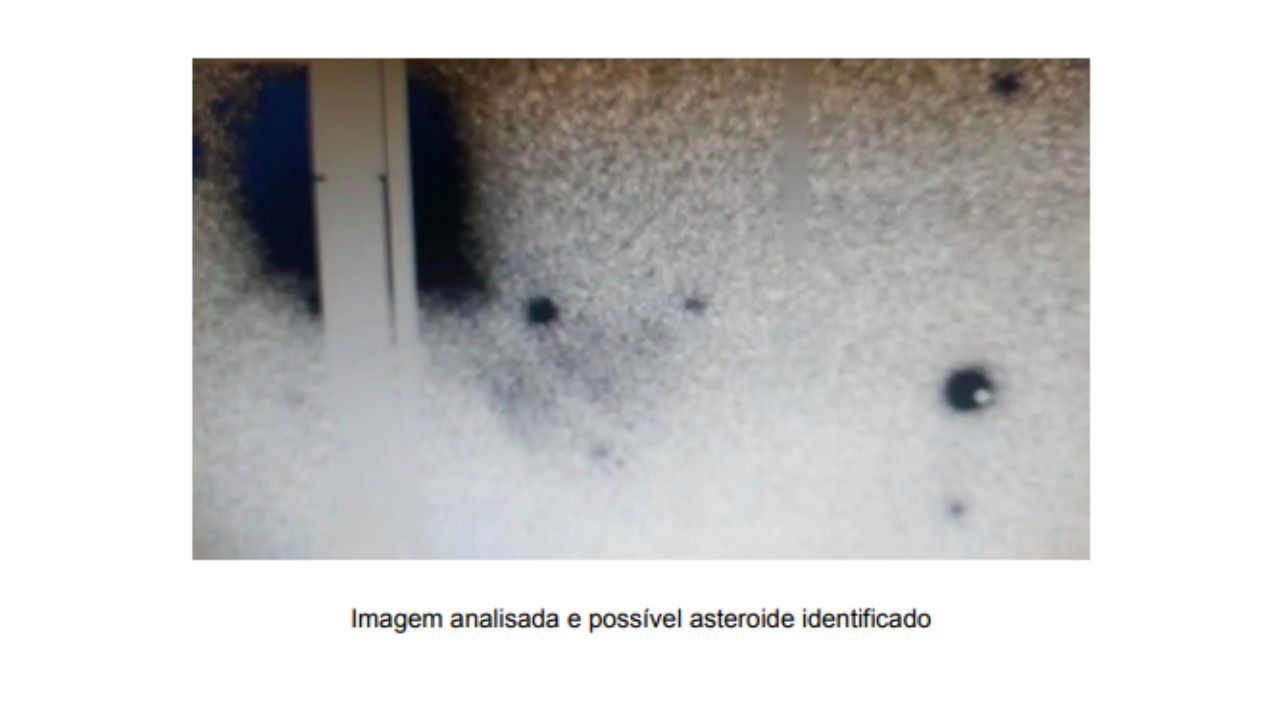
To understand the long wait, it is crucial to differentiate the technical terms. The eight detections by Rafaella’s team were classified by the IASC as “Preliminary Detections“. This means they appear valid in the first analysis but have not yet been verified by the Minor Planet Center (MPC), the global authority for these celestial bodies. The funnel is narrow: the IASC itself lists over 18,000 preliminary detections in its history, but only a small fraction move on to the next stage, called “Provisional“.
When the Brazilian stands out for this achievement, it is due to success in this critical first stage. If the detections are confirmed by the MPC with additional observations (at least two nights of data), they receive a “Provisional Designation” (an alphanumeric code such as 2021 CP66). Many initial detections end up being discarded as noise in the data or known objects, making scientific caution indispensable before any definitive celebration.
The Orbital Marathon: Why 5 to 10 Years?
The biggest obstacle to naming an asteroid is the need to determine its orbit with extreme precision. For an object to move from “Provisional” to “Numbered” (the status that allows naming), it must be observed during “four or more oppositions“. An opposition occurs when the Earth is between the Sun and the asteroid, the best time for observation, which happens approximately every 13 to 16 months for objects in the Main Belt.
Therefore, accumulating data from four different oppositions inevitably takes several years. If the object is very faint or in an unfavorable position in a given year, it may not be observed, further extending the deadline. It is this rigorous need for “re-observation” to ensure the object will not be lost that justifies the estimate of up to a decade for final validation.
The Privilege of Naming
Rafaella’s dream of naming an asteroid after her idol, Carl Sagan, or family members depends entirely on the completion of this process. The rules of the International Astronomical Union (IAU) are clear: the privilege to suggest a name is only granted to the discoverer after the object is officially numbered.
Once numbered, a 10-year window opens for the discoverer to submit their suggestion to the IAU committee, which will judge whether the name is appropriate. As of now, the detections from 2021 are still not on the list of “numbered discoveries” from the IASC, confirming that the young amateur astronomer is still in the waiting phase of this long scientific cycle.
Rafaella Amorim Rios’s story perfectly illustrates how citizen science can engage young talents and contribute to planetary defense by identifying objects that machines may miss. While the final validation requires patience and years of additional data, the educational and inspirational impact of her participation is immediate and undeniable.
Did you know that the process to validate an asteroid was so rigorous and time-consuming? Do you believe that this caution is necessary for science? Share your opinion in the comments below.








-

-

-

-

-

27 pessoas reagiram a isso.