





 Portuguese
  English
  Spanish
  3 min of reading
  0 comments


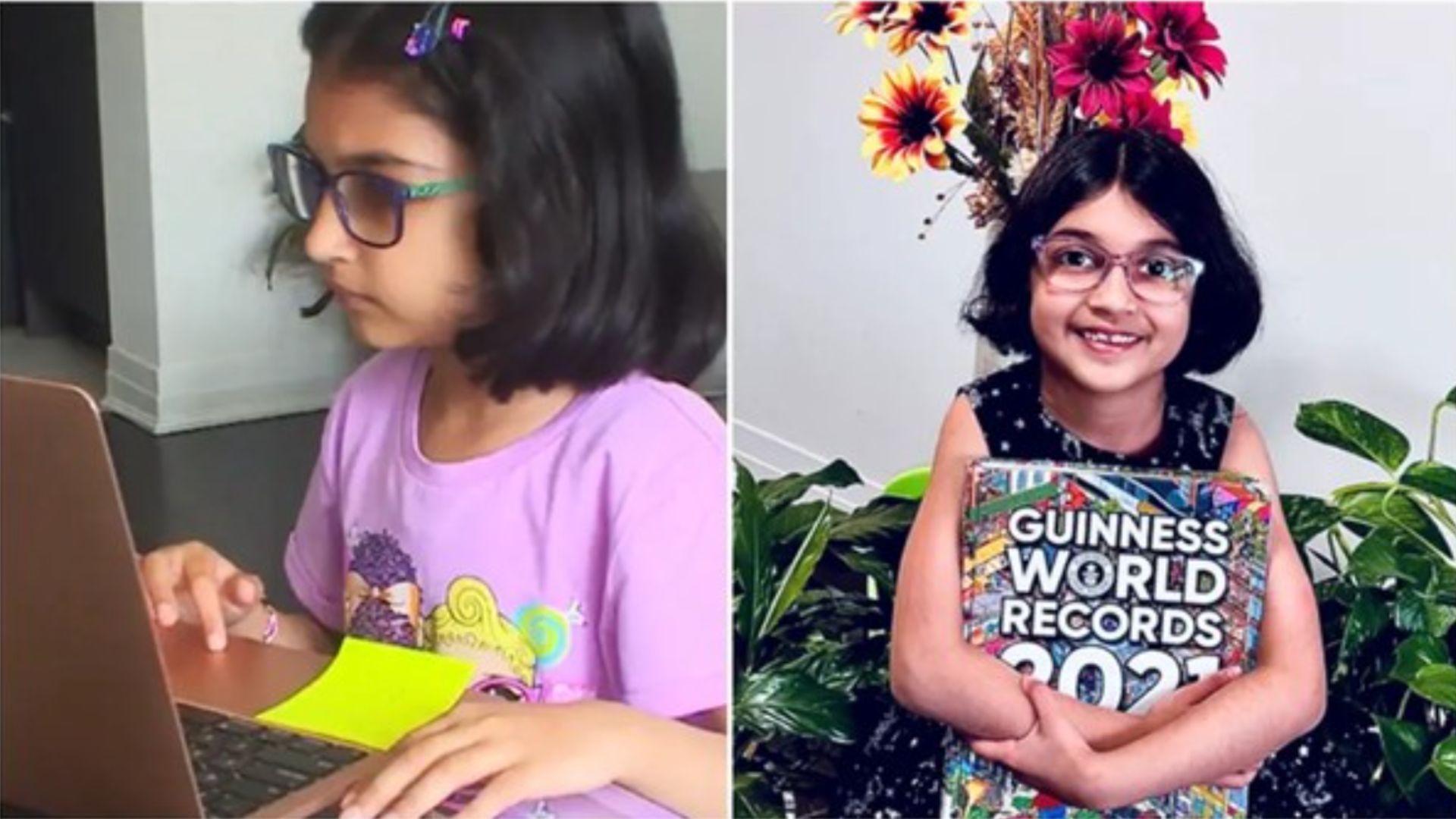
Simar Khurana’s Story From Beamsville, Ontario, Canada, Reveals How Family Support, Discipline, and Technological Education Transformed a Six-Year-Old into a World Record Holder with the Game Healthy Food Challenge
In 2023, the small town of Beamsville, Ontario, Canada, gained international attention for an inspiring reason: a girl just 6 years old entered the Guinness World Records as the world’s youngest game developer. Simar Khurana achieved official recognition by creating, from scratch, the educational game Healthy Food Challenge, a project that combines programming, creativity, and food awareness.
The information was disclosed by “Guinness World Records,” according to official records from the organization, which recognized Simar’s achievement in 2023. The achievement not only impressed technology experts, but also reignited the debate about digital education in childhood.
How the Game Healthy Food Challenge Was Born
The Healthy Food Challenge emerged from a common but decisive family situation. After a medical consultation, Simar’s family received a warning about the risks of excessive consumption of unhealthy foods. Instead of merely adjusting their eating habits, the young girl turned the learning into innovation.
-
At 77, the king of one of the most famous and powerful crowns on the planet is said to be under pressure to leave the throne, while behind the scenes there are already talks of a new coronation that could cost R$ 260 million.

-
Chinese researchers have created bamboo drones that fly with the same precision as conventional models and have released the flight control software for free to the entire world in a technology that could revolutionize sustainable aviation.

-
Russia reveals that it is already conducting 95% of all its business with China without using a single dollar; dedollarization has ceased to be a promise and has become a reality in record time, and the West watches helplessly.

-
While Brazilians work more than 44 hours a week, Norwegians leave the office at 3 PM and are now testing a four-day workweek with full pay and no loss of productivity.

From an early age, Simar’s father, Paras, noticed that his daughter showed an aptitude for math and creativity. However, when they sought programming lessons, they faced resistance: many schools hesitated to accept her because of her age.
Still, the family did not give up. After insisting and seeking alternatives, they found a teacher willing to guide her. From then on, her journey evolved rapidly. In less than a year, Simar progressed from YouTube-assisted math classes to fully developing an educational game.
In Healthy Food Challenge, players learn to differentiate healthy foods from unhealthy ones, as well as understand the importance of maintaining a balanced diet. Therefore, the project not only showcased technical skill but also presented a clear educational purpose.
Discipline, Intense Routine, and Overcoming Challenges
Although the result seems extraordinary, the journey required discipline. Simar dedicated herself to programming four times a week, maintaining an intense routine for someone only six years old. Additionally, she balanced her studies with other activities, such as dance and karate.
The game’s development occurred within a tight four-month deadline. The goal was to complete the project before Simar turned seven, thereby ensuring validation of the record as the world’s youngest game developer.
Throughout the process, the girl faced skepticism. Many doubted that such a young child could learn programming in a structured way. However, with proper guidance and constant encouragement, she proved otherwise.
This achievement reinforces an essential point: when there is family support and access to technological education, children’s potential can be surprising.
Technological Education in Childhood Gains Traction Worldwide
Simar Khurana’s case does not represent an isolated incident. On the contrary, it reflects a growing global trend of introducing children to the world of programming. Initiatives like “Manaós Tech Girls,” for example, promote technology courses for young people and encourage girls to enter the digital development sector.
Consequently, stories like this strengthen the discussion about the importance of teaching programming from an early age. They also broaden the perception that digital skills should not be restricted to teenagers or adults.
Simar demonstrated that age does not define capability. In 2023, at just six years old, she showed the world that curiosity, discipline, and proper guidance can turn learning into a world record.
What about you, do you believe that programming should be part of the school curriculum from the early years of study?








-

-

-

-

-

-

80 pessoas reagiram a isso.