





 Portuguese
  English
  Spanish
 5 min of reading
  0 comments


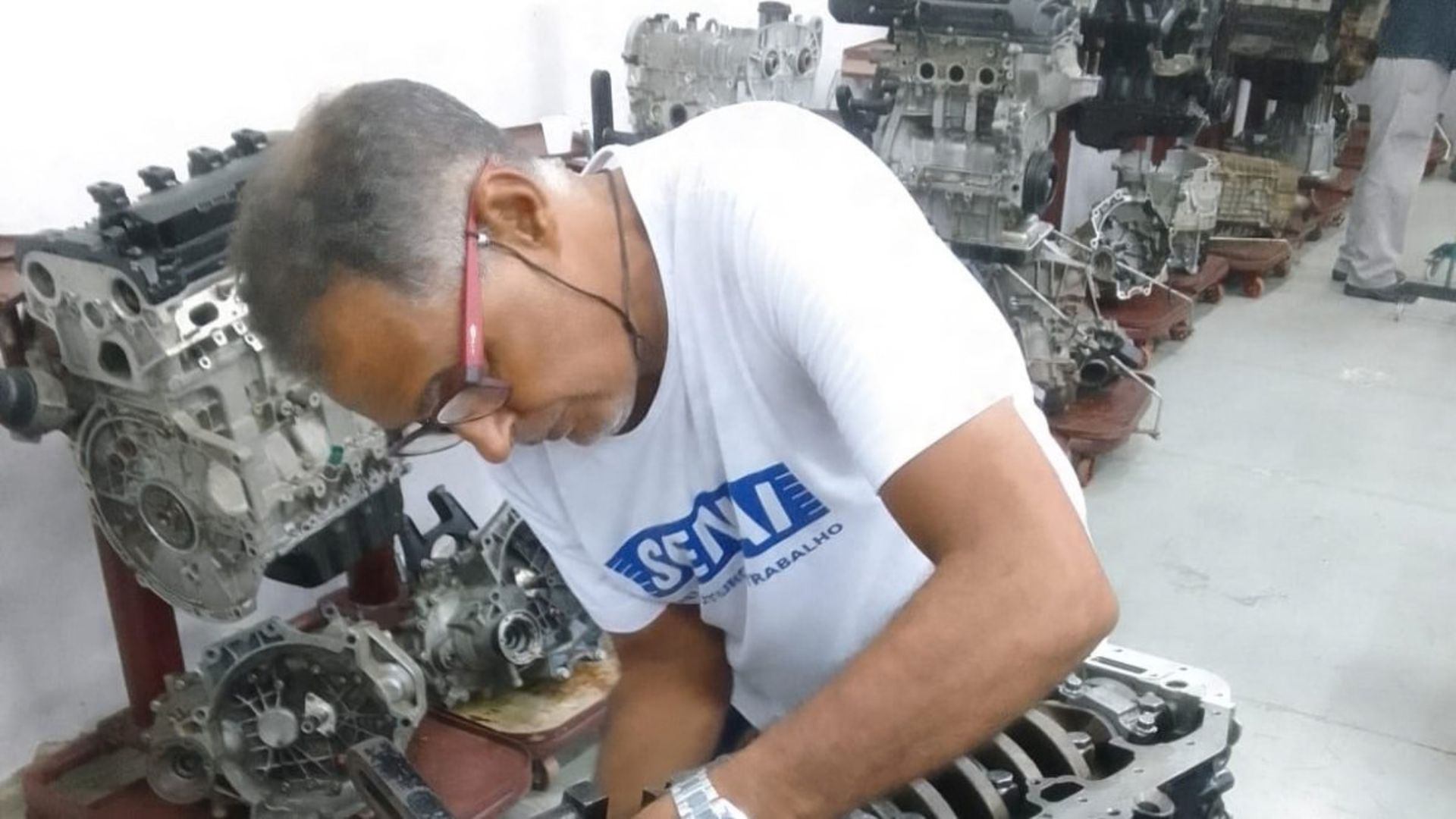
Educational Overcoming Story in Rio Branco Reveals How Returning to School in Old Age Can Transform Interrupted Trajectories. Case of a Local Resident Highlights Late Literacy, Completion of Basic Education, Professional Qualification, and Placement in Public Competition, Evidencing the Concrete Impact of Young and Adult Education.
The trajectory of Francisco Manoel de Jesus da Silva, a resident of Rio Branco, placed Youth and Adult Education (EJA) at the center of local debate by gathering, in one story, literacy, completion of schooling, professional qualification, and results in public competitions.
Released by the Municipality of Rio Branco in May 2025, the case gained attention for showing, with verifiable steps, how returning to school can produce concrete effects even after 60 years.
Resuming Studies at 60 Years
According to the municipal administration, Francisco joined EJA in 2019, at Anice Dib Jatene School, where he began the literacy process.
-
Spain surprises the world by erecting 62 artificial dunes, mixing sand with natural remains of posidonia, and causing the structure to lose only 1.4% of its volume in 1 year.

-
With 16 Bulava missiles, improvements in acoustic stealth, and a design focused on silent patrols, Russia’s nuclear submarine was born to ensure Moscow’s invisible retaliation and has become one of the pillars of its maritime strength.

-
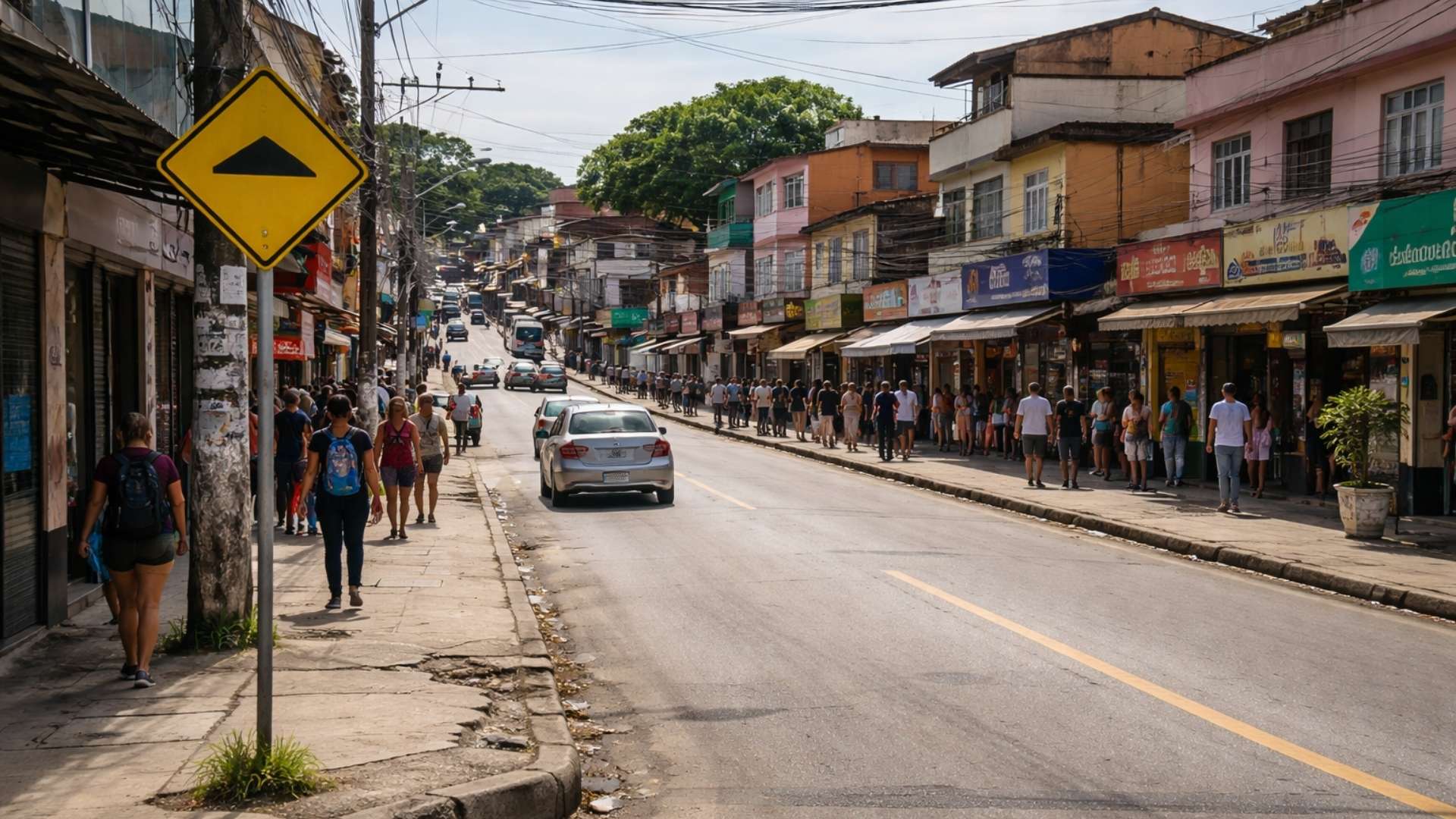
‘Populous’ city in Rio among the worst in Brazil in national ranking and exposes silent development crisis.
-
Couple buys house in the South Zone of São Paulo, opens a hidden door in the garage, and finds a secret wine cellar with dozens of old wines forgotten since the 1970s.

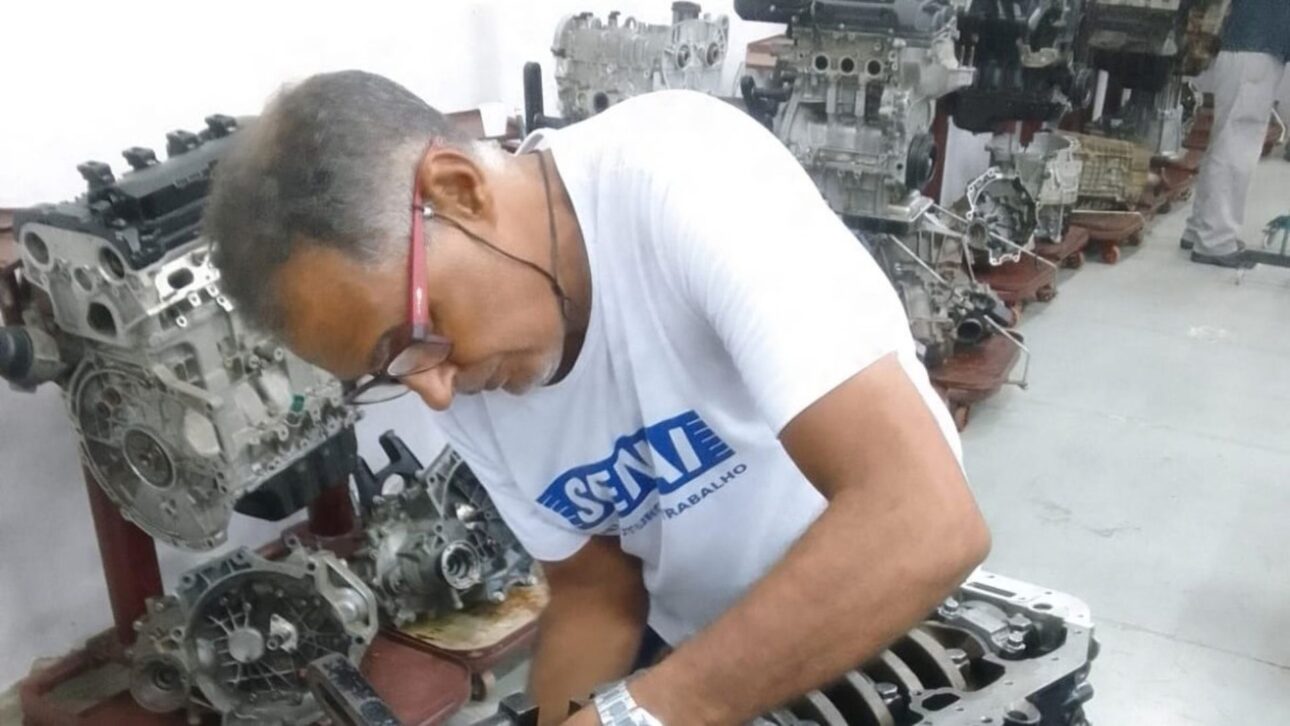
The city hall informs that throughout this journey, he completed high school and later finished a professional course in the mechanics field, consolidating a school resumption that had been interrupted in childhood.
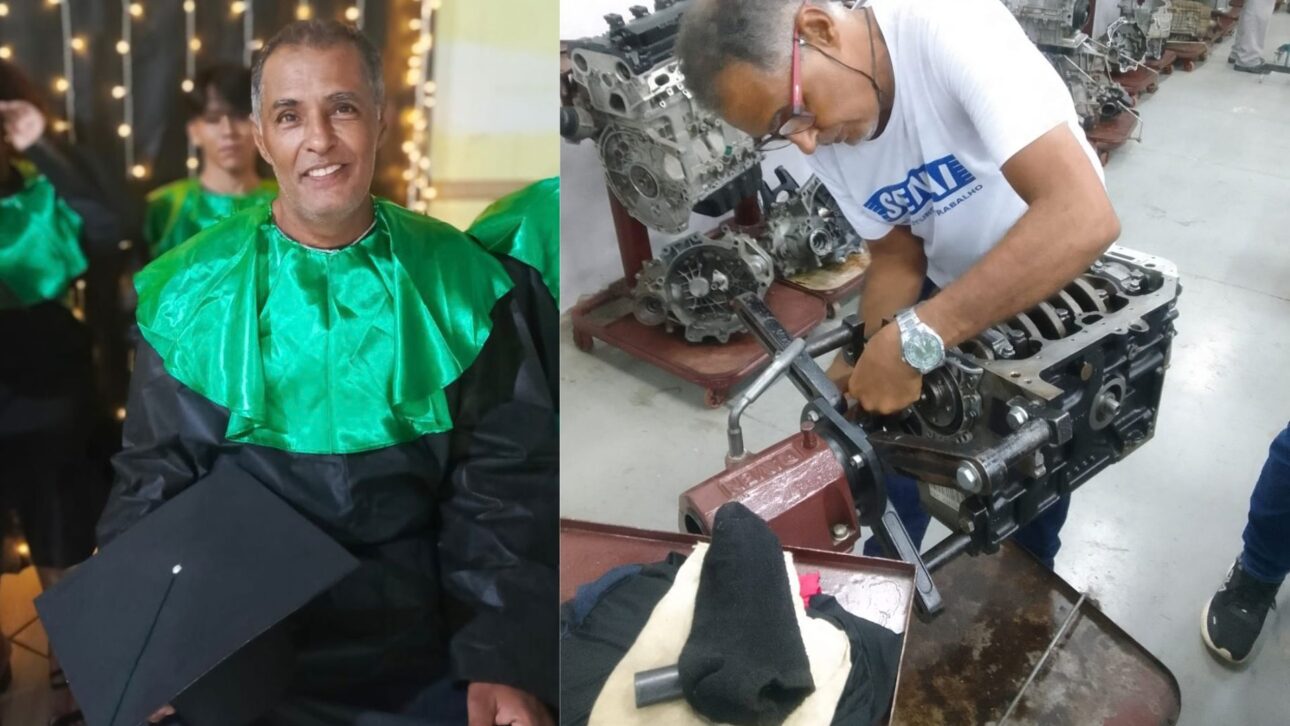
Reporting his own experience, Francisco stated that he did not have the opportunity to study when he was a child and a young man.
In the official publication, he also mentioned that he always dreamed of being a mechanic and realized the need to return to studying to pursue this goal, associating education not only with personal fulfillment but also with the opening of concrete professional paths.
From Literacy to Public Competition
The most recent advancement came after his professional training.
In 2024, Francisco participated in a competition by the Municipality of Rio Branco for the position of agricultural machinery operator, at the fundamental level, and appeared in the final classification in a reserve registry.
The official result of the event records his name in 29th place in the general competition, a position that symbolizes an important step for someone who spent a large part of his life without access to formal schooling.
This chain of events helps explain why the story gained visibility.
In general, reports of late returns to school usually highlight only literacy or the delivery of a certificate.
In this case, the sequence includes enrollment in EJA, persistence in studies, professional training, and participation in public selection, which gives a more objective dimension to the impact of schooling on the student’s life.
Francisco’s statement, thanking the EJA teachers, also reinforces the role of the school in reconstructing this educational trajectory.
In the publication from the city hall, he attributes part of the change to the pedagogical team and associates the encouragement received with the possibility of advancing in his own training after decades away from formal education.
How EJA Works in Rio Branco
The case directly dialogues with the structure of Youth and Adult Education maintained by the municipal education network.
The Annual Management Report of the Municipal Secretary of Education informs that the modality is aimed at individuals over 15 years old who did not have access or opportunity to study in regular time.
The same document records that EJA is organized in semester modules divided into two stages, called EJA I, from 1st to 5th grade, and EJA II, from 6th to 9th grade of elementary education.
The Anice Dib Jatene School, where Francisco began his trajectory, is among the units that offer this modality in the municipality.
This data connects the individual narrative to a structured public policy, with an organized educational network and formal offers of education, dispelling the idea that it is merely an isolated episode.
Youth and Adult Education and Social Impact
In addition to regular offers, the municipal administration informs that it maintains specific actions aimed at serving elderly individuals within the educational policy.
Educational reports cite the inclusion of topics related to the Statute of the Elderly and health promotion within the EJA curriculum, as well as the creation of adapted classes for audiences who spent decades away from school.
The opening of classes in institutions geared towards elderly individuals is also noted among the initiatives recorded by the secretary, indicating an attempt to expand educational access for those who aged without completing basic education.
Francisco’s trajectory draws attention because it contradicts the common belief that formal education in old age would have only symbolic value.
In his case, returning to the classroom is linked to measurable results, such as literacy, academic advancement, technical qualification, and presence on the official public competition list.
Although placement in the reserve register does not represent automatic appointment, it serves as an indicator of inclusion in previously inaccessible spaces for those who spent most of their lives without schooling.
At the same time, the journey exposes a demand that transcends the personal story.
The Municipal Secretary of Education itself recognizes the need to expand EJA coverage and strengthen active search programs for young people, adults, and the elderly who have not yet completed basic education.
Experiences like that of Francisco Manoel de Jesus da Silva gain visibility exactly because they reveal a reality that remains present in different regions of the country, where thousands of Brazilians continue to try to regain access to school after decades away from the educational system.
In the news, stories of this kind often generate immediate interest by combining advanced age, returning to school, and practical results in everyday life.
In this case, the difference lies in the public documentation of the journey, with identification of the school, type of education pursued, professional training, and classification recorded in the official competition results.
With this, the story stops being just an inspiring account and becomes a concrete example of how literacy and schooling continuity policies can change the horizon for those who spent much of their lives away from the classroom.







Seja o primeiro a reagir!