





 Português
  Inglês
  Espanhol
 5 min de leitura
  1 comentário



The “Catarinense Manchester” Established a Rare Urban Model in Brazil by Combining Powerful Industry, Skilled Jobs, Security, Preserved Nature, and Efficient Urban Infrastructure, Creating an Environment That Attracts New Residents and Transforms the Catarinense City into a National Reference for Balanced Development
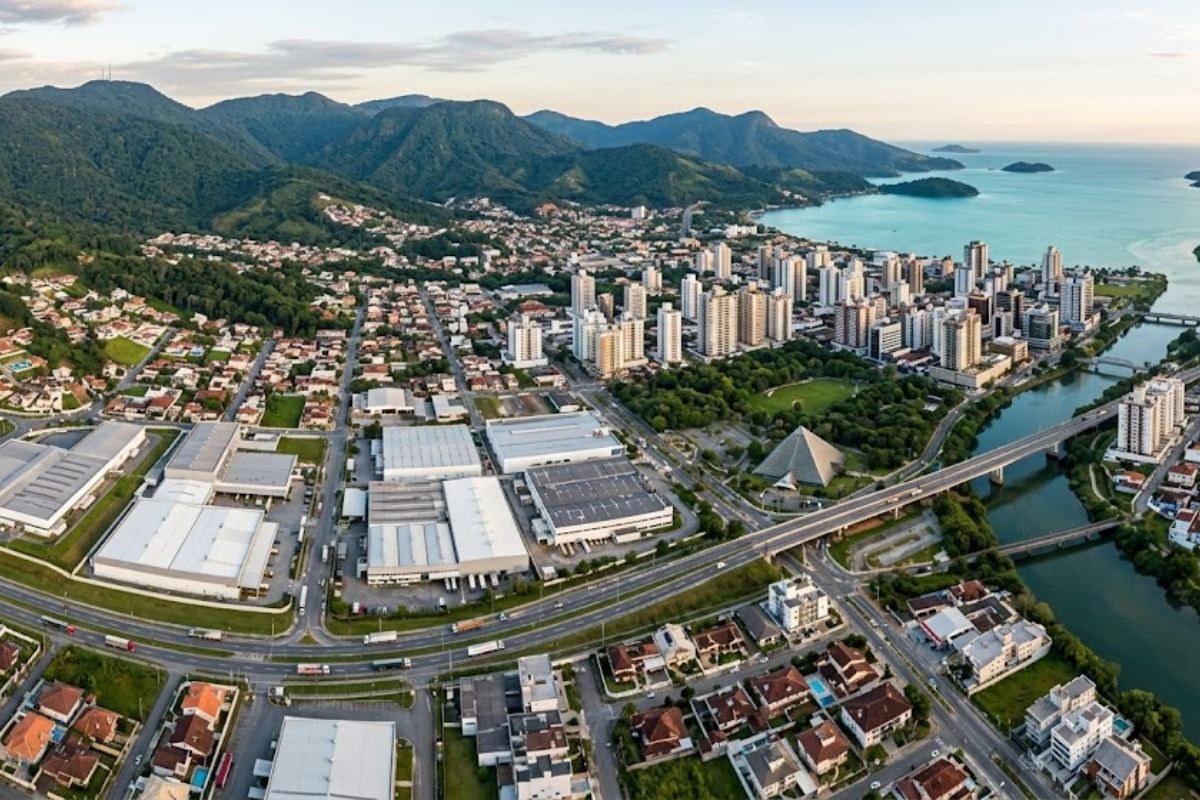
The “Catarinense Manchester” is today one of the most cited examples of a Brazilian city that has managed to grow economically without losing quality of life. Located in Santa Catarina, Jaraguá do Sul combines a strong industry, good salaries, and a landscape marked by hills covered with Atlantic Forest.
The nickname “Catarinense Manchester” emerged in the 1950s, when the accelerated industrial growth drew attention and led to a comparison with the historic English city that symbolized the Industrial Revolution. Decades later, the city maintains this productive profile while establishing itself as one of the best places to live in the country.
How the Nickname “Catarinense Manchester” Was Born
The title of “Catarinense Manchester” was born during a period of rapid industrialization. The expansion of factories in the region caught the attention of economists and journalists, who began to compare the city’s growth rate with that of the English Manchester during the height of European industrialization.
-
The world’s first octopus farm wants to open in the Canary Islands and is already provoking an international reaction: the plan aims to produce 3,000 tons per year.

-
Drought may be creating stronger superbugs in the soil and helping antibiotic resistance reach hospitals, warns a study highlighting a problem that could grow alongside extreme weather.

-
The biggest scam in history: Napoleon’s France deceived the United States by selling them a territory that was Spanish.

-
Why is the Danakil Desert so dangerous? It has unstable terrain and how extreme temperatures and toxic gases turn the region into one of the most hostile environments on Earth.


The comparison was not merely symbolic. Jaraguá do Sul became a significant industrial hub within Santa Catarina and Brazil, with companies that grew rapidly and began exporting their products to various countries.
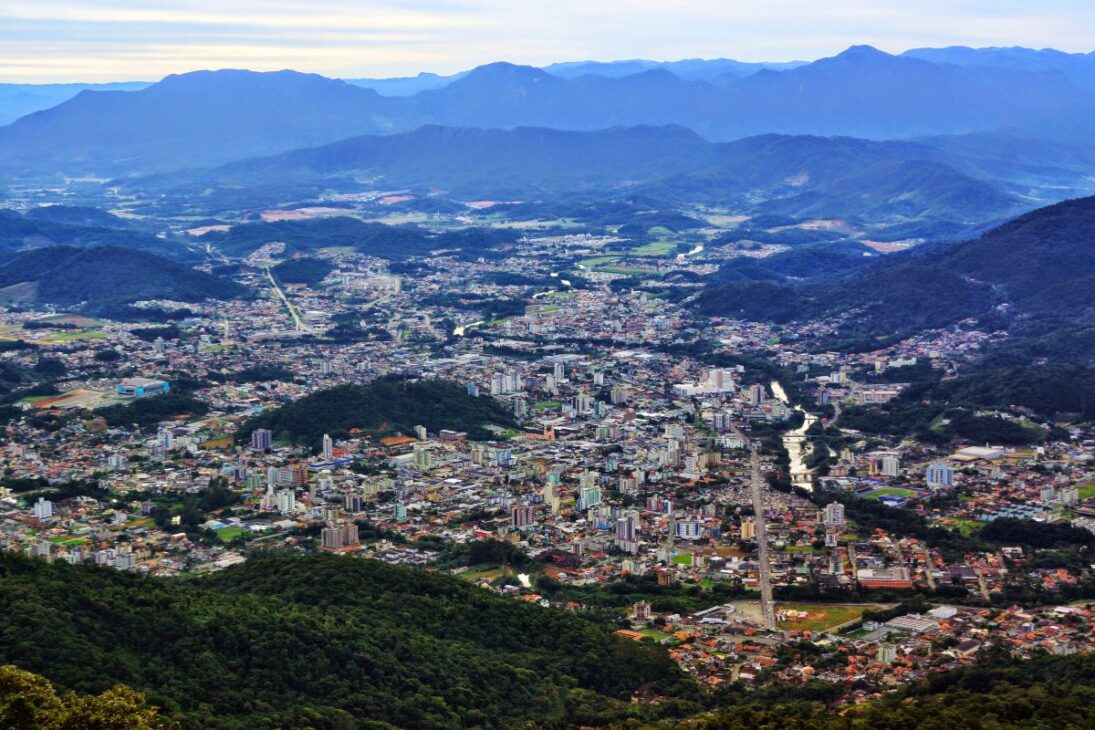
At the same time, the city preserved a strong cultural and geographical identity. Surrounded by hills and crossed by the Itapocu River, it developed in a valley where urbanization coexists with preserved green areas.
This balance between economic growth and natural landscape is one of the characteristics that explain the fascination that “Catarinense Manchester” inspires today.
Quality of Life That Stands Out in Brazil
The “Catarinense Manchester” frequently appears in quality of life rankings across the country.
Data from IBGE indicates that Jaraguá do Sul has a HDI of 0.803, one of the highest in Santa Catarina and among the best in Brazil. The schooling rate among children aged 6 to 14 years reaches 99.09%, showing a solid educational system.
The urban infrastructure matches these indicators. The city invests in sanitation, parks, and urban planning, creating neighborhoods with varied profiles.
Regions such as Centro, Ilha da Figueira, and Czerniewicz concentrate services and commerce, while areas like Barra do Rio Cerro attract residents seeking closer contact with nature.
Another important factor is the strategic location. The city is located less than 60 kilometers from the coast, allowing relatively quick access to beaches like Barra Velha and São Francisco do Sul.
This combination of factors helps explain why more and more Brazilians consider “Catarinense Manchester” as a place to live.
Strong Industry and Above-Average Jobs
One of the pillars of the “Catarinense Manchester” remains its industry.
More than 36% of the municipal GDP comes from the industrial sector, a figure significantly above the Brazilian average. Large companies established in the city help sustain this economic performance.
Among them is WEG, founded in 1961 by Werner Ricardo Voigt, Eggon João da Silva, and Geraldo Werninghaus. The company started in a small shed producing electric motors and has since become a multinational present in over 100 countries.
Other important companies have also helped consolidate the local industrial hub, including Malwee, Marisol, and Duas Rodas.
This business combination has transformed Jaraguá do Sul into one of the main centers of the Brazilian textile industry, which is why the city has also earned the title of National Capital of Knitting.
For those living in the city, this translates into diversified jobs, a low unemployment rate, and salaries that are often above the regional average.
Nature and Leisure in the Heart of the City
Despite its strong industrial profile, the “Catarinense Manchester” maintains extensive natural areas and well-preserved public spaces.
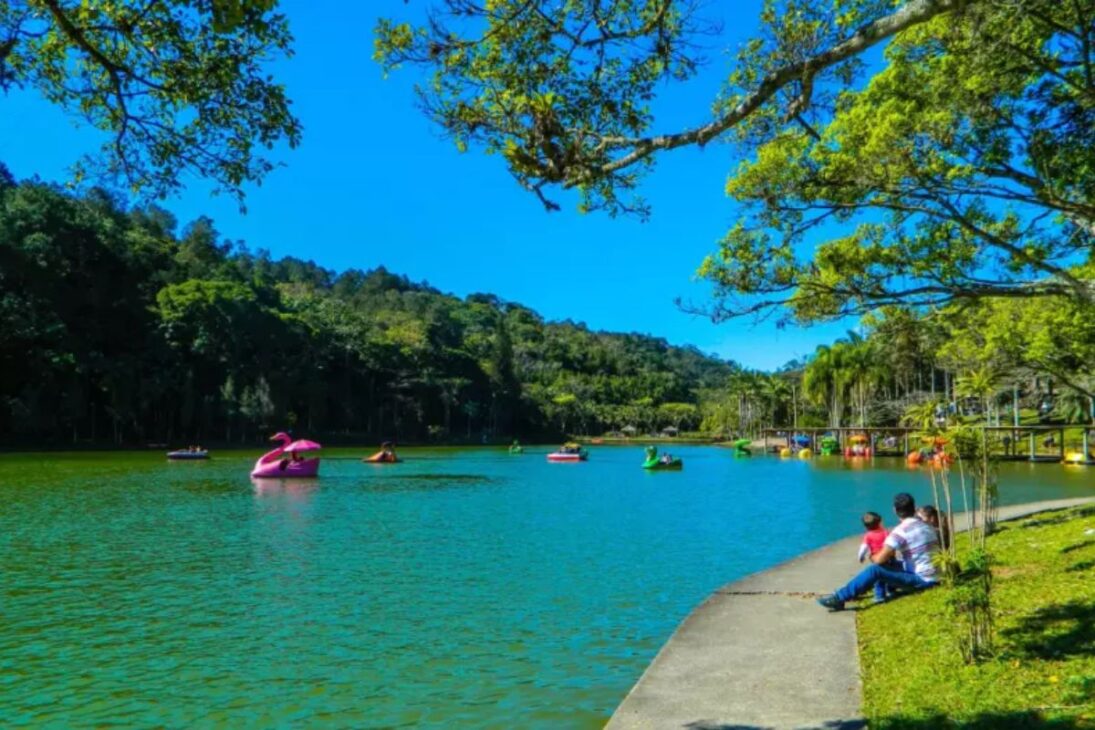
The main symbol of this balance is Parque Malwee, inaugurated in 1978. The space covers about 1.5 million square meters, featuring 16 ponds, more than 35,000 trees, and 133 species of birds recorded.
The park functions as a large leisure area open to the public, offering trails, bike paths, pedal boats, and spaces for outdoor activities.
Another highlight is the Chiesetta Alpina, a small chapel located on Morro Boa Vista, about 923 meters above sea level, which offers a panoramic view of the region.
The city also maintains strong cultural traditions, such as Schützenfest, considered the largest shooting festival in Brazil.
This mix of culture, nature, and leisure helps to build the unique identity of the “Catarinense Manchester.”
Climate and Landscape Shape the Local Lifestyle
The geography of the “Catarinense Manchester” directly influences the daily life of the population.
The city has a subtropical climate with an average annual temperature of around 21 °C, allowing relatively well-defined seasons throughout the year.
Summers are hot and rainy, while winters can register temperatures close to 8 °C in higher areas, with occasional frost occurrences.
This varied climate encourages outdoor activities at different times of the year, from hiking in the hills to cultural and gastronomic events.
The result is an urban routine that combines modern industry with a quality of life connected to nature.
The story of the “Catarinense Manchester” shows that industrial growth and quality of life do not have to be opposing forces.
Jaraguá do Sul has managed to build a strong economy based on industry while preserving green areas, efficient urban infrastructure, and a safe and organized environment.
This balance helps explain why the city increasingly appears on lists of desired places to live in Brazil.
Now the question remains.
If you had the chance to move to a new city today, would “Catarinense Manchester” be a place you would consider living, or do you prefer large capitals even with lower quality of life?







https://eudesenholetras.wordpress.com/2019/11/09/por-que-joinville-e-a-manchester-catarinense/