





 Portuguese
  English
  Spanish
  4 min of reading
  0 comments


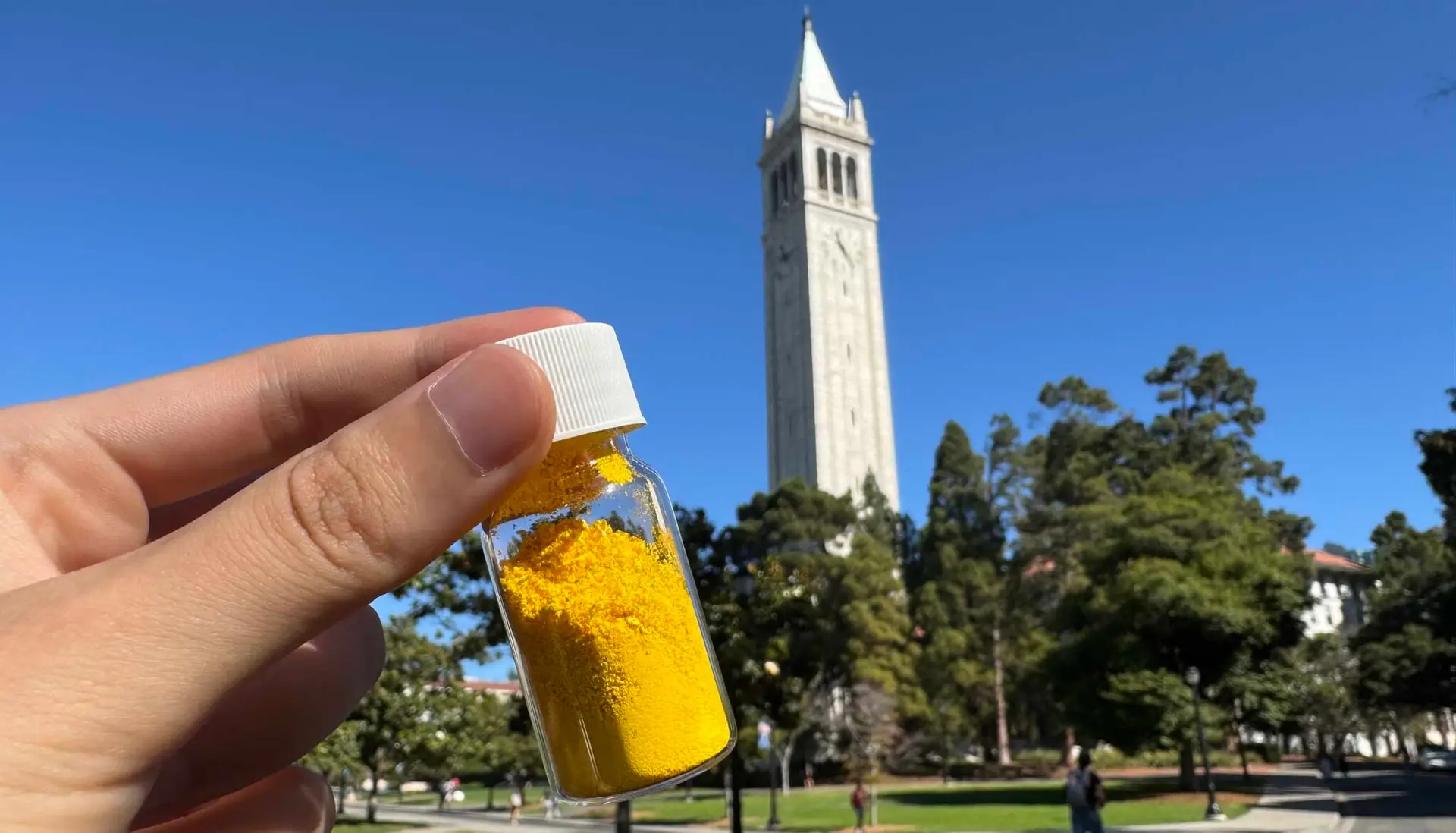
New Technology: Powder Capable of Capturing CO2 from the Air with the Efficiency of a Mature Tree in Small Quantities
Carbon capture and storage technologies have gained prominence in the fight against climate change. With rising levels of carbon dioxide (CO2) in the atmosphere, it becomes imperative to seek efficient methods to reduce the concentration of this gas, which is one of the main contributors to global warming.
The Challenge of Direct CO2 Capture
Traditional carbon capture methods allow for capturing CO2 from technical sources, such as power plant chimneys. However, capturing carbon dioxide directly from the air, where it is at a much lower concentration, is a complex task.
The technology of Direct Air Capture (DAC) proves essential for reversing the increase in atmospheric CO2 levels, which reached 426 parts per million (ppm), 50% above the levels recorded before the Industrial Revolution.
-
End of the stove: new technology from Xiaomi promises to retire the old stove with a smart pot that prepares up to 16 servings in 24 minutes and has 10 automatic levels controlled by an app.

-
If Ormuz closes, the world freezes: the 1,200 km Saudi Petroline transports oil from the Gulf to the Red Sea, operates near 7 million barrels/day, and becomes a geopolitical weapon in the crisis with the US.

-
Scientists restore seagrass meadows in the open sea.

-
Scientists find about 1 million giant live eggs hatching in an active underwater volcano, discover a natural furnace on the ocean floor, and reveal one of the most unlikely nurseries ever seen in the ocean.

The Intergovernmental Panel on Climate Change (IPCC) highlights DAC as a key tool to achieve the goal of limiting global temperature rise to 1.5°C. However, this process still faces many challenges, both technological and financial.
Promising Innovations: The Development of COF
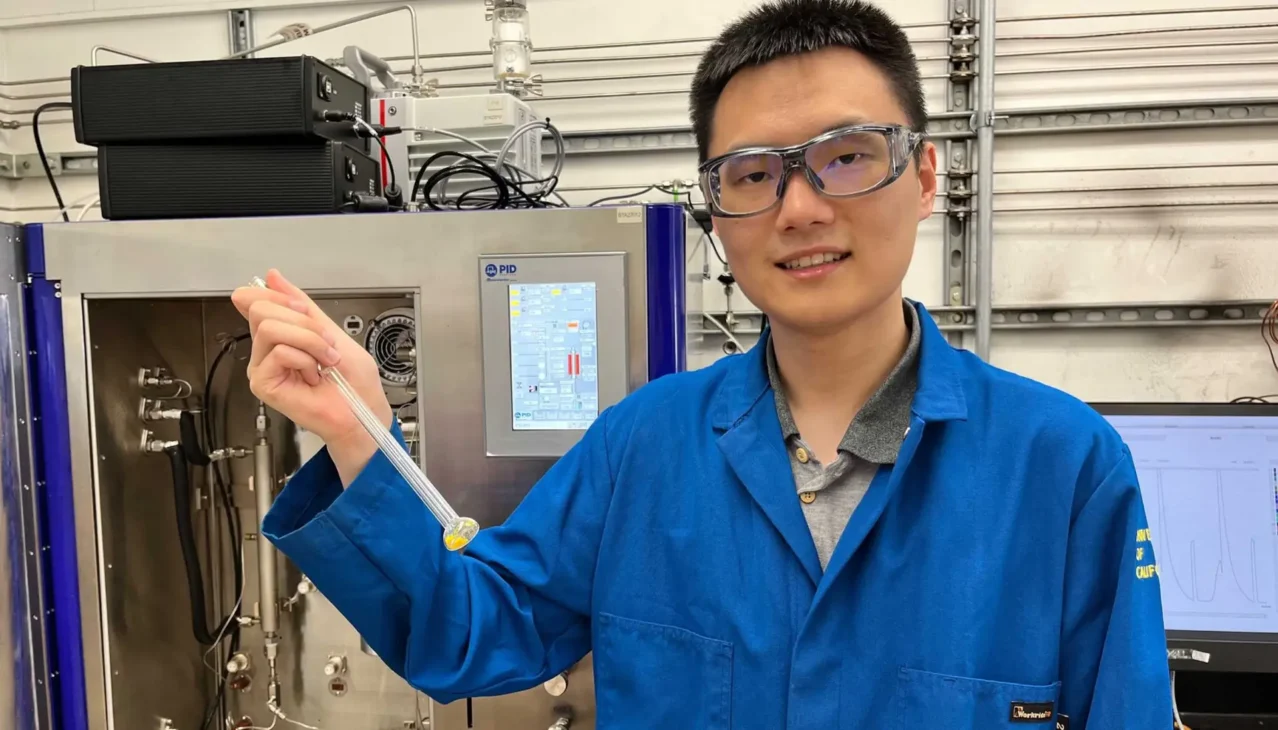
An important breakthrough in direct carbon capture technology has been made by researchers at the University of California, Berkeley.
They developed an innovative material called covalent organic framework (COF), capable of capturing CO2 from the environment without decomposing upon contact with water or other contaminants – a common limitation in DAC technologies.
According to Professor Omar Yaghi, the lead researcher, the COF is extremely efficient and has an impressive carbon capture capacity. Just 200 grams of material can capture up to 20 kilograms of CO2 per year, equivalent to the amount of carbon absorbed by a mature tree.
Comparison with Traditional Materials
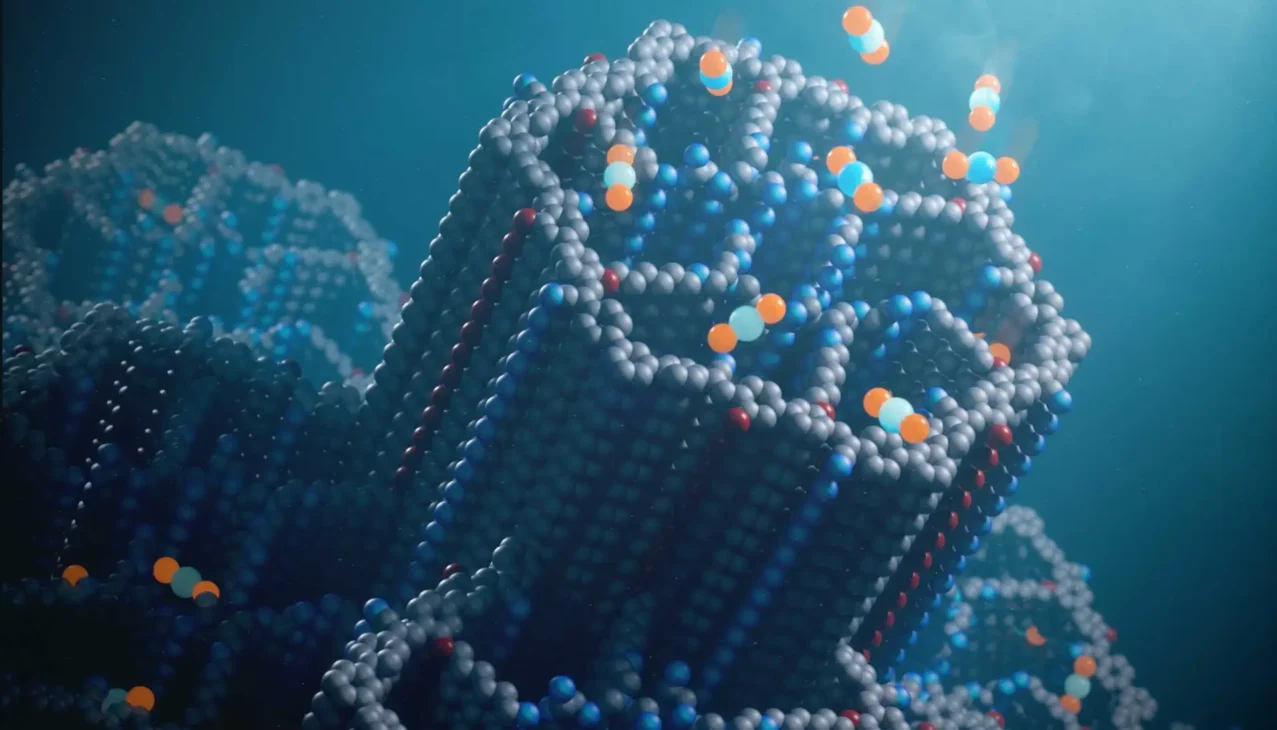
The COF developed by Yaghi is more stable and resilient than previous materials, such as metal-organic frameworks (MOFs), which are shown to be less resistant after multiple usage cycles.
This new COF, named COF-999, is composed of strong carbon-carbon and carbon-nitrogen covalent bonds, ensuring its durability and ability to be reused in hundreds of cycles without degrading.
Zihui Zhou, co-researcher and graduate student, emphasized that capturing CO2 from combustion gases helps reduce the impact of climate change, while direct air capture can reverse this effect, helping to lower CO2 levels to safer levels.
Performance and Energy Efficiency
COF-999 not only captures CO2 effectively but is also energy-efficient. It releases CO2 when heated to just 60 °C, a process that is much less energy-intensive than methods using liquid mines, which require higher temperatures and pressures for regeneration.
Additionally, COF-999 has an impressive storage capacity, able to hold up to 2 millimoles of CO2 per gram, surpassing the performance of many other solid adsorbents used in direct carbon capture.
Durability and Sustainability
One of COF-999’s greatest assets is its durability. The material withstands over 100 cycles of adsorption and desorption without losing its capacity, which represents a significant advancement compared to other materials that degrade more quickly.
Yaghi and his team are confident that, with further improvements, COF-999 could become even more efficient.
The Role of Artificial Intelligence in Materials Development
Carbon capture research is advancing rapidly thanks to the use of artificial intelligence (AI).
Yaghi and other scientists believe that AI can be a powerful tool for predicting the best chemical conditions for new carbon capture materials, accelerating the discovery of more efficient and scalable solutions.
Yaghi, who leads the Bakar Institute of Digital Materials for the Planet (BIDMaP), is currently involved in projects that combine AI and chemistry to develop more cost-effective and easily implementable materials at scale.
“The combination of AI with our chemistry expertise is incredibly exciting,” Yaghi said, emphasizing the potential for revolutionary advancements in the field.
The technology DAC, driven by innovations like COF-999, offers a promising solution for capturing CO2 directly from the air and can play an essential role in combating climate change.
As technology advances and becomes more accessible, we hope these materials can be applied on a large scale, contributing to the reduction of CO2 levels and meeting global climate goals.
With the persistence of researchers and the support of new technologies, such as artificial intelligence, the hope is that the development of solutions like COF-999 leads to a more sustainable future, where carbon capture technologies are a fundamental part of our strategies to mitigate environmental impacts.






Seja o primeiro a reagir!