





 Portuguese
  English
  Spanish
 4 min of reading
  0 comments


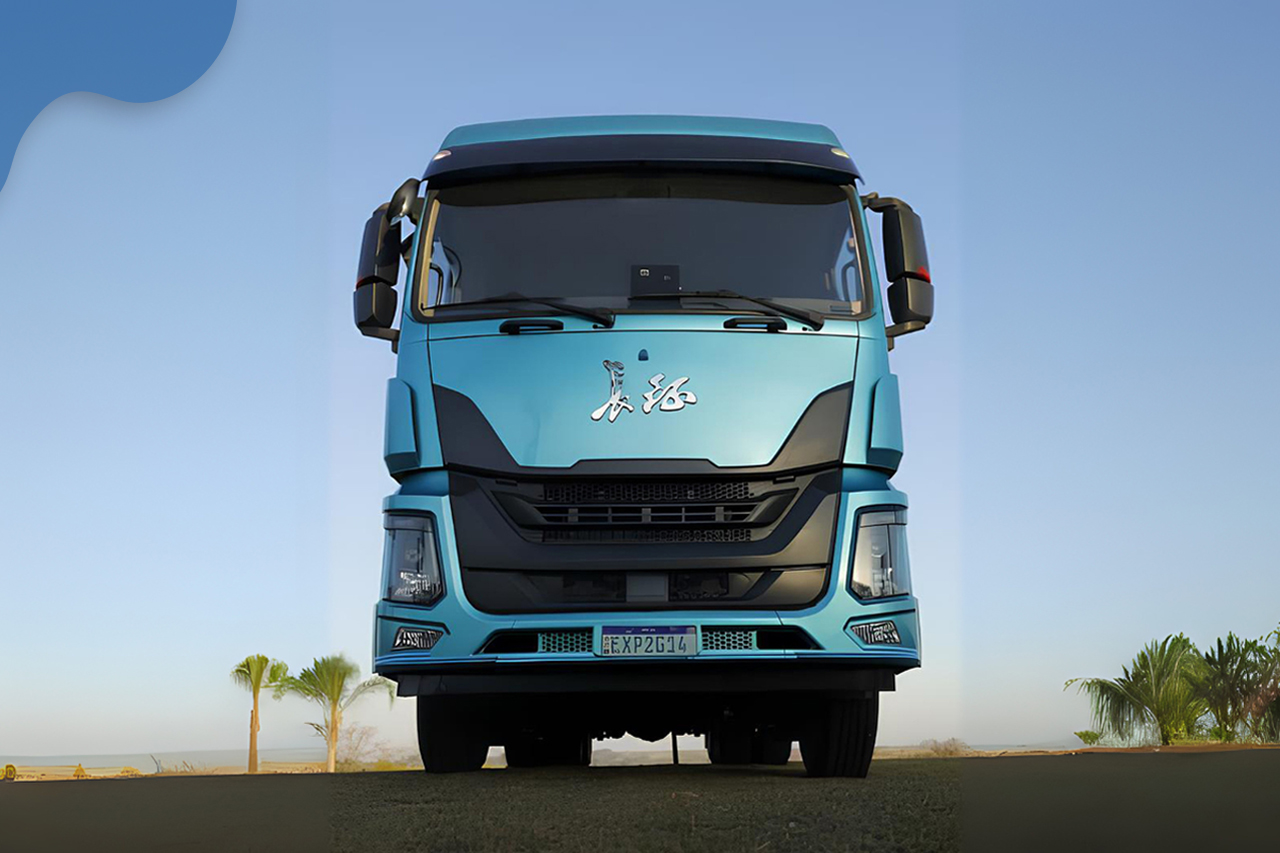
With Zero Emission and Silent Operation, the GWM Hydrogen Powered by FTXT Promises to Combine Electric Motor Performance with Fast Hydrogen Refueling. The Prototype Arrives in Brazil for Tests That Will Evaluate Everything from Safety to Real Autonomy on Brazilian Roads.
GWM will start the validation of the hydrogen truck GWM Hydrogen powered by FTXT in Brazil, a prototype that does not emit smoke and releases only water from the exhaust. The technology combines hydrogen and oxygen in a fuel cell to generate electricity, powering the electric motor with silent operation and high efficiency, while regenerative braking helps recover energy during deceleration.
The model will be showcased to the public at the inauguration of GWM’s factory in Iracemápolis, in the interior of São Paulo, scheduled for August 15, 2025.
After the presentation, the vehicle will undergo a series of technical validations at the São Paulo unit before testing begins in September, a stage that will measure performance, safety, hydrogen consumption, and suitability to real operating conditions in Brazil.
-
A 250cc motorcycle that can reach 560 km with a 14-liter tank, features disc brakes on both wheels and is among the most well-known in Brazil.

-
Man finds over 200 rare cars abandoned on a lot and tries to do the impossible in 8 hours with a surprise at the end.

-
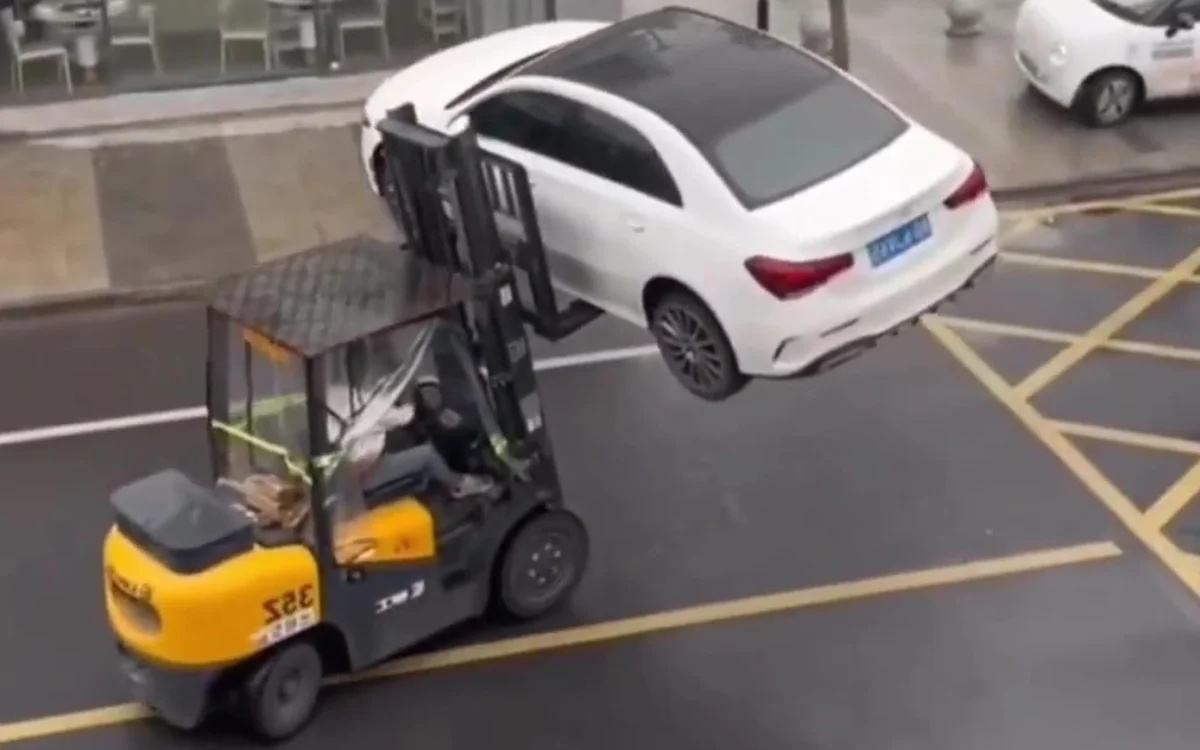
An irregular parking case gains attention after a Mercedes Classe A was removed in such a strange way that it even raised doubts about damage to the car.
-
Costing R$ 16,000, the new Yamaha features a 125 cc hybrid engine with electric assistance, delivers 8.3 hp, includes ABS, optimized fuel consumption, Y-Connect connectivity, 25 liters of storage space, and a surprising 4-year warranty in the urban segment.

How the Hydrogen Truck Works and Why It Doesn’t Emit Smoke
The system uses a fuel cell that combines hydrogen and oxygen to generate electricity. The electrochemical process drives the electric motor and has water as a byproduct, ensuring zero emissions from the exhaust during use.
Unlike a conventional battery electric, hydrogen acts as an “on-board generator,” reducing the dependence on long recharges while maintaining the benefit of instant torque.
The GWM Hydrogen powered by FTXT setup includes a 105 kWh battery and regenerative braking, which recovers energy during deceleration and optimizes range. For the reader, the key point is clear: it combines electric performance with fast refueling and silent operation.
Inauguration of GWM’s Factory in Iracemápolis and Validation Schedule
The brand has scheduled the truck’s display for the inauguration of the Iracemápolis factory on August 15, 2025, reinforcing its strategy for local industrialization and research. This will be the first public contact of the prototype with the Brazilian market.
This week, the truck arrived at the Port of Santos in São Paulo and will proceed to the Iracemápolis unit. There, it will undergo inspections and technical validations prior to the testing phase. The schedule anticipates testing to begin in September, with progressive assessments in controlled areas and, later, on suitable roads, prioritizing safety, performance, and suspension robustness for Brazilian conditions.
Role of FTXT, Partnership with Minas Gerais and UNIFEI
FTXT is GWM’s subsidiary dedicated to developing hydrogen and fuel cell technologies. In Brazil, this study is a continuation of an agreement signed in November 2024 between the Government of Minas Gerais and the Federal University of Itajubá (UNIFEI), connecting industry, academia, and public policies.
According to the company, the cooperation creates an ideal environment to accelerate the energy transition in heavy transportation, facilitating testing, modeling, and local capability building.
The guiding statement for the project is straightforward: enabling the use of hydrogen in commercial vehicles depends on structured partnerships and real operation data collected within the national territory.
Refueling, Green Hydrogen, and Infrastructure Challenges
The prototype’s fuel tanks use multiple cylinders containing approximately 40 kg of hydrogen. There are two main supply routes planned: green hydrogen, produced through electrolysis with renewable energy, and hydrogen obtained from ethanol reforming, a promising alternative in the Brazilian context.
Refueling tends to be quick, which favors fleets that need to maintain high availability. Nonetheless, hydrogen infrastructure is a significant challenge: it is necessary to evolve the network for production, compression, transportation, and refueling stations.
International experience helps pave this curve. More than 30,000 fuel cell trucks operate in China, providing reference points for costs, maintenance, and large-scale operation.
What Changes for Heavy Transport: Maintenance, Autonomy, and Operation
Like any electric vehicle, the truck offers less maintenance needs for moving parts of the drivetrain, along with silent operation and regenerative braking that preserves components. For long routes, hydrogen refueling reduces stops and accelerates fleet turnover.
In practice, the proposal is to combine the best of both worlds: power and drivability of an electric vehicle with the convenience of fast refueling, maintaining zero emissions from the exhaust.
The tests in Brazil will serve to measure hydrogen consumption, real autonomy under different loads, and the project’s adherence to our conditions of terrain, temperature, and pavement quality.
Next Steps for GWM in Brazil and Perspectives
Before hitting the streets, the truck will undergo suspension, performance, and safety evaluations on internal circuits in the São Paulo interior. With the engineering data, the company and its partners will adjust calibration and refueling strategies.
The automaker also confirmed that it is studying launching a hydrogen car in Brazil, leveraging insights and adaptations gained from the truck for our regulatory and infrastructure context.
The stated goal is clear: enable the use of this technology in the country in a scalable manner, generate knowledge for research centers and universities, and pave the way for pilot operations with transport companies and industries.








Seja o primeiro a reagir!