





 Portuguese
  English
  Spanish
  4 min of reading
  55 comments


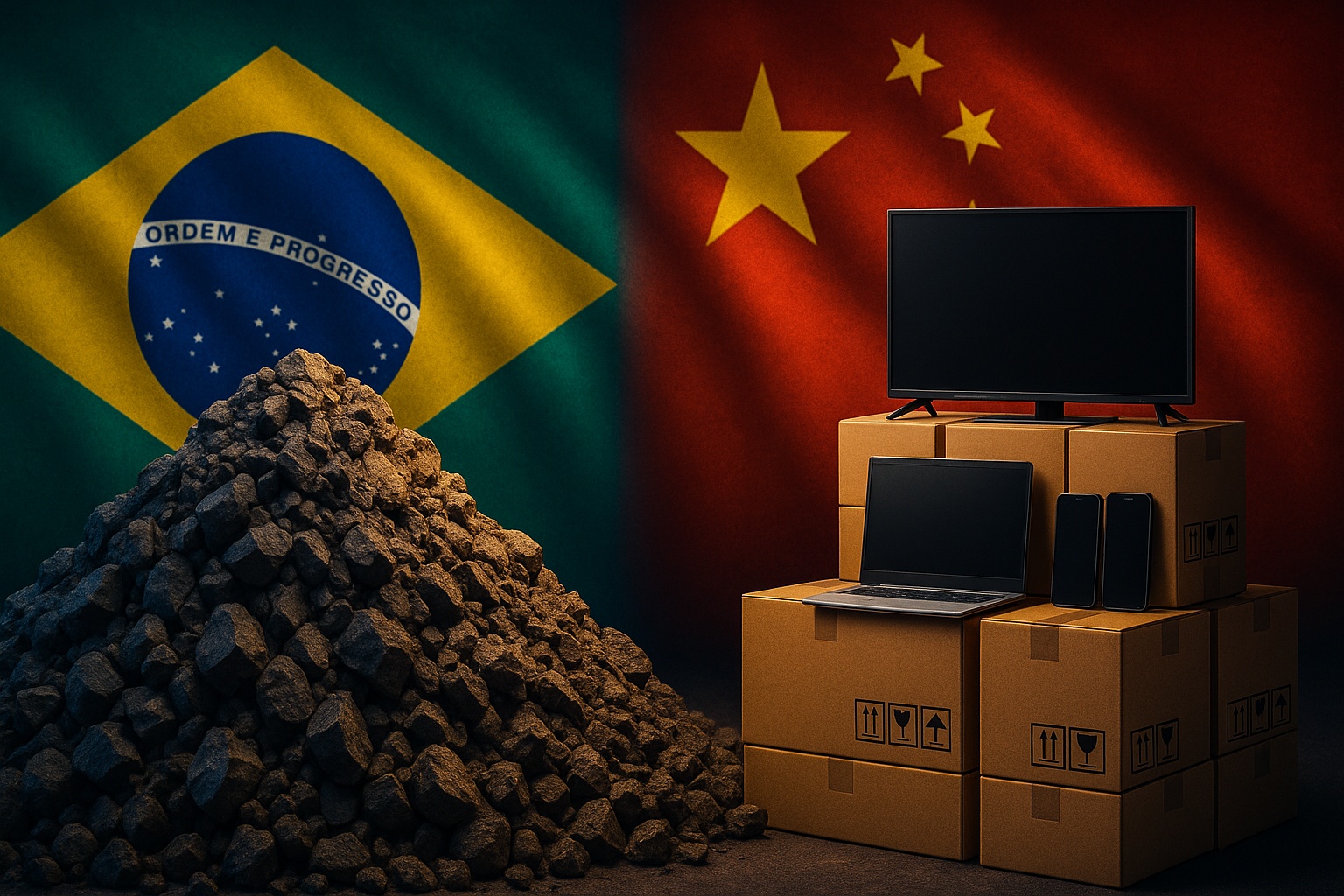


China Purchases Over 70% of Brazilian Iron Ore, but Brazil Spends US$ 27 Billion a Year on Chinese Electronics. Relationship Reveals Imbalance in Trade.
The trade between Brazil and China is one of the most robust in the world, but also one of the most asymmetrical. On one side, China purchases colossal volumes of Brazilian commodities, especially iron ore, which supplies its steel industry. On the other, Brazil sends billions of dollars every year to import Chinese manufactured goods, particularly electronics and high-tech equipment.
The contrast exposes a structural imbalance in trade, where Brazil exports low-value-added products and imports expensive goods, revealing a dependency that could be costly to the country’s development.
Iron Ore: The Backbone of Exports
According to official data, in 2024, China absorbed more than 70% of the iron ore exported by Brazil, about 270 million tons. Iron ore alone represents about 12% of all Brazilian exports, being a central piece for the trade surplus. This dependency, however, is risky.
-
The largest food company on the planet, JBS, has just opened a 4,000 square meter laboratory in Florianópolis to develop customized proteins that modulate muscle mass gain, immune response, and metabolic performance.

-
After nearly 30 bids and competition among industry giants, a Spanish company purchases one of the largest airports in Brazil for almost R$ 3 billion and takes over the management of Galeão in a concession that will last until 2039.

-
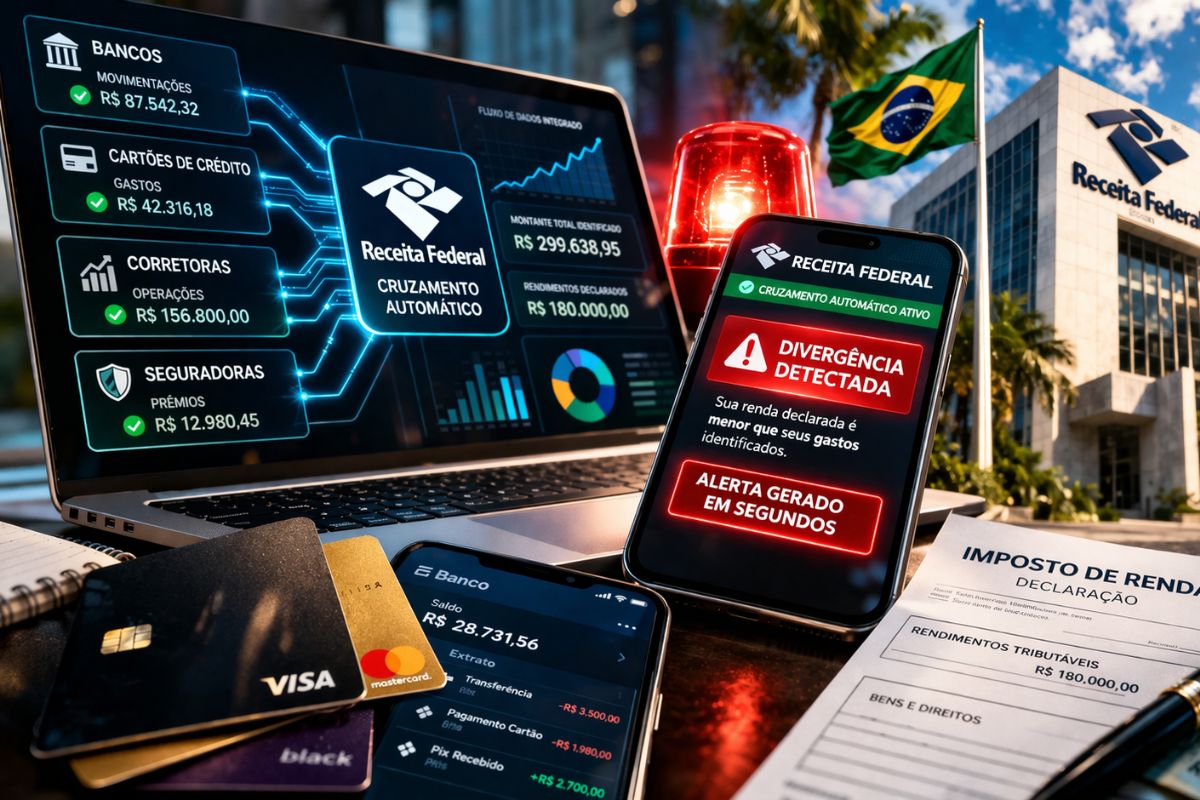
The Federal Revenue Service now automatically cross-references everything you declare with data from banks, credit cards, brokerage firms, and insurance companies, and any discrepancy between your income and your expenses triggers an alert in seconds.
-
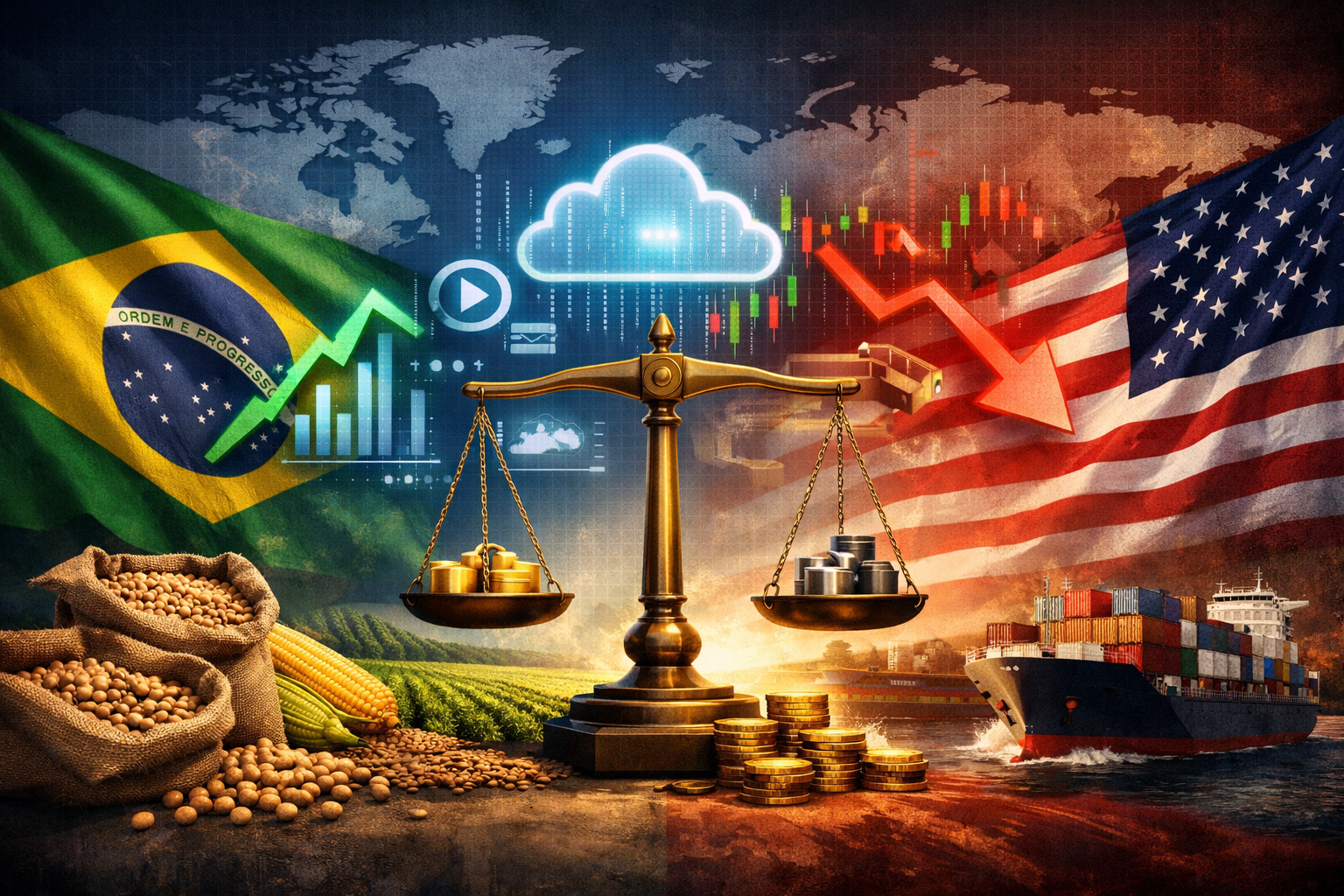
Amid global tensions, Brazil blocks the United States’ proposal at the WTO and paves the way for a trade crisis and possible retaliations.

The mineral sector concentrates billion-dollar revenues but diversifies little in its export agenda. Furthermore, the ore is sold as raw material, with a low added value compared to what it generates when transformed into steel and industrial products.
This dynamic keeps Brazil in the position of a supplier of raw inputs, while other countries capture higher margins.
Chinese Electronics: The Billion-Dollar Bill That Returns
On the other side of the balance, Brazil disbursed in 2020 – 27 billion and in 2024 about US$ 17 billion to import electronics and electrical equipment from China. This category includes computers, cell phones, semiconductors, solar panels, appliances, and a myriad of products that supply both industry and domestic consumption.
The contrast is shocking: while exporting raw ore at relatively low prices, Brazil imports high-value-added goods, with embedded technology and high profit margins.
The result is a cycle of dependency: without a consolidated local industry, the country remains dependent on Chinese technology to sustain its digital economy and modern infrastructure.
A Historical Imbalance in Trade
This relationship is not new. Since the 2000s, when China became Brazil’s main trading partner, the pattern has remained the same: commodities that way, manufactured goods this way. What changes are the numbers, which grow year after year and reveal the gap between the two agendas.
According to analysts, this model strengthens Brazil’s external accounts in the short term but may compromise industrial competitiveness in the medium and long term.
The risk is that Brazil consolidates as an economy dependent on the export of basic products, without advancing to higher value-added chains, says an economist from Secex.
The Impact on Industrial Development
The fact that Brazil imports billions in electronics reveals the fragility of its own technological industry.
Despite advances in some sectors, such as agritech, fintechs, and aerospace, Brazil’s industrial base remains poorly integrated into global innovation chains.
The absence of a strong sector in semiconductors, microchips, and consumer electronics forces the country to rely on imports not only from China but also from other Asian hubs. This technological gap limits competitiveness and expands the deficit in cutting-edge sectors.
Dependency and Strategic Risks
The concentration of exports in a single commodity and a single market is a strategic risk. Any fluctuation in Chinese demand for iron ore can deeply shake Brazilian revenues.
The same goes for the dependency on electronics: geopolitical tensions, embargoes, or logistical crises can leave Brazil vulnerable to shortages and abrupt price increases.
Experts argue that the country needs to diversify its export agenda and invest in industrialization to better balance this relationship. Without this, Brazil will continue trapped in the cycle of exporting cheap and importing expensive.
Ways to Reduce the Imbalance
There are three paths identified as essential to reduce this inequality:
Adding Value to Commodities – Invest in advanced steelmaking, metallurgy, and derivatives of ore, to export higher value-added products.
Technological Innovation – Develop a local production base in semiconductors, electronics, and renewable energies, sectors where Brazil already has a consolidated consumer market.
Diversification of Markets – Reduce dependence on China by increasing exports to the European Union, India, and other emerging countries.
These measures, however, require long-term planning, consistent public policies, and private investments on a billion-dollar scale.
The relationship with China shows the central contradiction of the Brazilian economy: an agricultural and mineral giant, yet still fragile in technology and innovation.
While exporting tons of iron ore to sustain Chinese industry, Brazil continues to import billions in electronic products, perpetuating a cycle that reinforces industrial backwardness.
Breaking this pattern requires more than just speeches — it is necessary to transform the country’s productive structure. Otherwise, the brutal imbalance in trade will remain a hallmark of Brazil–China relations.







Só um tolo não percebe. A China é um regime predatório, que se apossa de know-how inescrupulosamente e que escraviza seus cidadãos que trabalham a troco de nada, são corruptores de governos além de serem coniventes com o contrabando de suas quinquilharias.. FORA CHINA!!!
A China é o câncer do planeta.
Não quero nem saber si é direita ou esquerda, tem que ser nacionalista. Educação, segurança, saúde, educação, educação, educação. Sem hipocrisia de universidades federais e pesquisas ala fg#