





 English
  Francês
  Alemão
  Italiano
  Japonês
  Norueguês
  Portuguese
  Spanish
  5 min of reading


How Iran Is Helping Venezuela Increase Its Oil Production Despite U.S. Sanctions
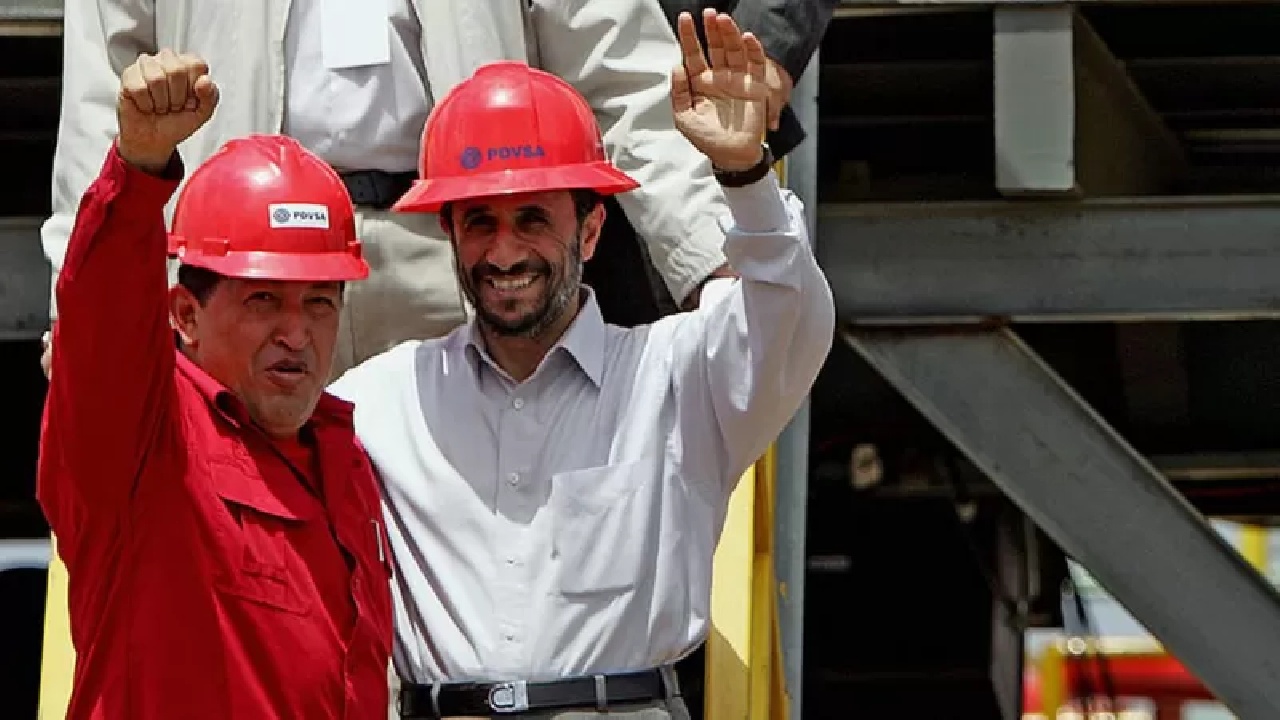
Venezuela sidesteps U.S. sanctions and allies with Iran. After its neighboring country’s crude oil production faced a historic setback over the last two years, reaching typical mid-20th-century levels, there has been a recovery in recent months, bringing it back to about 824,000 barrels in November, nearly double the 434,000 extracted in the same month of 2020.
See Also
- Tensions Between U.S. and Russia Mount as Moscow ‘Threatens’ to Deploy Missiles and Build Military Bases in Cuba and Venezuela
- China, the World’s Largest Oil Importer, ‘Sidesteps’ U.S. Sanctions and Buys Over 324 Million Barrels from Venezuela and Iran at Low Prices
- Oil Prices Surge, Exceeding US$ 80 After OPEC+ Decides to Increase Production to 400,000 Barrels Per Day in February, and U.S. Cheers
- Venezuela Battles the United States and Colombia to Recover PDVSA Oil Company Titles and Not Lose Its ‘Golden Goose’
- In Desperation, the People of Venezuela Steal Oil to Produce Their Own Gasoline
- Iranian Oil Tanker Loaded with Gasoline Heading to Venezuela ‘Breaks’ American Barrier in the Caribbean Sea
- Venezuela Wants to Sell Niobium to Russia, Raising Alarm in the Brazilian Government
In an interview broadcast on Venezuelan state television on January 1 of this year, President Nicolás Maduro boasted that the country managed to produce one million barrels per day again. “This year we reached one million, the goal for next year is to reach two million,” said Maduro.
In 1998, before Hugo Chávez came to power, Venezuela produced about 3.12 million barrels of crude oil per day, according to OPEC figures.
-
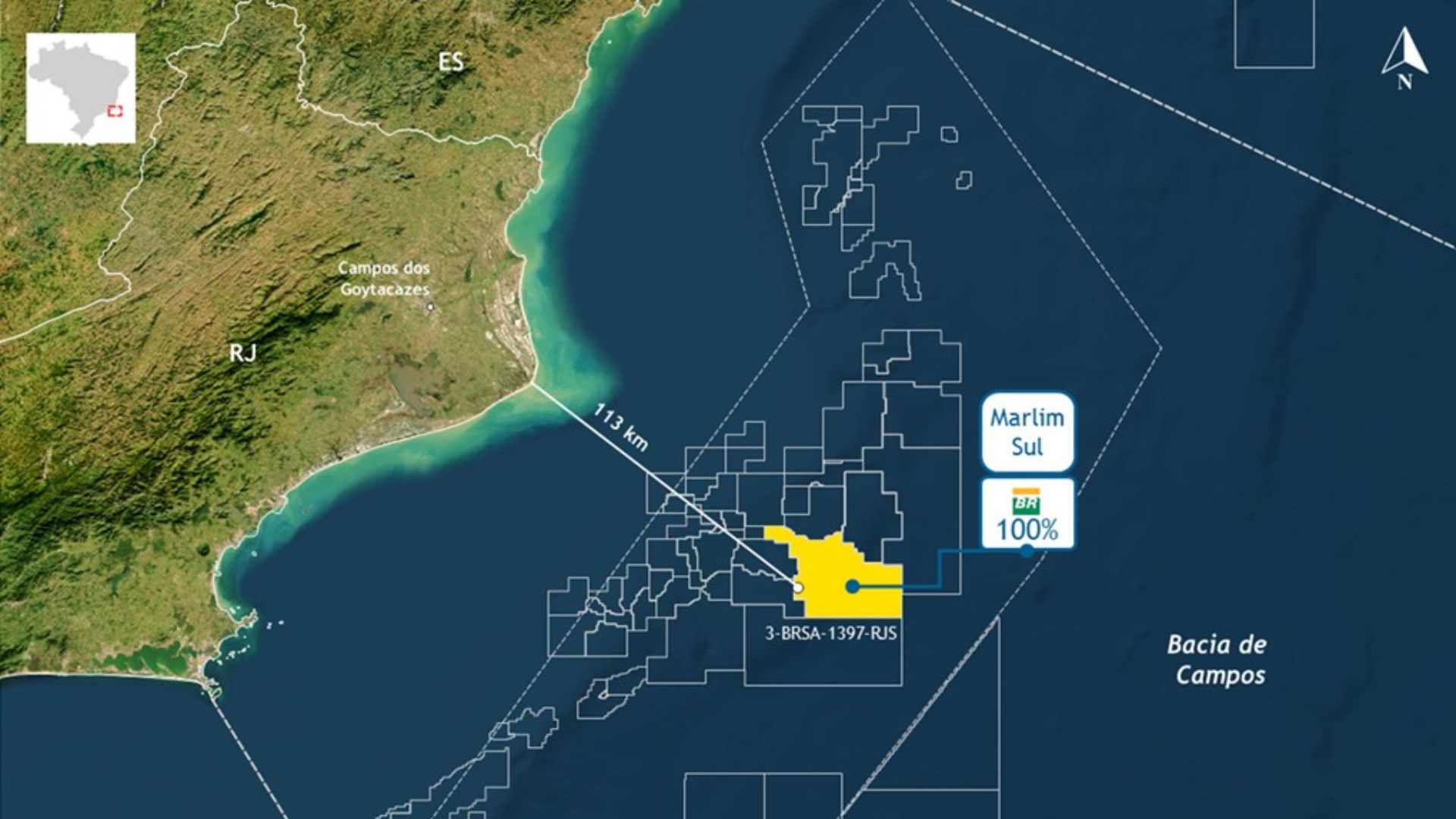
Petrobras finds high-quality oil in the pre-salt at 113 km from RJ and reignites expectations about strategic reserves in the Campos Basin.
-
Ocyan opens registrations for startups focused on innovation in the oil and gas sector and will select projects for Innovation Day with the support of Nexio.

-
Petrobras announces new oil discovery in the pre-salt of the Campos Basin and reinforces Brazil’s prominence with high-quality reserves that can increase production and energy revenues.
-
Alert in the fuel market: Analysts and a former director of ANP warn that oil prices may worsen in the coming months due to global instability.

Although many experts question the number announced by Maduro, they recognize that in 2021 Venezuela managed to recover part of its oil production and point to Iran as a key player in this process.
Diluents Exchange
“What is happening is that Venezuela is importing diluents from Iran – naphtha, condensates, light oils – that are being mixed with heavy Venezuelan crude oil from the Orinoco Belt to increase production,” says José Toro Hardy, an oil economist who was a board member of the Venezuelan state oil company PDVSA.
He explains that the oil from that region of Venezuela is very heavy and loaded with a lot of sulfur, so they need to mix it with these products to create more marketable medium crude oil.
He emphasizes that Venezuela used to produce these diluents in the past, but that is no longer happening because many oil fields are closed and the country’s refineries are working well below capacity.
Toro Hardy indicates that Venezuela, in exchange for these diluents, gives Iran a portion of the production of this medium crude oil. “This is an exchange,” he stresses.
Iran, Like Venezuela, Is Sanctioned by the United States
“Iran, like Venezuela, is sanctioned by the United States, and its oil production has fallen drastically. Probably that oil that is leaving, let’s say, beyond the sanctions that both Venezuela and Iran have, is being done on unrecognized tankers, which even turn off their devices so they are not located by satellite. This is oil that Iran can commercialize as soon as it has it in its possession,” he adds.
Tehran has also been helping Venezuela by sending gasoline to supply the internal market of the Latin American country, where the production of this derivative has declined due to problems at the refinery.
Francisco Monaldi, director of the Latin American Energy Program at the Baker Institute of Rice University (Texas, USA), stated that Venezuelan crude oil production is returning to levels recorded in early 2020, before the Russian oil company Rosneft withdrew from Venezuela and prices plummeted due to the impact of the coronavirus pandemic.
“PDVSA has managed, with Iran’s help, to create a sanctions evasion structure replacing Rosneft. Furthermore, Iran has started to provide the diluents that the Russians previously brought. All of this requires high prices to pay intermediaries and cover transportation costs,” Monaldi said in a tweet.
The expert added that the collapse of production in 2020 was not the result of a reduction in production capacity, but due to difficulties in selling crude oil at such low prices and avoiding sanctions.
There Are Numerous Closed Oil Wells in Venezuela Due to Theft of Engines or Other Equipment
Many oil analysts, including Toro Hardy and Monaldi, agree in questioning the production value of millions of barrels announced by Maduro and foresee limitations in its growth in the future.
“This seems unlikely because, in August, the government itself said we were at 600,000 barrels,” says Toro Hardy in reference to the million barrels.
The expert assures that when Venezuela managed to further increase its oil production in its history, it was in 1998, when it was immersed in the ambitious oil opening project – aimed at increasing production through partnerships with private capital. That year, it increased 190,000 barrels per day.
“The government’s announcement would imply that in four months production increased by 400,000 barrels per day. And that seems unlikely,” he reiterates.
He also highlights that currently there are no active drilling sites in Venezuela, indicating that the country is not drilling new wells. He explains, of course, that PDVSA may be able to increase production by repairing existing wells.
“There are a large number of closed oil wells in Venezuela because engines or other equipment have been stolen, and that is why they are closed. Repairing them could achieve an increase in production in more or less economic terms, but it would still be difficult to reach the 400,000 barrels per day announced,” says Toro Hardy.
Venezuela Has Vast Oil Reserves Underground, but Exploring Them Requires Large Investments, and Maduro’s Plans to Increase Production to 2 Million Barrels Per Day by 2022 Seem Challenging
Monaldi, for his part, warned that the increases that can be achieved in pumping crude oil with current production capacity are limited.
Toro Hardy agrees that under current conditions, Venezuelan oil production has limited growth margin.
“Venezuela has vast oil reserves underground, but exploring them requires large investments. It is estimated that, between investments and expenses, recovering production levels from 20 years ago would require about US$ 25 billion per year over the next 8 to 10 years,” he says.
“It is very difficult for these amounts to come today from investments made by Iran, Russia or China, because in Venezuela there is a huge lack of legal security that also affects them,” he adds.
Thus, at least according to these calculations, Maduro’s plans to increase production to 2 million barrels per day by 2022 appear to be a steep uphill battle.






Seja o primeiro a reagir!