Portuguese
  Spanish


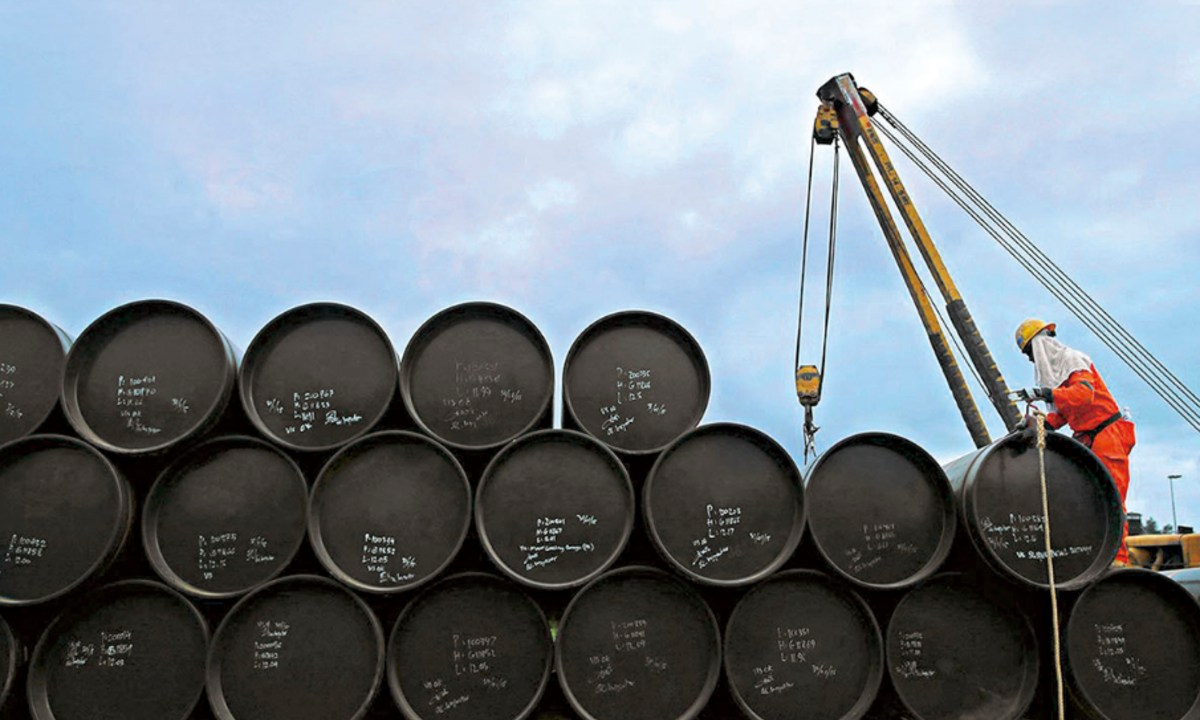

US Celebrates OPEC+ Decision to Continue Increasing Oil Production and Add 400,000 Barrels Per Day (bpd) in February
The price of oil soared on Tuesday (11/04) to $80 per barrel, its highest level since November. The spike occurred after OPEC+ agreed to maintain the planned production increase for February based on indications that the Omicron coronavirus variant would have only a mild impact on demand.
Read Also
- China Overtakes US and Will Be the Only Country to Own Its Own Space Station; To Take Leadership in Space Exploration, the Chinese Government Will Build a Base in the Moon’s South Pole with Russia
- China, Set to Have the World’s Largest GDP in 2030, Changes Nearly 30-Year Rule and Lets Foreign Automakers in the Country to Produce 30 Million Vehicles by 2025; Decision Will Impact the Entire Global Automotive Industry
- Billionaire Christmas Gift: Petrobras, Which Decided to Focus on Pre-Salt Oil Fields, Sells Eleven Onshore Fields in Sergipe for Over R$ 6 Billion to Grupo Cobra
- Going Against the Grain, Abu Dhabi Prince’s Mubadala Fund, Which Bought Petrobras’ Mataripe Refinery (RLAM), Confronts the State Company’s Price Movements and Will Not Reduce Gasoline Prices
Brent rose $1.02, or 1.3%, to $80 per barrel, almost back to the level it was at on November 26, when reports of the new variant first emerged, triggering a drop of over 10% in prices that day.
Meanwhile, the price of oil in the US (WTI) rose $0.91, or 1.2%, to $76.99.
-
Brazil’s ANP Opens 86 New Oil Blocks in the Equatorial Margin, Expanding the Amazon River Mouth Frontier

-
OPEC+ Boosts Oil Supply by 188,000 Barrels per Day in July 2026, Leading to Price Drop from $112 to $89 per Barrel in Under Two Months

-
TotalEnergies Signs 20-Year Deal to Purchase 2 Million Tons of LNG from Alaska, Boosting Project Viability
-
Turkey Deploys Çağrı Bey Drilling Ship to Explore New Oil Frontier Off Somalia’s Coast



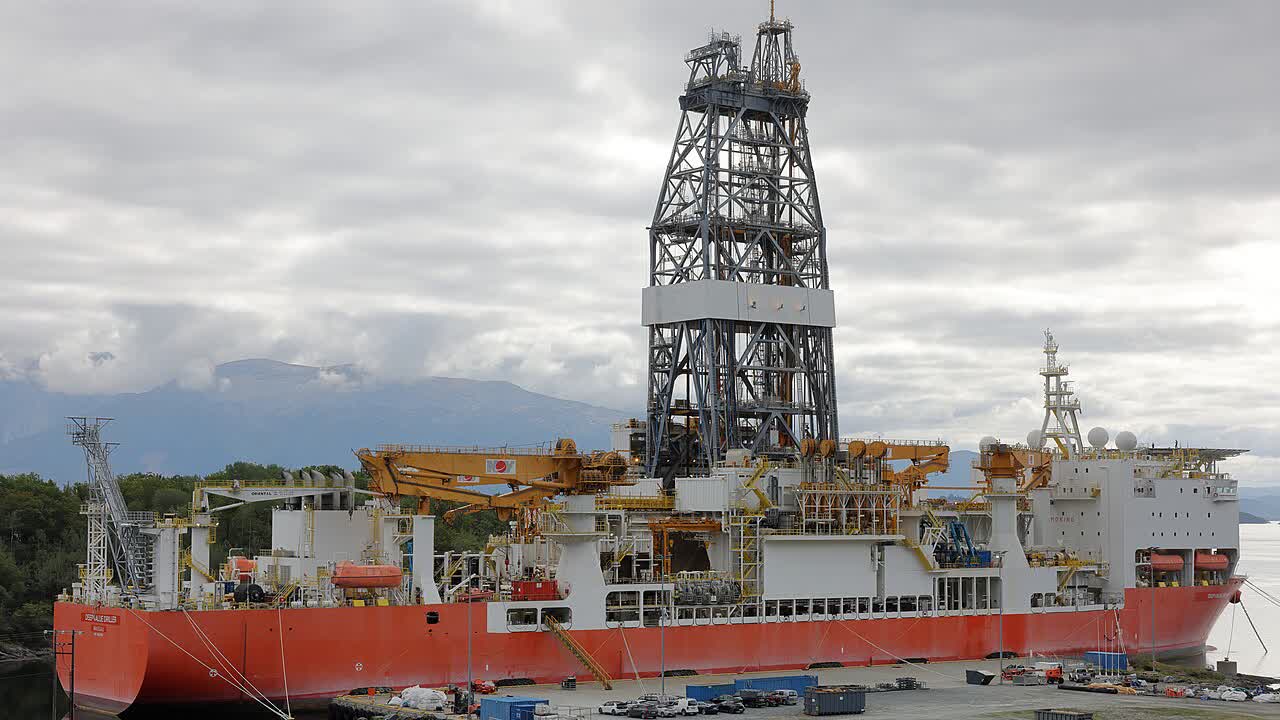
White House Welcomes OPEC+ Decision to Continue Increasing Oil Production and Add 400,000 Barrels Per Day (bpd) in February
According to Rystad Energy’s head of oil markets, Bjornar Tonhaugen, “the oil market is up today as a result of the optimism stemming from the monthly OPEC+ meeting, which is helping oil prices to rise,” he said.
Four OPEC+ sources told Reuters that the group agreed, in its meeting on Tuesday (4), to add 400,000 barrels per day (bpd) to production in February, because it expects the Omicron variant to have a short-lived impact on demand.
Its decision reflects a relief from concerns about a significant surplus in the first quarter, as well as the desire to provide consistent guidance to the market.
The White House welcomed OPEC+’s decision to continue increasing production, which will help facilitate economic recovery, a spokesperson said.
“It seems that the market is betting that Omicron is the beginning of the end of COVID-19,” said Scott Shelton, energy specialist at United ICAP.