





 Portuguese
  English
  Spanish
  4 min of reading


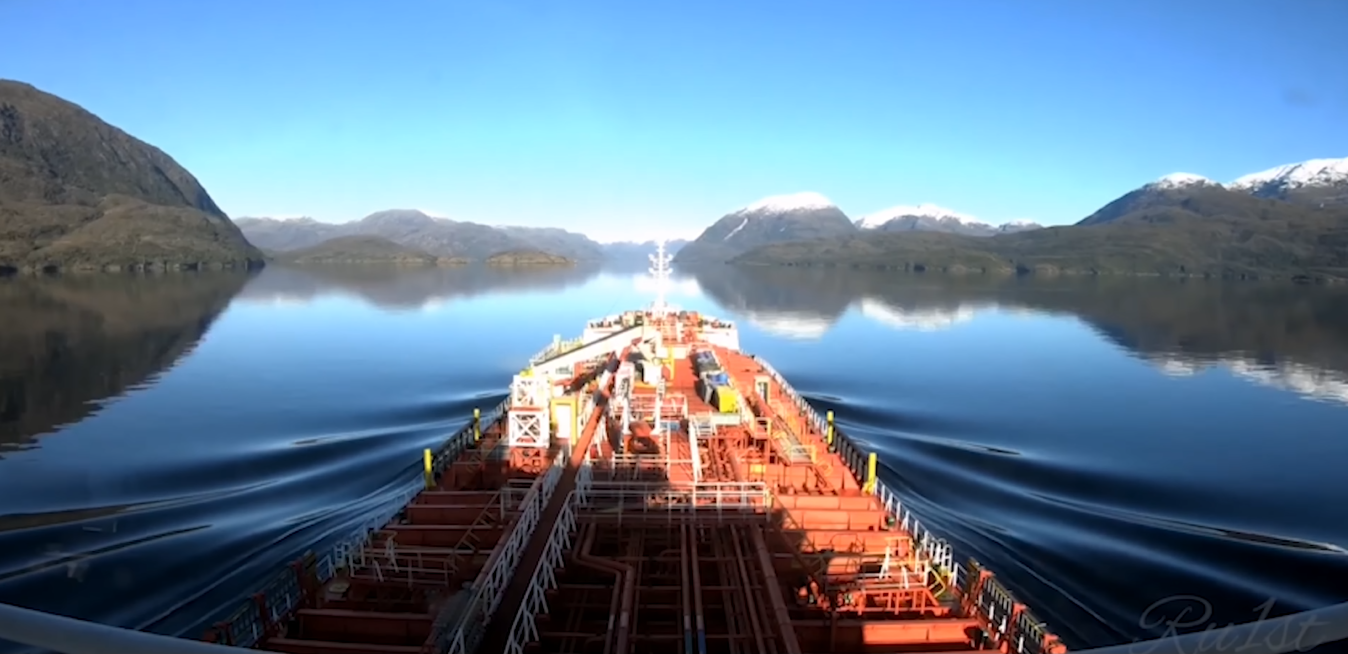
The Route, Formed by the Most Dangerous Waters in the World, Is Labyrinthine, with Hostile Climate, Filled with Islands and Very Low Temperatures
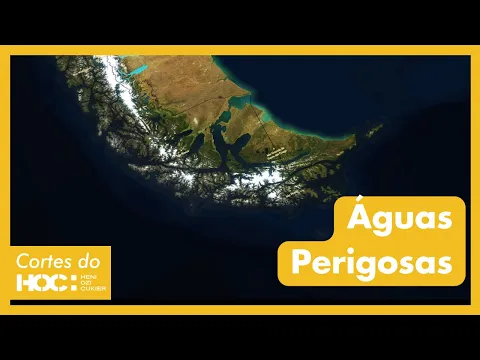
The Strait of Magellan, located in the southernmost part of Chile, here in South America, is named after a bold Portuguese navigator who was determined to find a shorter route to reach Indonesia. The eastern country was a rich source of spices, and Portugal wanted to have total control over the traffic. Ferdinand Magellan battled against natural elements and public opinion to discover the path that would allow crossing from the Atlantic to the Pacific more quickly and thus boost the economy of the time.
Magellan believed that to the south of South America there was a possible passage to reach the Pacific Ocean. So, on September 20, 1519, he set off in five ships with 250 men from the port of Sanlúcar de Barrameda, Spain, heading towards the Atlantic.
The crew faced strong storms, deadly diseases, hallucinations, episodes of violence, and resignations. Until in November 1520, he found the path that would be named the Strait of Magellan in the southernmost part of Chile’s maritime zone, although the Portuguese captain himself was not one of the 18 survivors of the complicated expedition that only returned to Europe three years after departure.
-
With 74% of companies facing difficulties in hiring, technicians and engineers in renewable energy are becoming scarce in Brazil and are essential to support the expansion of solar, wind, and green hydrogen projects.

-
Europe is trying to create an ammonia-powered marine engine without auxiliary fuel, which could unlock the race for giant emission-free ships. The technology aims to eliminate one of the biggest obstacles to clean maritime propulsion.
-
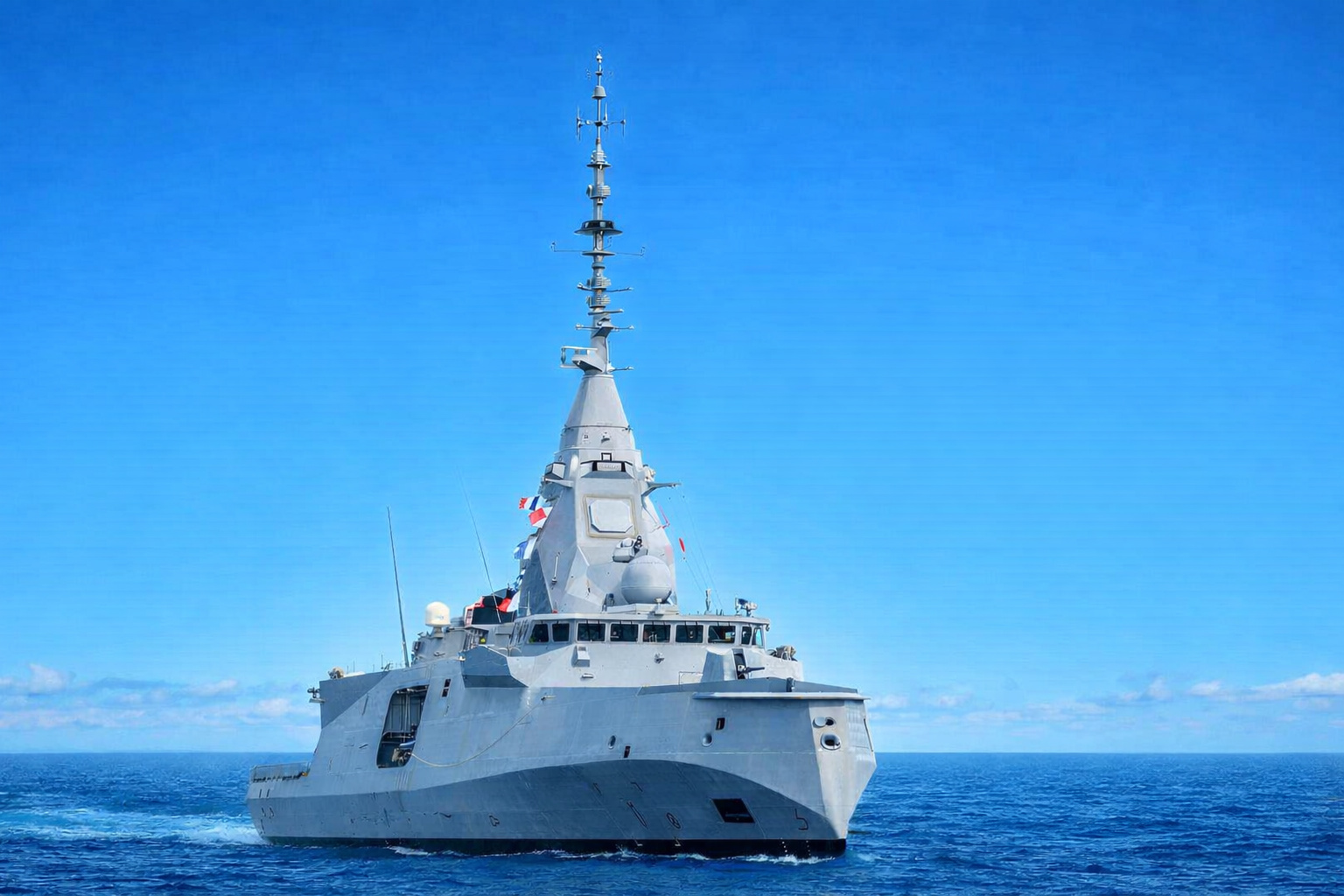
A 4,500-ton frigate with just over 100 crew members, state-of-the-art radar, and cruise missiles is being touted as the new standard of naval warfare in the 21st century.
-
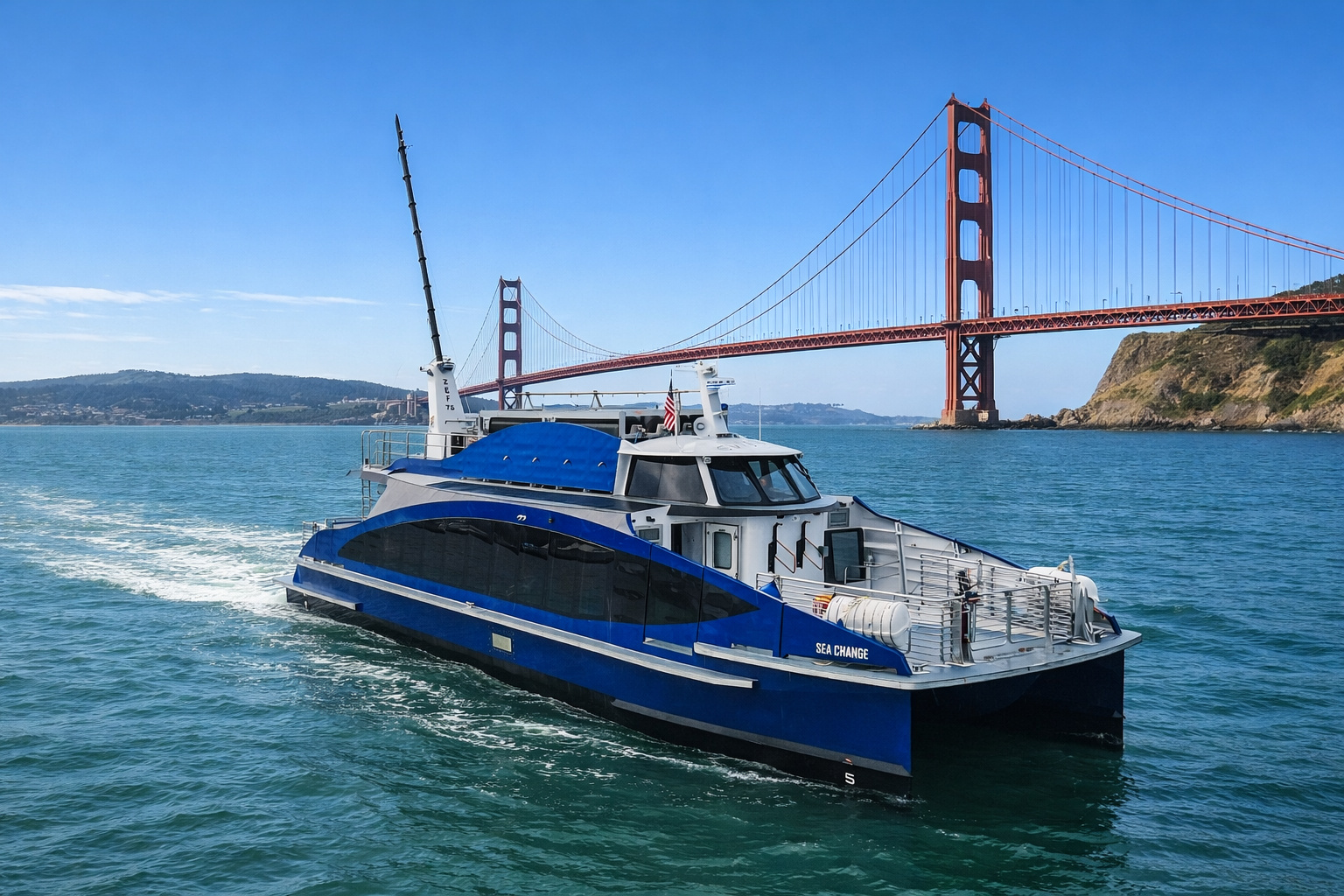
The first commercial hydrogen-powered ferry enters operation in the U.S., eliminates the use of diesel, uses fuel cells to generate clean energy on board, and transforms San Francisco Bay into a landmark of the new era of emission-free navigation.

The fact is that from the discovery of the maritime route linking the Atlantic and Pacific oceans, the course of human history changed. The discovery and baptism of the Strait of Magellan completed 500 years in 2020. A milestone in human history, as it allowed the addition of 60% of the planet known until then, confirming that the world is spherical and that there is only one sea. Moreover, a new way of thinking about trade, economy, and geopolitics emerged. The concept of a global route was born.

Port in the Strait of Magellan Has Strength in the Tourism Sector
The Strait of Magellan has a choppy sea, hostile climate, and is filled with islands, making the path labyrinthine. It is approximately 570 Km (310 nautical miles) long and 2 Km (1.1 nautical miles) wide at its “narrowest” point. The main port in the region is located in Punta Arenas, the capital of the Chilean province of Magellan, about 1,420 km from Antarctica and 3,100 km from Santiago, the capital of Chile.
The city of Punta Arenas is one of the main hubs for tourists who aim to visit Patagonia, especially the Torres del Paine National Park. The municipality competes for the title of the southernmost city on the planet.
Before the opening of the Panama Canal in 1914, the Port of Punta Arenas was the main stop on the shipping route between the Pacific and Atlantic oceans. To this day, the primary economic activity of the city is linked to port activities.
From the port of Punta Arenas, the main cruises to Antarctica depart, due to its location on the map. One of the main attractions of the city is the Naval and Maritime Museum, which contains various equipment and historical cutouts from the navy.
Despite the Dangers, the Strait of Magellan Is One of the Main Routes for Ships Leaving Brazil for China
Brazil and China are trading partners. Among the routes linking our continent to Asia is precisely the Strait of Magellan. It spans 21,989 kilometers, taking 49 days and 11 hours of travel. The distance and route are very long.
For this reason, there is a proposal for the Multipurpose Bioceanic Corridor of Capricorn that will connect the port of Paranaguá in Paraná with Antofagasta in Chile, in a multimodal integration involving Brazil, Paraguay, Argentina, and Chile.
The main benefits of the route would be to reduce the maritime cargo journey from South America to the Asian and African continents by over 3,300 kilometers, thus lowering logistics costs by around 30%.
The project is the result of an alliance of public and private actors from the four countries. On May 11, the Multipurpose Bioceanic Corridor of Capricorn was presented at the International Forum on Sustainable Multimodal Logistics (Films). This is a major bet to boost the economy in South America.








-

Uma pessoa reagiu a isso.