





 English
  Francês
  Alemão
  Italiano
  Japonês
  Norueguês
  Portuguese
  Spanish
  4 min of reading


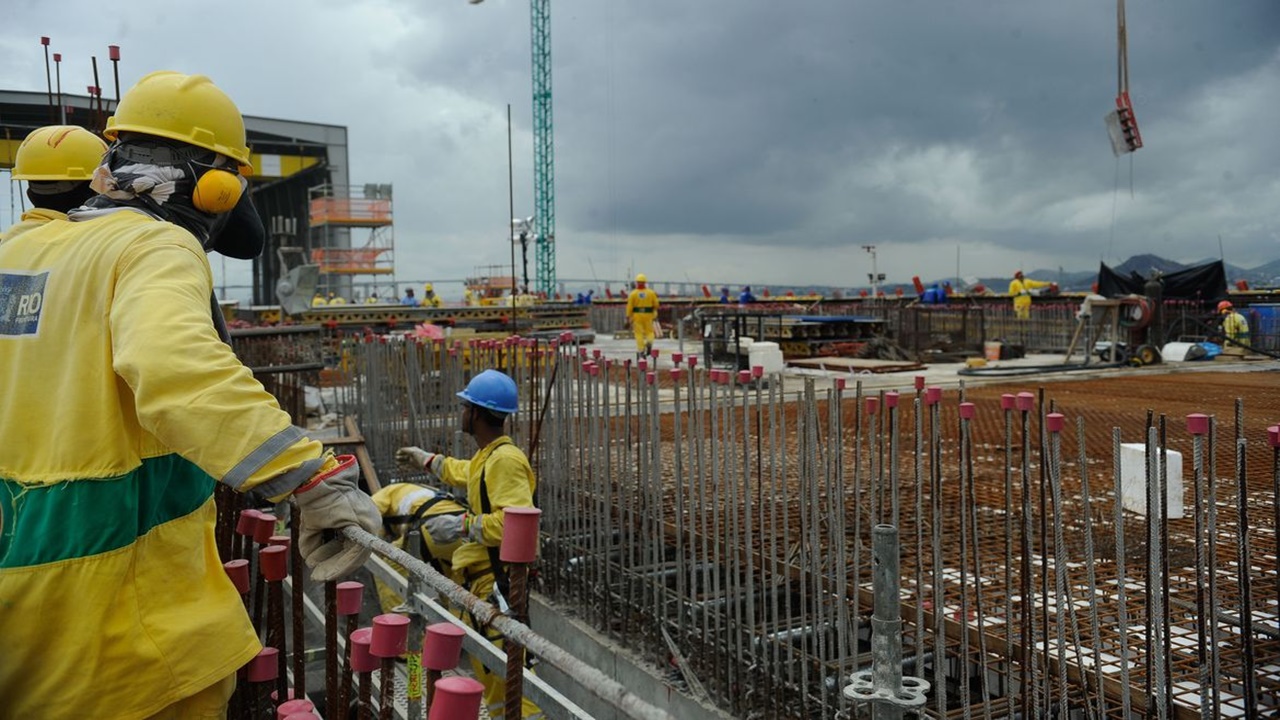
According to Air Products, a Multinational in the Gas Sector, the Application of Oxygen in the Cement Industry and Nitrogen for Concrete Cooling Represents Financial and Environmental Gains
The application of oxygen in the production process in the cement industry and the use of nitrogen for safety reasons in concrete cooling is one of the most sought after by the construction sector in Brazil, which experienced the largest growth in eight years according to data from the Brazilian Chamber of Construction Industry (Cbic). Another piece of data from the Brazilian Association of Construction Material (Abramat) indicates that the 22 segments that make up the sector experienced real expansion of over 24% in the last semester. The growth projection for the sector was revised by the Getúlio Vargas Foundation (FGV) and increased from 4% to 8%.
See Also
- Bank of Capacitors Saves Industries in Reducing Energy Consumption by Combating Waste, Easing Heavy Fines
- Ethanol and Gasoline Prices Register the Lowest Increase in the Southeast Region, Providing Relief to App Drivers, Taxi Drivers, and Workers
- New Technology Has Come to Revolutionize the World in Civil Construction by Eliminating Concrete Waste, Bricks, Grout, and Derivatives without Harming the Environment
- Schneider Electric’s Energy Access Program Will Empower Over 1 Million Economically and Socially Vulnerable People in the Energy Sector Worldwide
- Brazil Gains the First and Largest Graphene Production Plant in South America, Capable of Producing Up to 5000 Kg per Year, Which Together with Niobium Will Revolutionize Humanity’s Future
Cement – The Fundamental Material for Civil Construction
Thus, there is good news for the cement segment, a fundamental material for civil construction, whose production, in turn, is linked to the industrial gas industry, which provides oxygen and nitrogen to ensure that the entire production process is safe and sustainable.
The application of oxygen by the cement industry occurs at the initial stage. The raw material, composed of limestone, clay, and other materials, is slowly mixed at high temperatures (around 1450 ºC), and for this, large rotary kilns with burners and pre-calcination chambers are used, burning fuels in the presence of air, which is mainly composed of nitrogen and only 21% oxygen, the oxidizing element.
-
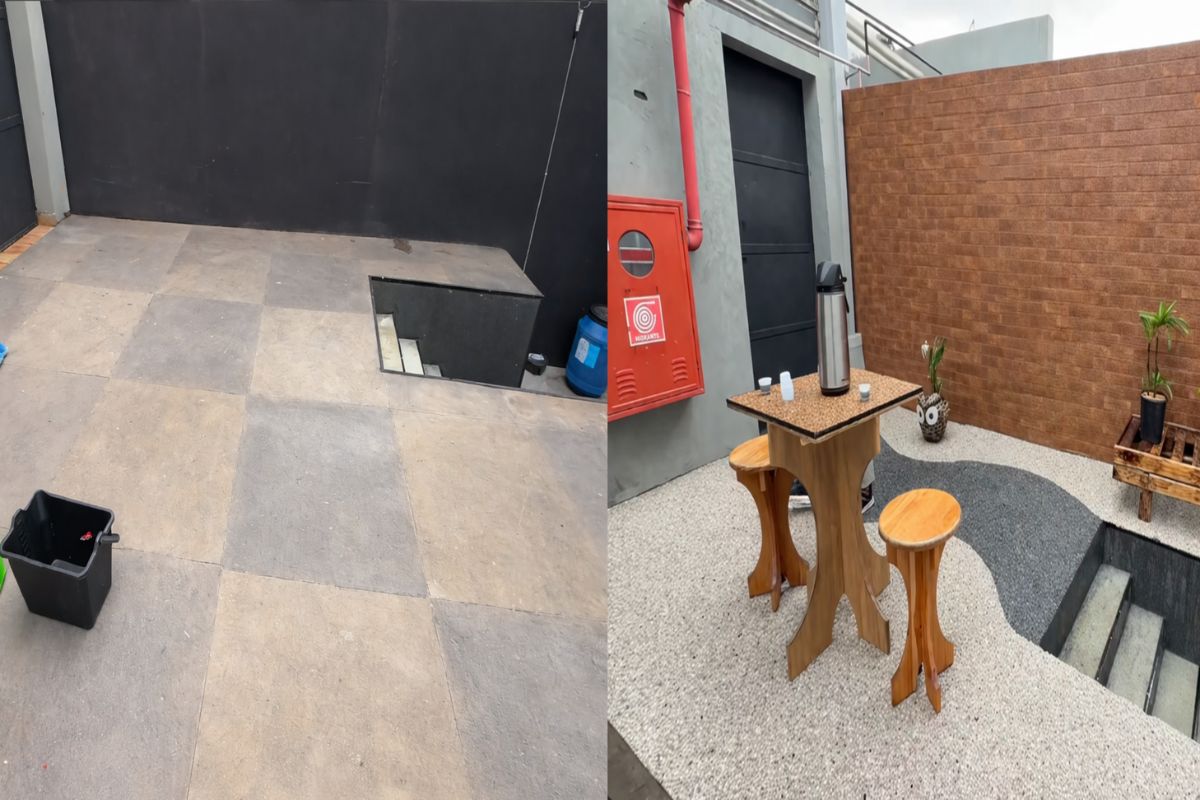
In just three hours, a natural stone floor transforms the entrance of the house with an organic effect, immediate drainage, and a sophisticated non-slip finish that doesn’t puddle water, dries quickly, and impresses with the final result.
-
‘Interlocking brick’ made of earth arrives in the construction industry with cost reductions of up to 40% on the project.

-
Espírito Santo will receive the largest engineering project in its history with the duplication of BR 262, which will have 50 viaducts, 28 bridges, and 2-kilometer tunnels cutting through the most challenging mountainous region of the entire state.

-
A project of nearly 9 million reais already has the first kilometer paved in Santa Catarina and promises to completely transform the access between Jaraguá do Sul and Rio dos Cedros in an area where tourism is growing at a rapid pace.

The secret to the increased productivity of this process is, therefore, the addition of pure oxygen to the combustion air, an element that raises the temperature of the combustion flame and also enables the burning of larger amounts of alternative fuels, such as tires and blends, in place of coke (mineral coal), generating cost reductions for fuels.
“When we increase the concentration of oxygen in the combustion processes, the flame temperature rises, which generates more heat, allowing for increased production. The increase in the % of oxygen in the combustion air also allows for the burning of greater amounts of low calorific value fuels, such as waste discarded by other companies, that would end up in landfills. By using enriched air, it is possible to achieve increases of over 100% in the amount of alternative fuels burned, in place of coke, a non-renewable fuel, making the operation more beneficial to the environment,” explains Fábio Mimessi, Application Specialist Engineer at Air Products Brazil.
Nitrogen Is Used to Maintain Safety and Quick Cooling of Concrete
Another gas widely used in cement production, for safety reasons, is nitrogen, directly applied in the silos where the coke is stored. “Because it is a combustible product that generates a large amount of particulates (coal dust), coal silos are explosive atmospheres, with high risks of fires and explosions,” explains Mimessi.
Thus, the inerting or blanketing process of coal silos applied by Air Products consists of replacing the air in the silo, which creates an explosive atmosphere due to the presence of oxygen, with an atmosphere of gaseous nitrogen, an inert gas that does not react or enable combustion.
In addition to maintaining safety, nitrogen is used for the rapid cooling of concrete in medium and large-scale construction, which may require the concrete to reach temperatures between 15 ºC and 25 ºC to avoid cracks and fissures in the production of blocks. The cooling is done through the injection of liquid nitrogen at a temperature of -96º Celsius, into the concrete mixer truck or the feeding conveyor that goes from the silo to the truck.
“Due to its very low temperature, liquid nitrogen cools the concrete much faster, reducing the concrete preparation time by over 50% and generating savings for the contractor. In locations with ambient temperatures above 30º to 32º C, the gain is even more noticeable, as it is very difficult or almost impossible to achieve adequate cooling with ice or cold water, due to the limitations of these products in terms of cooling capacity. In these cases, the use of liquid nitrogen is the only way to achieve low temperatures in the concrete, quickly and in an economically viable manner,” concludes Mimessi.










Seja o primeiro a reagir!