





 Portuguese
  English
  Spanish
  4 min of reading
  0 comments


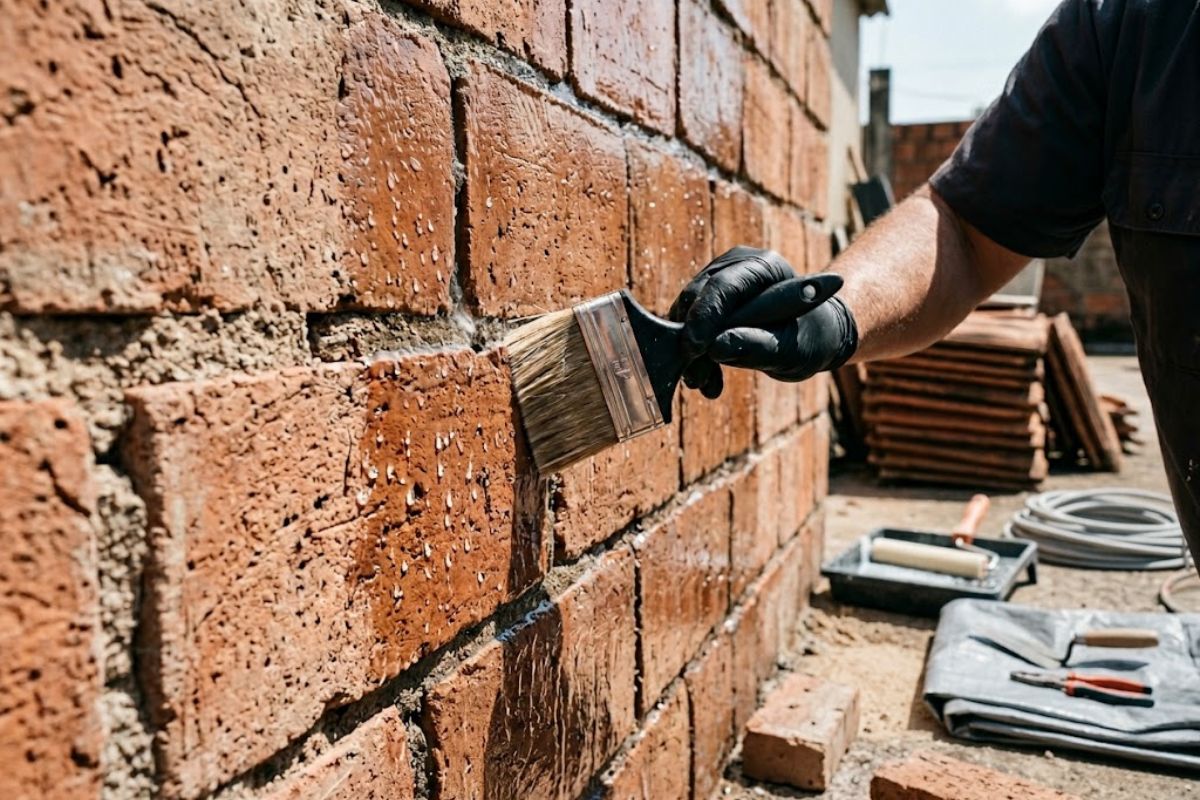
Applying Water-Based Acrylic Resin with a Brush on Bricks, Tiles, or Floors Can Form a Protective Film After Two Coats. The Result is a Surface That Hinders Infiltration, Keeps Water on the Outside of the Material, and Can Also Facilitate Cleaning of Areas Exposed to Moisture.
The water-based acrylic resin is a product used in different stages of construction and finishing. When applied directly to porous materials such as bricks, clay tiles, fiber cement tiles, or concrete floors, it forms a superficial layer that alters the way these materials absorb water.
Unprotected construction materials tend to be highly absorbent. Exposed bricks, for example, act like small sponges, allowing water to penetrate their pores. This can encourage infiltrations, moisture stains, and even dirt accumulation over time.
When the resin is applied, a thin film forms over the surface. This film reduces the absorption capacity of the material, making water stay on the outside and run off instead of penetrating.
-
New CCR concrete paving technology promises roads up to 3x more durable, less maintenance, and cost reduction in Brazil.

-
Made from recycled plastic, plastic wood is gaining space in the construction industry because it does not rot, resists moisture, and reduces maintenance costs over the years.

-
Florianópolis will receive a million-dollar BRT that will begin construction in 2026 with nearly 400 million in funding from the federal government and the Inter-American Development Bank, and the map already shows the routes for the exclusive bus corridors.

-
Without a blueprint, without an engineer, and using scrap from the dump, a father spends 15 years building an 18-room castle for his daughter, featuring tram tracks, 13 fireplaces, and over 700 m², which may now be demolished.

How the Application of Water-Based Acrylic Resin is Done
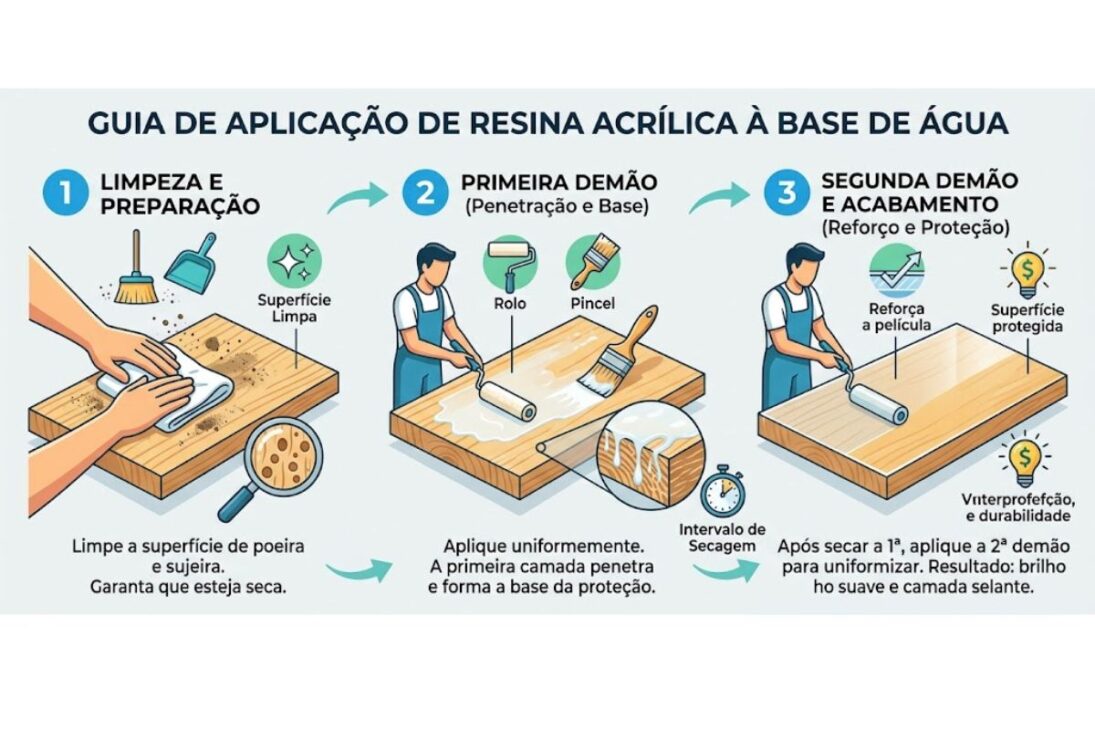
The application process of water-based acrylic resin is usually simple and can be done with basic tools such as a brush or roller. The liquid is spread directly over the clean surface, ensuring that all visible pores are covered.
Usually, two coats of the product are applied, with a drying interval between them. The first layer partially penetrates the material and starts to form the base of the protection. After it dries, the second coat reinforces the film and evens out the coverage.
The final result is usually a slightly semi-gloss surface, depending on the type of resin used. This finish is not only aesthetic: it indicates that the material is protected by a sealing layer.
The Effect of the Resin: Why Water Stops Infiltrating
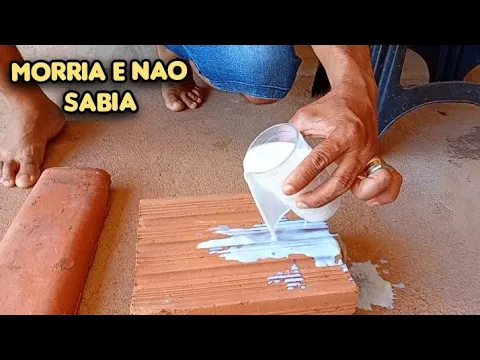
After the complete drying of the water-based acrylic resin, the behavior of water on the material visibly changes. Instead of being immediately absorbed, it tends to remain on the surface, forming small droplets.
This effect occurs because the resin reduces the direct exposure of the material’s pores. Water encounters a superficial barrier, hindering its penetration into the interior of the brick, tile, or floor.
When comparing a treated area with one without protection, the difference is usually noticeable. While the surface without resin absorbs water quickly, the protected area keeps the liquid visible for longer, indicating lower infiltration.
Use on Floors, Roofs, and Exposed Walls
The application of water-based acrylic resin is not limited to brick walls. The same principle can be applied to other surfaces common in residential buildings.
On roofs, for example, the resin can be applied to clay or fiber cement tiles to reduce rainwater absorption. This protective layer helps preserve the material and decrease moisture retention.
On floors, the protection can also bring another practical effect. Since water and dirt have more difficulty penetrating, cleaning tends to become simpler, as dust does not adhere as easily to the surface.
A Simple Solution That Depends on Correct Application

Despite the ease of use, the performance of the water-based acrylic resin directly depends on how it is applied. Dirty surfaces, dust, or cement residue can prevent the product from forming the proper protective film.
Therefore, preparing the area is an important step. The surface must be clean and dry before application, allowing the resin to properly adhere to the pores of the material.
Additionally, respecting the drying time between coats helps ensure uniform coverage. When applied correctly, the resin can act as a surface sealant that improves moisture resistance.
The application of water-based acrylic resin on bricks, tiles, or floors shows how a simple procedure can alter the behavior of water on porous materials. With two coats and adequate drying time, the surface starts to repel moisture and can become easier to clean.
The result is not a complete structural waterproofing, but rather a protective layer that reduces water absorption and helps preserve the material.
Now here’s a question: have you ever tested any method to reduce infiltration in bricks, floors, or roofs in your home? Did it work as expected or have different results? Share your experience—real reports help others understand what really works in practice.









-

-

-

-

10 pessoas reagiram a isso.