





 English
  Francês
  Alemão
  Italiano
  Japonês
  Norueguês
  Portuguese
  Spanish
 6 min of reading


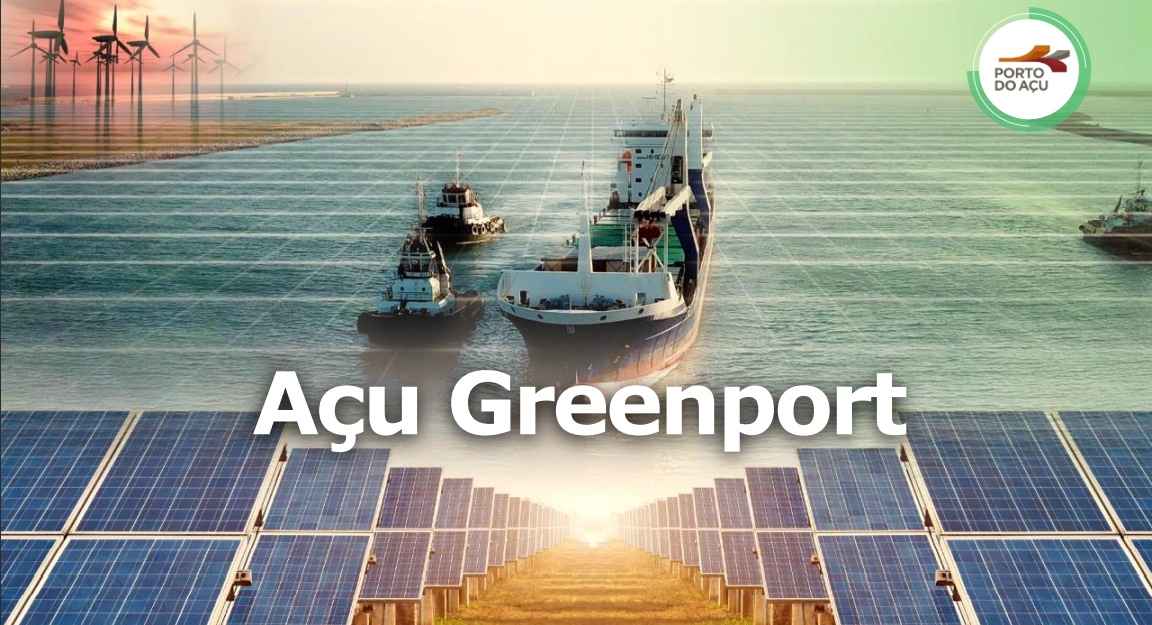
In Addition to Offshore Wind Energy Production, Porto do Açu Plans a Green Hydrogen Plant and Another Ammonia Plant
Porto do Açu, located in São João da Barra, in the state of Rio de Janeiro, has started the environmental licensing of offshore wind farms with an installed capacity of 2,160 MW and intends to attract one or more partners to develop the four Ventos do Açu parks. According to information, the initial data has already been submitted to Ibama.
Read Also
- Construction of the Navy’s Frigates at the Shipyard in SC Attracts Foreign Interest and Promises to Generate Over 8,000 Direct and Indirect Jobs at the Height of the Works
- Motorola Announces 45 Job Openings at Different Levels in São Paulo
- Multinational Halliburton Started Recruitment and Selection Yesterday (09/08) in Bahia, Macaé, Rio de Janeiro, and Mossoró for Inexperienced Candidates Seeking Their First Job in Their Internship and Apprentice Program
- Construction Company Andrade Gutierrez Calls for Civil Construction Job Openings for Professionals with Incomplete Elementary, High School, and Higher Education on This Day, August 10
“Just as we were a base for the oil and gas industry, we can be a base for offshore wind and green hydrogen production. Offshore wind generation will be of significant importance for green hydrogen in Brazil,” said Filipe Segantine, manager of Sustainable Business Development at Porto do Açu.
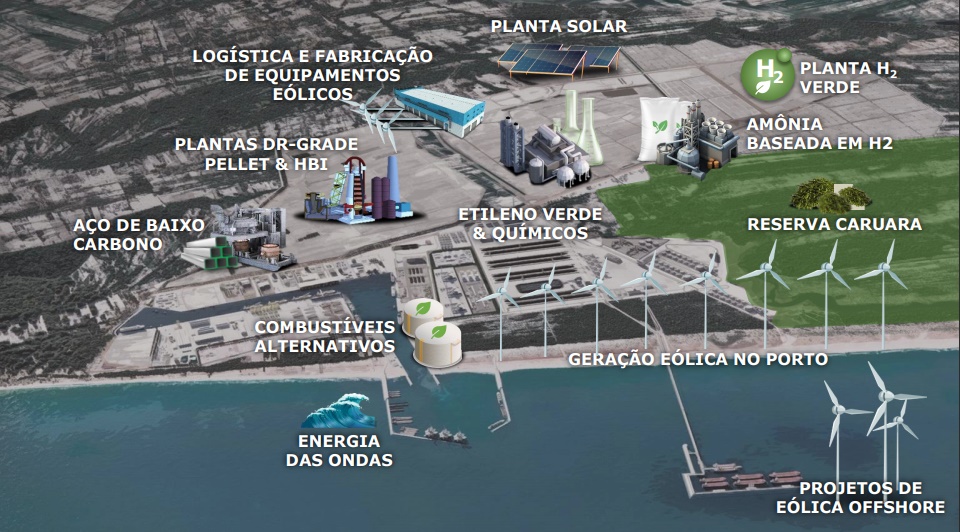
With numerous projects in the energy sector, the investment is directly linked to business development in the area of green hydrogen, which has been energizing Brazilian ports.
-
Historic bankruptcy of Centauro shocks the market, and the century-old company puts more than 500,000 products, machines, and complete infrastructure up for online auction.

-
New shoe factory in Ceará is expected to create 400 jobs and strengthen the local economy.
-
No one imagined it, but a mixture of sawdust with a mineral that fights fires surprises scientists with a result that changes the course of fire-resistant construction.

-
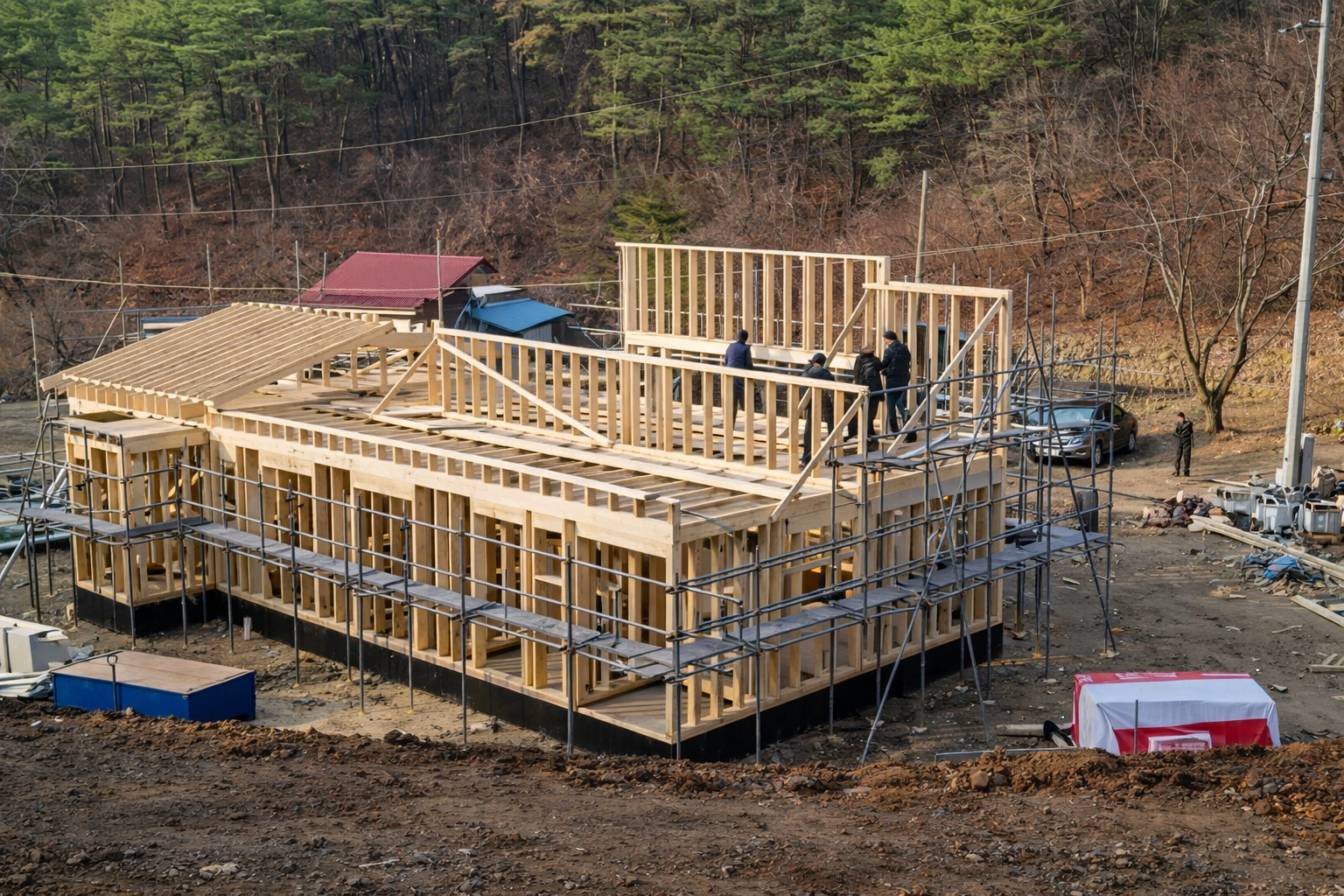
From empty land to a high-end house, wooden construction uses a lightweight system, metal structure for the foundation, ventilated ceramic cladding, and special windows to create an efficient and comfortable living space throughout the year.

“We have all the port logistics infrastructure and knowledge of several licensed offshore projects,” says Mauro Andrade, executive director of Business Development at Prumo, to epbr.
Porto do Açu has already signed an investment memorandum with the Australian miner Fortescue for the installation of a green ammonia plant, based on hydrogen, 100% aimed at export. It also hopes to attract other similar projects.
There are various initiatives in ports from Rio to Ceará, where the state government wants to develop a green hydrogen hub. These projects go hand in hand with the development of offshore wind energy.
Açu Wind Farms 1 to 4 Could Reach Up to 540 MW of Power
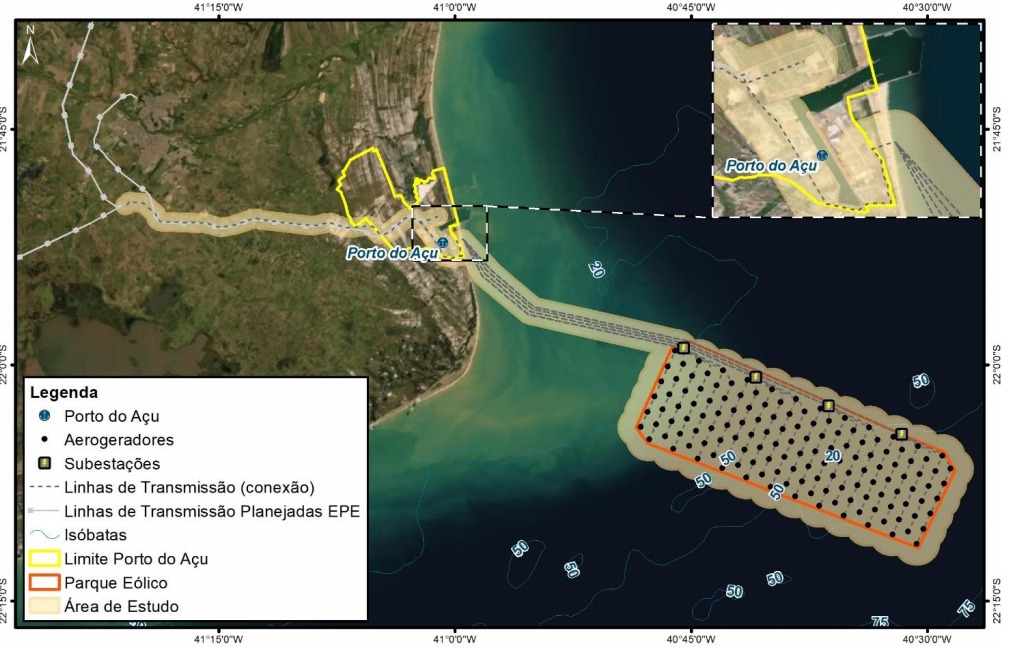
In this current phase, wind turbines of 12 MW to 15 MW are expected to be installed between 20 km to 54 km from the coast of the municipalities of Campos dos Goytacazes and São João da Barra, where Porto do Açu is located.
The 15 MW turbines are being developed by the market specifically with an eye on offshore projects. In general, companies seek to increase the scale of maritime parks, where operational and installation costs are also higher.
The idea is to take advantage of the greater availability of winds, which tend to be stronger and more consistent offshore, increasing the energy availability for commercialization.
In the environmental licensing, the IEA Wind 15-MW reference wind towers developed by the National Renewable Energy Laboratory (NREL), an agency linked to the U.S. Department of Energy, are considered.
It is an open-source project created to assist in the development of the industry.
All the infrastructure will be underwater or installed at Porto do Açu itself, including transmission lines and offshore substations to transport the energy to the National Interconnected System (SIN), via the 500 kV Campos 2 transmission line.
“The land connection point at the limits of Porto do Açu seeks to minimize environmental and social alterations related to this project, in addition to being a facilitating factor for project implementation and maintenance, as the port has existing support infrastructure and space for expansion, as required by the project,” says the project submitted to Ibama.
by – epbr
Porto do Açu Will Receive Investments for the Construction of New Hydrogen Plants
In addition to energy production from ocean waves, Porto do Açu plans a green hydrogen plant and another ammonia plant based on green hydrogen.
Brazil is capable of leading the green hydrogen market with a competitive price due to its potential for clean energy, experts gathered in a webinar promoted today, the 3rd, by the Federation of Industries of the State of Rio de Janeiro (Firjan) assessed.
“By 2025, strategies will be defined, and green hydrogen will enter the global market strongly, changing the entire way energy is negotiated worldwide,” said Ansgar Pinkowski, manager of Innovation and Sustainability at the Brazil-Germany Chamber of Commerce and Industry.
According to him, large consortiums are already being formed in Europe to enter the green hydrogen market, and Germany’s eyes are on Brazil. Other countries, however, are expected to enter this competition, including Paraguay, which, according to Pinkowski, wants to utilize the energy from the Itaipu binational hydroelectric plant that it currently does not use to produce green hydrogen for export.
Paraguay has the right to half of Itaipu’s energy, but since it was not using it, it sold about 40% of its share to Brazil, a model that has been changing and may change completely with the renegotiation of the contract that expires in 2023. Paraguay wants the right to negotiate excess energy with other countries, including for the production of green hydrogen.
Germany announced the goal of achieving decarbonization of its economy by 2050. To do so, according to Pinkowski, it will need to import 90% of the green hydrogen it requires. Morocco is another competitor for Brazilian green hydrogen and intends to build pipelines to transport the input to Germany, giving it an advantage over Brazil’s product, which would incur additional greenhouse gas emissions during transportation to reach the European country.
“There’s no point in generating green hydrogen and putting it on a ship that uses heavy oil to get to Europe. This carbon balance will cost. But there are already studies for ships based on ammonia, for example, green ammonia could be used as fuel for large ships,” said the executive.
Green Hydrogen Market Could Generate Around 40 Billion Euros by 2030
The estimate is that the green hydrogen market could generate around 40 billion euros by 2030. In Brazil, so far, two major projects are being developed, in Ceará and Porto do Açu (RJ), said the technical consultant of the Energy Research Company (EPE), Luciano Oliveira, who does not see barriers to the start of green hydrogen production in the country.
“There is no need for new rules for hydrogen production; we have a regulatory framework to take advantage of this opportunity,” Oliveira highlighted.
For Filipe Segantine, manager of Sustainable Business Development at Porto do Açu, the green hydrogen that will be produced in Brazil could become the most competitive in the world, reaching the price of US$ 0.55 per kilogram, ahead of neighboring Argentina and Chile.
Check the Project Below









Seja o primeiro a reagir!