





 English
  Francês
  Alemão
  Italiano
  Japonês
  Norueguês
  Portuguese
  Spanish
 3 min of reading


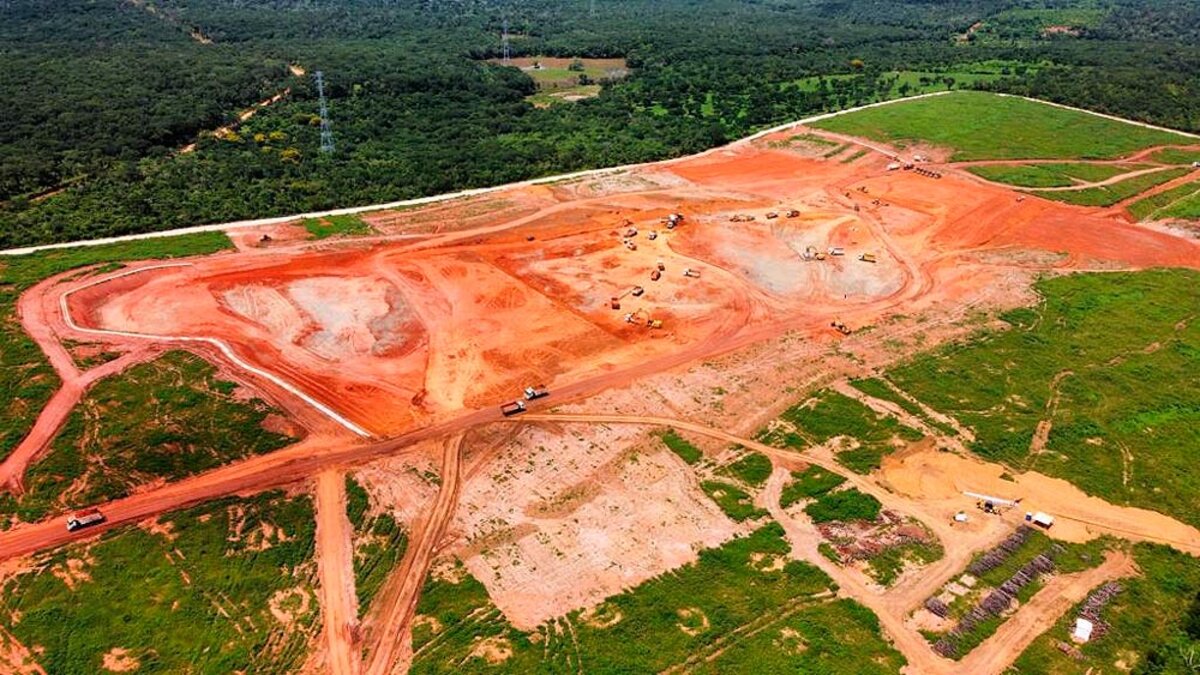
The Ministry of Mines and Energy (MME) has great projections for the Brazilian mining sector in the coming years, as the recently published decree that flexibilizes lithium exportation in the country may help attract billion-dollar investments in Brazil.
After the publication of decree 11,120/2022, made last Wednesday (07/06), which flexibilizes lithium export operations in Brazil, the Ministry of Mines and Energy (MME) projects great results for Brazilian mining in the future. By the end of 2030, the agency expects that the country’s mining will receive a total of R$ 15 billion in investments, boosting the national market.
Flexibilization of Lithium Export Operations in Brazil Will Contribute to Attracting Billion-Dollar Investments by 2030, Says MME
The Federal Government recently published decree 11,120/2022, which allows foreign trade operations of lithium minerals and ores, as well as lithium-based products, metallic lithium, and lithium alloys and derivatives. Thus, export operations of the mineral will become much more flexible, and entrepreneurs from all over the world will turn their eyes to the Brazilian mining market.
Thus, MME is projecting a total of R$ 15 billion in investments by the end of 2030 for the national mining sector, mainly focusing on lithium, as the mineral is in high demand by the automotive industry for battery manufacturing. The search for decarbonization in the transport sector has created the need for new alternatives for vehicle electrification, and lithium batteries are the most viable equipment in terms of quality for supply.
-
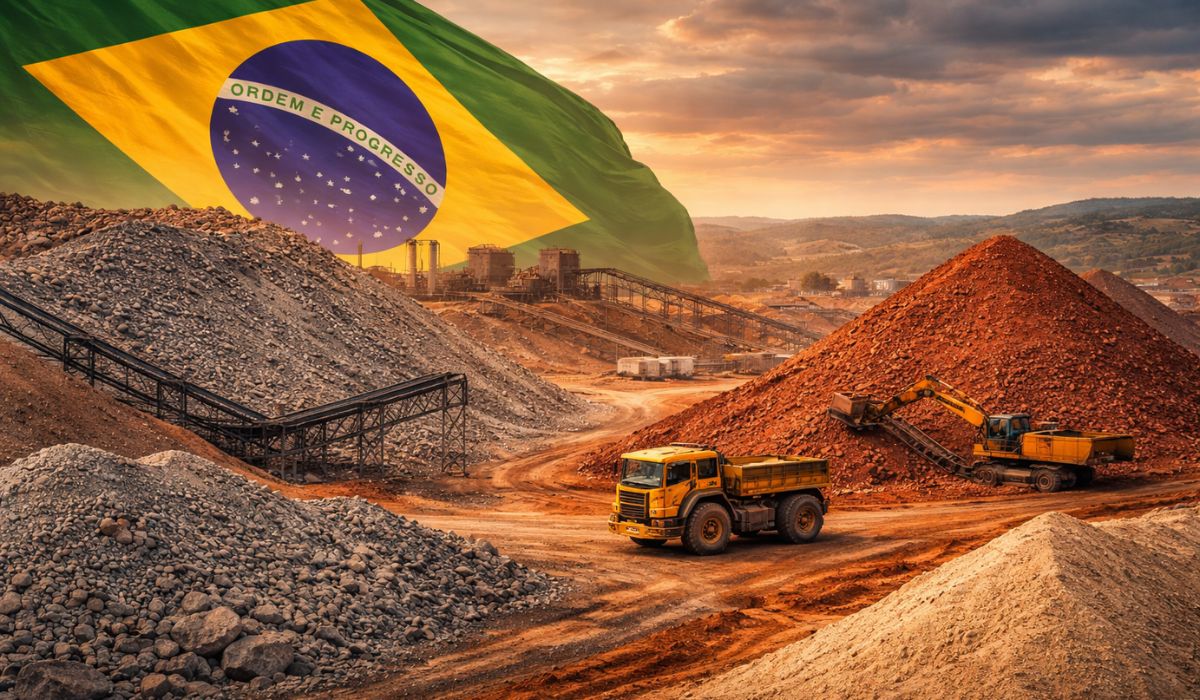
Brazil extracts 26.3 million tons of ore from what was previously treated as waste, transforming residues into wealth, producing over 3 million tons of sand, and demonstrating how national mining is relearning to generate value.
-
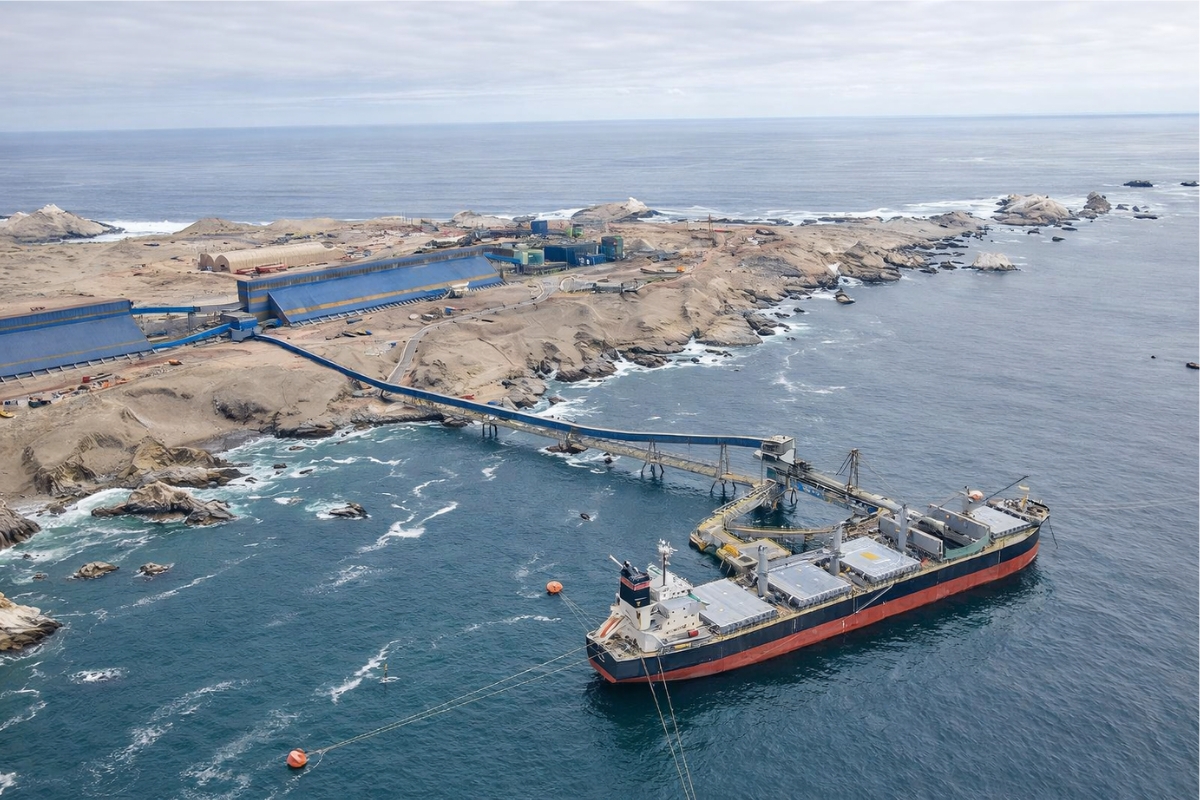
A $3.5 billion megaproject in Latin America pumps desalinated seawater at 1,050 liters per second over 194 km to keep a copper supermine in the Andes operational for another 20 years.
-
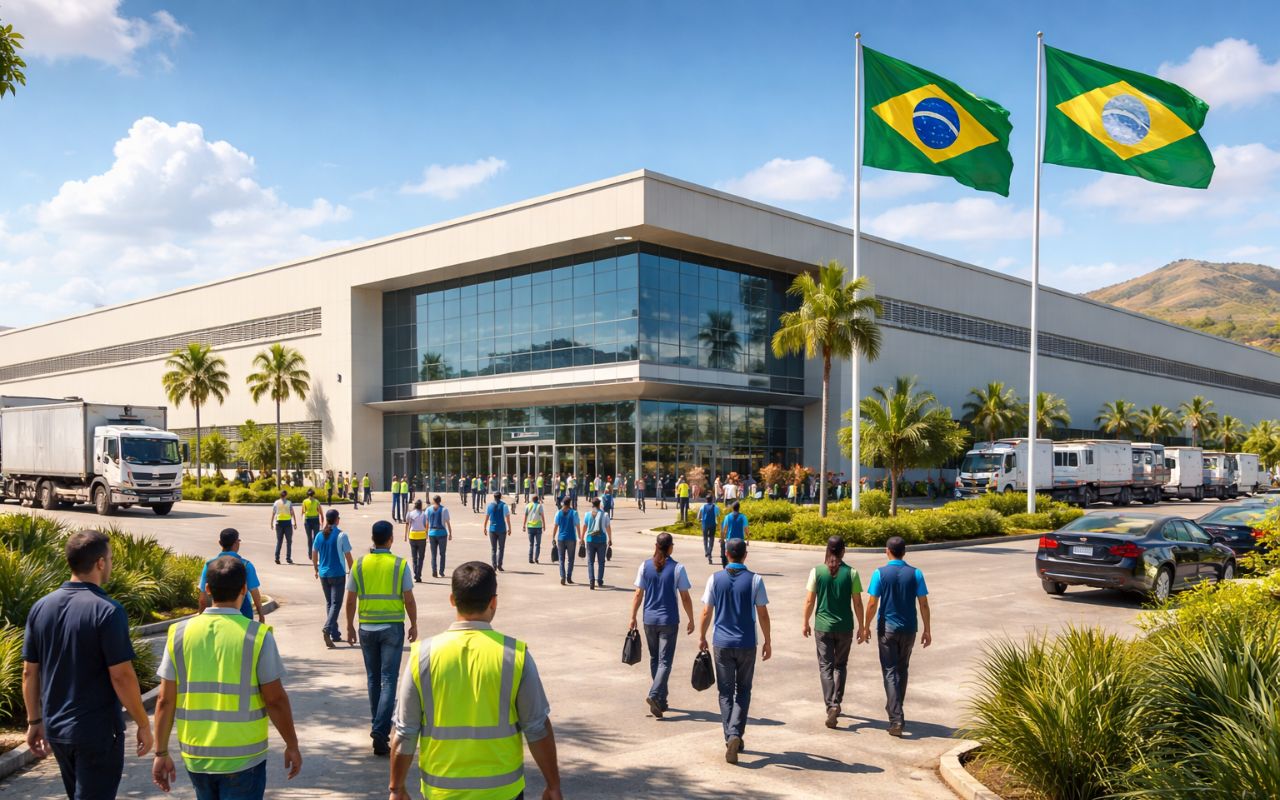
New shoe factory in Ceará is expected to create 400 jobs and strengthen the local economy.
-
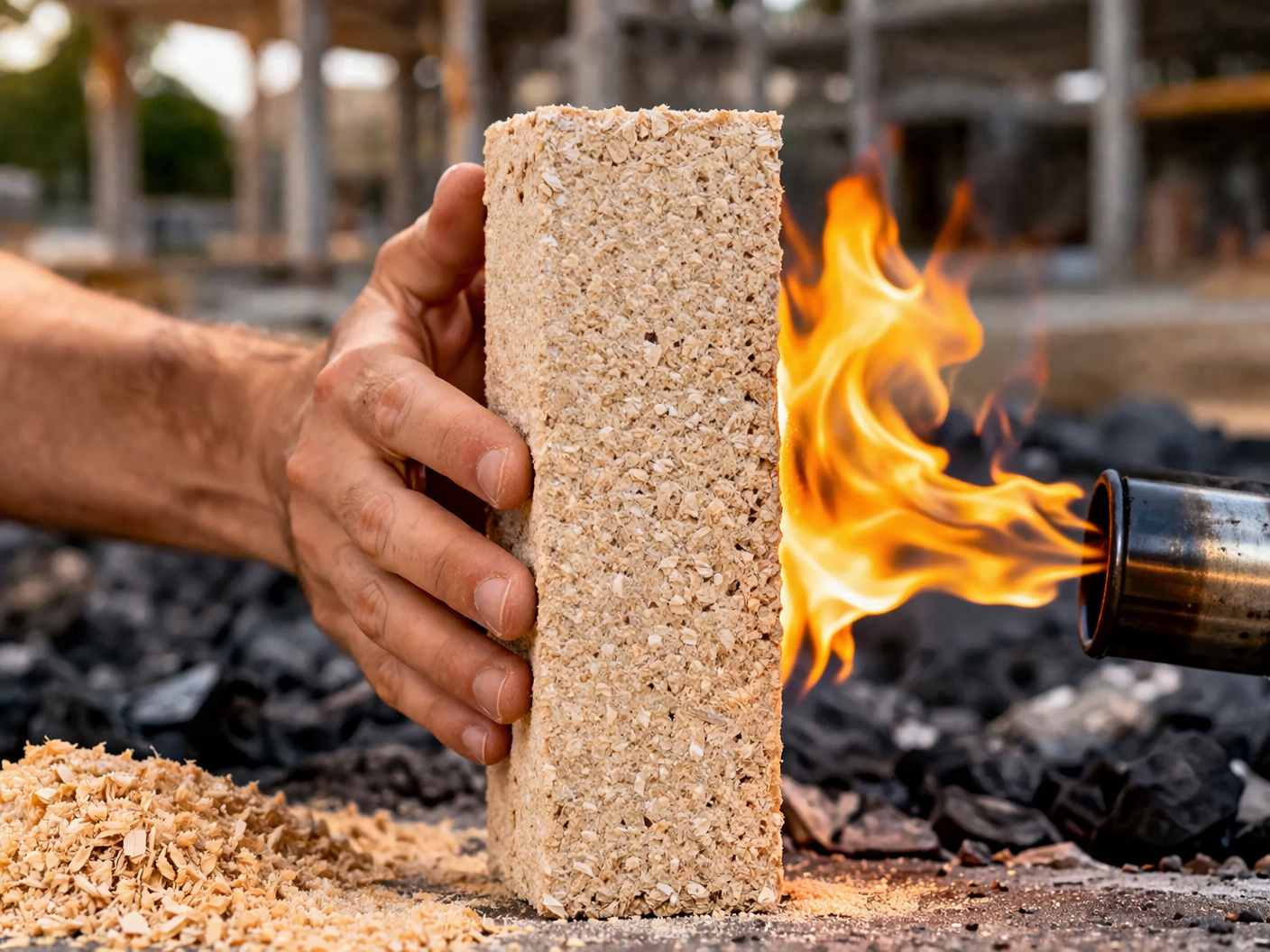
No one imagined it, but a mixture of sawdust with a mineral that fights fires surprises scientists with a result that changes the course of fire-resistant construction.

Therefore, investments in lithium exploration in the country could attract new companies focused on this decarbonization market. Among the mineral production plants, MME highlights a projection of strong growth for the Vale do Jequitinhonha in Minas Gerais, which concentrates most of the known mineral reserves for lithium production in the country.
Currently, the country accounts for only about 1.5% of global lithium production, and by the end of 2030, this number is expected to jump to 5%, mainly with the implementation of the investments planned by MME.
Brazil Can Become a Global Power in Lithium Exportation with the Flexibilization of Operations, Boosting the Battery Market
The projections of co-CEO of Canadian Sigma Lithium Resources Corporation, Ana Cabral-Gardner, for the lithium market in Brazil are quite optimistic, and the executive commented: “Due to this anachronistic regulation, which classified lithium as nuclear interest, you fell into a regulatory mire that did not make the product competitive.” Additionally, Ana also highlighted the country’s position in the international market, stating that Brazil will be in an “unstoppable position to supply North America and Europe” in the future.
Meanwhile, the director of Geology and Mineral Resources of the state Geological Survey of Brazil (SGB) emphasized that the flexibilization of lithium export operations with the decree corrects an error from the 1970s, when the mineral was strategically used for the nuclear sector and there were few reserves of it in Brazil.
In this context, regulating the export of the product was the most recommended approach, but times have changed and the current scenario requires a flexibilization in the commercialization of the resource.
Now, MME will continue to work with agencies within the Brazilian mining sector, such as the National Mining Agency (ANM), to boost the lithium market in Brazil and ensure that the R$ 15 billion investments reach the country’s mining sector within the planned timeframe.









Seja o primeiro a reagir!